

Prepare to elevate your culinary experience! This exceptional copycat recipe for gluten-free cheddar biscuits is poised to redefine your expectations, delivering a knockout taste and a remarkably tender, flaky texture that rivals the famous Red Lobster originals. Each bite offers a harmonious blend of rich, buttery goodness, sharp cheddar, and a subtle hint of garlic. Our straightforward approach incorporates clever techniques, such as allowing the dough to rest and utilizing a unique combination of yogurt and milk, guaranteeing biscuits that are consistently soft, wonderfully fluffy, and never dry.

The Ultimate Guide to Gluten-Free Cheddar Bay Biscuits (Red Lobster Style)
If the thought of baking homemade biscuits, especially gluten-free ones, has ever seemed daunting, consider this recipe your ultimate starting point. Often, gluten-free baking can be intimidating due to concerns about crumbly textures or dense results. However, this recipe is meticulously designed for success, even for beginners, ensuring an effortlessly delicious outcome. Don’t let its simplicity fool you; these cheesy drop biscuits deliver a phenomenal taste and an unbelievably perfect texture, making them a stone-cold winner in the world of gluten-free bread.
Unlike many traditional biscuit recipes that demand time-consuming rolling, cutting, and shaping, our approach is delightfully straightforward. Simply mix your ingredients, scoop generous dollops of dough onto a baking sheet, and bake. Forget about complicated ingredients or obscure flours often associated with gluten-free alternatives. While readily available store-bought mixes exist, we’re confident that you likely possess all the necessary pantry staples to craft these superior, from-scratch cheddar biscuits. And for those few ingredients you might be missing, fear not—we’ve got you covered with easy and effective substitutions that guarantee fantastic results.
My baking philosophy centers on building “insurance” into every recipe, especially when dealing with the variable nature of gluten-free flour blends. These blends can sometimes lead to inconsistent textures, from excessively dry to surprisingly gummy. To counteract these common issues, I rely on a few simple yet powerful tricks that ensure a consistently soft, tender crumb every single time. These aren’t complex techniques; rather, they are foundational principles I apply across a range of gluten-free baked goods, from moist muffins to delectable cookies and even my widely cherished savory gluten-free cheddar scones.
The Secrets to Achieving Perfect Gluten-Free Biscuits
Achieving truly soft and tender gluten-free biscuits requires understanding the unique properties of gluten-free flours. Unlike wheat flour, which contains gluten that develops elasticity and structure, gluten-free blends rely on a mix of different flours and starches. These starches need ample time to fully hydrate and absorb moisture, preventing the gritty or dry texture that can plague gluten-free baked goods.
Trick 1: The Essential Dough Rest (30 Minutes of Patience)
After combining your dry and liquid ingredients to form the biscuit dough, the most crucial step is to cover the bowl and chill it in the refrigerator for at least 30 minutes. This resting period is not merely a suggestion; it’s a game-changer. During this time, the various starches in the gluten-free flour blend have an opportunity to thoroughly hydrate, relax, and soften. Different gluten-free flours contain varying starch ratios, and some can be particularly absorbent or gritty. Allowing them this crucial hydration time ensures a more uniform texture and prevents that unpleasant dry, crumbly bite.
While I personally find and highly recommend Cup4Cup gluten-free flour for its exceptional performance and consistent texture, the resting technique is universally beneficial. It’s an “equal opportunity tweak” that significantly improves the outcome, regardless of the specific gluten-free blend you choose to use.
Trick 2: The Yogurt & Milk Combo (A Buttermilk Alternative)
You might notice that this recipe deviates from traditional biscuit recipes by not calling for buttermilk. My preference lies in a mixture of plain yogurt and milk, a substitution chosen specifically to address the challenges of gluten-free baking. Gluten-free flours sometimes struggle to absorb liquids as effectively as wheat flour, which can lead to dense, heavy, or even gummy results. Yogurt, particularly full-fat, whole-milk yogurt, adds the necessary moisture and a delightful tangy flavor reminiscent of buttermilk, but with a structural advantage.
When baked, the yogurt contributes to an incredibly soft and tender crumb, avoiding the denseness that can occur when gluten-free flours become oversaturated or don’t hydrate properly. This combination ensures your biscuits are light, airy, and moist from the inside out, making every bite a true pleasure.
Ingredient Swaps for Flexibility and Flavor
Life in the kitchen is all about adaptability, and this recipe is designed with flexibility in mind. Don’t have a specific ingredient? No problem! Here are some tried-and-true substitutions that will still yield spectacular results, ensuring you can bake these delicious biscuits whenever the craving strikes.
- Yogurt: For the best texture and richness, whole, full-fat plain yogurt is ideal. However, if your fridge is bare, an equal amount of sour cream can be seamlessly swapped in, providing similar moisture and a pleasant tang. Both options contribute to that desirable tender crumb.
- Lemon Juice: The lemon juice in this recipe serves a dual purpose: it adds a subtle brightness and contributes to the “buttermilk” flavor profile when combined with milk and yogurt. If fresh lemons are not on hand, white vinegar can be used as an excellent substitute, tablespoon for tablespoon. It provides the same essential acidity to react with the baking soda, promoting a light and airy texture.
- Cheddar Cheese: To truly capture that iconic “Cheddar Bay” experience, I highly recommend using extra sharp cheddar cheese, and crucially, grating it fresh from the block. Pre-shredded cheeses often contain anti-caking agents that can slightly alter the texture and melt of the cheese, and they tend to lack the robust flavor of freshly grated. Of course, feel free to experiment! If you’re looking to personalize your biscuits, other hard or semi-hard cheeses like Gruyère, Monterey Jack, or even a spicy pepper jack can make wonderful variations.
Watch The Recipe in Action
Step-by-Step Guide: Crafting Your Biscuits to Perfection
(Below you’ll find detailed step-by-step photos and expanded instructions. For the complete recipe, including precise ingredient amounts and nutritional information, please scroll down to the full recipe card.)
Cut the Butter into Dry Ingredients
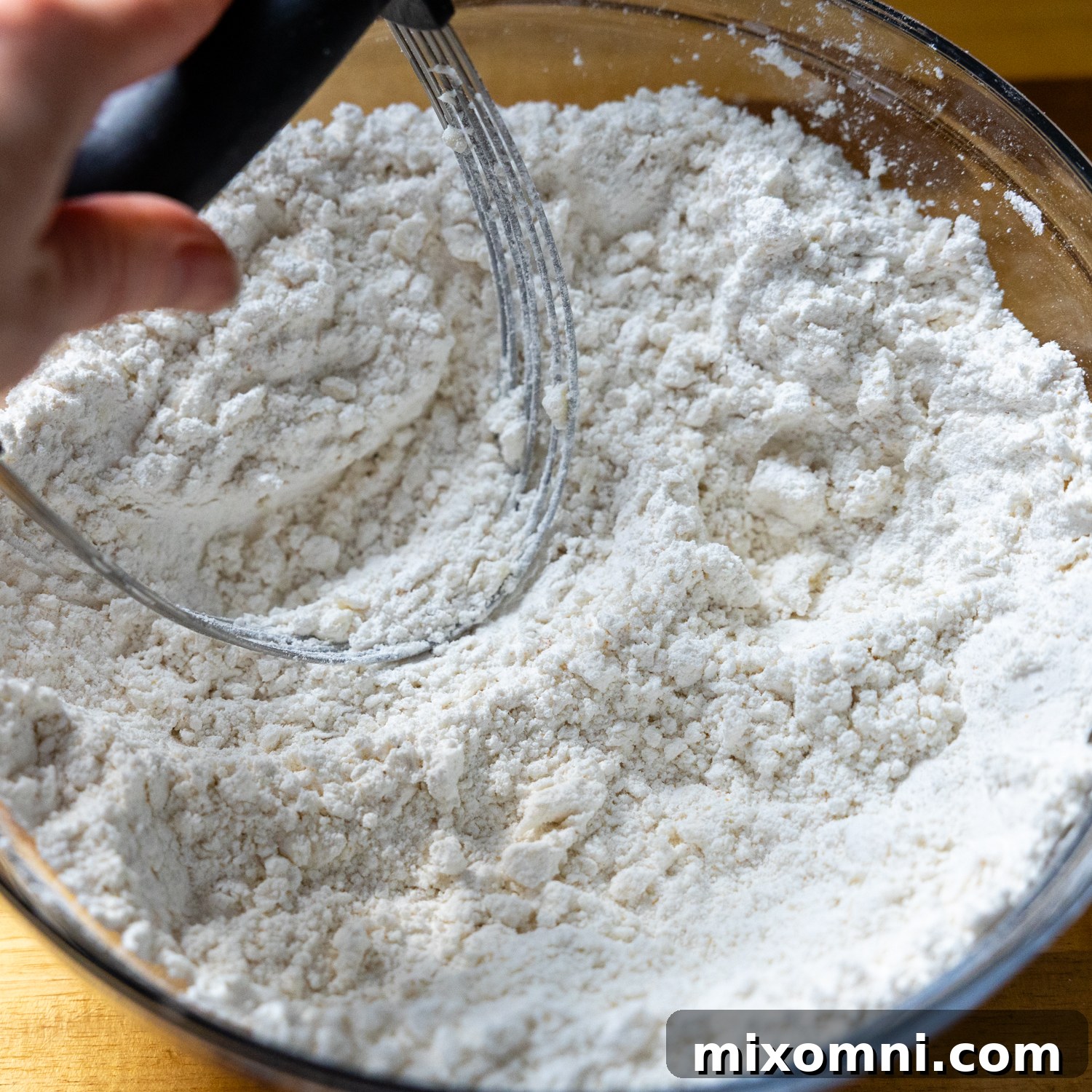
In a large mixing bowl, begin by thoroughly whisking together all your dry ingredients: the gluten-free flour blend, baking powder, garlic powder, sugar, salt, and baking soda. This ensures an even distribution of leavening agents and flavor throughout the dough. Next, add the chilled butter, which has been cut into small, even pieces. Using a pastry blender, a fork, or even your fingertips, work the butter into the dry mixture until it resembles coarse sand with no large chunks of butter remaining. Small, pea-sized pieces are ideal, as they will create pockets of steam during baking, contributing to a flaky texture.
Combine Liquid Ingredients with Cheese, Then Chill
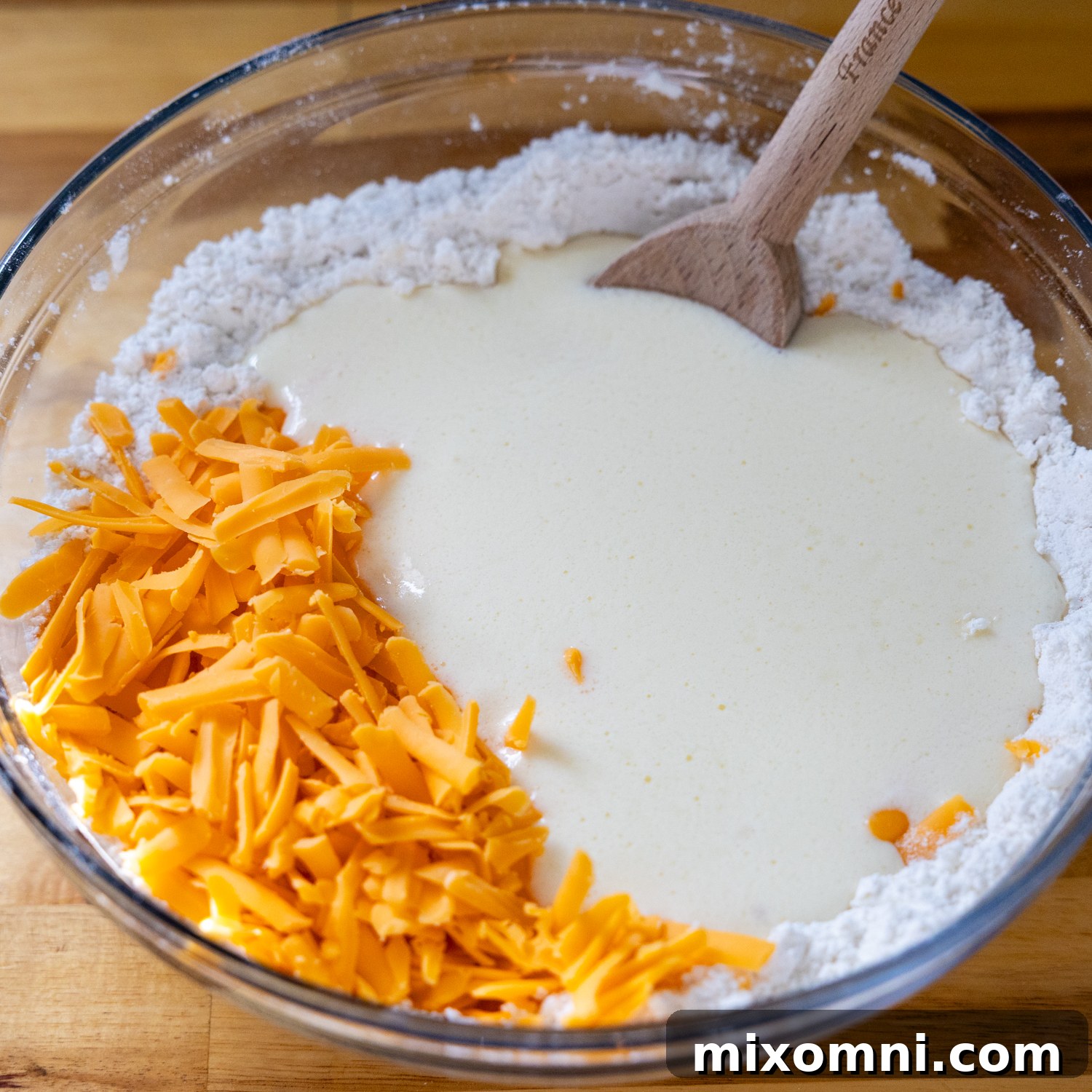
In a separate small bowl, whisk together the wet ingredients until well combined: the oil, milk, egg, yogurt, and lemon juice (or vinegar). This ensures a homogenous mixture before adding to the dry ingredients. Pour this liquid mixture into the flour and butter mixture, along with your generous helping of freshly shredded cheddar cheese. Stir everything gently, just until a soft, cohesive dough forms and no dry flour pockets are visible. Overmixing gluten-free dough can sometimes lead to toughness, so aim for just combined.
Now comes the crucial chilling step! Cover the bowl tightly with plastic wrap and refrigerate for 30 minutes. This period allows the gluten-free starches to fully hydrate, resulting in a significantly softer and more tender biscuit. While the dough chills, take this opportunity to preheat your oven to 425°F (230°C), ensuring it’s ready for baking when your dough is perfectly conditioned.
Scoop and Bake for Golden Perfection
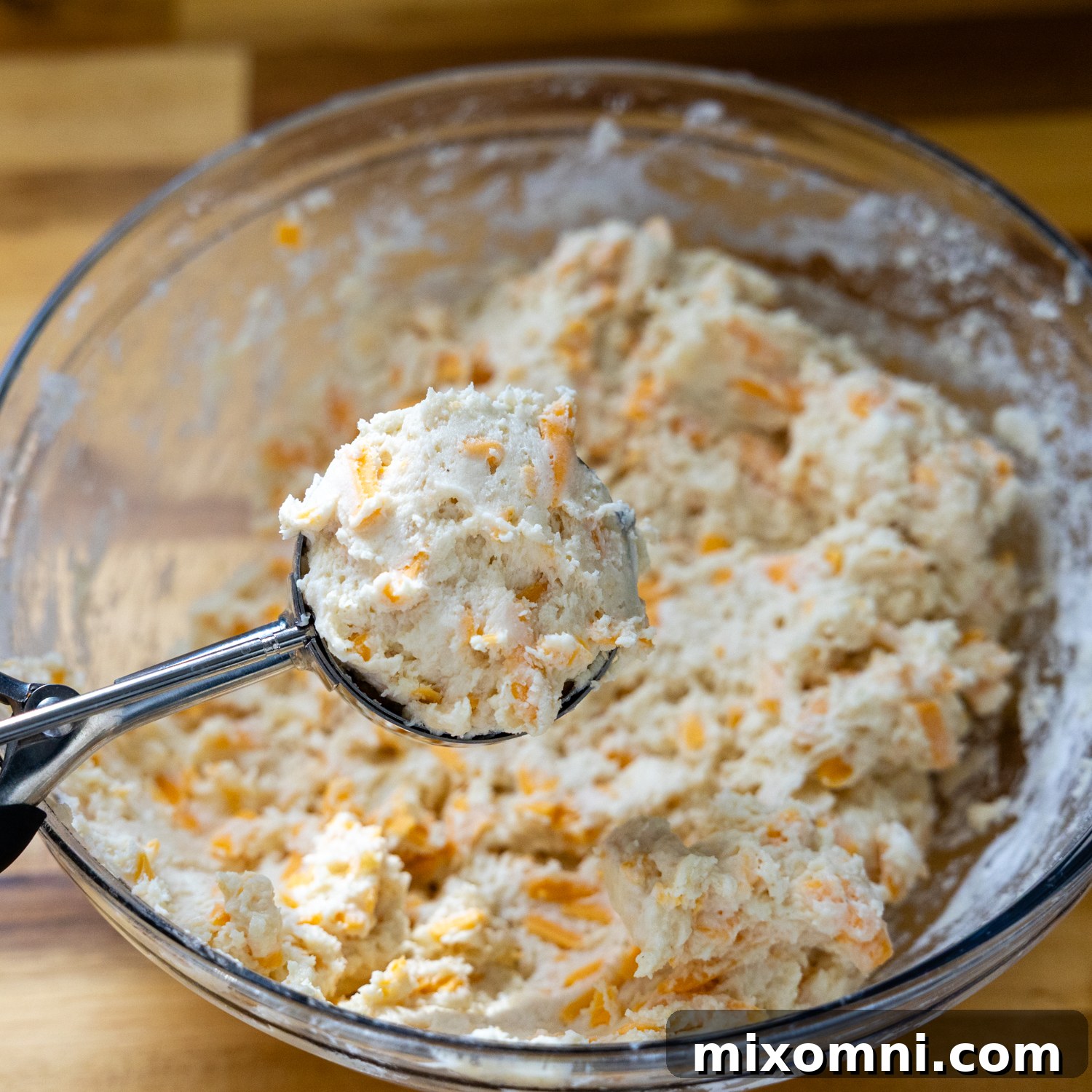
For uniform biscuits that bake evenly, a 4-tablespoon trigger scoop is your best friend. It makes dropping the dough quick, clean, and consistent. If you don’t have one, simply grease a 1/4 cup measuring cup with nonstick cooking spray to achieve similarly sized drops. You should yield approximately 10-11 biscuits from this recipe, perfectly portioned onto a single baking sheet. Arrange them about 1 inch apart in the center of the sheet – this proximity actually helps trap a little extra steam, contributing to an even more tender crumb.
Bake for about 16 minutes, or until golden brown and cooked through. Remember to rotate the baking pan halfway through the baking time to ensure even browning. Keep a close eye on them, as oven temperatures can vary.
The Grand Finale: Brush with Garlic Butter
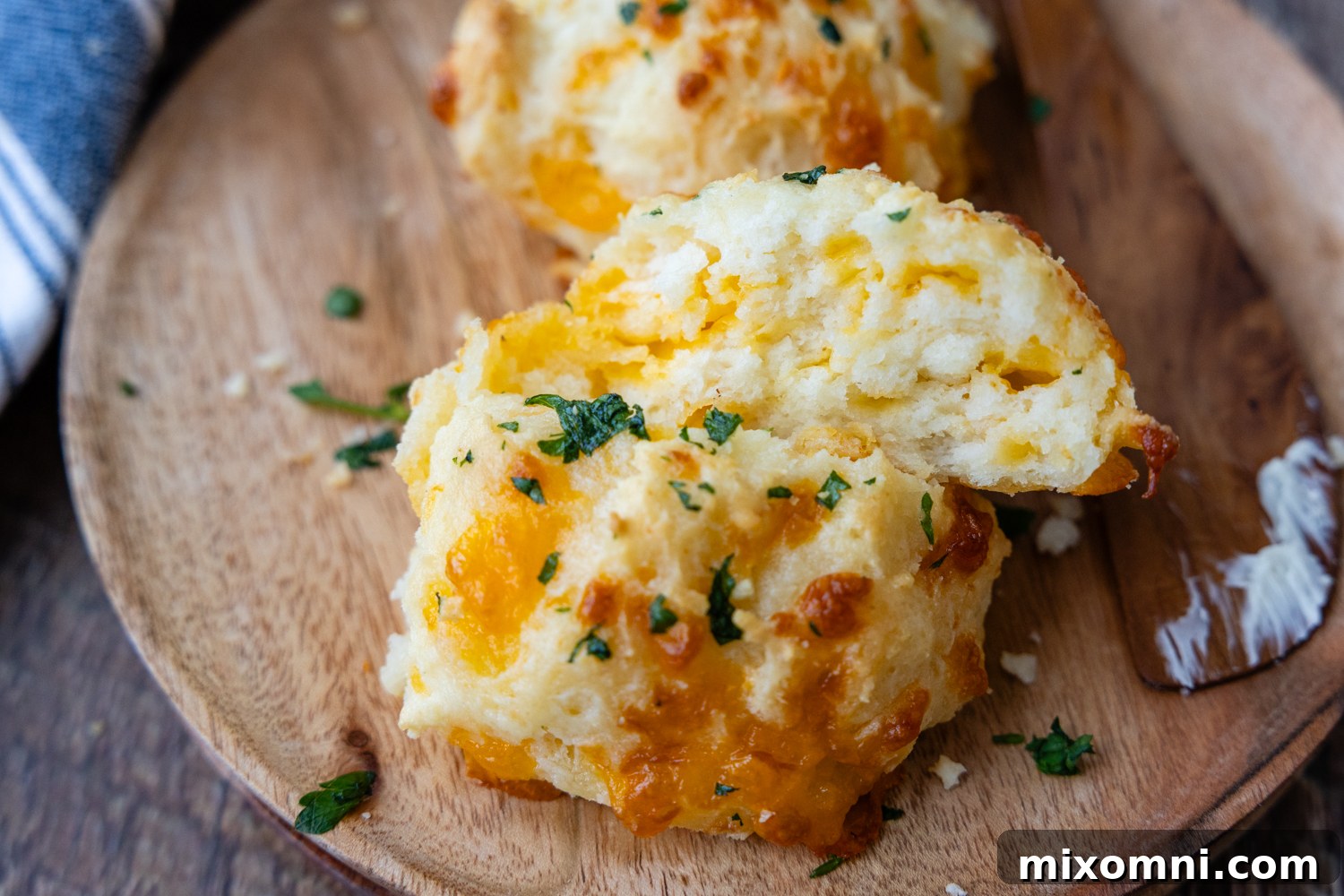
The moment your golden-brown biscuits emerge from the oven, their aroma filling your kitchen, it’s time for the “best part!” In a small bowl, melt butter and stir in a pinch of salt (especially if you’re using unsalted butter) and a generous amount of fresh minced parsley. This creates the quintessential garlic butter topping that elevates these biscuits to true Red Lobster copycat status. Immediately brush this aromatic butter mixture generously over the warm biscuits. The warmth of the biscuits will absorb the butter, creating an irresistible glossy finish and infusing them with incredible flavor. Dive into these warm, buttery bites and experience a gluten-free heaven on earth!


The undeniable appeal of Red Lobster’s cheddar bay biscuits lies in how they are served: warm, incredibly soft, and lusciously buttery! To truly replicate this experience, these homemade gluten-free biscuits should be enjoyed in the exact same manner. If you plan to make them ahead of time, simply bake and cool them, but defer the butter brushing until just before serving. For longer storage, they freeze beautifully! Thaw, reheat, brush with the savory garlic butter, and serve for a fresh-baked taste every time.
Mastering the Bake: Achieving Fluffy Perfection
My Favorite Biscuit Baking Method
The key to light, fluffy biscuits with a golden outer crust often involves baking at a high heat. This high temperature rapidly creates and traps steam within the dough, which is essential for that signature rise. However, gluten-free breads and muffins generally benefit from slightly extended baking times to ensure adequate moisture evaporates, preventing a dense, gummy crumb—a common pitfall in gluten-free baking. Our method strikes a perfect balance between these two considerations.
We opt for a slightly lower high heat, setting the oven to 425℉ (230°C), rather than the even higher temperatures sometimes used for traditional biscuits. This temperature is hot enough to promote excellent rise and crust formation, while still allowing enough time for the gluten-free flours to properly set without drying out. To ensure even baking and prevent the biscuit bottoms from browning too quickly before the centers are fully cooked, I employ a clever trick learned from America’s Test Kitchen: stack two baking sheets on top of each other. This creates an insulated layer at the bottom, protecting the biscuits from excessive direct heat.
Additionally, arranging the biscuits relatively close together on the baking sheet provides a crucial advantage. This proximity helps to create and trap more steam around the biscuits during baking. Since we’re using a slightly lower high heat compared to some conventional recipes, this concentrated steam provides an extra boost, contributing significantly to the soft, tender, and incredibly fluffy texture we’re aiming for.
Serving Suggestions & Creative Variations
These buttery gluten-free cheddar biscuits are incredibly versatile and can elevate almost any meal. Beyond being a fantastic copycat of a restaurant favorite, they fit seamlessly into a variety of dining occasions. Serve them warm straight from the oven as a delightful accompaniment to a cozy bowl of homemade tomato soup, a rich beef stew, or a vibrant chicken pot pie. They make an impressive addition to any holiday table, serving as unique and flavorful dinner rolls that cater to gluten-free guests without compromising on taste or texture. Imagine them alongside your Thanksgiving turkey or Christmas roast!
For a hearty breakfast or brunch, split them open and serve with scrambled eggs and crispy bacon, or simply enjoy them on their own with a smear of butter. Their savory profile also makes them an excellent base for small open-faced sandwiches or sliders. Don’t be afraid to get creative with add-ins. Beyond the suggestions of bacon and jalapeño, consider incorporating:
- Fresh Herbs: Finely chopped chives, rosemary, or thyme mixed into the dough can add an aromatic depth.
- Spices: A pinch of smoked paprika or a touch of cayenne pepper can provide a warm, subtle kick.
- Roasted Garlic: For an even deeper garlic flavor, substitute a teaspoon of roasted garlic puree for half of the garlic powder.
- Sun-Dried Tomatoes: Chopped, oil-packed sun-dried tomatoes can add a sweet and savory burst.
- Different Cheeses: Experiment with a blend of cheeses like Parmesan and provolone, or go bold with a sharp blue cheese for a gourmet twist.
Make Ahead & Storage Tips
While these biscuits are undeniably at their absolute best when served warm and fresh from the oven, they can certainly be prepared ahead of time with a few simple considerations. To prepare in advance, bake and allow the biscuits to cool completely before applying the melted garlic butter topping. Store them in an airtight container at room temperature for up to 1-2 days. When you’re ready to serve, simply rewarm them gently in the oven or microwave, then brush with the freshly prepared garlic butter for that signature buttery finish. This method ensures they retain their tender texture without becoming soggy.
For longer-term storage, these biscuits are freezer-friendly. Once fully cooled, wrap each biscuit individually in plastic wrap, then place them in an airtight freezer-safe container or a resealable freezer bag. They can be stored in the freezer for up to 2-3 months. To enjoy, thaw the frozen biscuits overnight in the refrigerator or gently reheat them directly from frozen in a low oven until warmed through. Finish with a generous brush of melted garlic butter and serve immediately for a delicious treat anytime.
Save this Recipe to Your Pinterest Board!
Let’s be friends on Pinterest! I’m always sharing great recipes!
Did you make this recipe? I love hearing from you! Leave a star rating and comment below the recipe card. Your feedback is invaluable to our community and helps others discover great recipes. You’ll always hear back from me! -Melissa

Buttery Gluten-Free Cheddar Bay Biscuits (Copycat)
 Melissa Erdelac
Move over Red Lobster! This copycat recipe for gluten-free cheddar biscuits has a spot-on, knockout taste and texture, complete with tender, cheesy, and buttery goodness and a hint of garlic. My easy tricks for fool-proof success—like resting the dough and using a combination of yogurt and milk for a tender crumb—make these savory treats soft, fluffy, and never dry!
Pin
Rate
Remove Ads
Ingredients
- 2 cups (307 g) all-purpose gluten free flour blend, I recommend Cup4Cup gluten-free flour
- 4 teaspoons baking powder
- 1 teaspoon garlic powder
- 1 teaspoon sugar
- ½ teaspoon salt
- ¼ teaspoon baking soda
- 3 tablespoons (42 g) butter, chilled and cut into small pieces
- ¾ cup (200 g) plain whole-milk yogurt
- ½ cup (114 g) milk
- 1 large egg
- 2 tablespoons (27 g) oil
- 2 teaspoons lemon juice, I’ve substituted vinegar for this with good results
- 1½ cups (141 g) freshly grated Sharp cheddar cheese
For Topping
- 2 tablespoons melted butter
- 1 tablespoon fresh minced parsley, or 1/2 teaspoon dried parsley
- ⅛ teaspoon salt
Equipment
- Baking Sheets
- Cup4Cup Gluten Free Flour
- Large Trigger Scoop
Instructions
- Whisk flour, baking powder, garlic powder, sugar, salt, and baking soda in a large bowl. Add the chilled butter to the mixture and cut it in with a pastry blender, fork, or your fingers until small, pea-sized pieces remain. This creates pockets of fat that steam during baking for a flaky texture.
- In a separate bowl, whisk together the yogurt, milk, egg, oil, and lemon juice until smooth. Stir this liquid mixture and the freshly grated cheddar cheese into the flour mixture until no flour pockets remain and a soft dough forms. Do not overmix. Cover the bowl with plastic wrap and chill for 30 minutes to allow the gluten-free starches to fully hydrate with the liquids and fat, making the dough easier to work with and ensuring a tender biscuit. Preheat your oven to 425ºF (230ºC) during this chilling time.
- To prepare your baking surface, place one baking sheet inside a second to create a double layer, which insulates the bottom of the biscuits and prevents over-browning. Line the top baking sheet with parchment paper. Use a large trigger scoop (approximately 4 tablespoons in size) to portion the dough, or grease a 1/4 cup measuring cup with nonstick cooking spray and use it to drop the dough. Arrange the biscuits on the prepared baking sheet, spacing them only about 1 inch apart in the center. This slight proximity helps to trap steam, contributing to an even more tender crumb.
- Bake until the biscuits are beautifully golden brown, typically about 15-17 minutes. Watch them carefully and rotate the pan halfway through baking to ensure even coloring. Immediately upon removing them from the oven, stir together the topping ingredients (melted butter, fresh minced parsley, and a pinch of salt) and generously brush this flavorful mixture over the warm biscuits. Serve them warm to experience the ultimate tender, cheesy, and buttery delight.
Notes
Storing and Freezing
These biscuits are truly best when enjoyed warm and freshly baked. If you plan to make them ahead of time, bake and cool them completely before brushing on the butter topping. Store the cooled biscuits in an airtight container at room temperature for 1-2 days. To serve, simply rewarm them gently in an oven or microwave, then brush with the melted garlic butter mixture.
For longer storage, individually wrap each cooled biscuit tightly in plastic wrap, then transfer them to an airtight container or a freezer-safe ziplock bag. They can be frozen for up to 2-3 months. When ready to enjoy, thaw the biscuits in the refrigerator, rewarm them as described above, and finish with a fresh brushing of butter before serving.
Carbohydrates: 19g,
Protein: 7g,
Fat: 15g,
Saturated Fat: 7g,
Polyunsaturated Fat: 1g,
Monounsaturated Fat: 5g,
Trans Fat: 0.2g,
Cholesterol: 49mg,
Sodium: 319mg,
Potassium: 214mg,
Fiber: 2g,
Sugar: 3g,
Vitamin A: 376IU,
Vitamin C: 0.4mg,
Calcium: 225mg,
Iron: 1mg