Unlock the secrets to perfectly reheating your favorite casseroles in the oven, ensuring they emerge moist, flavorful, and just as delicious as the day they were first made. Say goodbye to dried-out, lackluster leftovers! This comprehensive guide provides easy-to-follow tips for every type of casserole, whether it’s reheated from frozen or thawed, features a gooey cheesy topping, or boasts a delightful crispy crust, and everything in between. Master the art of casserole reheating and elevate your leftover game!
The Ultimate Guide: How to Reheat a Casserole in the Oven Perfectly
Reheating casseroles in the oven is arguably the best method to preserve their original texture and flavor, especially when compared to microwave reheating which can often lead to uneven heating and rubbery textures. Whether you’re dealing with a single portion or an entire casserole dish, the key to success lies in a few simple yet crucial steps. Our goal is to prevent the casserole from drying out, ensuring every bite is as satisfying as the first. This section will walk you through the standard oven reheating process, suitable for most casserole types, including meat-based dishes, pasta bakes, and breakfast casseroles.
The general principle is to allow the casserole to come to room temperature first, then cover it tightly with foil, and bake it in a moderate oven until thoroughly heated. This approach minimizes baking time and locks in moisture, preventing that dreaded dry consistency. Below, you’ll find detailed instructions covering proper oven temperature, strategic covering techniques, and specific advice for reheating frozen casseroles, ensuring consistently delicious results every time.
Step One: Bring Casserole to Room Temperature (or Thaw)
For optimal results when reheating, the first and most critical step is to allow your leftover casserole to gradually come to room temperature. This significantly reduces the amount of time it needs to spend in the oven, directly correlating to less moisture loss and a more tender outcome.
- For Refrigerated Casseroles: Remove the casserole from the refrigerator approximately 30 to 60 minutes before you plan to reheat it. The exact time will depend on the casserole’s density and how chilled it still is. A dense, deep-dish casserole will require more time than a thinner one.
- For Frozen Casseroles: If you’re starting with a frozen casserole, the best practice is to thaw it overnight in the refrigerator. This slow thawing process helps maintain the casserole’s structural integrity and moisture. After thawing, let it sit on the counter for an additional 30-60 minutes to reach room temperature, as mentioned above.
Starting with a room temperature casserole ensures that the heat penetrates more evenly and quickly, reducing the risk of a dried-out exterior with a cold center. It’s a small step that makes a huge difference in the final product’s quality.
Step Two: Cover and Reheat in the Oven
Once your casserole has reached room temperature, it’s time to prepare it for its oven journey. This step focuses on creating a moist, steamy environment that will gently warm the casserole without drying it out.
- Prepare the Baking Dish: Transfer your casserole to an oven-safe baking dish if it’s not already in one. For best results, choose a dish that isn’t excessively large, as too much empty space can cause the casserole to dry out faster.
- Cover with Aluminum Foil: Tightly cover the baking dish with aluminum foil. The foil acts as a protective barrier, trapping steam and moisture inside the dish. This steam rehydrates any dried edges and ensures even heating throughout the casserole. For casseroles with cheesy toppings, consider lightly spraying the underside of the foil with nonstick cooking spray to prevent the cheese from sticking.
- Preheat Oven: Place the covered casserole in a preheated oven at 350ºF (175ºC). This moderate temperature is ideal for reheating, providing enough heat to warm the dish thoroughly without overcooking the edges or top.
- Baking Time: The reheating time can vary significantly based on the casserole’s initial temperature, its density, and the volume. Generally, a full casserole may take between 20 to 45 minutes. Smaller portions will heat much faster, possibly in 10-20 minutes. Avoid the temptation to crank up the oven temperature, as this often leads to dry, tough results. Patience is key here.
Step Three: Check for Doneness and Serve
Ensuring your casserole is properly heated through is crucial for both enjoyment and food safety. No one wants a lukewarm center!
- Internal Temperature: The most reliable way to check for doneness is by using an instant-read thermometer. Insert the thermometer into the thickest part of the casserole, avoiding any bones or hard ingredients. The internal temperature should read at least 165ºF (74ºC) for safe consumption.
- Visual and Tactile Check: If you don’t have a thermometer, you can also perform a visual and tactile check. Carefully insert a dinner knife or a thin skewer into the center of the casserole. Hold it there for a few seconds, then remove it and immediately touch the tip to your wrist. If it feels hot, the casserole is likely warmed through. You should also see steam rising from the center.
- Adjusting for Toppings: If your casserole has a crispy or cheesy topping that you want to re-crisp or brown, remove the foil for the last 5-10 minutes of baking. More details on this are provided in dedicated sections below.
Once your casserole is perfectly reheated, carefully remove it from the oven, let it rest for a few minutes to allow the heat to distribute evenly, and then serve immediately. Enjoy your perfectly revived meal!
Quickest Ways to Reheat a Casserole for Busy Days
Sometimes, time is of the essence, and you need your casserole reheated quickly. While the full oven method yields the best results, you can jump-start the process, especially for single portions or smaller quantities, using a combination of methods.
- Microwave Pre-Heat: For a faster start, pull your casserole leftovers from the refrigerator and place a single serving in a microwave-safe dish. Cover it with a damp paper towel or microwave-safe lid to help retain moisture. Heat on 40-50% power for 1-2 minutes, or until it reaches a moderate temperature. This takes the chill off the center without overcooking the edges.
- Stovetop Sauté (for certain types): For very small portions or specific types like pasta casseroles, you can gently heat slices directly in a skillet over low to medium-low heat. Add a splash of broth or water if it seems dry. Keep it covered to trap steam. This method is best for very creamy or saucy casseroles and not ideal for those with crispy toppings.
- Transfer to Oven: Immediately transfer the pre-heated or stovetop-warmed leftovers to an oven-safe baking tray. Cover it tightly with aluminum foil and place it in a preheated 350ºF (175ºC) oven.
- Final Oven Bake: Heat for 10-20 minutes, or until the casserole is hot throughout, reaching 165ºF (74ºC) internally. If your casserole features a cheesy or crispy topping, remove the foil for the final 5 minutes to allow it to crisp up or become golden and bubbly again.
This hybrid approach significantly cuts down on overall reheating time while still allowing the oven to provide that crucial even heating and desirable texture that the microwave alone often can’t achieve.
Mastering the Reheating of Frozen Casseroles
Reheating casseroles directly from the freezer is entirely possible and can yield excellent results, whether the casserole was previously baked or unbaked. The key is to manage the temperature transition carefully to prevent drying out and ensure even cooking.
- Optimal Thawing (Recommended): For the absolute best results, it’s highly recommended to pull the frozen casserole from the freezer and thaw it completely in the refrigerator overnight (for 12-24 hours). This slow, gradual thaw helps maintain the casserole’s texture and moisture. After thawing, let it sit at room temperature for at least 30-60 minutes before proceeding to the next step, as outlined in Step One above. This approach will significantly reduce the required oven time.
- Faster Thawing Methods (If pressed for time):
- Microwave Defrost: For quicker thawing, place the frozen casserole (in a microwave-safe dish) in the microwave and use the defrost function. Defrost in short intervals, checking frequently, until it’s mostly thawed but still very cold.
- Oven Thawing: Alternatively, you can thaw a frozen casserole in a low oven. Cover it tightly with foil and place it in a 300ºF (150ºC) oven. This can take anywhere from 1 to 2 hours, depending on the size and density of the casserole. The goal here is just to thaw it, not cook it. Once thawed, increase the oven temperature to 350ºF (175ºC) and proceed with reheating.
- Reheating Directly from Frozen (Not Recommended, but possible for some): While less ideal for quality, if you must reheat a casserole directly from frozen, keep it covered tightly with foil and bake at a lower temperature, around 300-325ºF (150-160ºC), for a longer duration. This could take 1-2 hours or even more for a large casserole. After about an hour, check the internal temperature, and once it reaches 165ºF (74ºC), you can optionally remove the foil for the last 10-15 minutes if you desire a crispy or browned top. This method is more prone to drying out the edges before the center is fully heated, so it’s generally best avoided.
Always ensure the internal temperature reaches 165ºF (74ºC) before serving, especially when reheating from frozen, to guarantee food safety.
Should Your Casserole Be Covered or Uncovered When Reheating?
The decision to cover or uncover your casserole during reheating is paramount to its success and largely depends on the desired outcome and the casserole’s ingredients. For most of the reheating process, covering is the way to go.
- Why Cover with Foil First:
- Prevents Drying Out: The primary reason to cover your casserole with aluminum foil is to trap steam and moisture within the dish. As the casserole heats, moisture evaporates, but the foil prevents it from escaping, allowing it to condense and cycle back into the food. This creates a steamy environment that gently reheats the casserole, keeping it moist and tender.
- Ensures Even Heating: Covering helps to distribute heat more evenly throughout the casserole, reducing the risk of a hot exterior and a cold interior.
- Protects Toppings: It also prevents delicate toppings, like cheese or creamy sauces, from over-browning or drying out prematurely.
- When to Keep it Covered: Always cover casseroles that contain pasta or rice, such as baked ziti or Mexican chicken casserole. This ensures the grains remain soft and tender, preventing them from becoming crunchy or hard. Creamy casseroles also benefit from being covered for most of their reheating time to prevent the sauce from breaking or drying.
- When to Uncover (Towards the End): If your casserole has a crispy crust or a golden cheesy top that needs reviving, you should remove the foil for the last 5-10 minutes of reheating. This allows direct heat to reach the topping, resulting in a desirable texture.
In summary, start with a covered casserole to lock in moisture and ensure even heating. Only uncover it at the very end if you wish to brown or crisp up a specific topping.
Reheating Casseroles with Crispy Toppings
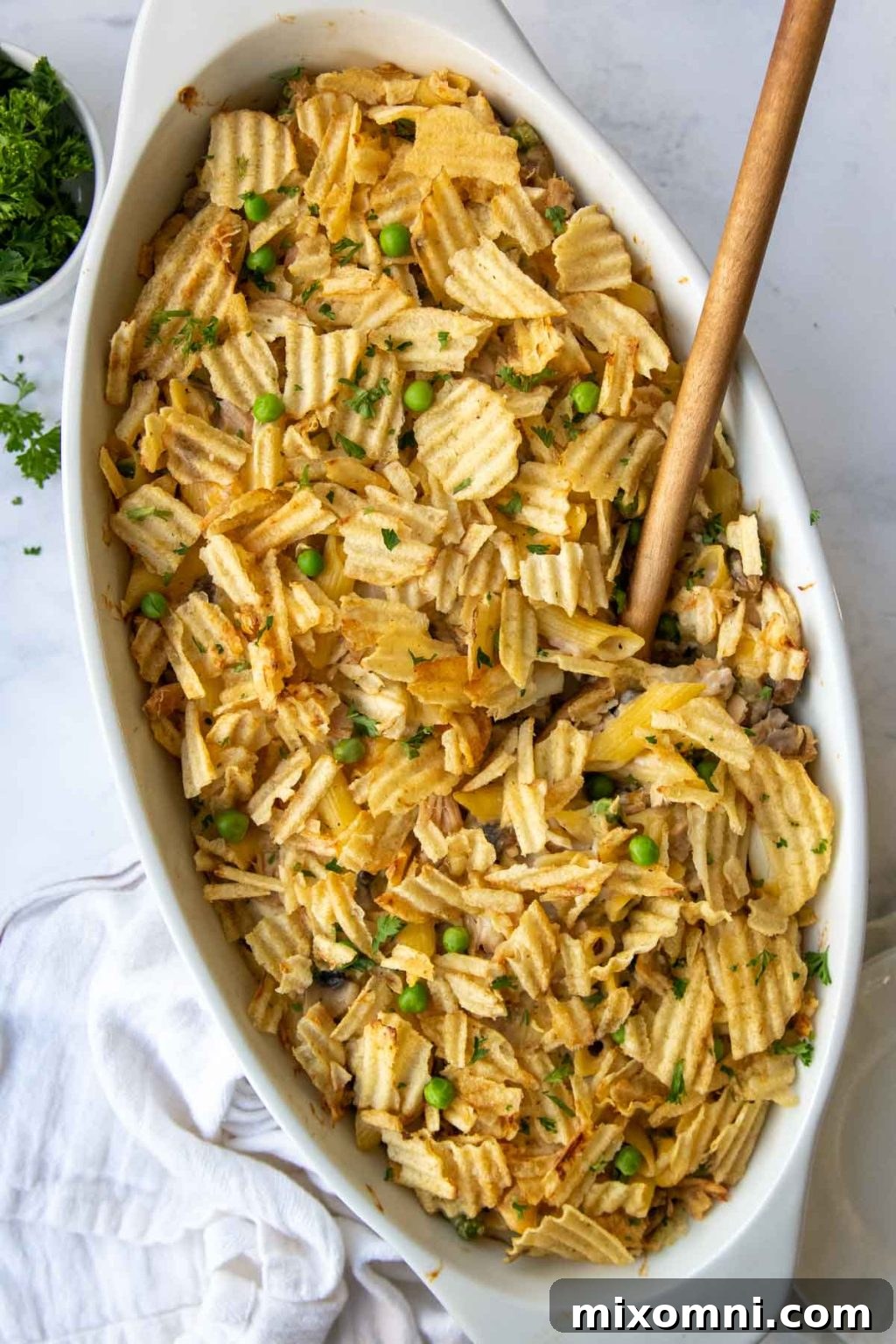
Casseroles featuring crispy toppings, such as bread crumbs, French fried onions, or crushed potato chips (like in this old-fashioned tuna noodle casserole), present a unique challenge during reheating. The goal is to warm the casserole through without making the topping soggy, and then restore its coveted crispness.
Follow these steps to ensure your crispy topping comes back to life:
- Initial Reheating (Covered): Just like other casseroles, begin by reheating the dish with the foil tightly on top. This protects the topping from getting overly dry or burned while the interior warms up. Reheat in a 350ºF (175ºC) oven until the casserole is almost entirely hot throughout.
- Remove Foil and Increase Heat: Once the casserole’s internal temperature is near 165ºF (74ºC), carefully remove the aluminum foil. If desired, you can slightly increase the oven temperature to 375ºF (190ºC) to encourage faster crisping.
- Add Fresh Topping (Optional but Recommended): For the best results in restoring crunch, consider adding a fresh layer of your chosen crispy topping (more bread crumbs, crushed chips, or fried onions) at this stage. This enhances both flavor and texture.
- Final Bake Uncovered: Return the uncovered casserole to the oven for an additional 5-10 minutes, or until the topping becomes golden brown and crispy to your liking. Keep a close eye on it to prevent burning, as toppings can brown quickly.
By following this method, you can enjoy a perfectly reheated casserole with a beautifully restored, crunchy topping that rivals its freshly baked counterpart.
Reheating Casseroles with Cheesy Toppings for Golden Perfection
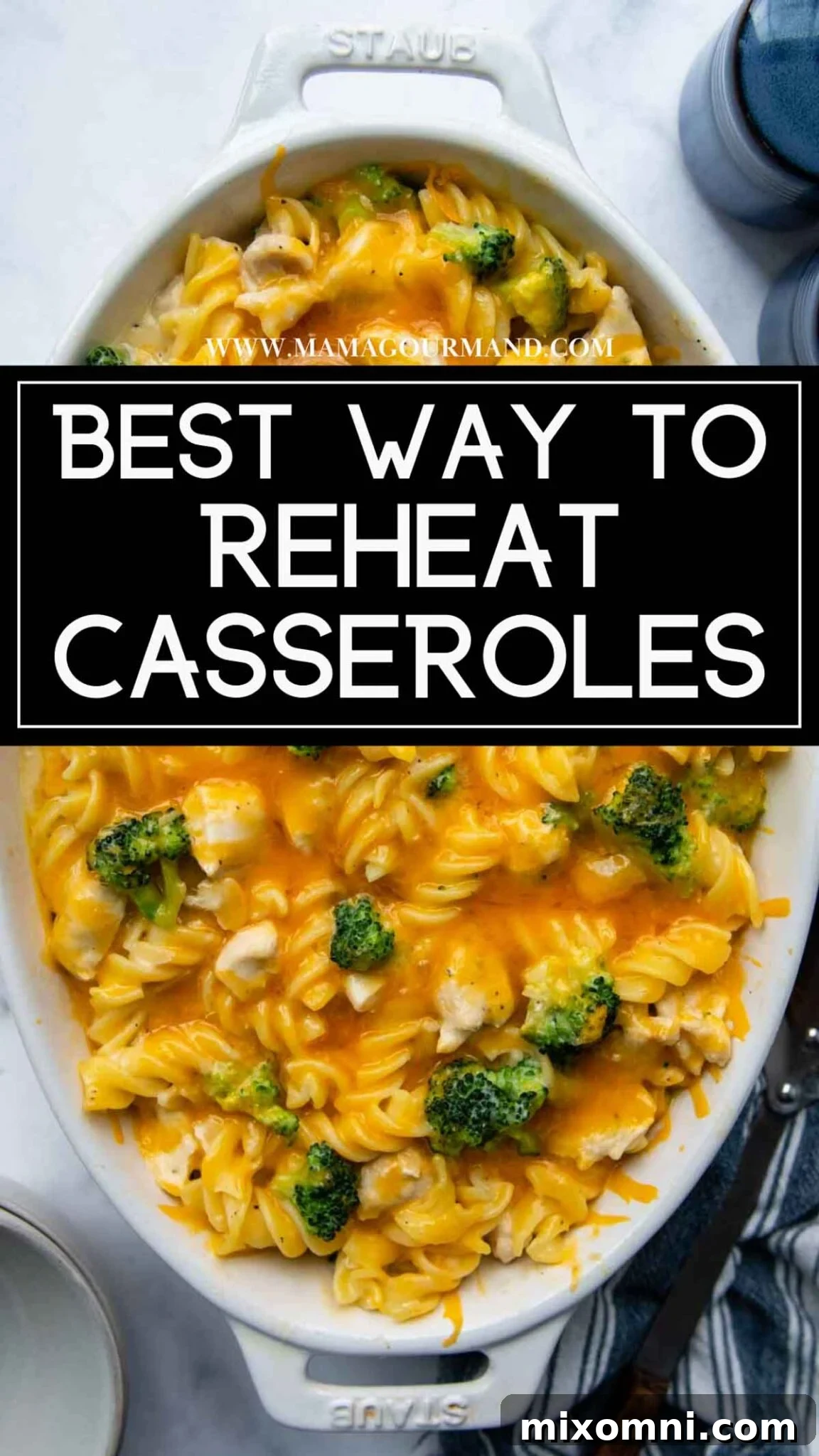
Reheating a casserole adorned with a rich, melted cheesy topping, such as a chicken and broccoli bake, requires a specific approach to ensure the cheese becomes gloriously golden and bubbly again, rather than dry and rubbery.
Here’s how to achieve cheesy perfection:
- Cover with Foil (with a Pro Tip!): Always start by covering your cheesy casserole tightly with aluminum foil before placing it in the oven. This traps moisture and prevents the cheese from burning or drying out while the casserole underneath reheats.
- PRO TIP: Before placing the foil over the dish, lightly spray the underside of the aluminum foil with a nonstick cooking spray. This crucial step prevents any melted cheese from sticking to the foil, ensuring a clean lift-off and preserving the integrity of your cheesy crust.
- Initial Reheating: Reheat the covered casserole in a 350ºF (175ºC) oven until the internal temperature reaches 165ºF (74ºC), indicating it’s thoroughly warmed.
- Uncover and Brown: Once the casserole is properly reheated, carefully remove the foil.
- Add More Cheese (Optional): For an extra decadent experience and to truly bring back that “freshly baked” feel, consider sprinkling an additional layer of shredded cheese over the top at this point.
- Final Bake Uncovered: Return the uncovered casserole to the oven for an additional 5-10 minutes. Watch closely as the cheese melts, bubbles, and turns a beautiful golden brown. This final uncovered bake creates that irresistible bubbly, slightly crispy cheese crust that makes casseroles so appealing.
With these steps, your cheesy casserole will be just as gooey, rich, and appealing as the very first time you served it.
Best Tips to Avoid a Dried-Out Casserole
The cardinal sin of reheating casseroles is serving a dry, unappetizing dish. Fortunately, with a few proactive measures, you can consistently prevent your casseroles from losing their precious moisture and flavor. These tips are designed to ensure your leftovers are just as good, if not better, than their original state.
- Start with Room Temperature: As emphasized, allowing your casserole to come to room temperature before placing it in the oven is one of the most effective strategies. This significantly reduces the required baking time, which in turn minimizes the window for moisture evaporation. A shorter bake means a juicier casserole.
- Always Cover with Foil: This is a non-negotiable step for most of the reheating process. Covering the baking dish with aluminum foil creates a miniature steamy environment inside. The trapped moisture condenses back into the dish, effectively rehydrating the casserole and preventing its surface from drying out. It also helps the casserole warm more evenly.
- Add Extra Moisture for Creamy Dishes: If your casserole is particularly creamy, contains a rich sauce, or features pasta or rice, such as baked mac and cheese or chicken tetrazzini, it might benefit from a little extra help. Before reheating, add a splash (1-2 tablespoons) of milk, cream, broth, or water over the top. This additional liquid will rehydrate the creamy elements and ensure the sauce remains luscious and smooth, bringing the dish back to its original glory.
- Use Proper Oven Temperature: Reheat casseroles at a moderate temperature, typically 350ºF (175ºC). High temperatures can cause the exterior to dry out or burn before the interior is heated through. A gentle, even heat is always preferred.
- Avoid Over-Reheating: Once your casserole reaches an internal temperature of 165ºF (74ºC), it is safely heated and ready to serve. Prolonged heating beyond this point will only lead to dryness and a degraded texture.
By incorporating these simple yet powerful tips into your reheating routine, you can confidently transform your leftover casseroles into a delectable meal every single time, free from the disappointment of dryness.
Why Reheating Casseroles in the Oven is Superior
While the microwave offers speed, and a stovetop can work for certain dishes, the oven stands out as the superior method for reheating most casseroles. Its advantages are manifold, directly impacting the quality and enjoyment of your revived meal.
- Even Heating: The oven provides a consistent, ambient heat that envelops the entire casserole. This ensures that heat penetrates gradually and evenly from all sides, preventing the dreaded “hot spots” and “cold spots” often found in microwave-reheated dishes. The result is a uniformly warm casserole, from edge to center.
- Texture Preservation: One of the oven’s greatest strengths is its ability to maintain and even restore the casserole’s original texture. Unlike microwaves that can make food rubbery or soggy by exciting water molecules, the oven’s dry heat, when combined with proper covering, gently rewarms ingredients. This means pasta stays tender, vegetables retain some bite, and meats remain succulent.
- Crispness and Browning: For casseroles with crispy or cheesy toppings, the oven is indispensable. By removing the foil towards the end, you can achieve that golden-brown, bubbly cheese crust or a satisfyingly crunchy topping that the microwave simply cannot replicate. This textural contrast is a hallmark of a great casserole.
- Flavor Development: Gentle reheating in the oven allows the flavors within the casserole to meld and deepen without becoming muted or altered, as can sometimes happen with rapid microwave heating. The ingredients have time to gently warm and release their aromas, making the casserole taste fresh and vibrant.
- Scale and Convenience: The oven is perfect for reheating entire casseroles, making it ideal for family meals or entertaining. You can place a large dish in the oven and let it do its work, freeing you up to attend to other tasks.
For a truly satisfying leftover experience that honors the original dish, the oven remains the undeniable champion for reheating casseroles.
Proper Storage for Optimal Casserole Reheating
The journey to a perfectly reheated casserole begins long before it hits the oven – it starts with how you store your leftovers. Proper storage is critical for maintaining flavor, texture, and most importantly, food safety.
- Cool Quickly: Once your casserole is finished cooking, do not leave it at room temperature for more than two hours. Divide large portions into smaller, shallow containers to help them cool down faster. This prevents bacteria from multiplying rapidly in the “danger zone” (40°F to 140°F or 4°C to 60°C).
- Airtight Containers: Transfer cooled casserole leftovers to airtight containers. This prevents air exposure, which can lead to dryness, freezer burn, and absorption of other refrigerator odors. Glass containers are excellent as they can often go directly from the fridge to the oven (check manufacturer instructions).
- Refrigeration: Store refrigerated casseroles for up to 3-4 days. Labeling with the date cooked is a good habit to ensure you consume them within the safe window.
- Freezing for Longer Storage: Casseroles are excellent candidates for freezing. For best quality, wrap the cooled casserole tightly in plastic wrap, then an additional layer of aluminum foil, or place it in a freezer-safe, airtight container. This double layer of protection is essential for preventing freezer burn.
- Portioning: Consider freezing casseroles in individual portions. This makes thawing and reheating much more convenient, as you only take out what you need.
- Labeling: Always label frozen casseroles with the dish name and the date it was frozen. Most casseroles can be stored in the freezer for 2-3 months while maintaining good quality.
By following these storage guidelines, you not only ensure the safety of your food but also set the stage for a delicious and hassle-free reheating experience later on.
Reheating Considerations for Different Casserole Types
While the general principles of oven reheating apply broadly, specific types of casseroles might benefit from slight adjustments to achieve optimal results. Understanding these nuances can further elevate your reheating game.
- Pasta Casseroles (e.g., Lasagna, Baked Ziti): These are prone to drying out or becoming too firm. Always cover tightly with foil. If reheating from frozen, ensure ample thawing time. Adding a splash of extra sauce, broth, or water before reheating is highly recommended to rehydrate the pasta and keep it tender.
- Meat-Based Casseroles (e.g., Shepherd’s Pie, Chicken Pot Pie): These tend to retain moisture well, especially if they have a saucy base. Ensure they are thoroughly heated to 165ºF (74ºC) internal temperature. If there’s a pastry or potato topping, uncover for the last 10-15 minutes to crisp it up.
- Vegetable Casseroles (e.g., Green Bean Casserole): These can become watery or mushy if overcooked. Reheat gently, keeping them covered. If a crispy onion topping is desired, add fresh fried onions towards the end of reheating.
- Breakfast Casseroles (e.g., Egg and Sausage Bake): Eggs can easily become rubbery if overheated. Keep these covered throughout most of the reheating process to maintain moisture. A slightly lower temperature (e.g., 325ºF/160ºC) might be beneficial for a gentler reheat, especially if they contain delicate ingredients.
- Rice-Based Casseroles (e.g., Chicken and Rice Casserole): Similar to pasta, rice can become hard or dry. Covering is essential, and a tablespoon or two of broth or water can help rehydrate the rice grains and prevent them from becoming crunchy.
By being mindful of your casserole’s main ingredients, you can fine-tune your reheating strategy for consistently outstanding results across the board.
Conclusion: Master Your Casserole Reheating
Reheating a casserole doesn’t have to be a culinary challenge that ends in disappointment. By embracing these simple yet effective techniques, you can transform your leftovers into a meal that’s just as comforting and delicious as when it first emerged from the oven. From the careful process of bringing your casserole to room temperature to understanding the nuances of covering versus uncovering, and adapting for crispy or cheesy toppings, every step contributes to the ultimate goal: a perfectly moist, evenly heated, and flavorful dish.
Remember these key takeaways:
- Temperature Management: Always aim for room temperature before reheating in a moderate 350ºF (175ºC) oven.
- Moisture Preservation: Foil is your best friend. Keep casseroles covered to trap steam and prevent drying.
- Texture Revival: Uncover only at the end to crisp up toppings or brown cheese.
- Food Safety First: Ensure an internal temperature of 165ºF (74ºC) for safe consumption.
Armed with this comprehensive guide, you are now equipped to confidently reheat any casserole, transforming yesterday’s dinner into today’s gourmet delight. Never again fear the leftover casserole – embrace it, enhance it, and enjoy every single savory bite!
Save these easy tips for how to reheat a casserole in oven to your Pinterest board!
Let’s be friends on Pinterest! I’m always sharing great recipes!