
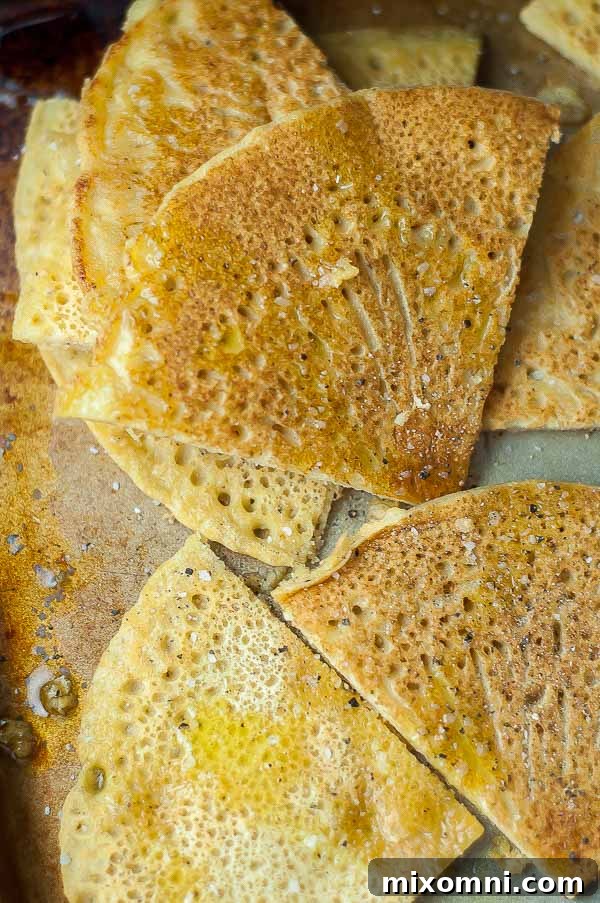
Socca, also known as Farinata, is a culinary marvel that transforms humble chickpea flour into a delightful, versatile, and satisfying flatbread. This naturally gluten-free and vegan recipe requires just five basic ingredients and comes together in mere minutes, making it an ideal choice for busy individuals seeking wholesome and delicious options. Whether you’re looking for a quick snack, a complementary side to your favorite meal, or a sturdy base for a gourmet pizza, socca delivers on all fronts, promising a flavorful experience that’s both easy to make and incredibly adaptable.
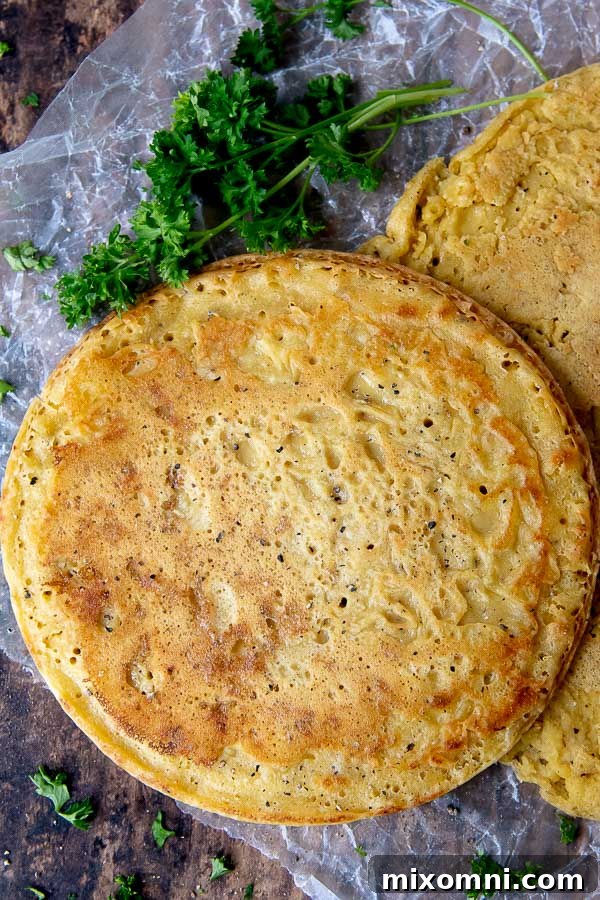
Socca (Farinata) Flatbread: A Gluten-Free & Vegan Revelation for Your Kitchen
For those navigating the often-challenging landscape of gluten-free or vegan diets, the quest for a truly satisfying bread or pizza base can feel like a never-ending journey. Many substitutes fall short in texture, flavor, or require a lengthy list of expensive, specialized ingredients and a significant time commitment. This is precisely where socca steps in as a true culinary hero, offering a delicious, accessible, and incredibly fast solution that might just become your new kitchen staple.
My own discovery of socca was nothing short of a revelation, a moment that truly changed my approach to gluten-free baking. It all started during an enlightening interview on NPR’s Fresh Air, where Terry Gross (a personal favorite) spoke with chefs from America’s Test Kitchen about their groundbreaking publication, “The How Can it Be Gluten Free Cookbook.” Their description of a cookbook where every gluten-free recipe had to be better than its traditional gluten-containing counterpart immediately captivated my attention. I ordered it on the spot, and once it arrived, this extraordinary socca recipe transformed my perception of what gluten-free cooking could be. It quickly became a beloved, constant presence in my kitchen, proving that delicious, healthy, and easy can indeed coexist.
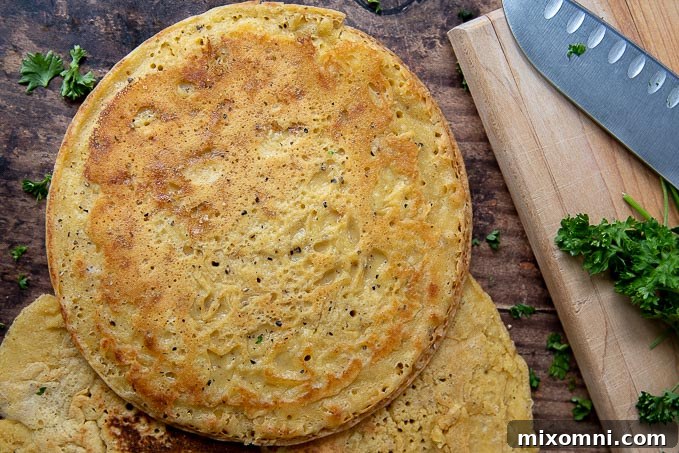
At its heart, socca is a testament to simplicity and natural goodness. Crafted from just five essential ingredients – chickpea (garbanzo bean) flour, water, olive oil, salt, and a dash of pepper – it’s remarkably easy to prepare. The thin, fluid batter is poured onto a sizzling hot griddle, much like making pancakes, and quickly cooked until golden and crisp. A swift flip, and in mere minutes, you have a warm, fresh flatbread ready to be enjoyed. This simple preparation yields a wonderfully versatile base perfect for open-faced sandwiches, dipping into flavorful spreads, or transforming into a quick, satisfying pizza. Forget about long proofing times or complex kneading processes; socca is designed for immediate gratification without compromising on flavor or texture.
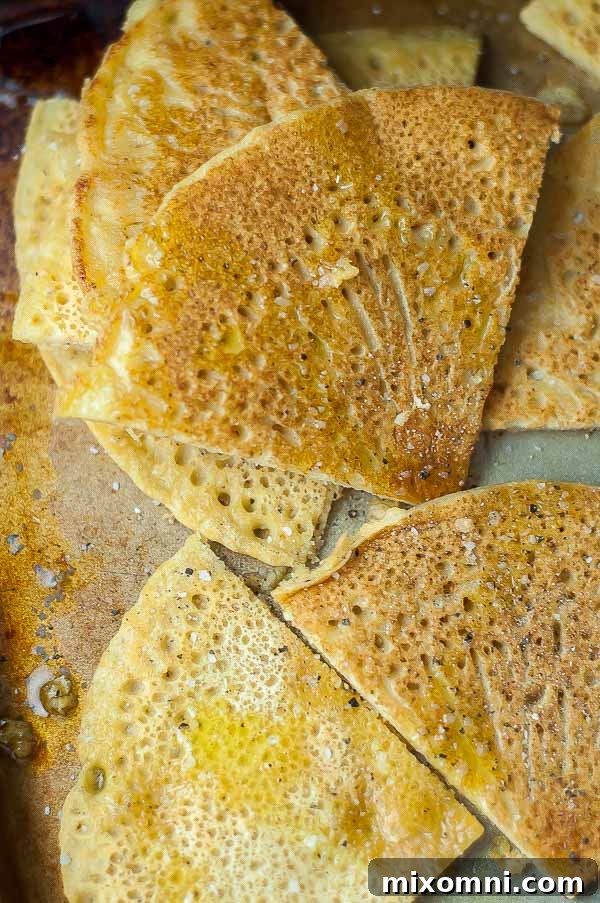
Understanding Socca and Farinata: A Brief Culinary Journey into Mediterranean Delights
If you’re new to the world of socca, allow me to introduce you to this delightful culinary tradition. Socca, often interchangeably known as farinata flatbread, is a naturally unleavened bread. Its fundamental components are chickpea flour, water, olive oil, and various seasonings, which together create a remarkably flavorful and nutrient-dense base. This simple yet profound combination has been enjoyed for centuries in the Mediterranean region, particularly in Southern France and Italy, where it has evolved into distinct regional specialties.
The French Socca: Thin, Crispy, and Authentically Provençal
In Southern France, especially around the vibrant city of Nice and the broader Provence-Alpes-Côte d’Azur region, socca is a cherished ethnic street food. Traditional French socca is characteristically thin and very crisp, often resembling a large, savory pancake or a delicate crepe. It’s typically cooked in large, round copper pans in blazing hot wood-fired ovens, giving it a distinct smoky flavor and an irresistible char. The authentic experience of enjoying socca involves eating it piping hot and fresh, usually seasoned simply with a generous grind of black pepper, torn into irregular pieces straight from the pan. It’s a humble yet utterly satisfying snack, deeply embedded in the local culture, often enjoyed with a glass of rosé wine.
Italian Farinata: Thicker, Heartier, and Perfect for Toppings
Across the border in Italy, particularly in the Liguria region (which includes Genoa and Savona), a very similar dish is known as farinata. While sharing the same core ingredients as socca, farinata is often prepared with a slightly thicker consistency. This difference in thickness lends itself to a more substantial texture, making it perfect for holding various toppings. Italian farinata is frequently enjoyed as a rustic pizza base, piled high with fresh vegetables, robust cheeses (for non-vegan versions), or slathered with vibrant homemade pesto. Its heartier nature also makes it a popular accompaniment to meals, soaking up rich sauces and adding a delightful, satisfying texture. Other Italian regions have their own versions, like cecina in Tuscany or panelle in Sicily, all celebrating the versatility of chickpea flour.
Both socca and farinata represent a wonderful testament to regional culinary ingenuity, showcasing how simple, accessible ingredients can be transformed into something truly special and nourishing. Their inherent gluten-free and vegan qualities have made them increasingly popular globally as people seek out healthier and more inclusive food options that don’t compromise on taste or tradition. It’s truly a celebration of minimal ingredients yielding maximum flavor.
Versatile Ways to Serve Your Homemade Socca Flatbread
The beauty of socca lies not just in its simple preparation but also in its incredible versatility. Just like other wholesome, gluten-free, and vegan flatbread options, there are countless delicious and practical ways to incorporate this recipe into your daily meals and snacks. Its neutral yet subtly nutty flavor provides a fantastic canvas for both sweet and savory applications. Here are some inspiring ideas to get you started, proving just how indispensable socca can be in your kitchen:
- Perfect for Dips & Spreads: Pan-fry cut wedges until extra crispy, making them ideal for scooping up creamy hummus, smoky baba ghanoush, spicy muhammara, or any of your favorite flavorful dips and spreads. They also make fantastic, sturdy gluten-free crostini when topped with bruschetta or tapenade.
- Elevate Your Salads: Serve socca alongside a fresh, vibrant salad to soak up every last drop of glorious dressing. Its texture and subtle flavor complement a wide range of salad profiles, from a simple garden salad to a robust Mediterranean mix. Break it into smaller pieces for a satisfying crunch.
- Quick & Elegant Snack: For an effortless and wholesome snack, simply drizzle warm socca with high-quality extra virgin olive oil, a sprinkle of flaky sea salt, and fresh herbs like rosemary or thyme, or spread a layer of vibrant homemade pesto. It’s a delightful treat that feels gourmet but takes minutes.
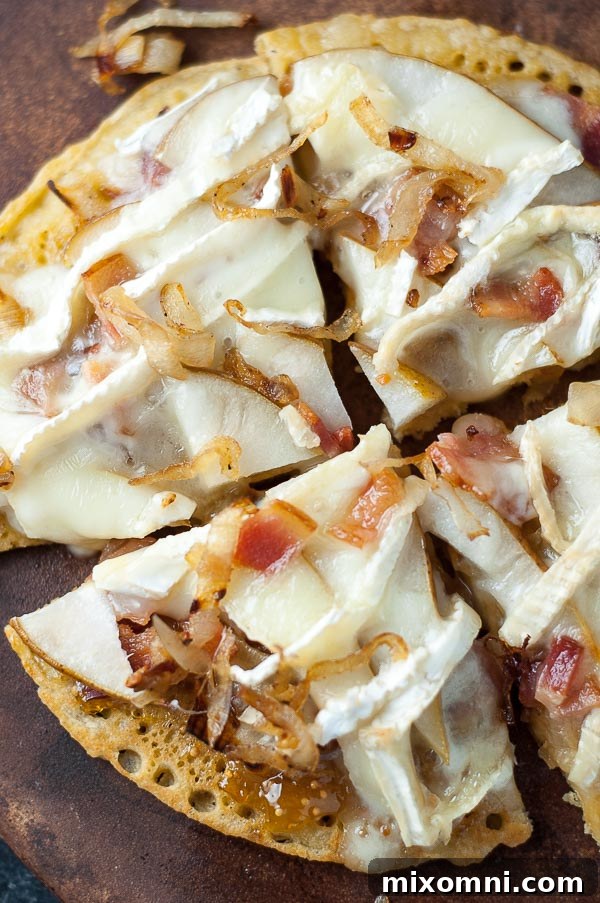
- The Ultimate Gluten-Free Pizza Crust: This is where socca truly shines! Use a larger socca pancake as an instant, incredibly flavorful, and naturally gluten-free pizza crust. Its sturdy nature holds up beautifully to generous toppings. Pile on your favorite sauce, cheese (dairy or vegan), and an array of vegetables or plant-based proteins for an easy weeknight meal that everyone will love.
- Open-Faced Sandwiches & Paninis: Transform socca into a versatile base for open-faced sandwiches. Top with avocado and everything bagel seasoning, roasted vegetables, or a chickpea salad. You can also grill it like a panini, pressing it with your favorite fillings for a warm, comforting bite with a crispy exterior.
- Homemade Croutons: Don’t let leftover socca go to waste! Cut it into small cubes, toss with olive oil and your favorite seasonings (garlic powder, Italian herbs), then bake or pan-fry until golden and delightfully crunchy. These make fantastic, flavorful gluten-free croutons for enriching soups and adding texture to salads.
- Healthy Wrap Alternative: When fresh and slightly warm, socca is pliable enough to be used as a healthier, gluten-free alternative to traditional wraps. Fill it with fresh greens, grilled vegetables, or a plant-based protein for a light and satisfying meal on the go.
Mastering Socca / Farinata Pizza: Your Gluten-Free Dream Come True
For many following a gluten-free or vegan diet, the thought of pizza night often conjures up feelings of disappointment. Bland, crumbly, or overly chewy crusts can turn what should be a joyful meal into a letdown. But with socca, those days are definitively over! Socca (or farinata) offers an incredible solution, providing a naturally gluten-free, crispy, and flavorful base that makes pizza night exciting again. If you have chickpea (garbanzo bean) flour on hand, you’re just minutes away from a fantastic homemade pizza that rivals any traditional version.
Making a delicious socca pizza is straightforward and adaptable to your kitchen setup, whether you have specialized equipment or prefer a simpler approach. Here’s how to achieve pizza perfection:
- Prepare Your Socca Base: Begin by cooking your farinata/socca according to the basic recipe provided further down. For pizza, you might opt for a slightly thicker, larger pancake if you prefer a more substantial crust. Once cooked and slightly cooled, place the round flatbread on a piece of parchment paper. This will make assembling toppings and transferring it to and from the oven much easier and mess-free.
- Add Your Favorite Toppings: Now comes the fun part – unleashing your creativity! Spread your preferred pizza sauce (tomato, pesto, white sauce), add your choice of cheese (dairy or vegan mozzarella, parmesan, feta), and layer on all your favorite pizza toppings. Think fresh vegetables, herbs, olives, sun-dried tomatoes, or plant-based meats.
- High Heat Baking with a Pizza Stone (Recommended for Crispness): For the crispiest, most authentic pizza experience, preheat your oven to a high temperature, around 500ºF (260ºC), with a pizza stone inside. Allowing the stone to heat thoroughly for at least 30-45 minutes ensures a perfectly cooked, beautifully charred crust, mimicking a traditional pizza oven.
- Bake to Perfection: Once both the oven and stone are scorching hot, carefully transfer the parchment paper with your assembled socca pizza onto the hot pizza stone. A pizza peel is incredibly useful for easily sliding it on without disturbing your toppings. Bake for approximately 5-7 minutes, or until the cheese is bubbly and golden, and the crust is perfectly crisp. Keep a close eye on it to prevent burning.
- Alternative Baking Method (Without a Pizza Stone): If you don’t own a pizza stone, don’t despair! A heavy-duty cast iron skillet can work wonders. Ensure the skillet is hot before placing the pizza in it. Alternatively, for an even simpler approach, the farinata pizza can be baked directly on a preheated oven rack at a slightly lower temperature of 425ºF (220ºC). This method still yields a delicious result, though perhaps slightly less crispy than with a stone.
The beauty of socca pizza is its adaptability. Anything goes for toppings! Don’t limit yourself to traditional combinations. Here are some creative and delicious recipe inspirations to spark your culinary imagination, suitable for various tastes and dietary preferences:
- Pear, Brie, and Bacon Socca Pizza with Caramelized Onion (easily adapted to vegan with plant-based alternatives)
- Spinach, Crispy Prosciutto, and Egg Farinata Pizza (use vegan prosciutto and scramble tofu for a plant-based twist)
- Socca Pizza with Summer Squash and Feta
- Lemon Herb Farinata Pizza
- Chickpea Flour Pizza with Tomato and Parmesan
- Mediterranean Inspired: Top with sun-dried tomatoes, Kalamata olives, fresh basil, roasted red peppers, and a sprinkle of vegan feta cheese. Drizzle with a touch of balsamic glaze after baking.
- Spicy Veggie Delight: Create a vibrant pizza with roasted red peppers, thinly sliced jalapeños, red onion, and a generous drizzle of chili oil for a kick.
- Mushroom & Thyme: Sautéed mixed mushrooms with garlic and fresh thyme, topped with a plant-based mozzarella and a sprinkle of truffle salt.
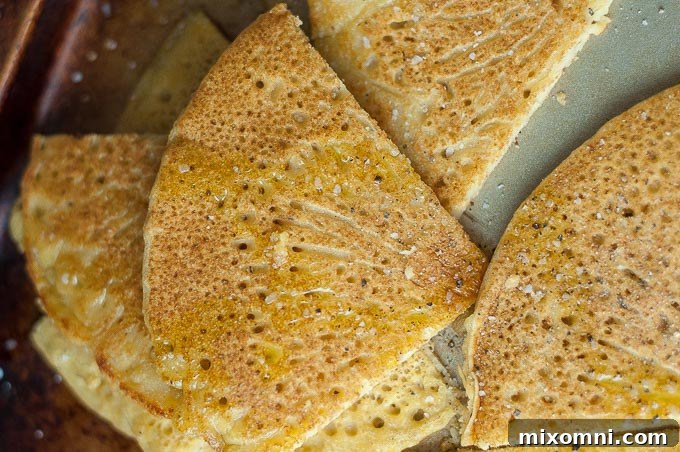
Making Socca Together: Step-by-Step Guidance for Perfect Flatbread
Creating socca is a wonderfully simple process that yields incredibly rewarding results. Follow these easy, detailed steps, accompanied by visual aids (refer to the images below), to master this delicious chickpea flatbread. For precise ingredient measurements and the full recipe details, please scroll down to the complete recipe card.
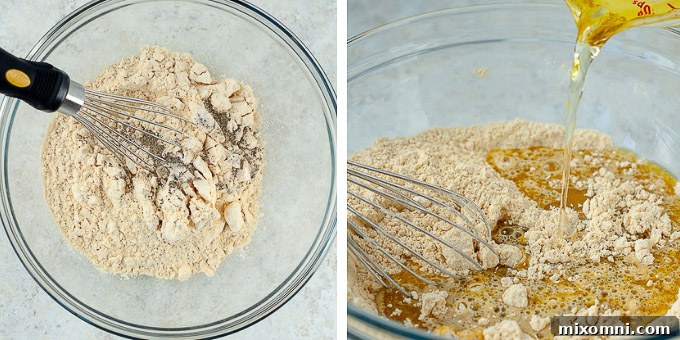
- Combine Dry Ingredients: In a medium-sized mixing bowl, thoroughly whisk together the chickpea (garbanzo bean) flour, salt, and pepper until all components are well combined. This step ensures an even distribution of seasonings and helps prevent lumps when wet ingredients are added.
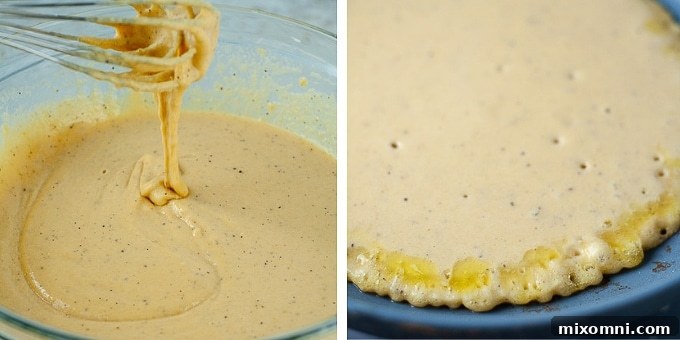
- Add Wet Ingredients: Gradually whisk in the measured water and 3 tablespoons of extra virgin olive oil to the dry mixture. Continue whisking diligently until the batter is completely smooth and free of any remaining flour lumps. The consistency of the batter will be quite thin and runny, much like a crepe batter rather than a traditional pancake mix. This thinness is absolutely essential for achieving the characteristic crispness of socca.
- Prepare the Skillet: Heat about one tablespoon of olive oil in a non-stick 8-inch skillet over medium to medium-high heat. It is critical for the pan and oil to be thoroughly hot and shimmering before you add the batter. This high heat ensures a perfect, immediate sear, which prevents the socca from sticking and helps create those coveted crispy edges.
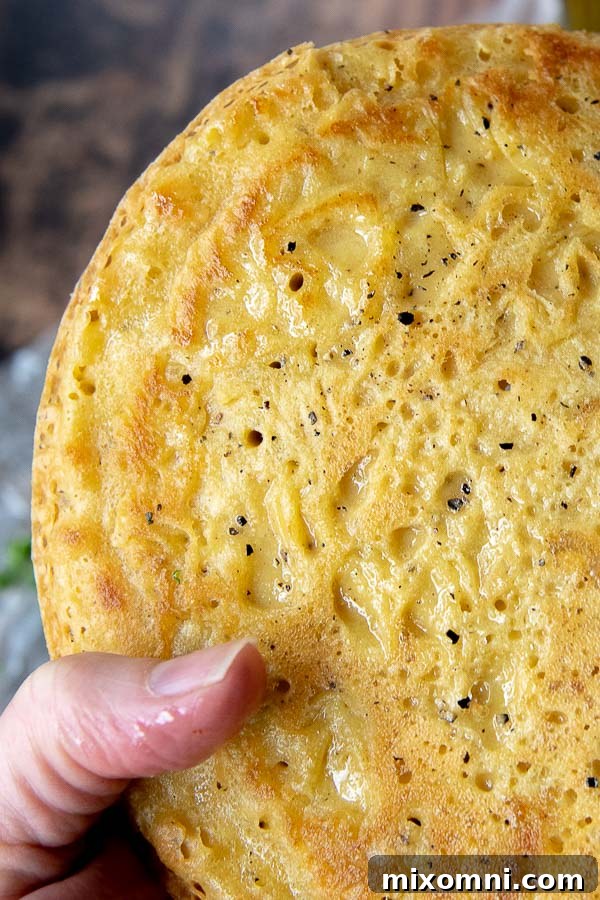
- Cook the Socca: Once the skillet is hot, pour approximately half a cup of the thin socca batter into the pan. Quickly tilt and swirl the pan to spread the batter evenly across the entire bottom surface, forming a thin, round pancake. Cook undisturbed for about 3 minutes on the first side, or until the edges appear set, slightly crisp, and the bottom has turned a deep, inviting golden brown. You will likely see small bubbles forming on the surface as it cooks.
- Flip and Finish: With a wide, thin spatula, carefully flip the socca pancake to its second side. Continue to cook for another 2 minutes, or until this side is also beautifully browned and the entire flatbread is cooked through. The exact cooking time may vary slightly depending on the heat of your stove and the thickness of your pan, so use visual cues for doneness.
- Repeat for Remaining Batter: Once cooked, transfer the socca to a wire rack to cool slightly. If you’re making a batch, you can place it in a 200ºF (95ºC) oven to keep it warm while you cook the remaining batter. Remember to add a little more olive oil to the skillet as needed for each new pancake to maintain non-stick properties and crispness.
Optimal Storage and Reheating Tips for Your Homemade Socca
One of the many convenient aspects of socca is how well it stores, allowing you to enjoy this versatile flatbread throughout the week or even stock up your freezer for future quick meals. Proper storage ensures your leftover socca remains delicious and ready whenever you are, minimizing waste and maximizing convenience.
- Cool Completely Before Storing: Before you even think about wrapping or freezing, ensure that your freshly cooked socca has cooled down completely to room temperature. Storing warm food, especially flatbreads, can create unwanted condensation, which leads to a soggy texture and can shorten its shelf life.
- Individual Wrapping for Freezing: For optimal freshness and to prevent the socca pancakes from sticking together in the freezer, wrap each individual socca flatbread tightly in plastic wrap. This barrier helps protect it from freezer burn, preserves its delicate texture, and makes it easy to grab just one piece at a time.
- Freeze for Longer Storage: Once individually wrapped, place the socca pancakes into a gallon-sized freezer bag or an airtight freezer-safe container. Make sure to press out any excess air from the bag. Label with the date and freeze for up to 3 months. This is a fantastic strategy for meal prepping and having a healthy, gluten-free option readily available.
- Reheating from Frozen or Thawed:
- Oven or Toaster Oven Method (Recommended for Crispness): For the best, crispiest reheat, place frozen or thawed socca directly onto an oven rack or into a toaster oven preheated to 400ºF (200ºC). Bake for approximately 5 minutes, or until the socca is thoroughly warmed through and its edges have regained their desired crispness.
- Skillet Method (Quick and Effective): Alternatively, you can heat a skillet over medium-high heat with a small splash of olive oil. Quickly fry the socca for about 1-2 minutes per side until it’s hot and crisp. This method is excellent for quickly restoring that fresh-from-the-pan texture and warmth.
Having a batch of frozen socca on hand is incredibly convenient for spontaneous pizzas, a quick accompaniment to a hearty soup, or a last-minute healthy snack. It truly embodies the spirit of easy, healthy meal prep, ensuring you always have a delicious, versatile, gluten-free option at your fingertips.
Save This Easy Socca Recipe to Your Pinterest Board!
Let’s be friends on Pinterest! I’m always sharing delicious and inspiring recipes!
Did you make this recipe? I love hearing from you! Leave a star rating and comment below the recipe card. Your feedback helps others discover and enjoy our recipes, and I truly appreciate hearing from our wonderful community. You’ll always hear back from me! -Melissa
5-Ingredient Easy Socca Flatbread

Melissa Erdelac
5
5 minutes
15 minutes
20 minutes
Print Recipe
Pin Recipe
Rate Recipe
Remove Ads
Ingredients
- 1 1/2 cups (180.01 g) chickpea garbanzo bean flour
- 1 teaspoon (0.5 teaspoon) salt
- 1/2 teaspoon (0.5 teaspoon) pepper
- 1 1/2 cups (375 g) water
- 3 tbsp (3) extra virgin olive oil,, plus more for cooking
Instructions
-
Whisk chickpea flour, salt, and pepper together in a bowl. Whisk in water and 3 tablespoons olive oil until combined and smooth. The batter will be thin and runny.1 1/2 cups chickpea garbanzo bean flour,
1 teaspoon salt,
1/2 teaspoon pepper,
1 1/2 cups water,
3 tbsp extra virgin olive oil, -
Heat 1 tablespoon olive oil in non-stick 8-inch skillet over medium heat until shimmering. Add 1/2 cup batter to the skillet, tilting pan to coat bottom evenly. Cook until crisp at edges and darkly golden brown on bottom, about 3 minutes. Flip socca and continue to cook until second side is browned about 2 minutes more.
-
Transfer to a wire rack to cool or 200º oven to keep warm. Repeat with remaining batter and oil.
-
DID YOU MAKE THIS RECIPE?? DON’T FORGET TO LEAVE FEEDBACK AND/OR CLICK A STAR RATING ON THE RECIPE CARD
Notes
- Authentic socca / farinata recipes often recommend letting the batter rest for 30 minutes up to overnight to allow the chickpea flour to fully hydrate. While I’ve tried this method, I haven’t noticed a significant difference in the final product compared to cooking immediately. Feel free to experiment!
- It is crucial that your skillet and the added olive oil are HOT before you pour in the batter. This ensures a crisp exterior and prevents the socca from sticking.
- You’ll know it’s time to flip when the edges of the socca are set and firm, and small bubbles start to form in the middle of the pancake.
- This recipe is perfectly suited for making individual socca pancakes using an 8-inch non-stick frying pan or a flat griddle.
- For a Larger Farinata or Socca Pizza Crust (Oven Method): Preheat your oven to 400ºF (200ºC). Place a generously oiled 10-inch or 12-inch cast iron skillet on the stovetop and heat it over medium-high heat until very hot. Once the skillet is sizzling, carefully pour all the batter into the hot pan. Immediately transfer the pan to the preheated oven and bake for approximately 30 minutes, or until the farinata is set and golden. If the bottom seems to be browning too quickly before the top sets, you can briefly use the broiler for a minute or two to finish the top, watching carefully to prevent burning.
How to Make Socca / Farinata Pizza (Detailed Guide)
- Place your already cooked farinata (socca) on a piece of parchment paper. This will serve as your base for assembling and easily transferring the pizza.
- Generously assemble your desired toppings and cheese (if using) directly onto the cooked farinata.
- Preheat your oven to a high temperature of 500ºF (260ºC) with a pizza stone inside. Allowing the stone to get extremely hot is key for a crispy crust. (If you don’t have a pizza stone, a heavy-duty cast iron skillet can be used as an alternative, but be cautious when transferring the hot pizza!).
- Once the oven and pizza stone are thoroughly hot, use a pizza peel to easily slide the parchment paper with the assembled socca pizza directly onto the hot stone. Bake for an efficient 5-7 minutes, keeping an eye on it until the cheese is melted and bubbly, and the crust is perfectly golden and crisp.
Adapted from The How Can it Be Gluten Free Cookbook
Did you make this recipe?
Please leave a star rating and review below. It helps others when searching for recipes and I LOVE feedback!