
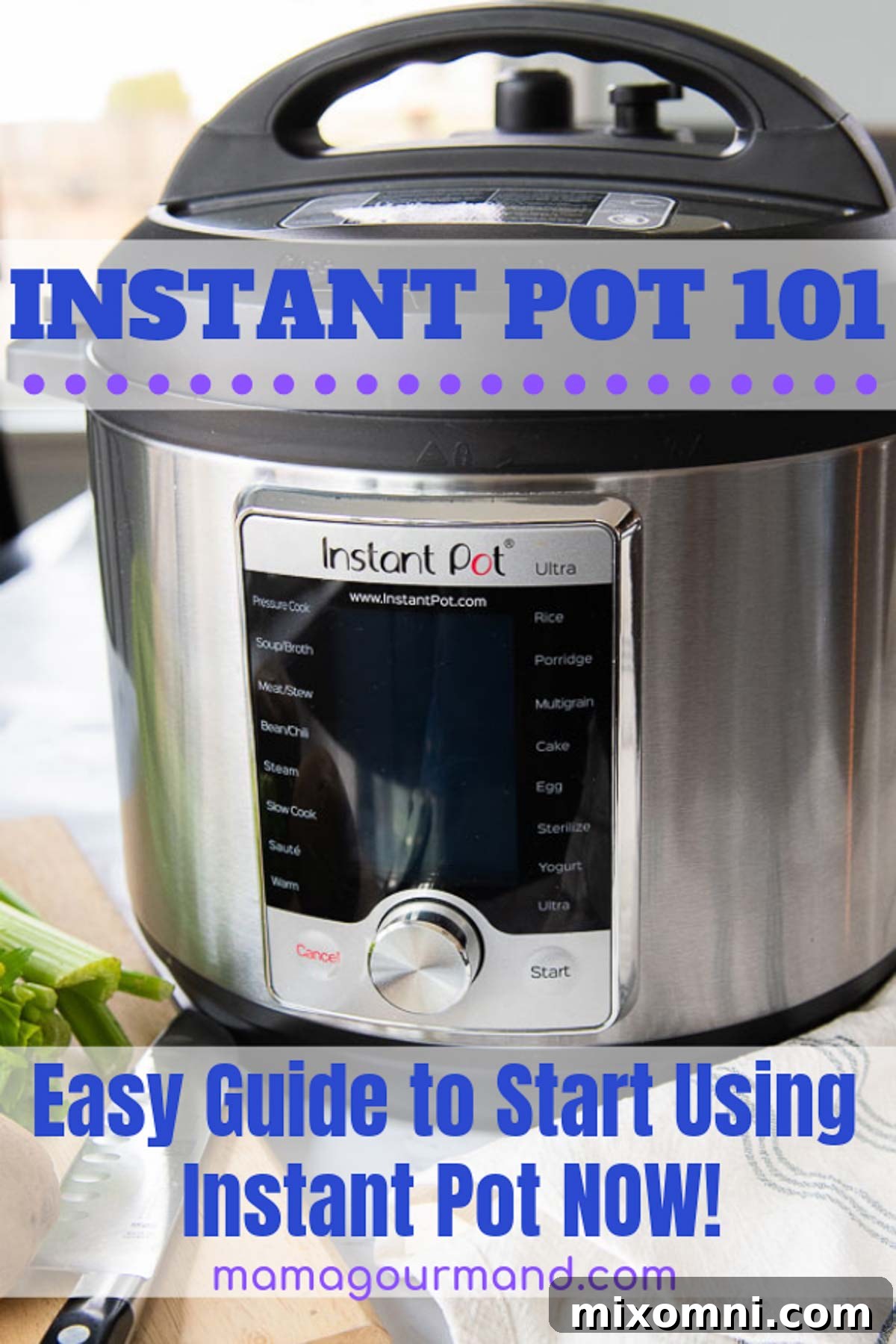
Embark on your culinary journey with an Instant Pot! This comprehensive, easy-to-follow guide demystifies the electric pressure cooker, transforming beginners into confident Instant Pot users in no time. Discover essential tips, clear instructions, and troubleshooting advice to master your new kitchen essential.
The buzz surrounding the Instant Pot is undeniable. Friends rave, recipes flood your social media, and eventually, you join the club. You acquire one, perhaps as a gift, or you treat yourself to this highly acclaimed “life-changing” appliance. Yet, it often sits there, brand new, still in its box, radiating a subtle aura of intimidation.
We understand that feeling. Unpacking a new pressure cooker can seem daunting, and finding the ‘right time’ to learn its intricacies often feels impossible. What you truly need is a straightforward, beginner-friendly tutorial to get started. This guide will help you unpack your Instant Pot, understand its core functions, and begin creating delicious meals, finally revealing why everyone is so enthusiastic about it.
Invest just a few minutes of your time, and you’ll soon be confidently navigating the world of pressure cooking, ready to whip up incredible dishes!
Getting Started: Your First Instant Pot Experience & The Water Test
Before diving into recipes, it’s highly recommended to perform a “Water Test.” This crucial first step helps you familiarize yourself with the Instant Pot’s operation, ensure it’s functioning correctly, and build your confidence without the pressure of cooking actual food. It’s a simple process that demonstrates how the Instant Pot builds and releases pressure.
Performing the Water Test:
- Add Water: Pour 2-3 cups of water into the stainless steel inner pot.
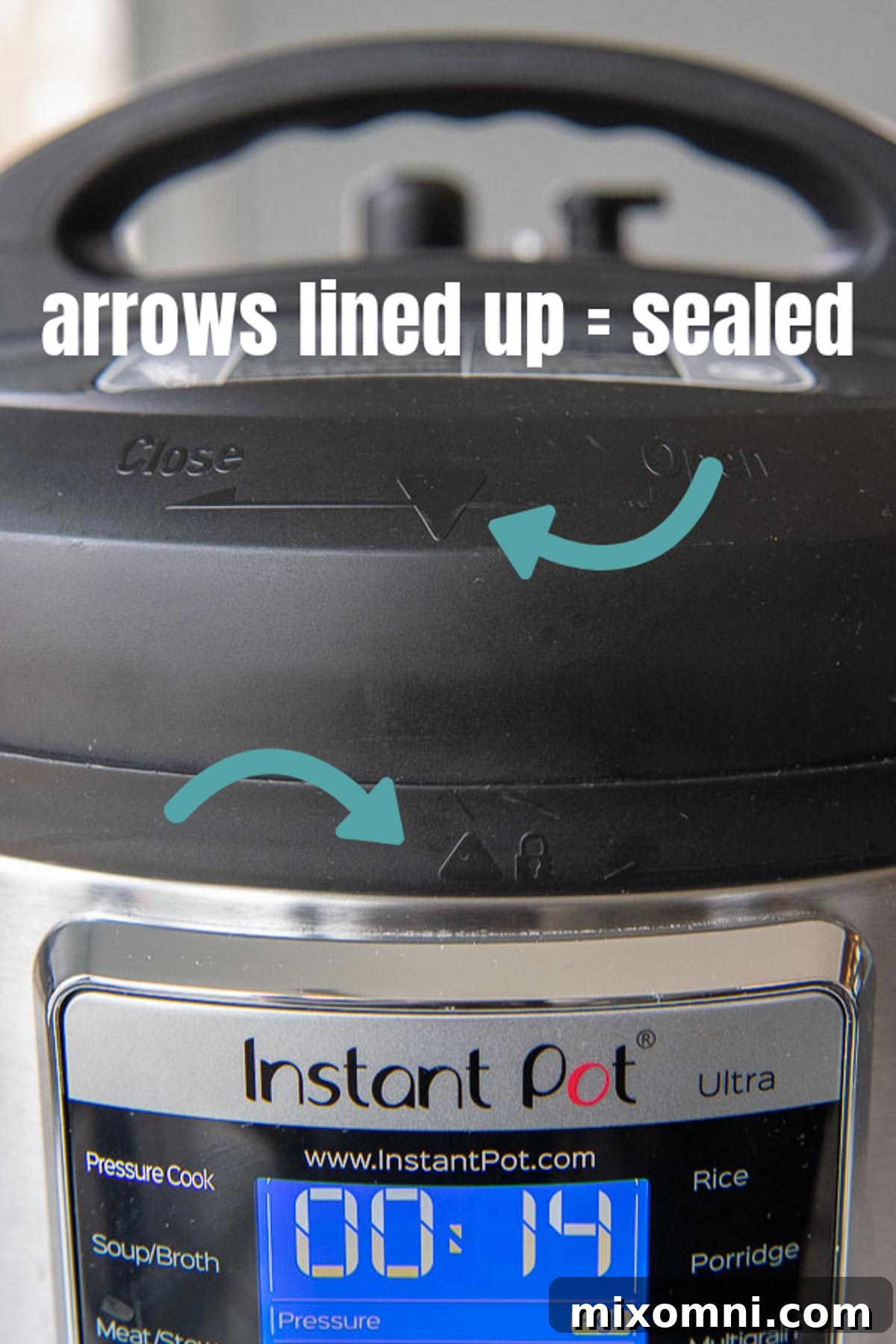
- Secure the Lid: Place the lid on the Instant Pot and turn it clockwise until it locks into place, aligning the lid arrow with the base arrow.
- Seal the Vent: Ensure the steam release handle (or valve) is turned to the “Sealing” position. Newer Instant Pot models often have a valve that automatically seals, but it’s always good to double-check this for safety.
- Select Pressure Cook: Press the “Pressure Cook” (or “Manual” on older models) button. Adjust the time to 2 minutes using the ‘+’ and ‘-‘ buttons. The pot will automatically begin pressurizing after a few seconds.
- Pressurization Phase: The Instant Pot will display “On” or “Heat” as it begins to pressurize. This stage can take anywhere from 5 to 20 minutes, depending on the model and the amount of liquid. You’ll hear a slight hiss as it vents air, and the float valve (a small metal pin next to the steam release valve) will rise and lock into place, indicating full pressure.
- Cooking Cycle: Once fully pressurized, the Instant Pot will emit a single beep, and the display will show the timer counting down from the 2 minutes you set.
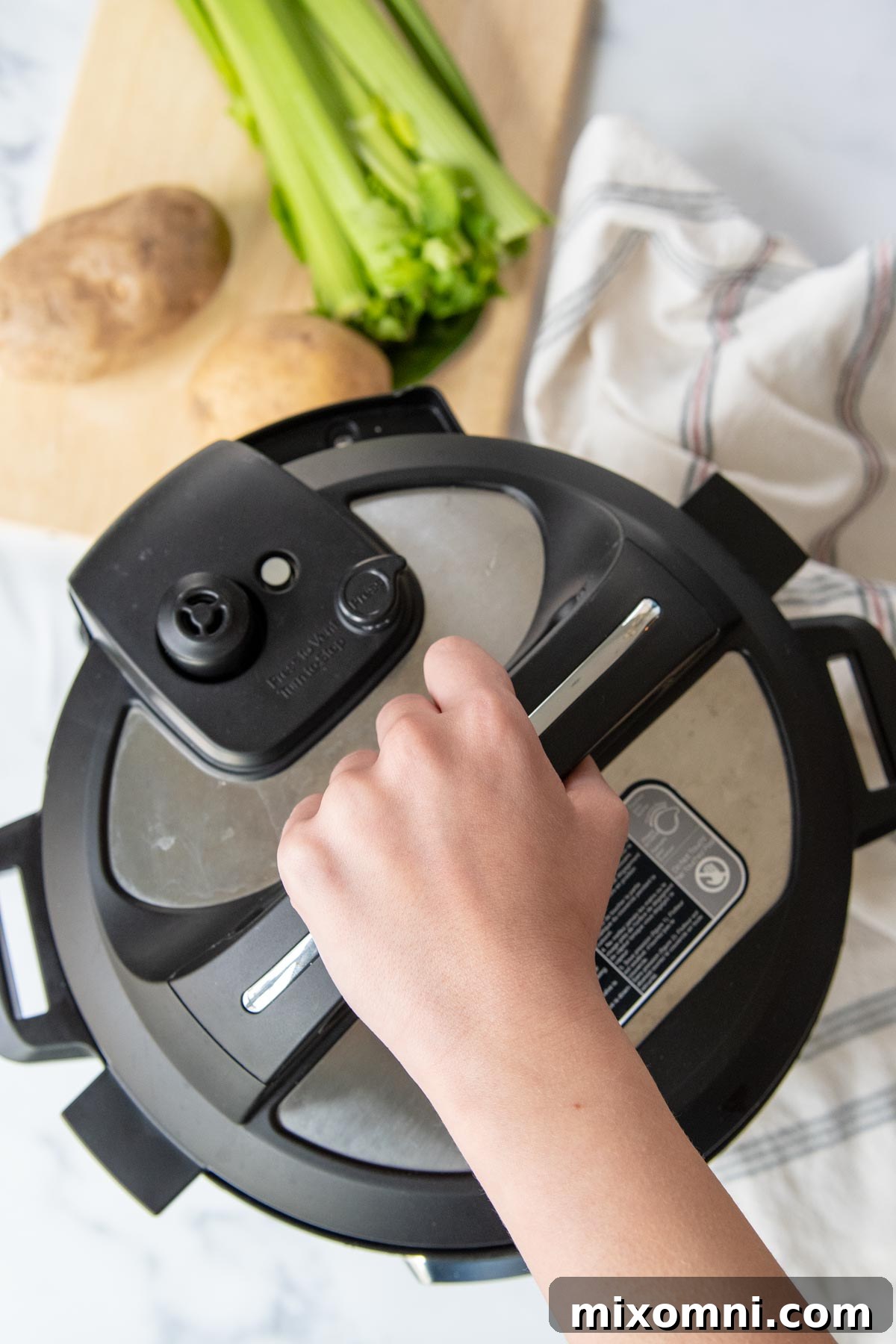
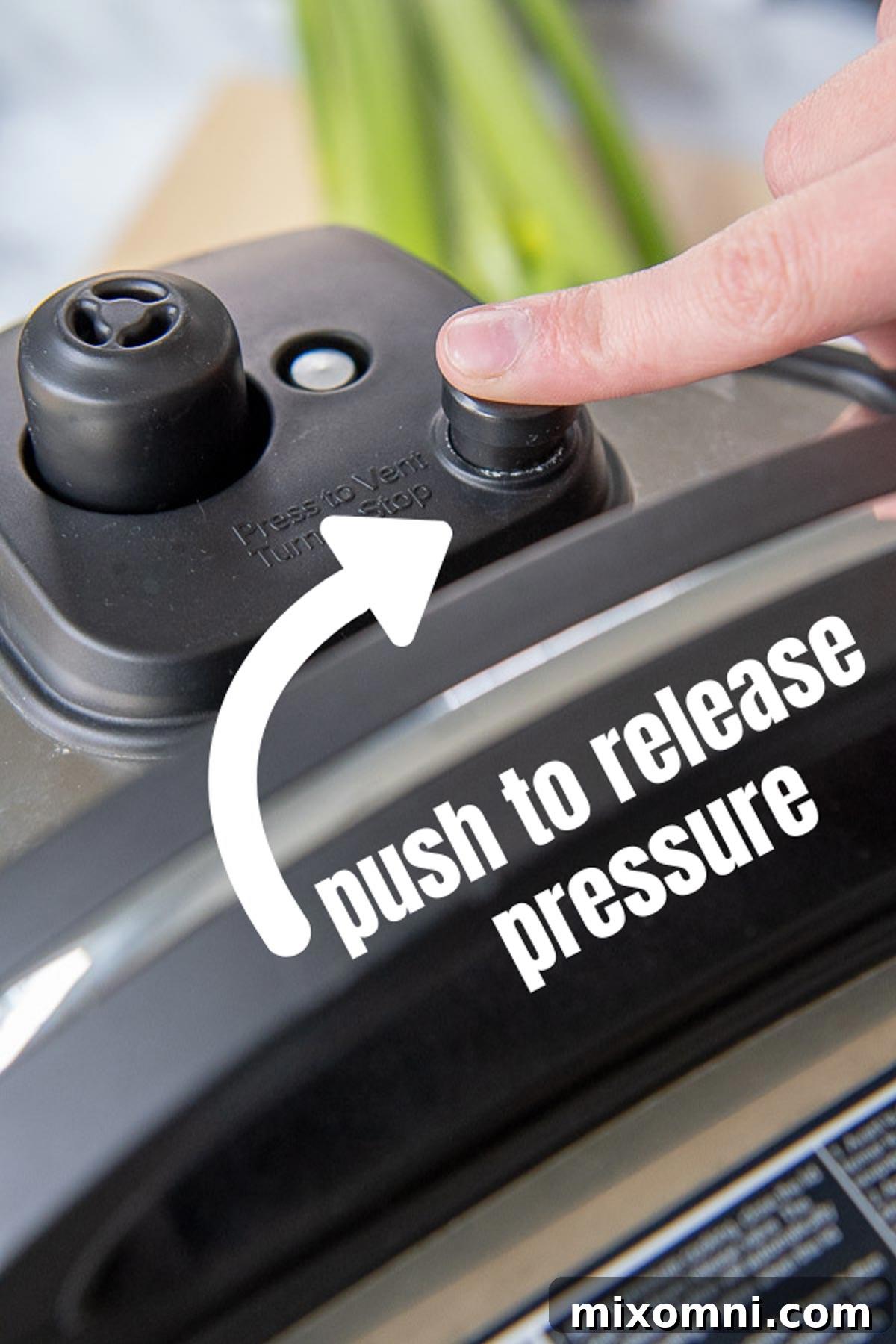
- Release Pressure: After the timer beeps, indicating the cooking cycle is complete, you will perform a Quick Release (QR). Carefully turn the steam release handle to the “Venting” position. Stand clear of the valve as a strong, powerful jet of hot steam will rapidly escape. You can use a wooden spoon handle, tongs, or an oven mitt for added safety and to keep your hand away from the steam.
- Open the Lid: Once all the steam has been released (which can take a minute or two) and the float valve has dropped back down into the lid, you can safely twist the lid counter-clockwise to open it.
Congratulations! You’ve successfully completed your first Instant Pot cycle. This experience provides a foundational understanding of how your pressure cooker works and builds confidence for your first recipe.
Instant Pot Basic Operating Instructions for Beginners
Once you’re comfortable with the initial water test, these general steps will guide you through preparing most Instant Pot recipes, from simple weeknight dinners to more elaborate meals:
- Prepare Ingredients in the Inner Pot: Begin by placing all your required ingredients, including the essential minimum liquid, into the stainless steel inner pot. Some recipes might instruct you to use the “SAUTE” function first. This involves cooking ingredients like onions, garlic, or browning meats directly in the inner pot with a bit of oil, *without* the lid in place, to build a rich flavor base before pressure cooking.
- Secure the Lid and Seal the Vent: Carefully place the lid on the Instant Pot, aligning the arrows, and rotate it clockwise until it clicks firmly into a locked position. Crucially, ensure the steam release valve (the small knob or lever on top of the lid) is set to the “SEAL” position. For some newer Instant Pot models, the valve automatically seals when the lid is closed, but always double-check to be safe.
- Select Your Cooking Setting and Time: Depending on your specific recipe, choose the appropriate cooking function. For the majority of pressure cooking recipes, you’ll press “PRESSURE COOK” (or “MANUAL” on older models). Then, use the ‘+’ and ‘-‘ buttons to adjust the cooking time to the duration specified in your recipe. After a few seconds of inactivity, the Instant Pot will typically display “On” or “Heat” and automatically begin its preheating and pressurizing phase. You usually don’t need to press a separate “START” button.
- Pressurization Phase: This is the initial period during which the Instant Pot heats its contents and builds internal pressure. It’s an important stage that can take anywhere from 10 to 40 minutes, depending on the volume, temperature, and type of food inside. As pressure builds, you may hear a gentle hiss and see a small amount of steam escape from the float valve. Once full pressure is achieved, the float valve (a small metallic pin) will rise and lock into place, the pot will usually beep once, and the display timer will begin counting down the set cooking time.
- Cooking Cycle Completion: When the set cooking time has elapsed, the Instant Pot will typically beep multiple times and often automatically switch to the “KEEP WARM” setting. At this juncture, the internal pressure remains high and must be safely released before you can open the lid. This leads to the next crucial step: pressure release.
- Release Pressure and Open Lid: You will release the pressure using one of two methods: Quick Release (QR) or Natural Pressure Release (NPR), as instructed by your recipe. Once the pressure is completely released (indicated by the float valve dropping back down into the lid), you can safely twist the lid counter-clockwise and remove it. If the lid still feels resistant or will not turn, gently press the pressure release valve again to ensure any residual pressure has escaped.
Understanding Pressure Release: Quick Release vs. Natural Release
During the pressure cooking process, the Instant Pot creates an intense internal pressure environment, which is key to cooking food quickly and achieving incredibly tender, flavorful results. Before the lid can be safely removed, this significant internal pressure must be released. There are two primary methods for doing so, and the choice depends on the food being cooked and the desired outcome, as specified in your recipe:
1. Quick Release (QR): This method involves manually venting the steam immediately or shortly after the cooking cycle concludes. To perform a Quick Release, carefully turn the steam release handle (or press the release button, depending on your model) to the “Venting” or “Quick Release” position. A powerful, concentrated stream of hot steam will rapidly escape from the valve. It is critically important to keep your hands, face, and any bystanders clear of this hot steam path to prevent burns. Many experienced users find it safer and more convenient to use the handle of a wooden spoon, a pair of tongs, or even an oven mitt to activate the valve, thus maintaining a safe distance from the escaping steam.
Quick Release is typically employed for delicate foods that are prone to overcooking or can become mushy if left in a hot environment, such as fresh or frozen vegetables, pasta, and fish. It’s also used when you need to halt the cooking process as quickly as possible.
2. Natural Pressure Release (NPR): This method allows the Instant Pot to depressurize gradually and automatically as it naturally cools down after the cooking cycle ends. To initiate a Natural Pressure Release, you simply leave the steam release valve in the “Sealing” position and do nothing. The pressure inside the pot will slowly dissipate on its own. During this gradual depressurization period, the food continues to cook gently and absorbs flavors more deeply. This method is highly recommended for larger cuts of meat (like roasts or briskets), beans, grains, and creamy soups or frothy foods, as it helps prevent tough meats from seizing up and becoming dry, minimizes the risk of foamy liquids erupting from the valve, and often results in more tender, better-textured dishes.
The duration of a Natural Pressure Release can vary significantly, ranging from 5 to 40 minutes or even longer, depending on the volume, density, and initial temperature of the food and liquid inside the pot. Generally, the fuller the pot and the more liquid it contains, the longer NPR will take. You will know it is completely safe to open the lid when the float valve drops back down flush with the lid, indicating that all internal pressure has been released. Recipes will frequently specify instructions like “Natural Release for 10 minutes, then Quick Release” or simply “Allow for full Natural Release.”
Essential Instant Pot Tips for Success
To ensure a safe, efficient, and consistently successful pressure cooking experience with your Instant Pot, keep these vital tips in mind:
- Always Use Sufficient Liquid: A minimum of 1 cup of thin liquid (such as water, broth, or thin sauces) is generally required for the Instant Pot to generate enough steam to build pressure effectively. Without adequate liquid, the pot may fail to reach or maintain pressure, potentially leading to a “BURN” error message. While some recipes might specify slightly less if the ingredients themselves are highly water-rich (like fresh chicken or juicy vegetables), always prioritize ensuring enough liquid for safe operation.
- Direct Steam Away from People and Cabinets: When performing a Quick Release, always orient the steam release valve away from yourself, children, pets, and any kitchen cabinets or walls. The escaping steam is intensely hot and can cause severe burns or damage sensitive surfaces. Pointing the valve towards a range hood, an open window, or an unobstructed area of your kitchen is highly advisable.
- Normal Steam During Pressure Build-Up: Do not be alarmed if a small amount of steam escapes from the steam release valve or around the float valve as the Instant Pot heats up and begins to build pressure. This is a normal part of the pressurization process and will cease once the cooker reaches full operating pressure and the float valve rises and locks into place.
- Observe Fill Level Limits Strictly: Never fill your Instant Pot beyond the 2/3 mark for general cooking. For foods that significantly expand during cooking (such as rice, dry beans, pasta, or oatmeal), the fill limit is even stricter, typically at or below the 1/2 mark. Overfilling can lead to hazardous conditions, improper cooking, sputtering steam release, or even damage to the appliance.
- Clean the Condensation Collector Regularly: The small, removable cup situated on the back or side of your Instant Pot is designed to collect excess steam and condensed liquid during and after the cooking process. For hygiene, optimal performance, and to prevent spills, remember to periodically empty and clean this condensation collector between uses.
- Ensure Proper Sealing Ring Placement: Before each cooking cycle, take a moment to double-check that the silicone sealing ring is correctly and securely seated all the way around the inside groove of the Instant Pot lid. A twisted, improperly seated, or damaged sealing ring is one of the most common reasons an Instant Pot fails to come to pressure.
- Consider a Separate Sealing Ring for Flavors: Silicone sealing rings can absorb odors from intensely flavored foods (e.g., curries, chilies). If you frequently cook both savory and sweet dishes in your Instant Pot, consider purchasing an extra sealing ring. Designate one for savory meals and the other for sweet desserts to prevent undesirable flavor cross-contamination.
Instant Pot FAQ and Troubleshooting Common Issues
Encountering an issue with your Instant Pot can be frustrating, especially for beginners. Here are answers to common questions and practical solutions for typical problems you might face:
My Instant Pot Won’t Come to Pressure
The time it takes for an electric pressure cooker to come to pressure can vary significantly, depending heavily on the volume and initial temperature of the contents. For instance, cooking frozen meat will naturally extend the pressurization time considerably compared to using room-temperature ingredients. If more than 20-30 minutes have passed and your pot still hasn’t sealed and begun counting down, there are a few critical things to check:
- Check the Sealing Ring: First, safely perform a Quick Release to depressurize any built-up steam, then carefully remove the lid. Inspect the silicone sealing ring to ensure it is properly installed and seated evenly all around the inner rim of the lid, free from any twists, kinks, or food obstructions.
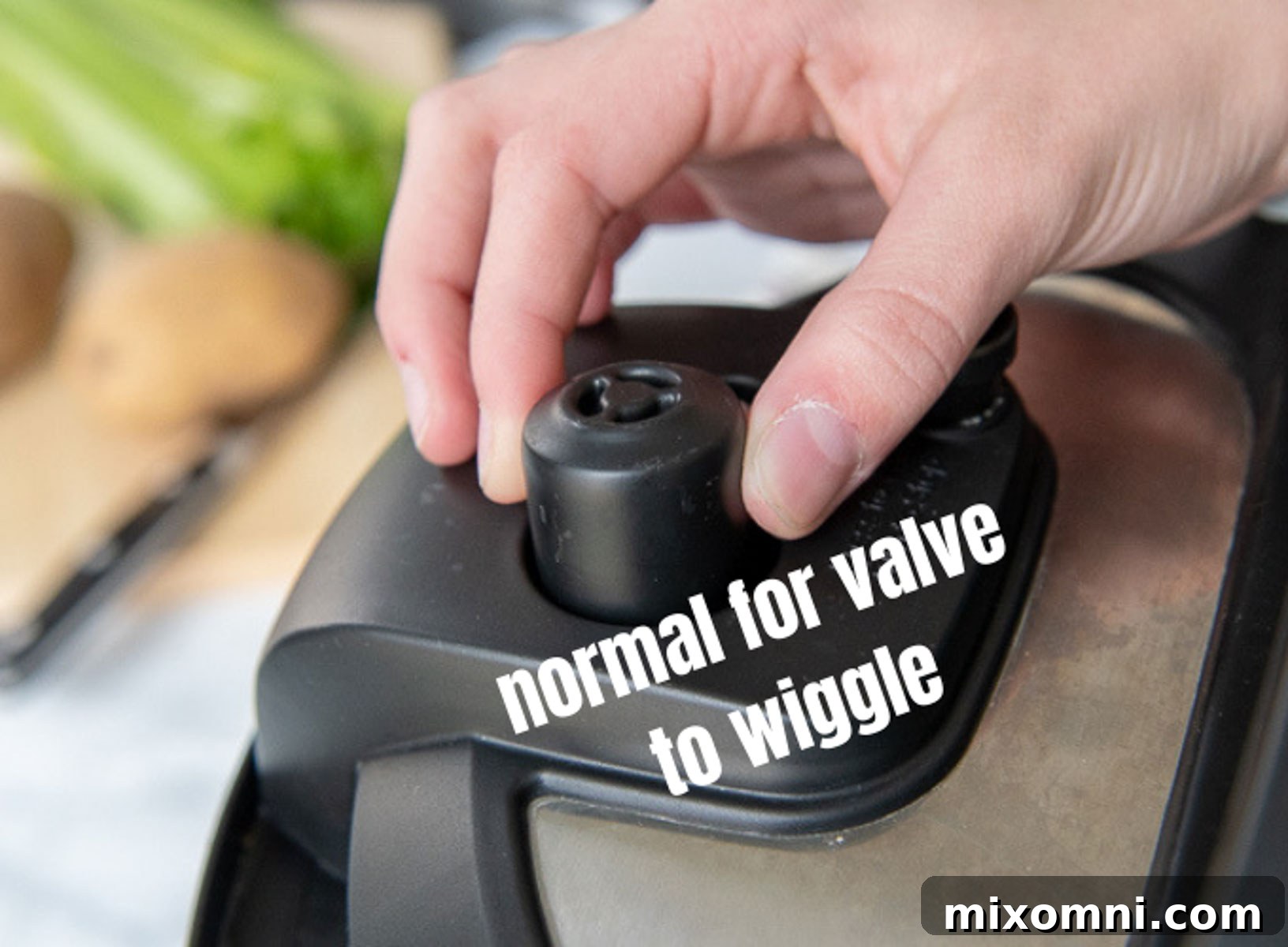
- Verify the Steam Release Valve: Ensure the steam release valve (the small black knob or lever) is securely in place on the lid and is firmly turned to the “SEAL” position. It should have a slight amount of “wiggle” to it, indicating it’s not jammed, but it should not be loose enough to easily fall off.
- Inspect the Float Valve: Make sure the small metallic float valve pin (located next to the steam release valve) is clean and free of any food debris or sticky residue, allowing it to move freely up and down.
- Review Liquid and Fill Levels: Double-check that you have added the minimum required liquid (generally at least 1 cup) and that the inner pot is not overfilled. Overfilling (past the 2/3 mark, or 1/2 for expanding foods) or insufficient liquid are common culprits for a pot failing to pressurize correctly.
Safely Releasing Pressure
When it’s time to release pressure from your Instant Pot, always prioritize safety. Point the steam release valve directly away from yourself, children, pets, and any delicate kitchen surfaces such as wooden cabinets, wallpaper, or curtains. The escaping steam is intensely hot and can cause severe burns or damage. Many users find it incredibly helpful to use the handle of a wooden spoon, a pair of tongs, or a thick oven mitt to flip or press the valve, creating a physical barrier between your hand and the forceful, hot steam. If possible, direct the steam towards a kitchen exhaust fan operating at full power to help dissipate it quickly and minimize steam build-up in your kitchen.
Why is Steam Continuously Escaping from the Valve or Sides of the Lid?
During the initial heating phase, it’s normal for a small amount of steam to escape from the steam release valve as pressure builds and the float valve rises. This is a temporary process and should stop once the pot reaches full pressure and the float valve locks into place. However, if steam continues to escape forcefully, continuously, or from the sides of the lid after several minutes of heating, it indicates an improper seal. In this scenario:
Immediately press the “CANCEL” button to stop the cooking program. Then, carefully perform a Quick Release to depressurize the pot. Once depressurized, remove the lid and thoroughly check the following:
- Sealing Ring: Ensure the silicone sealing ring is correctly seated in its groove, is not twisted, and is free of any food particles that could be breaking the seal.
- Float Valve: Verify that the small float valve pin is clean, can move freely up and down, and is not obstructed.
- Steam Release Valve: Confirm that the steam release valve is properly aligned and firmly set to the “SEALING” position.
Liquid Sputtering from the Valve During Pressure Release?
If you observe liquid, especially foamy discharge, sputtering or spraying from the steam release valve during a Quick Release, it’s typically due to one of two reasons: either the Instant Pot is overfilled, or you are cooking foods that are naturally prone to frothing or foaming under pressure. Common culprits include starchy foods like pasta, hearty soups, applesauce, various beans, certain grains, and potatoes, all of which can create significant foam during pressure cooking.
To prevent this, ensure you never fill the Instant Pot beyond the 2/3 full line. For frothy foods specifically, it’s best to stick to a stricter 1/2 fill line. Additionally, adding 1-2 tablespoons of cooking oil (such as olive oil, vegetable oil, or coconut oil) to the liquids before cooking can often help to suppress the formation of foam, reducing the chances of sputtering.
My Instant Pot Displayed “BURN” and Stopped Cooking. What Happened?
The dreaded “BURN” message is a safety feature that indicates the heating element has detected excessively high temperatures at the bottom of the inner pot. This usually occurs because food particles have adhered or scorched to the bottom surface, or there isn’t enough thin liquid to prevent direct contact and overheating. This error commonly happens with thick sauces, tomato-based recipes, or when rice or other grains stick to the bottom.
To resolve this: Immediately press “CANCEL” to stop the cooking process and then perform a Quick Release to safely depressurize the pot. Carefully remove the lid, thoroughly stir the contents, making sure to scrape the bottom of the inner pot to dislodge any stuck food. Add a bit more thin liquid if the mixture seems too thick or dry. Replace the lid, ensure it’s sealed, reset the cooking time for the remaining duration, and resume cooking.
Can I Cook Frozen Meats in an Instant Pot?
Yes, the Instant Pot is remarkably efficient at cooking certain frozen meats, often saving considerable thawing time and making spontaneous meals possible. Frozen chicken breasts, for instance, cook exceptionally well and remain tender. However, very large, solid blocks of frozen meat (such as a whole frozen roast or a very thick frozen steak) may not cook through evenly or within a reasonable timeframe. Always remember to adjust cooking times upwards when working with frozen ingredients, typically adding 50% more time than for their thawed counterparts, and always ensure the meat reaches a safe internal temperature before serving.
My Meat / Pasta / Vegetables Are Undercooked. What Now?
It’s common for food to be slightly undercooked on your first few attempts, especially as you learn new recipes and your Instant Pot’s nuances. Don’t worry, you have effective options:
- For Slightly Undercooked Fruits, Vegetables, or Pasta: If these items just need a little more tenderness, you can simply remove the lid, select the “SAUTE” or “SIMMER” function, and continue cooking, stirring occasionally, until they reach your desired doneness. This is perfect for achieving al dente pasta or slightly firmer vegetables.
- For Undercooked Meat: If your meat hasn’t reached the proper internal temperature, or if it’s not as fall-apart tender as you’d like, secure the lid back in place, ensure the steam release valve is set to “SEALING,” select “PRESSURE COOK” (or “HIGH Pressure”), and add additional cooking time (e.g., another 5-10 minutes, depending on the cut). If you have delicate vegetables that were cooked alongside the meat and are already tender, carefully remove them to a warm dish before re-pressurizing to prevent them from becoming overcooked and mushy.
How Do I Thin or Thicken Sauces After Pressure Cooking?
Achieving the perfect sauce consistency is straightforward after the pressure cooking cycle is complete and the pressure has been safely released:
To Thicken Sauces: Remove the lid and select the “SAUTE” function (often a low setting is best for this). You have two primary methods:
- Reduction: Simply let the sauce simmer uncovered. The liquid will gradually reduce and thicken as steam escapes. Stir occasionally to prevent sticking.
- Slurry: For quicker thickening, create a cornstarch slurry. In a small bowl, whisk together equal parts cornstarch and cold water (e.g., 2 tablespoons cornstarch with 2 tablespoons water). Gradually stir this smooth mixture into the simmering sauce until it reaches your desired thickness. Continue to simmer for a minute or two to allow the cornstarch to fully activate and cook out any starchy flavor.
To Thin Sauces: If your sauce is too thick, simply add a small amount of extra liquid until it reaches your preferred consistency. This can be water, broth, milk, cream, or any other liquid that complements your recipe. Add gradually, stirring thoroughly after each addition, until well combined and at your desired thickness.
Demystifying Instant Pot Buttons
Upon first glance, the array of buttons on an Instant Pot can appear overwhelming, making it seem like a complex appliance. However, the good news is that most of these are convenient pre-programmed settings, much like the specific popcorn or beverage buttons on a microwave. For the vast majority of your everyday cooking, you’ll primarily use just a few core functions. Buttons such as “MEAT/STEW,” “RICE,” and “BEANS/CHILI” typically operate at a high-pressure setting by default and have pre-set cooking times. It’s important to remember that these times are merely starting points, and you can (and often should) adjust them using the ‘+’ and ‘-‘ buttons before the cooking cycle begins.
Here’s a breakdown of the most frequently used and essential Instant Pot buttons, along with their primary functions:
- PRESSURE COOK / MANUAL: This is arguably the most important button and will be your go-to for the vast majority of recipes that instruct you to “Cook at HIGH pressure.” Simply press this button, and then use the ‘+’ and ‘-‘ buttons to manually set the precise cooking time specified in your recipe. This function offers the most control and versatility for pressure cooking.
- SAUTE / SIMMER: This highly versatile button is used both before and after the main pressure cooking process:
- High SAUTE: Ideal for foundational steps like browning meats, sautéing aromatics such as onions and garlic, or searing ingredients directly in the inner pot before you add liquids and seal the pot for pressure cooking. This step is crucial for building depth of flavor in your dishes.
- Low SIMMER/SAUTE: Excellent for reducing and thickening sauces after the pressure cooking is complete and the lid has been removed. It can also be used for gently cooking delicate items like pasta or finishing vegetables once the pressure is released.
- YOGURT: A unique and popular feature for those interested in making homemade yogurt. This specialized button maintains precise temperatures required for the fermentation process, making it incredibly easy to produce delicious, creamy yogurt right in your Instant Pot. (For detailed instructions, refer to comprehensive guides on making Instant Pot yogurt.)
- RICE: This button is specifically designed for cooking various types of rice and typically operates at a low-pressure setting. If your particular Instant Pot model doesn’t feature a dedicated “RICE” button, you can achieve similar excellent results by using the “PRESSURE COOK” function and selecting “Low Pressure” if available, or simply adjusting the cooking time accordingly for rice.
- DELAY START: This clever feature allows you to prepare your ingredients in advance and then program the Instant Pot to begin the cooking process at a later, specified time. Simply add your ingredients, set your desired cooking function and time, and then press “DELAY START” to set the duration of the delay. The Instant Pot will then automatically turn on and start cooking after the set delay period has passed.
- KEEP WARM: Most Instant Pot models automatically switch to this convenient setting once the primary cooking cycle has finished. This function maintains the food at a safe, warm serving temperature until you are ready to serve, preventing it from getting cold.
- CANCEL: This essential button allows you to stop any ongoing cooking program or function at any time, instantly resetting the pot to its standby mode. It’s your immediate ‘off’ switch for any operation.
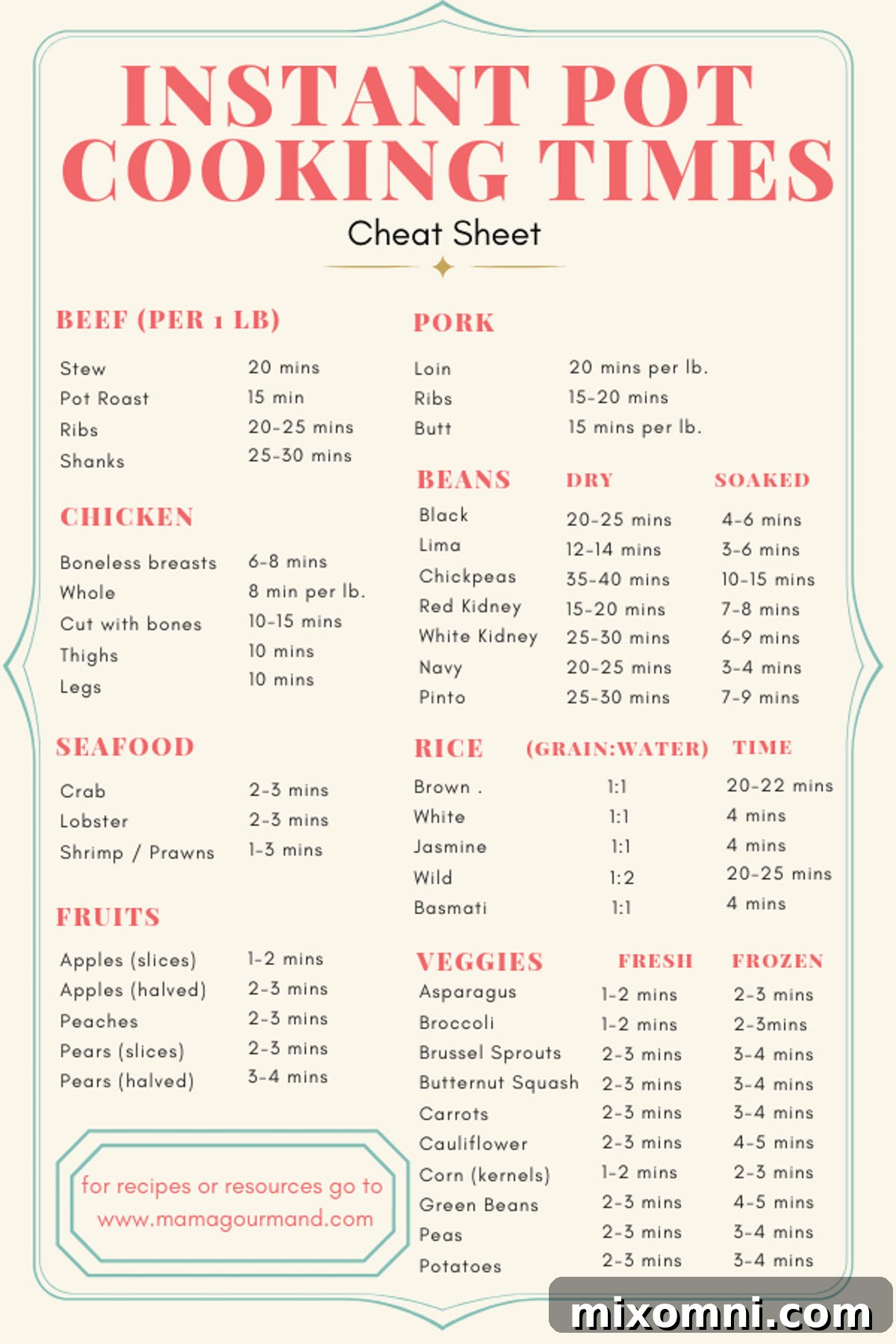
Instant Pot Cooking Times Reference
Delicious Instant Pot Recipes to Get You Started

Now that you’re equipped with the knowledge to confidently use your Instant Pot, it’s time to put it to good use and discover the incredible versatility it offers! Here are some fantastic and popular recipes that are perfect for both beginners eager to explore and seasoned users looking for new culinary inspiration:
- Broccoli Cheese Soup – A thick, creamy, and wholesome soup prepared in an impressive 15 minutes, making it an ideal choice for a quick and satisfying weeknight meal.
- Cincinnati Chili – Experience this unique regional chili, a delightful blend of unexpected spices traditionally served over a bed of spaghetti and generously topped with mounds of shredded cheddar cheese.
- Cilantro Lime Chicken – Enjoy perfectly tender, well-seasoned cilantro chicken enveloped in a rich, creamy, and zesty lime sauce that’s bursting with fresh flavor.
- BBQ Pulled Chicken – Achieve an effortless dinner or party food in just two simple steps, requiring only five minutes of active preparation time for deliciously succulent results.
- Buffalo Chicken Chili – An award-winning chili featuring the perfect balance of spice, a smooth creamy base, and an abundance of tender chicken, guaranteed to be a crowd-pleaser.
- Corned Beef and Cabbage – A flavorful and comforting brisket, expertly seasoned with a delectable mix of brown sugar, tangy mustard, and sweet apple juice for an unforgettable meal.
- Beef Stroganoff – Indulge in tender, fall-apart beef simmered to perfection in a rich, creamy, and incredibly comforting sauce, ready much faster than traditional methods.
- Zuppa Toscana – A delightful and hearty soup, often praised as even better than Olive Garden’s classic, and prepared in a fraction of the time with the efficiency of your Instant Pot!
With this comprehensive guide and a little bit of practice, your Instant Pot will quickly transition from an intimidating appliance to an indispensable tool in your kitchen arsenal. It will simplify meal preparation, reduce cooking times, and unlock a world of delicious culinary possibilities. Happy cooking!