
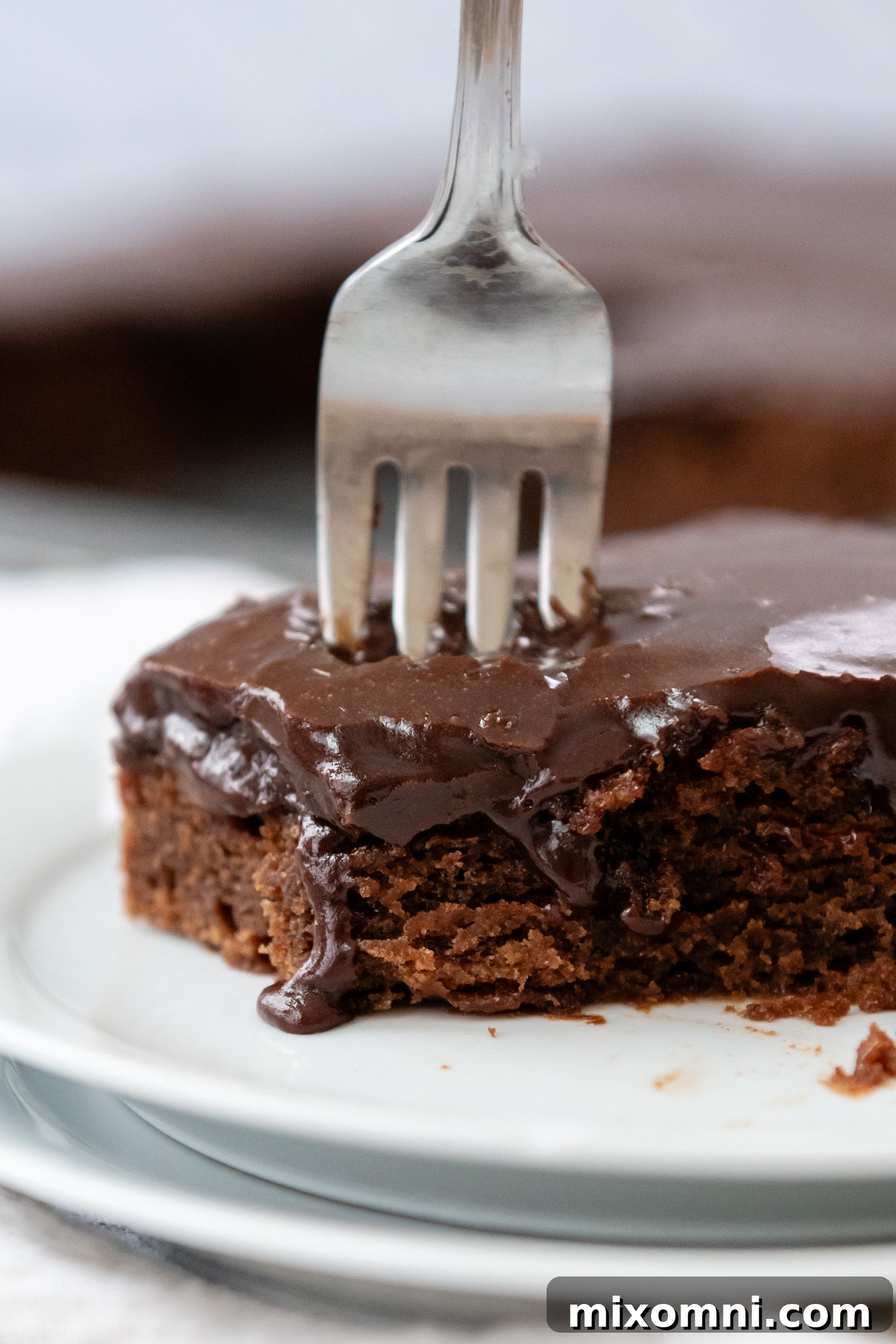
Are you searching for a chocolate cake that’s rich, moist, and incredibly satisfying, but also happens to be gluten-free? Look no further! The classic Texas Sheet Cake, renowned for its tender crumb and luscious chocolate glaze, can absolutely be made to perfection without gluten. Forget the dry, crumbly, or rubbery gluten-free imposters. This recipe unveils the simple, ingenious swaps you need to create a gluten-free cake that’s so light, fluffy, and tender, no one will guess it’s not traditional. Get ready to bake a batch of pure indulgence that will become your new favorite!
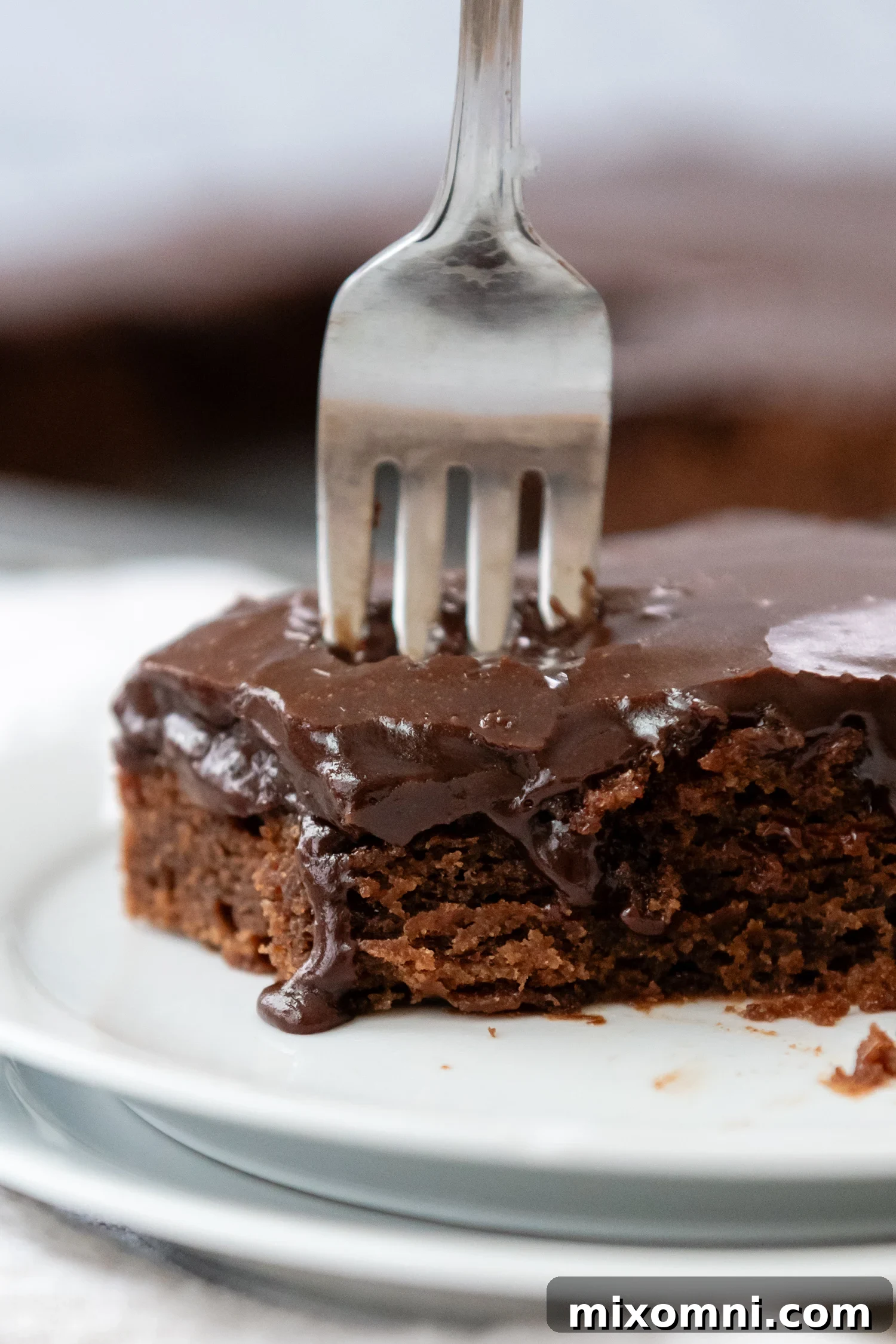
Unlocking the Secret to the Best Gluten-Free Texas Sheet Cake
When embarking on the quest for a truly exceptional gluten-free chocolate sheet cake, I noticed a common approach: many recipes simply advise a one-to-one swap of gluten-free all-purpose flour for traditional wheat flour. While this might produce an edible result, my goal is always to create a gluten-free dessert that is indistinguishable from its gluten-containing counterpart. We all deserve cakes that are so delicious, they’re unrecognizably GF, right? We deserve triumphant baking moments!
My testing journey began by exploring the role of fat. Initially, I considered using a blend of butter and oil, fearing that an all-butter recipe might lead to a dry texture due to the nature of gluten-free starches. This fat combination has proven successful in other beloved moist gluten-free cakes, like my Hummingbird Cake (seriously, if you haven’t tried it, you’re missing out!). However, for Texas Sheet Cake, this approach resulted in a dense, heavy, and somewhat oily crumb – a far cry from the light, airy slab cakes I remembered from childhood.
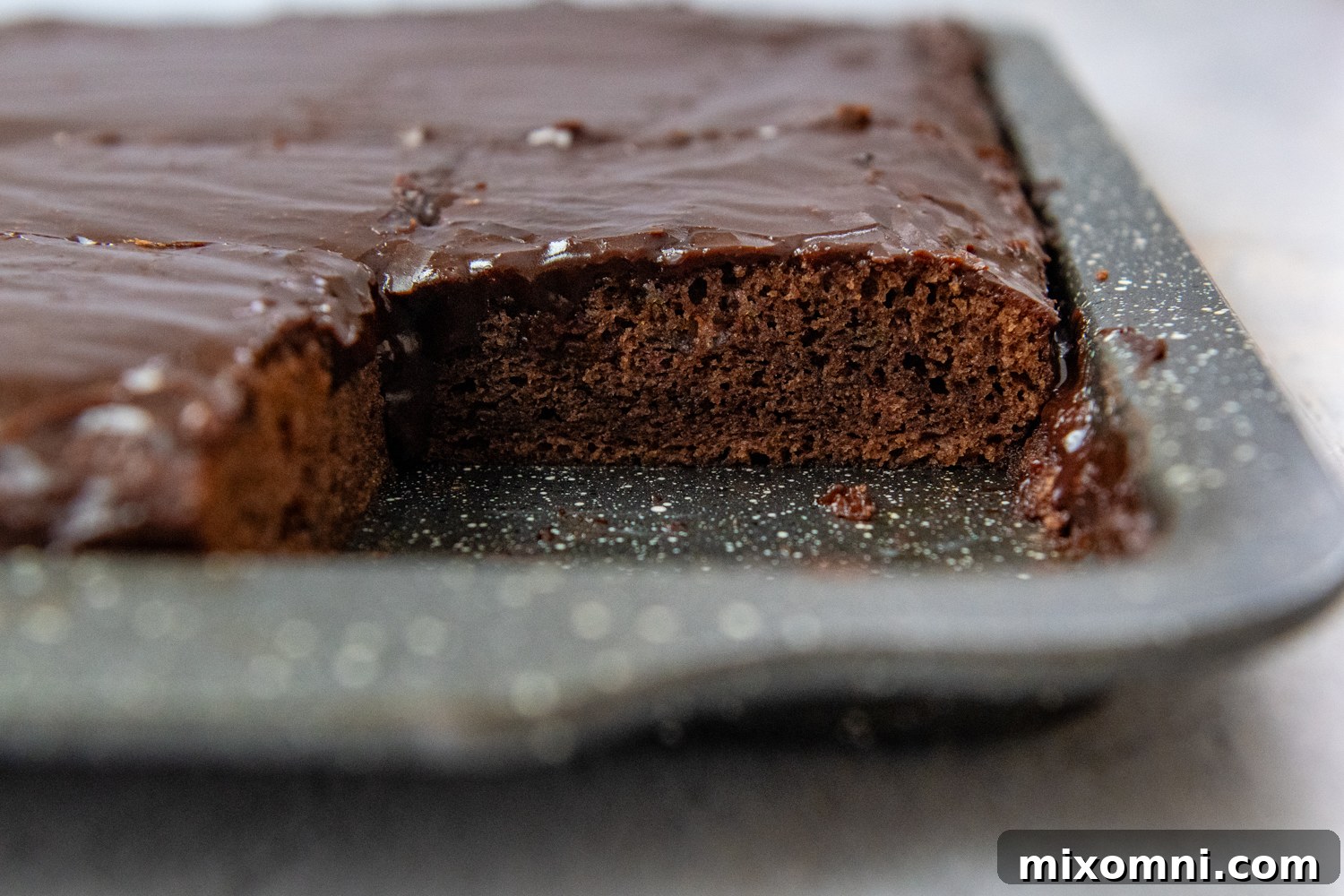
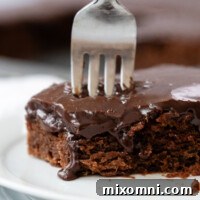
Returning to an all-butter base eliminated the oiliness, allowing me to focus on leavening. Traditional Texas Sheet Cake recipes typically rely solely on baking soda. This became my next area of innovation. What if we augmented the baking soda with baking powder? The addition of baking powder, a double-acting leavening agent, proved to be the magic touch. It introduced a much-needed aeration to the batter, creating a crumb that was truly light and fluffy. The texture was absolutely perfect – a genuine replica of classic chocolate sheet cake, crowned with its signature ooey-gooey chocolate glaze. This simple adjustment transforms the cake from merely adequate to truly outstanding.
Crafting Your Gluten-Free Texas Sheet Cake: A Step-by-Step Guide
Let’s bake this incredible cake together! Below, you’ll find detailed explanations and photos for each step of the process. For precise ingredient quantities and the full recipe, please scroll down to the complete recipe card.
The Magic of Hot Liquids in Gluten-Free Baking
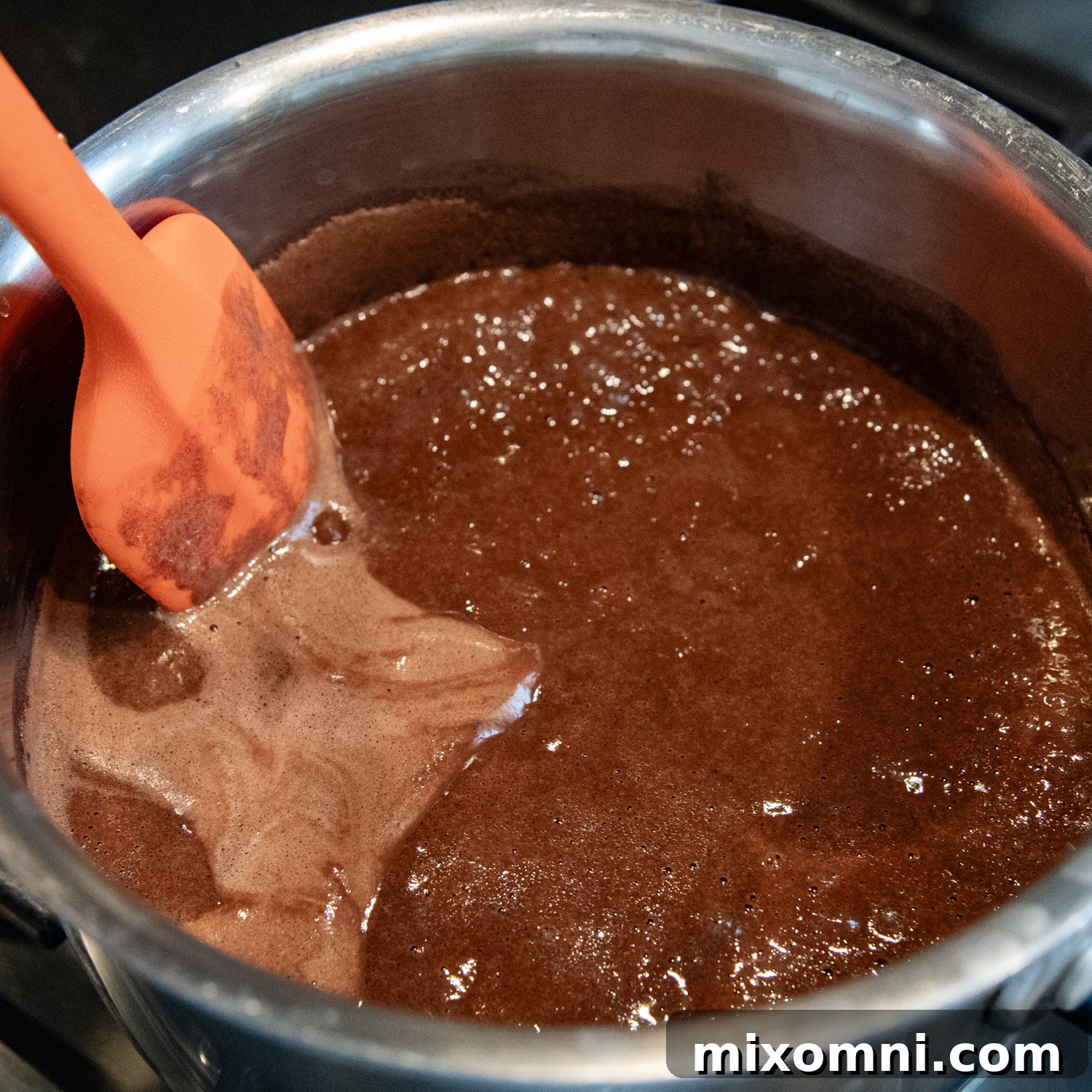
Many classic Texas Sheet Cake recipes begin with butter, cocoa powder, and water heated together on the stovetop. This method is particularly advantageous for gluten-free cakes. Hot liquids are exceptionally effective at coating and fully absorbing into gluten-free starches. This essential step helps prevent common issues such as a dense, gritty, or dry crumb, ensuring a smooth and cohesive batter. It’s a fundamental trick for achieving superior texture in gluten-free baking, a technique I also employ in my popular gluten-free chocolate layer cake recipe, which consistently yields an incredibly moist result!
Efficient Multitasking: Mixing the Batter
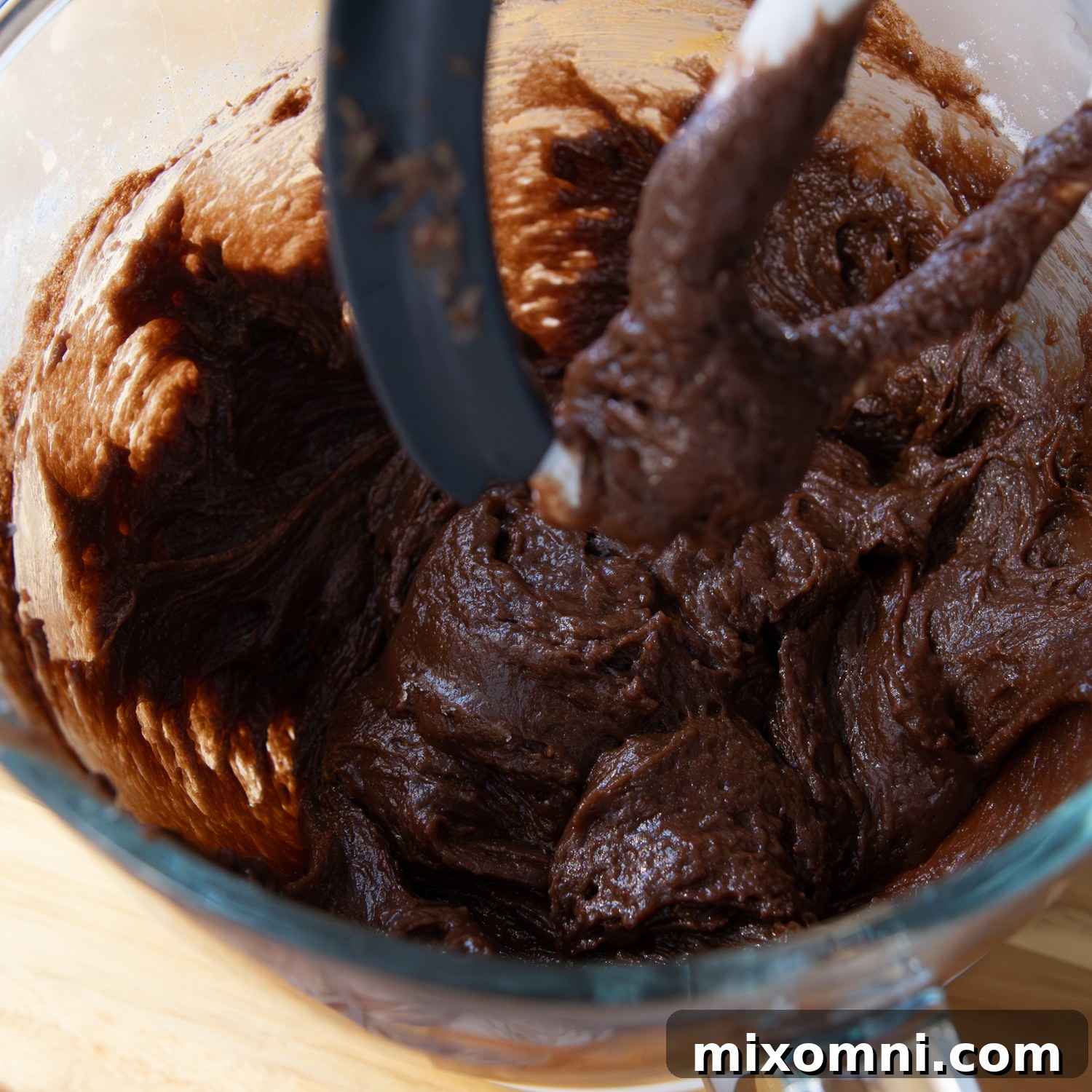
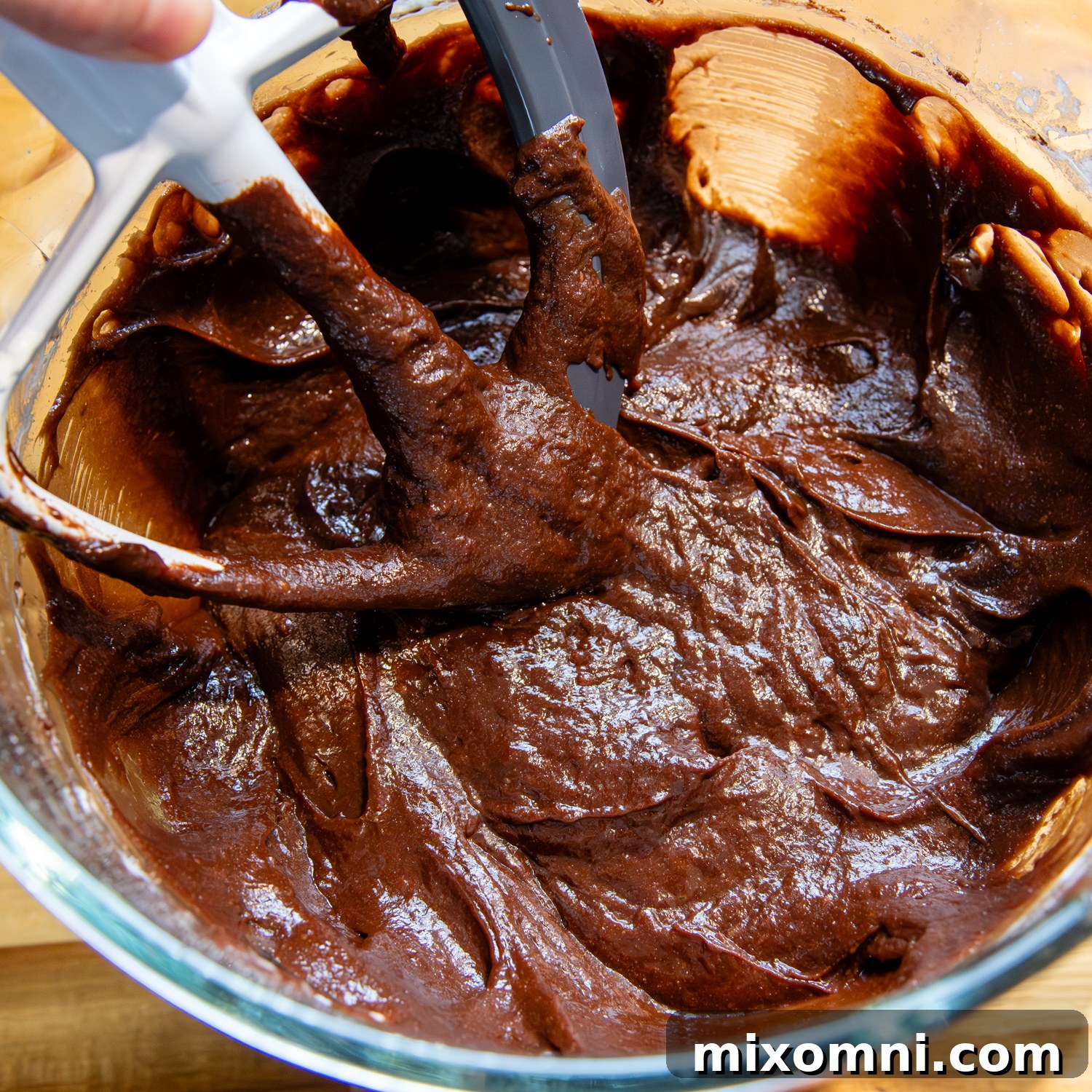
While your liquids are gently heating on the stove, take advantage of this time to combine your dry ingredients. In a large mixing bowl, whisk together the gluten-free flour, granulated sugar, baking soda, baking powder, and salt. Once the butter, cocoa, and water mixture reaches a boil, carefully pour it directly into your dry ingredients. Mix on very low speed with an electric mixer or stand mixer (using the paddle attachment) to avoid splashing, until just combined. The batter will appear quite thick at this stage.
Next, incorporate the sour cream, eggs, and vanilla extract. Continue mixing until everything is smoothly incorporated. The batter will still maintain a relatively thick consistency, but it should now be easily spreadable. Sour cream is a fantastic addition to gluten-free cakes, providing essential moisture and a subtle tang that enhances the overall flavor balance. The eggs bind the ingredients and contribute to the cake’s structure and richness.
Baking Perfection and Glaze Preparation
Once your batter is ready, spread it evenly into a greased 15 x 10-inch jelly roll pan. Bake the cake in a preheated 350°F (175°C) oven for approximately 22-24 minutes. You might notice this is slightly longer than a traditional Texas sheet cake recipe. Gluten-free baked goods, especially those with high moisture content like this one, require a bit more time for the liquids to evaporate and fully absorb into the starches, ensuring a perfectly set and moist cake without a gummy texture. To test for doneness, a toothpick inserted into the center should come out clean, and the cake’s surface should spring back gently when lightly touched.
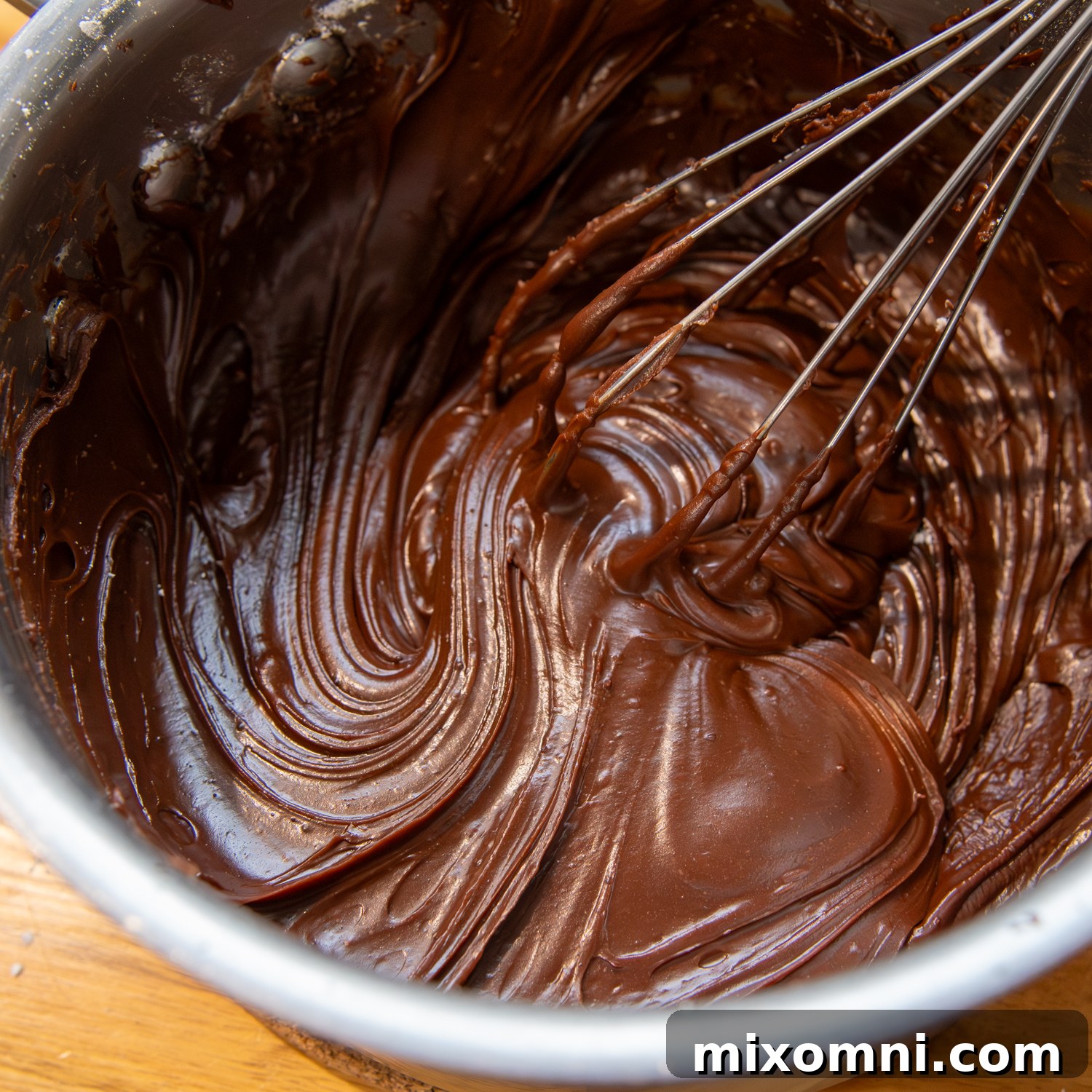
During the last 5 minutes of the cake’s baking time, begin preparing the decadent chocolate glaze. Combine the glaze ingredients and heat them until smooth, ensuring the consistency is pourable yet slightly thick and easily spreadable. Immediately upon removing the cake from the oven, pour the warm glaze over the hot cake and spread it evenly with an offset spatula. The most challenging part of this entire process? Patiently waiting for the frosting to cool and set before you can dig in! It’s absolute agony, but worth every moment for that perfect bite. The residual heat from the cake helps the glaze melt slightly and soak in, creating that signature gooey texture.
Choosing the Right Baking Pan: Options & Adjustments
While the recipe is optimized for a standard 15×10-inch jelly roll pan, you have flexibility with your baking vessel. If you prefer a thicker slice of Texas Sheet Cake, you can use a 9×13-inch pan. Be aware that this will significantly increase the baking time. While I haven’t tested for the exact duration, a good estimate would be around 35 minutes. Always test the cake’s doneness by inserting a toothpick into the center; it should come out clean, and the middle should feel set and spring back when lightly touched.
Conversely, for an even thinner, more traditional sheet cake experience, you can pour the batter into a larger half sheet pan, typically measuring 18×13 inches. This will reduce the baking time considerably, likely to about 15 minutes. Regardless of the pan size you choose, always grease and flour (with gluten-free flour, of course) your pan thoroughly to prevent sticking, or line it with parchment paper for easy removal.
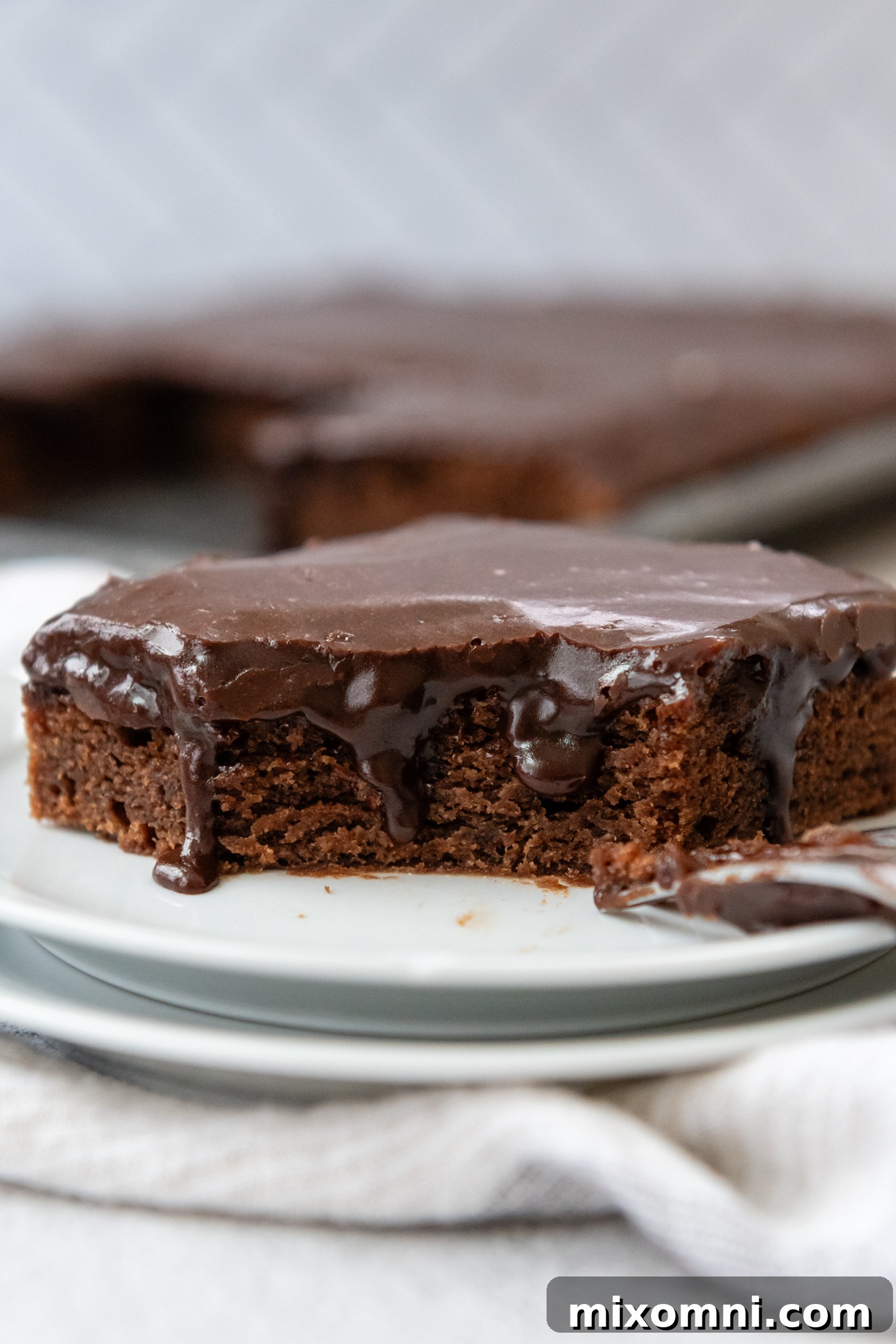
You truly can’t go wrong with how to serve this homemade Texas Sheet Cake. It’s absolutely divine served slightly warm, straight from the oven, allowing the glaze to be wonderfully gooey. It’s equally delicious when cooled to room temperature, offering a firmer but still incredibly tender bite. For an truly epic dessert experience, serve warm with a generous scoop of vanilla bean ice cream, a dollop of freshly whipped cream, and a sprinkle of toasted chopped nuts (pecans are traditional, but walnuts or almonds work beautifully). Or consider shredded coconut, a drizzle of peanut butter, or fresh seasonal berries to add a touch of brightness. The possibilities are endless, and all are heavenly!
Creative Frosting Ideas and Expert Tips
Once this gluten-free Texas Sheet Cake recipe becomes a cherished favorite in your household, as it has in ours, you’ll likely find yourself eager to experiment with other delightful toppings and variations for the glaze. Here are some ideas and crucial tips to elevate your frosting game:
- Add Chopped Nuts: Stir about 3/4 cup of finely chopped pecans, walnuts, or peanuts into the prepared frosting for added texture and nutty flavor. For an extra layer of deliciousness, toast the nuts lightly before adding them – it really brings out their aroma and crunch.
- Peanut Butter Glaze Swap: For the ultimate chocolate-peanut butter fusion, consider replacing the chocolate frosting entirely with a luscious peanut butter glaze. You might need to thin the peanut butter glaze slightly with an extra tablespoon or two of milk to achieve the perfect pourable consistency.
- Gentle Heat for Glaze: When melting the butter for your chocolate glaze, always do so over low heat. If the heat is too high, the butter can separate and become greasy, resulting in a frosting with an undesirable consistency. Slow and steady wins the race for a smooth, glossy glaze.
- Tangy Twist: For a delightful hint of tanginess that complements the rich chocolate, try reducing the milk slightly in the glaze recipe and adding a few tablespoons of sour cream. This simple substitution adds depth and a lovely bright note to the overall flavor profile.
- Coffee Boost: For an even deeper chocolate flavor, consider replacing a tablespoon or two of the milk in the glaze with strong brewed coffee or espresso. Coffee wonderfully enhances the chocolate without making the frosting taste like coffee itself.
Save This Recipe to Your Pinterest Board!
Let’s be friends on Pinterest! I’m always sharing delicious recipes!
Did you make this recipe? I love hearing from you! Leave a star rating and comment below the recipe card. Your feedback helps others discover amazing recipes, and I truly appreciate hearing from our community. I always make sure to respond! -Melissa
5 stars (3 ratings)
Perfect Gluten-Free Texas Sheet Cake (Not Dense)

Melissa Erdelac
Yield: 15 servings
Prep Time: 15 mins
Cook Time: 22 mins
Total Time: 37 mins
The best Texas sheet cake made with gluten-free flour requires an easy ingredient swap, everyone has in their kitchen, to avoid a dense, rubbery slab cake. Don’t be fooled into thinking simply swapping out GF flour for a traditional, old fashioned recipe will get you there. Instead use this tried-and-true gluten-free sheet cake recipe for an absolutely light, fluffy, and tender crumb!
Pin Recipe
Rate Recipe
Ingredients
For the Cake:
- 1 cup water
- 1 cup butter (2 sticks)
- ⅓ cup natural unsweetened cocoa powder
- 2 cups gluten-free all-purpose flour (I use and highly recommend Cup4Cup gluten-free flour for best results)
- 2 cups granulated sugar
- ½ teaspoon baking soda
- ½ teaspoon baking powder
- ½ teaspoon salt
- ½ cup sour cream
- 2 large eggs
- 1 teaspoon vanilla extract
For the Chocolate Glaze Frosting:
- ⅓ cup milk
- ⅓ cup natural unsweetened cocoa powder
- ½ cup unsalted butter
- 2 ¾ – 3 cups powdered sugar
- 1 teaspoon vanilla extract
- ½ teaspoon salt
Equipment
- 10×15″ Jelly Roll Pan
- Offset Spatula
- Stand Mixer (optional, hand mixer also works)
- Medium saucepan
- Large mixing bowl
- Whisk
Instructions
- Prepare Pan & Preheat Oven: Preheat your oven to 350ºF (175°C). Liberally spray a 10×15-inch jelly roll pan with nonstick cooking spray, or grease and lightly dust with gluten-free flour.
- Heat Wet Ingredients: In a medium saucepan over medium-low heat, combine the water, butter, and cocoa powder. Heat until the mixture begins to boil, stirring occasionally to ensure the butter melts and cocoa dissolves smoothly.
- Combine Dry Ingredients: While the wet ingredients are heating, combine the gluten-free flour, granulated sugar, baking soda, baking powder, and salt in a large mixing bowl. Whisk them together thoroughly to ensure even distribution of leavening agents.
- Mix Batter (First Stage): Carefully pour the hot liquid mixture from the saucepan into the dry ingredients. Mix with an electric mixer or a stand mixer fitted with a paddle attachment on very low speed to prevent splashing. Mix just until the ingredients are well combined and a thick batter forms.
- Mix Batter (Second Stage): Add the sour cream, eggs, and vanilla extract to the batter. Continue mixing until all ingredients are fully incorporated. The batter will still be on the thicker side, but it should now have a more spreadable consistency.
- Bake the Cake: Evenly spread the batter into the prepared baking pan. Bake for 22-24 minutes, rotating the pan halfway through baking for even cooking. The cake is done when a toothpick inserted into the center comes out clean and the middle feels set when gently pressed. Note: As this is a high-moisture gluten-free cake, it needs slightly longer baking time to ensure all moisture evaporates and absorbs into the flour properly, preventing a gummy texture.
- Prepare Chocolate Glaze (During Baking): About 5 minutes before the cake is expected to be done, begin preparing the chocolate glaze frosting. In a medium saucepan over low heat, combine the milk, cocoa powder, and unsalted butter. Heat until the mixture is smooth and the butter is fully melted, stirring constantly to prevent scorching. Ensure the heat remains low to avoid a greasy, separated consistency.
- Finish the Glaze: Remove the saucepan from the heat. Stir in 1 cup of powdered sugar, vanilla extract, and salt. Vigorously stir in another cup of powdered sugar to smooth out any lumps. Add the remaining powdered sugar (up to 3 cups total, adjusting for desired thickness) and whisk thoroughly until the frosting is completely smooth, slightly thick, and easily spreadable.
- Glaze the Warm Cake: Immediately upon removing the cake from the oven, pour the warm frosting over the hot cake. Use an offset spatula to spread the glaze evenly across the entire surface.
- Cool and Serve: Allow the frosting to set completely before slicing and serving. This allows the flavors to meld and the glaze to achieve its perfect gooey texture.
Nutrition Information (per serving, estimated)
Calories: 436kcal, Carbohydrates: 63g, Protein: 4g, Fat: 21g, Saturated Fat: 13g, Polyunsaturated Fat: 1g, Monounsaturated Fat: 5g, Trans Fat: 1g, Cholesterol: 74mg, Sodium: 357mg, Potassium: 111mg, Fiber: 3g, Sugar: 49g, Vitamin A: 634IU, Vitamin C: 0.1mg, Calcium: 49mg, Iron: 1mg
Did you make this recipe? Please leave a star rating and review below. Your feedback helps others discover and enjoy this recipe!