Navigating dietary restrictions, especially a gluten-free diet, can be challenging when it comes to everyday beverages. Many people wonder about the gluten status of popular drinks like apple cider, apple juice, and hard cider. The good news is that most forms of apple-based beverages are naturally gluten-free. However, understanding the nuances of manufacturing processes, potential cross-contamination, and specific ingredients is crucial for ensuring complete safety. This comprehensive guide provides clear answers, identifies trustworthy gluten-free brands, and highlights key ingredients to watch out for, helping you enjoy your favorite apple drinks with confidence.
Understanding Gluten and a Gluten-Free Diet
Before diving into specific beverages, it’s essential to understand what gluten is and why it’s a concern for many. Gluten is a family of proteins found in wheat, barley, rye, and triticale (a cross between wheat and rye). For individuals with celiac disease, consuming gluten triggers an autoimmune response that damages the small intestine, leading to nutrient malabsorption and a host of other health issues. For those with non-celiac gluten sensitivity, gluten can cause uncomfortable symptoms like digestive upset, fatigue, and headaches without the intestinal damage seen in celiac disease. Therefore, strict adherence to a gluten-free diet is vital for managing these conditions effectively.
Is Apple Cider Gluten-Free? The Pure Truth
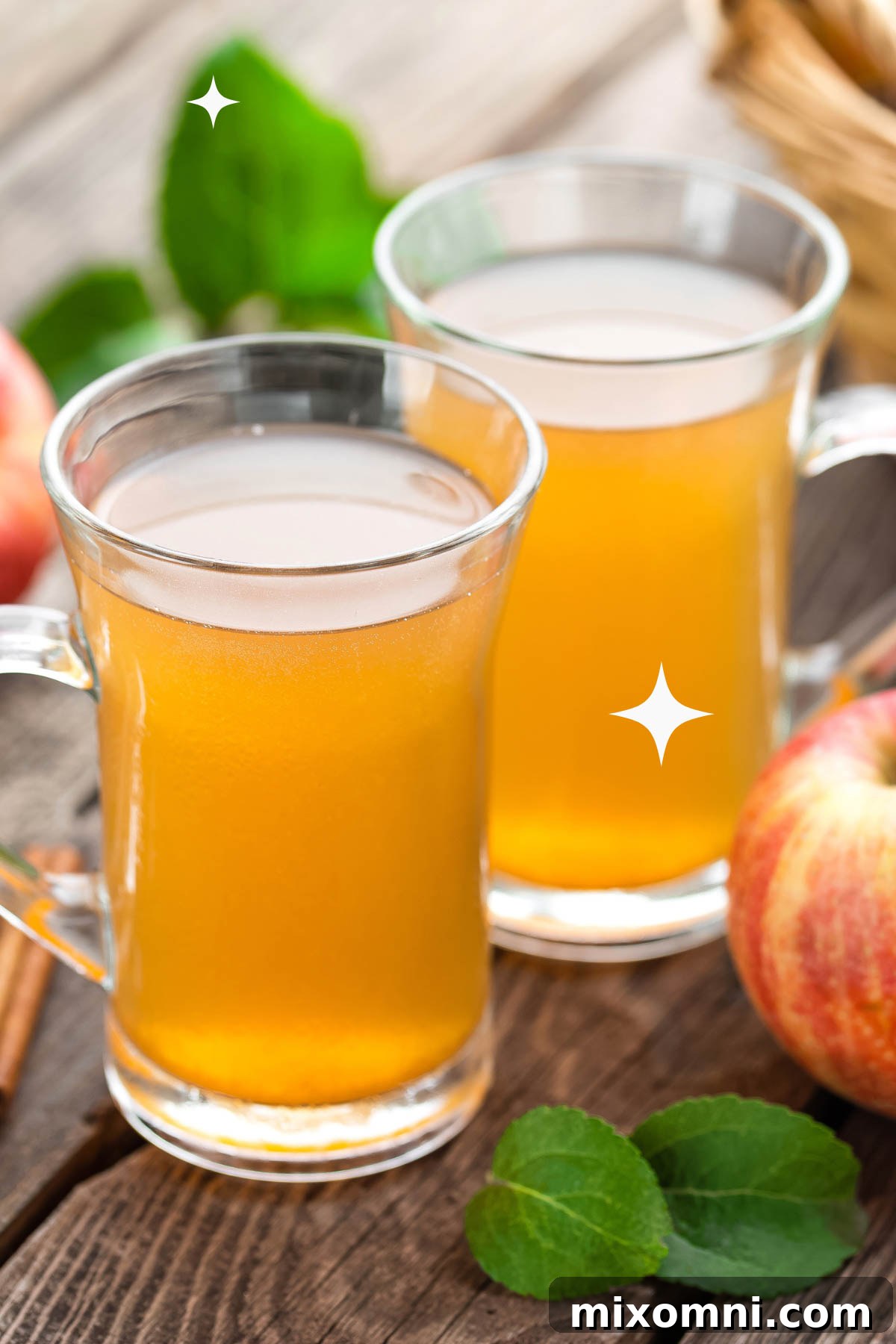
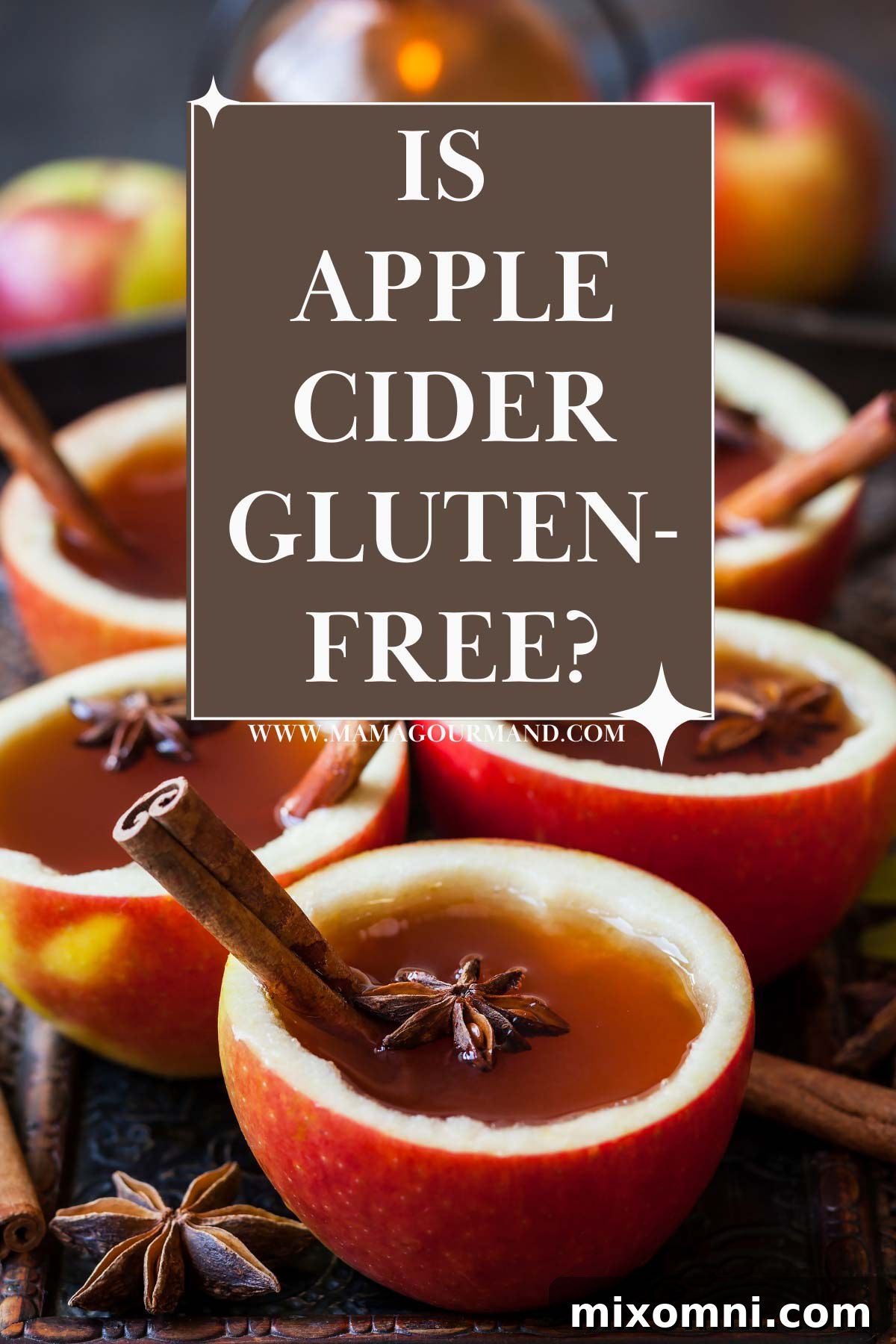
As the leaves change and a crisp autumn chill fills the air, a sparkling glass of apple cider becomes an irresistible treat. Whether served chilled straight from the fridge, gently warmed, or mulled with aromatic spices, it’s a quintessential seasonal beverage. The fundamental process of making traditional apple cider involves simply washing and pressing apples to extract their juice. Because apples themselves are naturally gluten-free, pure apple cider is inherently safe for individuals on a gluten-free diet. This makes it a fantastic choice for those looking for a wholesome, natural drink.
Potential for Cross-Contamination
While pure apple cider is gluten-free, vigilance is still necessary. The primary concern arises from the manufacturing environment. Some larger, mass-produced brands may process their apple cider in facilities or on equipment that also handles gluten-containing products. This raises the risk of cross-contamination, where trace amounts of gluten can inadvertently transfer into the cider. For individuals with high gluten sensitivity or celiac disease, even small amounts can trigger adverse reactions. To mitigate this risk, look for apple ciders that are explicitly labeled “certified gluten-free,” as this indicates they have met strict standards for gluten content and production practices. If a certification isn’t present, consider contacting the manufacturer directly to inquire about their processing methods and shared equipment policies.
Common Additives and Flavorings
Many commercially available apple ciders include additional ingredients to enhance flavor or extend shelf life. Ascorbic acid, a form of Vitamin C, is a common preservative added to cider, especially unpasteurized varieties, to maintain freshness and prevent oxidation. Ascorbic acid is naturally gluten-free and poses no risk. However, the introduction of various flavorings to create unique cider varieties, such as salted caramel, holiday spice, or fruit infusions, can complicate its gluten-free status. These flavorings are often listed vaguely as “natural flavors” or “artificial flavors” on ingredient labels. While most natural and artificial flavors are safe, some can be derived from gluten-containing sources, such as barley malt extract. To ensure maximum safety, particularly for those with severe sensitivities, always prioritize ciders with a clear “gluten-free” label, especially when flavorings are present. When in doubt, it’s always best to err on the side of caution and choose a pure, unflavored apple cider or confirm with the manufacturer.
Does Apple Juice Have Gluten?
Apple juice, much like its cider counterpart, is generally a safe bet for a gluten-free diet. Most apple juice is made from either 100% pure apple juice or from apple juice concentrate mixed with water. Since apples are naturally gluten-free, the resulting juice is also naturally free of gluten. However, the same precautionary principles that apply to apple cider should be considered when selecting apple juice.
Factors to Consider for Apple Juice
Similar to cider, some apple juice brands may add ascorbic acid as a preservative, which is gluten-free. The main areas of concern remain added artificial or natural flavors. While less common in standard apple juice than in specialty ciders, some flavored apple juices might include ingredients derived from gluten-containing grains. Always scrutinize the ingredient list carefully for any ambiguous terms or potential gluten sources. Furthermore, the possibility of cross-contamination due to shared manufacturing equipment also applies to apple juice. If a brand indicates that its product was processed on shared lines that also handle gluten, it might be best to choose an alternative that clearly states its gluten-free status.
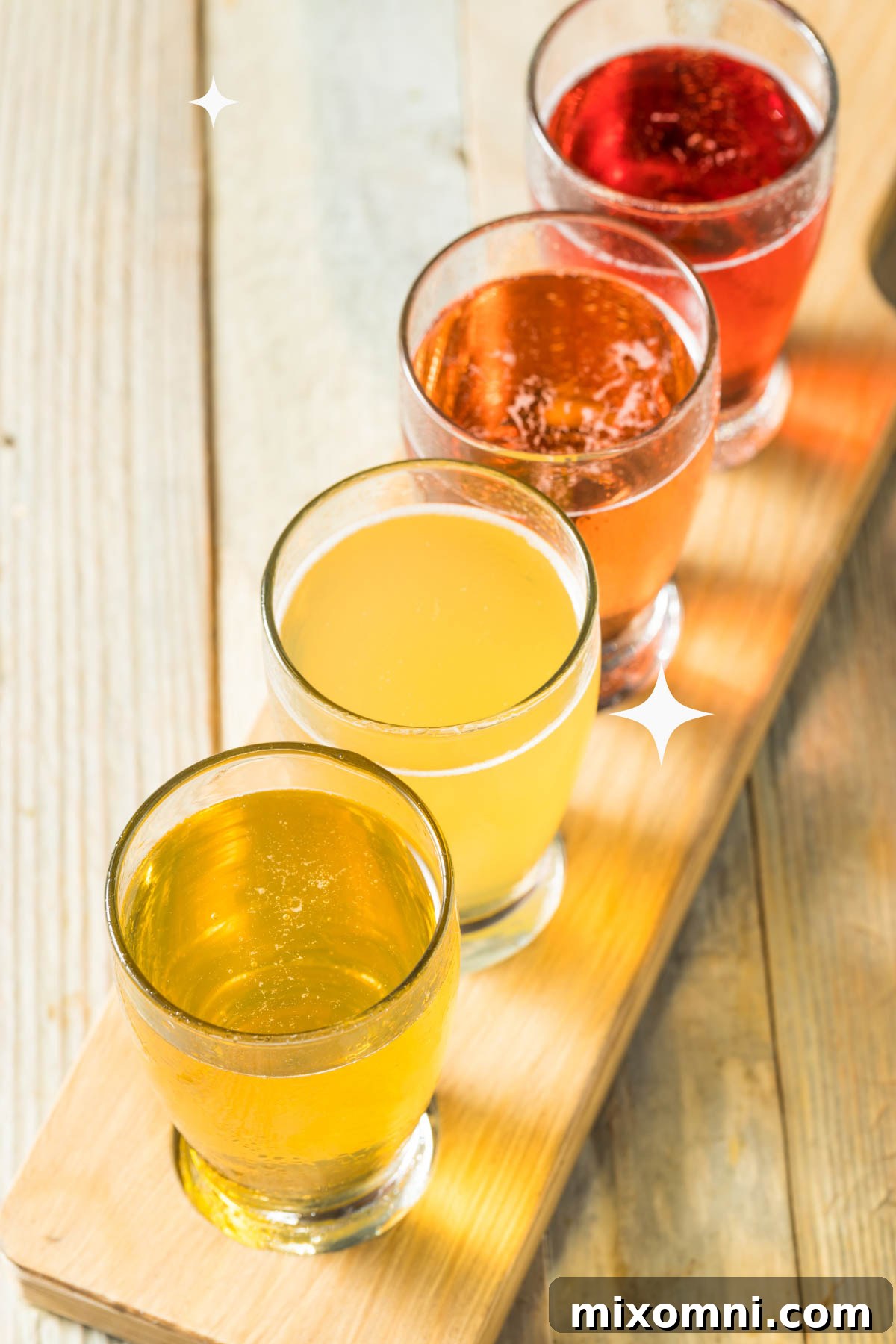
Is Hard Apple Cider Gluten-Free? A Refreshing Alternative
Hard apple cider has experienced a significant surge in popularity, particularly among those adhering to a gluten-free diet, serving as a delightful and safe alternative to traditional beer. Hard cider is produced by fermenting apples or other fruit juices with sugar and yeast. The yeast typically used in this fermentation process is naturally gluten-free, making the base product inherently safe to enjoy. This fermentation converts the natural sugars in the apples into alcohol, resulting in a crisp, often effervescent alcoholic beverage.
Navigating Potential Hidden Gluten in Hard Cider
Despite its naturally gluten-free foundation, hard cider requires careful label reading and brand awareness to ensure it remains safe for a gluten-free diet. The primary areas of concern for hidden gluten in hard ciders are:
- Added Flavorings and Sweeteners: Many hard cider brands incorporate various flavorings to create diverse profiles, from berry-infused to hopped varieties. As with non-alcoholic ciders, these “natural” or “artificial” flavors can sometimes be derived from gluten-containing grains like barley malt. Caramel coloring, while often gluten-free, can occasionally be made with barley malt, so it’s wise to check or opt for brands that explicitly state their caramel coloring source. Some hard ciders might also use additional sweeteners or fruit purees that could, in rare cases, contain gluten if processed on shared lines.
- Shared Bottling or Brewing Equipment: A significant risk for hard cider comes from facilities that also produce beer. If hard cider is bottled, kegged, or even fermented on shared equipment with gluten-containing beers, there is a distinct possibility of cross-contamination. Even thorough cleaning processes might not eliminate all trace amounts of gluten, posing a risk for highly sensitive individuals. Always look for ciders that are certified gluten-free or explicitly state they are processed in dedicated gluten-free facilities.
Trustworthy Gluten-Free Hard Cider Brands
Fortunately, many hard cider producers prioritize gluten-free consumers and clearly label their products. While this list is not exhaustive and formulations can change, here are some generally reliable gluten-free hard cider brands that are widely available:
- Angry Orchard
- Crispin
- Ace Cider
- Woodchuck Hard Cider
- Strongbow
- Magners Irish Cider
- Vander Mill Cider
- Original Sin Hard Cider
- Jack’s Hard Cider
- Blue Mountain Cider Company
- Ciderboys Hard Cider
- J.K. Scrumpy’s Organic Hard Cider
- Cider Riot!
- Stella Artois Cidre (in some markets, verify labels)
- Bold Rock Hard Cider
It is always recommended to check the specific company’s website for the most up-to-date ingredient lists, allergy statements, and information regarding their manufacturing processes to ensure the product meets your dietary needs.
Critical Ingredients to Watch Out For Across All Apple Products
Whether you’re reaching for fresh apple cider, bottled apple juice, or an alcoholic hard cider, a keen eye on the ingredient list is your best defense against gluten exposure. Here’s a consolidated overview of key ingredients and terms that warrant caution:
- Natural Flavors / Artificial Flavors: This is perhaps the most common ambiguous ingredient. While many flavorings are naturally gluten-free, some can be derived from gluten-containing sources like barley malt, especially in savory applications or complex spice blends. Without a “gluten-free” label, it’s difficult to ascertain their origin.
- Malt Extract / Malt Syrup: Any ingredient containing “malt” (e.g., malt extract, malt syrup, malt flavoring) is almost always derived from barley and therefore contains gluten. If you see this in any apple product, it is NOT gluten-free.
- Caramel Color: While E150d caramel color is generally gluten-free (produced from corn), some caramel colors can be produced using barley malt. If “caramel color” is listed without a “gluten-free” certification on the product, it’s a potential risk.
- Thickeners / Stabilizers: Less common in pure apple products, but some flavored or “enhanced” juices/ciders might use thickeners or stabilizers that could contain gluten. Always check.
- “Spices” or “Spice Blends”: Similar to natural flavors, sometimes spice blends can contain anti-caking agents or other ingredients that might have gluten. Again, a “gluten-free” label is your reassurance.
When in doubt, the safest approach is to either purchase products that are clearly labeled and certified gluten-free or to consult the manufacturer’s official website or customer service for clarification.
FAQs About Gluten-Free Apple Cider, Juice, and Hard Cider
How long is apple cider good for?
The shelf life of apple cider largely depends on whether it has been pasteurized and how it’s stored. Fresh, unpasteurized cider typically has a shorter shelf life. An unopened jug of fresh cider will generally stay good for up to two weeks when continuously refrigerated. Once opened, its freshness rapidly declines, and it should be consumed within 7-10 days. Beyond this period, the cider will naturally begin to ferment and turn. Signs that your cider has gone bad include a darker color, a distinctly sour smell or taste (beyond its natural tartness), or a frothy appearance on the surface, indicating the onset of unwanted fermentation. If you observe any of these signs, it’s best to discard the cider to avoid potential digestive upset.
Can I freeze apple cider?
Absolutely, apple cider freezes wonderfully, allowing you to enjoy the taste of fall long after the season ends. When preparing to freeze cider, remember that liquids expand as they freeze. To prevent your container from bursting, pour off about an inch or two of cider from the top of the jug or bottle to leave adequate headspace. Seal the container tightly and place it in the freezer. Apple cider can be safely frozen for up to eight months without significant loss of flavor or quality. To thaw, simply transfer the frozen cider to the refrigerator overnight. Once thawed, stir it well before serving to reintegrate any separated pulp.
How can I use leftover apple cider?
Don’t let any leftover apple cider go to waste; it’s a remarkably versatile ingredient that can enhance a multitude of dishes, both sweet and savory. Beyond simply pouring another glass, consider these creative culinary uses:
- Gluten-Free Breakfast Recipes: Incorporate cider as you would milk or water into gluten-free oatmeal for a comforting, spiced breakfast. Use it in gluten-free pancake or waffle batter for a subtle apple flavor, or reduce it down to create a delicious homemade gluten-free syrup. It also makes a fantastic liquid base for muffins or smoothies, adding natural sweetness and apple essence.
- Savory Dishes: Apple cider can replace broth in many gluten-free soups, lending a depth of flavor, particularly in fall-inspired recipes like butternut squash or pumpkin soup. It’s an excellent base for salad dressings, offering a tangy sweetness, and can significantly enhance the flavor of gluten-free gravy for roasted meats.
- Main Dishes and Marinades: Many gluten-free dinners benefit from the addition of apple cider or juice. It pairs exceptionally well with pork and poultry. Try it in recipes like pork apple meatloaf, roasted butternut squash and apple soup, or pumpkin apple pulled pork chili. Cider also makes a fantastic marinade, tenderizing meats and infusing them with a delicious, fruity tang.
- Desserts and Baking: Use cider in pies, crisps, or even a reduction sauce to drizzle over ice cream. It can add moisture and flavor to apple-themed gluten-free cakes and cookies.
- Cocktails and Mocktails: Beyond simply drinking it, apple cider can be a base for creative non-alcoholic mocktails or spiced alcoholic cocktails, especially when mulled.
Enjoying Your Gluten-Free Apple Beverages Safely
Whether you’re seeking the crisp taste of pure apple cider, the convenience of apple juice, or the celebratory kick of hard cider, embracing a gluten-free lifestyle doesn’t mean you have to miss out. By understanding the basics of gluten, being mindful of potential cross-contamination, and diligently reading labels for hidden ingredients, you can confidently choose and enjoy these delightful apple-based beverages. Always prioritize certified gluten-free products when possible, and when in doubt, a quick check with the manufacturer can provide the peace of mind you need. Cheers to safe and delicious gluten-free sipping!
SAVE THese gluten-free apple cider tips TO YOUR PINTEREST BOARD!
Let’s be friends on Pinterest! I’m always sharing great recipes!