
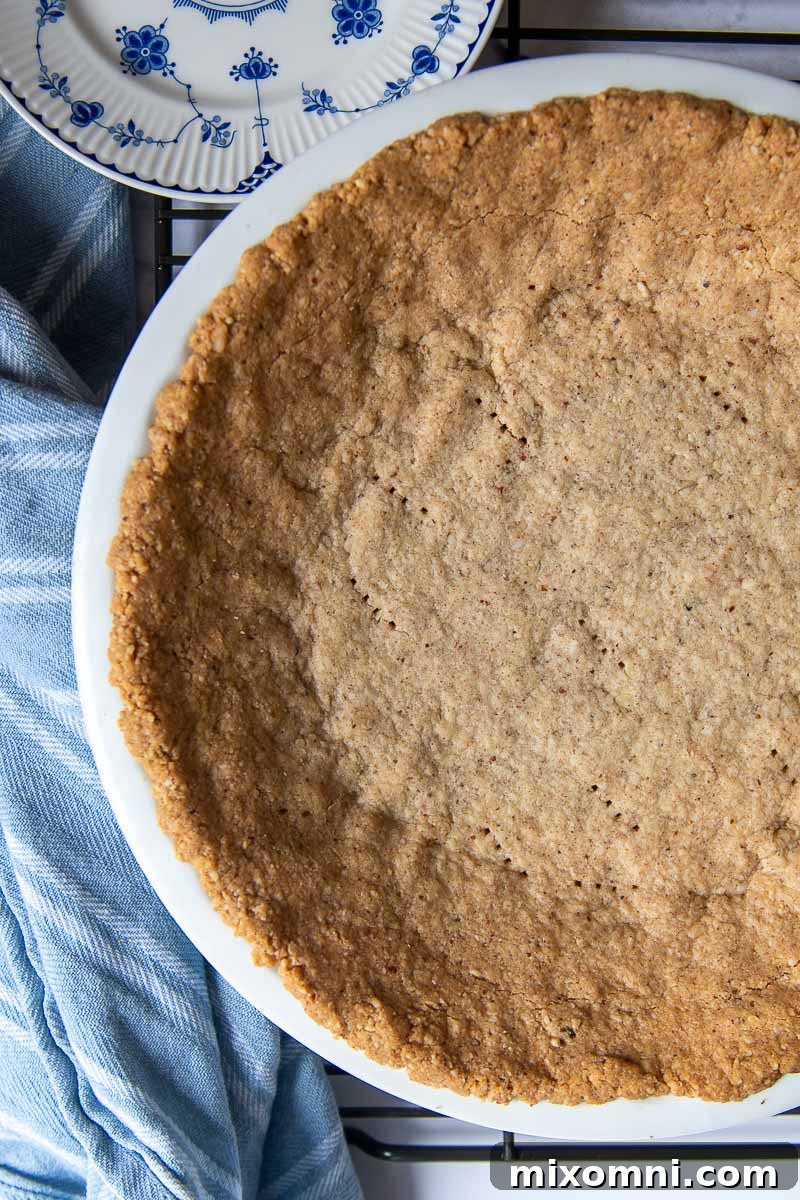
Craving an effortless, utterly delicious, and versatile pie crust? Look no further than this incredibly simple pecan crust! Made from a blend of finely ground pecans, or your choice of almonds or walnuts, this nut pie crust is a game-changer for any baker, from novice to expert. It whips up in just 5 minutes, requires only 3 essential ingredients, and remarkably, uses no flour, making it a perfect gluten-free option. This mix-and-press crust is ideal for a wide array of fillings, including classic pumpkin pies, decadent no-bake desserts, and creamy cheesecakes, offering a delightful nutty base every time.
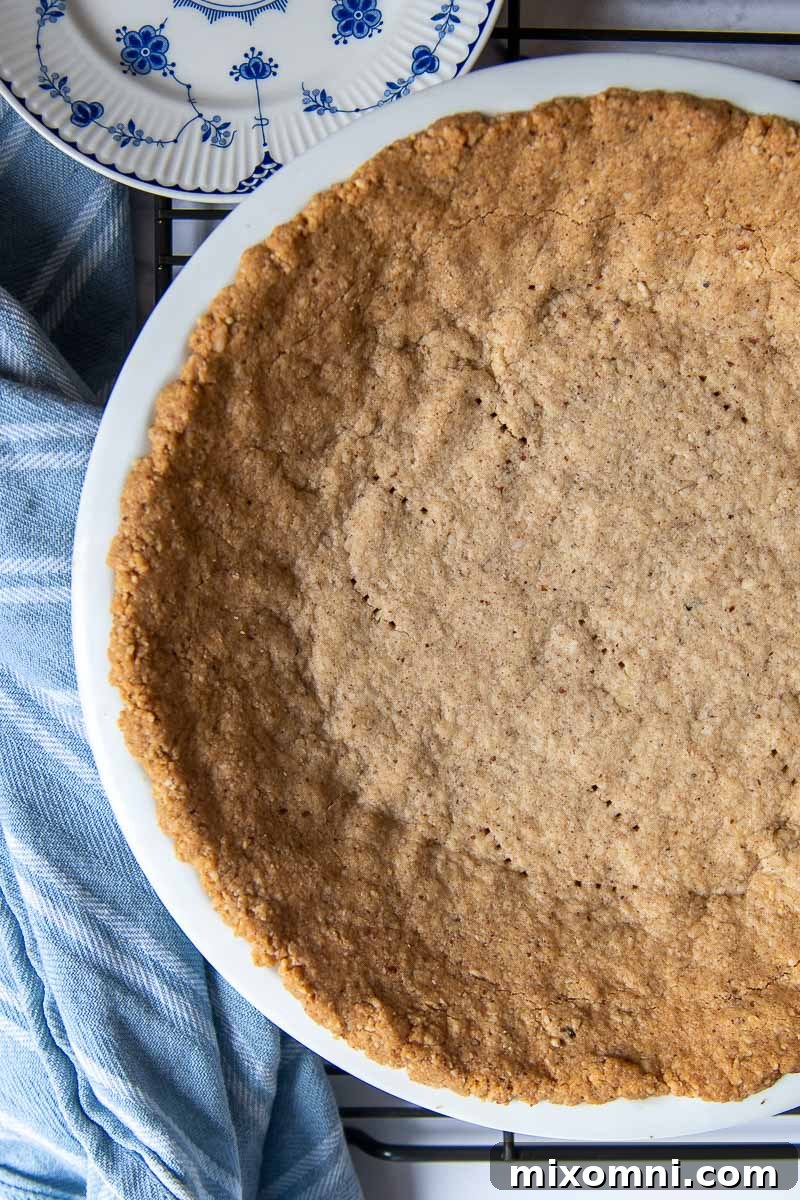
The Ultimate Easy Gluten-Free Pecan Nut Pie Crust
Discover the secret to a quick and easy dessert with our exceptional pecan crust. This recipe transforms your favorite homemade gluten-free pie aspirations into reality, whether you’re crafting baked masterpieces or delightful no-bake creations. It’s particularly fantastic for occasions like Thanksgiving, where a mixed-diet crowd is common, ensuring everyone can enjoy a slice of pie thanks to its universally appealing sweet and salty profile.
Beyond its delicious taste, the true beauty of this pecan pie crust lies in its unparalleled simplicity. Forget about tedious pie dough preparations, complicated rolling, or worrying about gluten sensitivities. This press-in nut crust is so straightforward that even those new to baking can achieve flawless results. The process is elegantly simple: just grind the pecans with softened butter and a touch of brown sugar, press the mixture firmly into your pie plate, and bake to golden perfection. It’s an effortless alternative that doesn’t compromise on flavor or texture, providing a robust and aromatic foundation for any filling, from a luscious creamy pumpkin cheesecake to a zesty lemon curd.
Love this recipe. We are gluten free and this is my go to crust now. Everyone loves it. I use it all kinds of desserts. Perfect every time.
—Wendi
Why Opt for a Pecan Nut Crust?
When it comes to pie crusts, the options are plentiful, but a pecan nut crust offers distinct advantages that set it apart. Firstly, its naturally gluten-free composition makes it an ideal choice for those with gluten sensitivities or celiac disease, eliminating the need for special flours or complex gluten-free dough recipes. This simplicity extends to its preparation; unlike traditional flour-based crusts that demand precise measurements, careful mixing, and often frustrating rolling, this nut crust is a simple “dump and press” affair. It’s incredibly fast, allowing you to prepare a perfect base in under 10 minutes, leaving more time for your filling and less stress in the kitchen.
Furthermore, the rich, buttery flavor and satisfying crunch of pecans (or other nuts like almonds or walnuts) add a depth of flavor that complements a wide range of dessert fillings. The slight sweetness from the brown sugar, balanced by the natural nuttiness, creates a sophisticated taste profile that enhances any pie or cheesecake. This crust also offers a unique texture, a delightful contrast to softer fillings, providing an appealing chewiness that traditional flaky crusts don’t always deliver. It’s not just a base; it’s an integral component of your dessert’s overall experience.
Gather Your Simple Ingredients
One of the most appealing aspects of this pecan crust is its minimal ingredient list. You’ll only need three pantry staples to create a stunning and flavorful pie base. Let’s take a closer look at each component and why it’s essential for achieving that perfect crust.
The Nuts: Pecans, Almonds, or Walnuts
The star of our crust! You’ll need 2 cups of chopped pecans. Pecans offer a distinct buttery, slightly sweet flavor that works wonderfully with most dessert fillings. However, this recipe is incredibly adaptable. You can easily substitute pecans with other nuts like almonds, walnuts, or even macadamia nuts, depending on your preference or what you have on hand. Each nut will lend a slightly different flavor profile to your crust, so feel free to experiment! For the best results, ensure your nuts are fresh and raw (not roasted and salted, unless that’s a flavor you’re intentionally aiming for). If you’re using whole nuts, chop them roughly before adding them to the food processor to help with even grinding.
Sweetness: Packed Brown Sugar
For sweetness and a delightful caramel note, we use 2 tablespoons of packed brown sugar. Brown sugar not only adds flavor but also helps bind the crust together and contributes to that beautiful golden-brown color during baking. Its moist texture also aids in the “press-in” consistency. If you’re looking for a low-carb or keto-friendly alternative, you can substitute the brown sugar with an equivalent amount of a granular erythritol-based sweetener, ensuring your crust fits various dietary needs without sacrificing taste.
The Binder: Softened Butter
The final key ingredient is 3 tablespoons of softened butter. Butter is crucial here as it acts as the primary binder, holding the ground nuts and sugar together to form a cohesive crust. It also imparts a rich, luxurious flavor that perfectly complements the nuts. Make sure your butter is truly softened to room temperature – not melted, but pliable enough to mix easily. If you’re dairy-free or vegan, you can substitute regular butter with a good quality vegan butter alternative or even coconut oil (ensure it’s solid but soft) for a similarly delicious result. The fat content helps create a tender yet firm crust.
Step-by-Step: Crafting Your Perfect Pecan Crust
(Below shows step-by-step photos and modified instructions. For the complete recipe, along with ingredient amounts, scroll down to the recipe card.)
Step 1: Combine All Ingredients
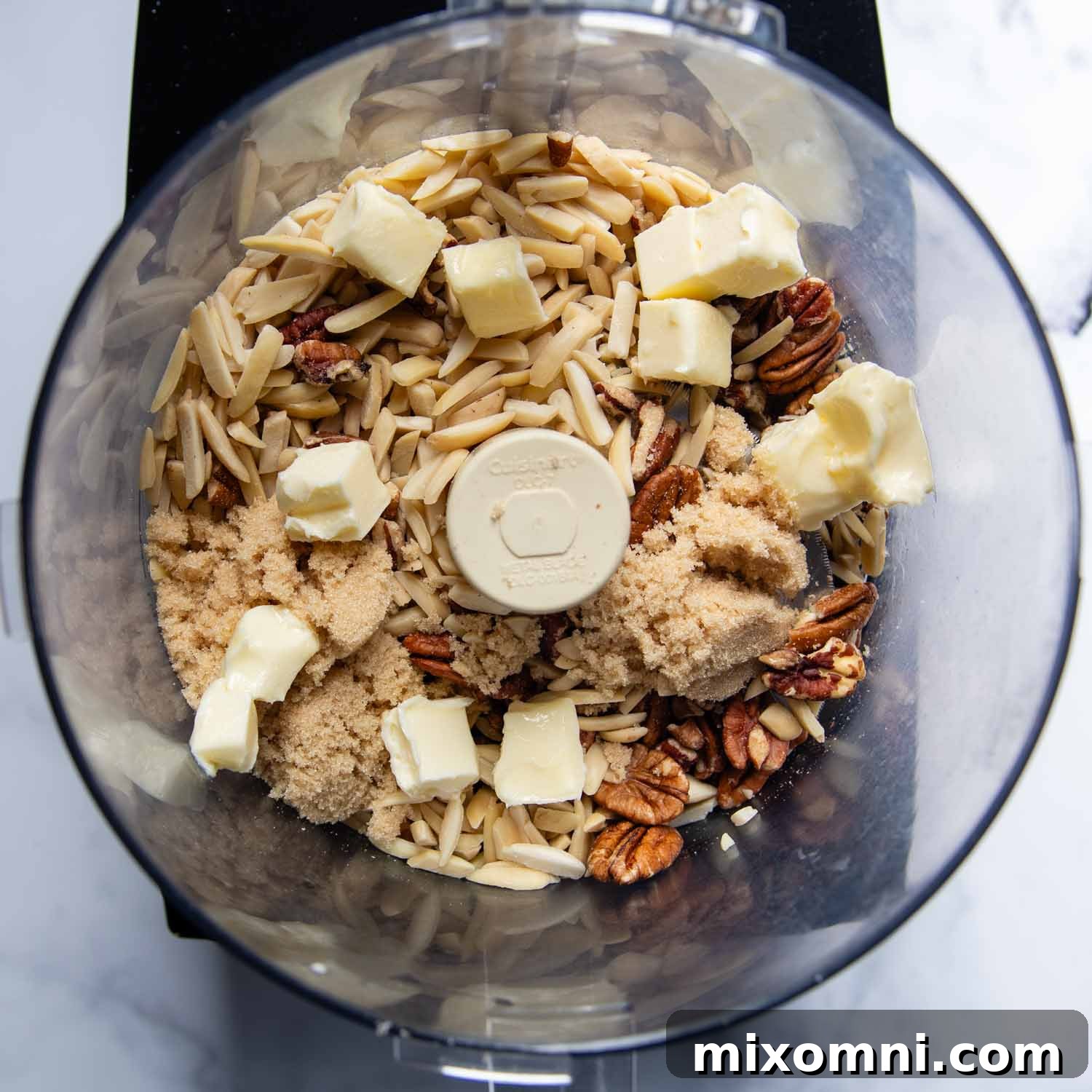
Begin by gathering your prepared ingredients: chopped pecans (or your chosen nuts), packed brown sugar, and softened butter. Place all three components directly into the bowl of a food processor. Using a food processor is the quickest and most efficient method, transforming the ingredients into a perfect crust mixture in seconds. If you don’t have a food processor, don’t worry! Consult the detailed notes in the recipe card for instructions on how to prepare this crust by hand or with a powerful blender.
Step 2: Process to a Fine Crumble
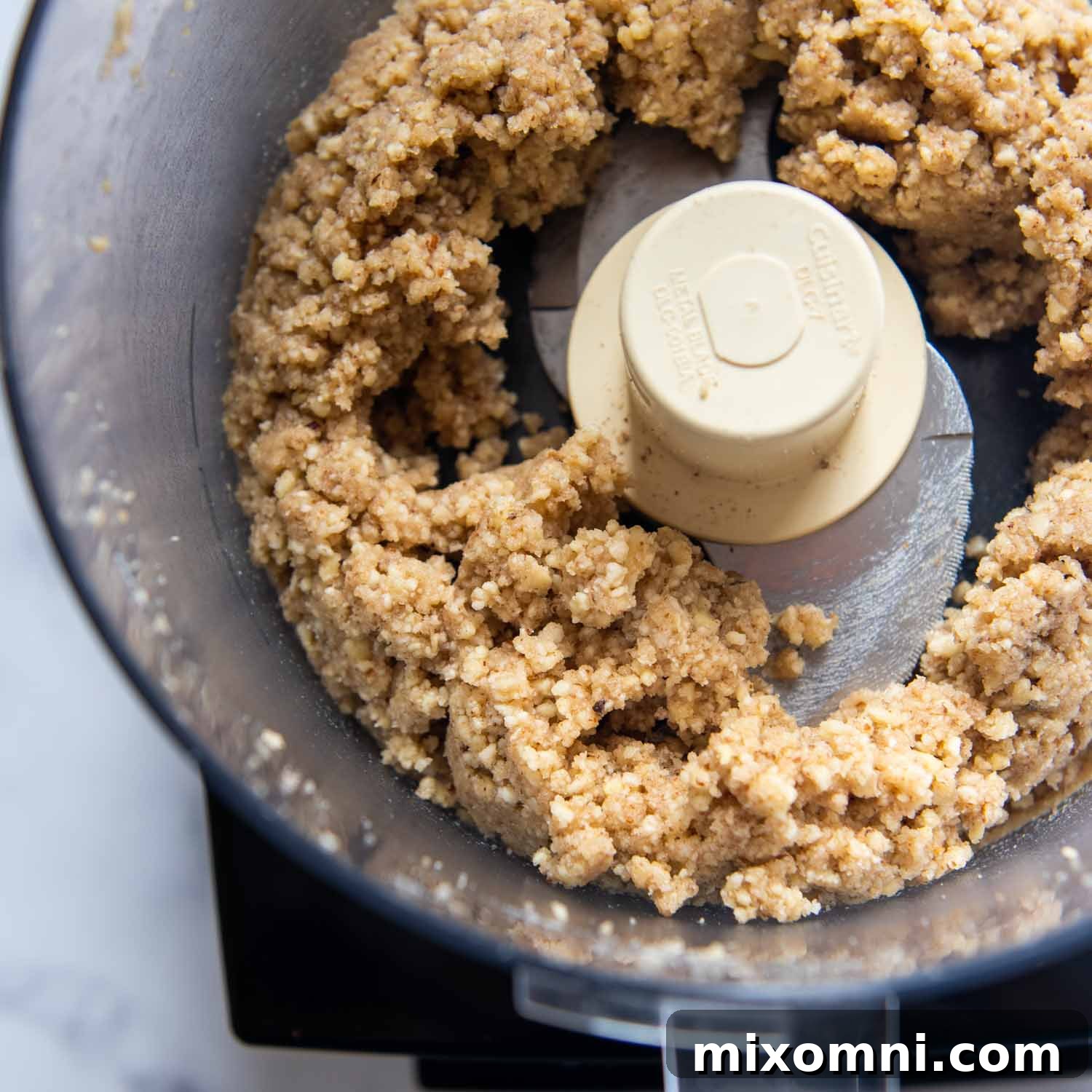
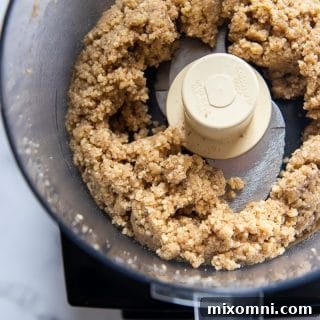
Secure the lid on your food processor and pulse, then process the mixture until the nuts are finely ground and the ingredients are well combined. This usually takes about 45 seconds to 1 minute, depending on your food processor’s power. You’re looking for a texture that resembles coarse, moist sand or fine crumbs. When pinched between your fingers, the mixture should hold together. During processing, you might need to stop and scrape down the sides of the bowl with a spatula to ensure all the nuts are evenly processed and no large chunks remain.
Step 3: Press, Chill, and Bake
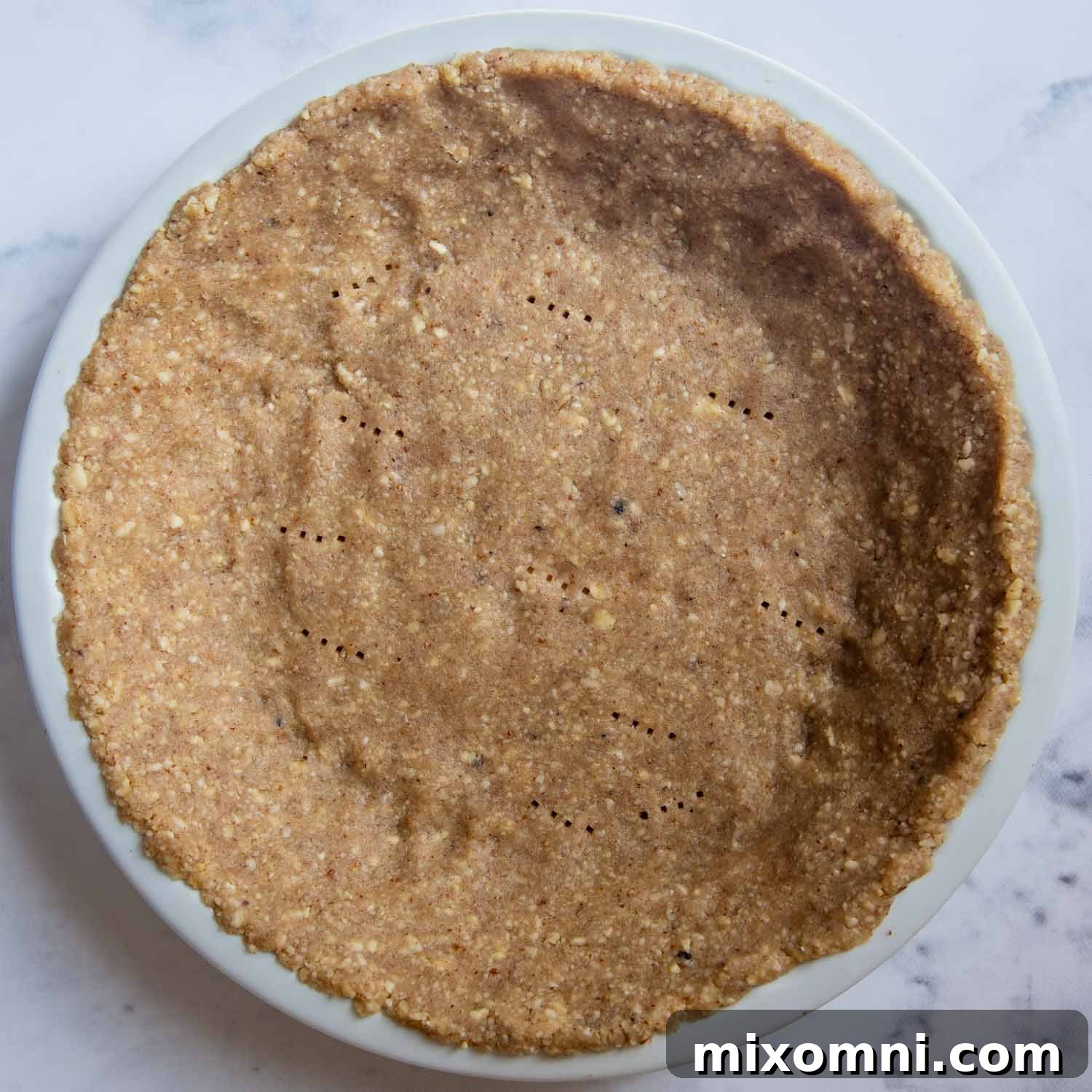
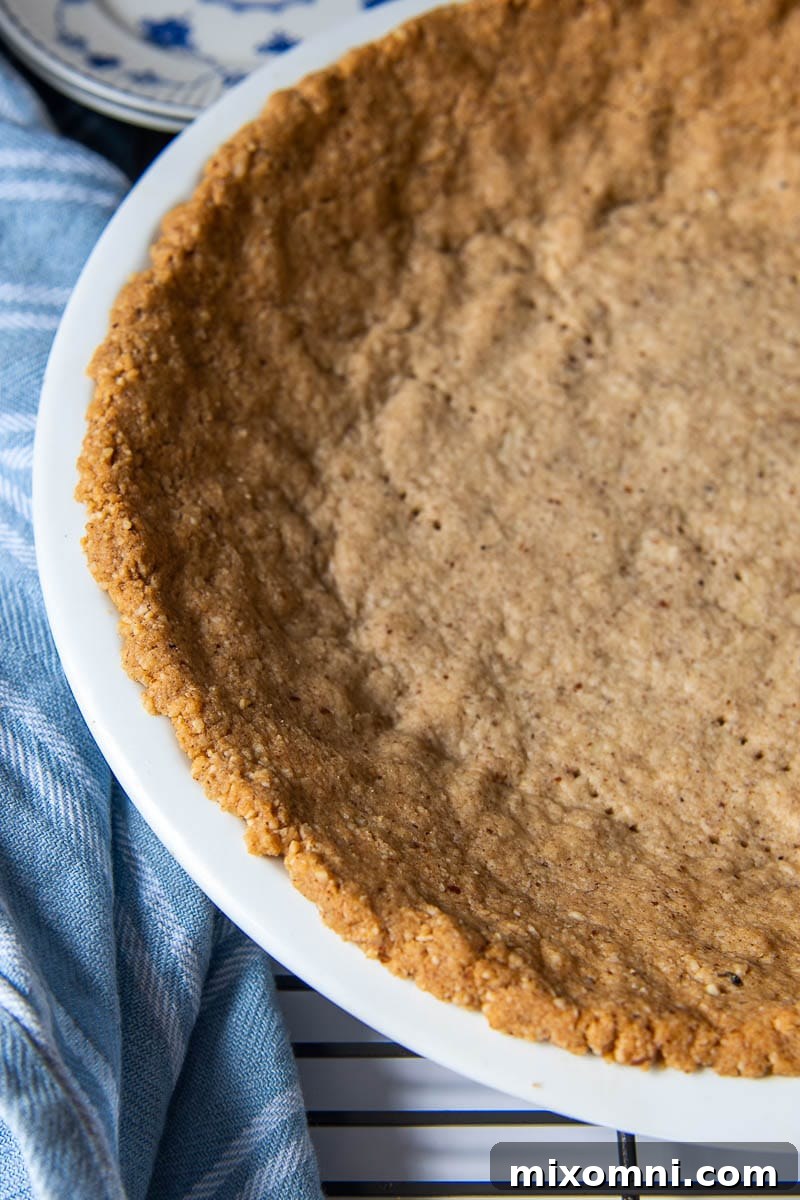
Transfer the processed nut mixture into a 9-inch pie plate. Using the back of a spoon, a flat-bottomed glass, or your fingers, firmly press the mixture evenly across the bottom and up the sides of the pie plate. It’s important to press it down well to create a sturdy crust that won’t crumble. Once formed, place the pie plate in the refrigerator for at least 30 minutes, or in the freezer for 15 minutes, until the crust is firm. Meanwhile, preheat your oven to 350ºF (175ºC). Before baking, prick the bottom of the chilled crust lightly with a fork; this helps prevent it from puffing up excessively. For optimal heat distribution and a perfectly crisp bottom, place the pie plate on a baking sheet and bake it on the lowest oven rack for 20-25 minutes, or until golden brown around the edges. This baking sheet helps conduct heat directly to the bottom of the crust. If the edges begin to brown too quickly, you can use a pie shield or aluminum foil strips to protect them. The crust will puff slightly during baking but will settle as it cools. Allow the crust to cool completely on a wire rack before adding any filling.
Versatile Fillings: What Pairs Perfectly with This Pecan Crust?
The beauty of this easy pecan pie crust lies in its incredible versatility. Its rich, nutty flavor and firm texture make it a fantastic foundation for nearly any dessert. Whether you prefer baked, no-bake, or cheesecake fillings, this crust adapts beautifully. Here are some ideas to inspire your next culinary creation:
- Pumpkin Pie with Pecan Pie Crust: For a delightful twist on a fall classic, this crust is sublime with pumpkin pie. To achieve the best texture, partially bake the crust for about 10 minutes at 350ºF (175ºC) first. Then, pour in your pumpkin pie filling and bake at 400ºF (200ºC) for an additional 45-60 minutes, or until the custard is set and a knife inserted near the center comes out clean. The nutty pecan flavor complements the warm spices of pumpkin perfectly.
- Stove-Top Fruit Pies & Tarts: While baked fruit fillings can sometimes make the crust soggy, this pecan base is ideal for stove-top fruit fillings. Think vibrant berry compotes, apple pie filling, or cherry pie filling that have been cooked and thickened on the stovetop. Ensure the fruit filling is completely cooled before adding it to the fully baked and cooled pecan crust to maintain its crispness. This combination offers a wonderful contrast of textures and flavors.
- Irresistible No-Bake Desserts: This crust truly shines with no-bake fillings. Fully bake and cool the nut pie crust, then fill it with your favorite chilled concoction. Popular choices include creamy chocolate mousse, silky peanut butter pie (like this chocolate peanut butter pie), refreshing key lime pie, or even a simple vanilla pudding. The sturdy nature of the baked nut crust provides a perfect vessel for these softer, unbaked fillings, offering a satisfying crunch with every spoonful.
- Decadent Cheesecakes: For cheesecakes, this pecan crust is an exceptional choice. After blending the pecan mixture, press it into the bottom of a springform pan. A 9-inch springform pan will yield a slightly thicker crust, while a 10-inch pan will result in a thinner, more delicate layer. For no-bake cheesecake fillings, bake the crust fully and allow it to cool completely before adding the chilled filling. For baked cheesecake fillings, pre-bake the crust for approximately 10 minutes before pouring in your cheesecake batter. Always place the springform pan on a baking sheet before baking to prevent any leaks and ensure even cooking. The rich, salty crunch of the pecan crust pairs magnificently with the creamy tang of cheesecake, creating a dessert that’s both familiar and exciting.
Can I Use Pecan Flour for This Recipe?
Absolutely! If you happen to have pecan flour or pecan meal readily available, it can be a fantastic shortcut for this recipe. You can easily adapt the crust by replacing the chopped pecans with 2 cups of prepared pecan flour. Using pecan flour eliminates the need for a food processor, as the nuts are already finely ground. Simply combine the pecan flour with the brown sugar and softened butter in a mixing bowl and mix until well incorporated. This makes it an even quicker and simpler option for those who prefer to mix by hand or don’t own a food processor, yielding a wonderfully smooth and consistent crust.
Troubleshooting: Why is My Pecan Crust Soggy?
A pecan pie crust offers a delicious gluten-free alternative, providing a distinct texture compared to traditional pastry dough or the crispness of a graham cracker crust. It’s natural for a nut crust to soften slightly once a moist filling is added, as it absorbs some of the liquid. However, if your crust becomes excessively soggy, there are a few common culprits and solutions to consider to ensure you achieve the best possible texture:
- Insufficient Baking Time: The most common reason for a soggy crust is not baking it long enough. Ensure the crust is baked until golden brown and firm to the touch, especially on the bottom. The recommended baking time of 20-25 minutes on the lowest rack is crucial for properly setting the crust.
- Excessive Filling Moisture: Some fillings inherently contain more moisture than others. Pumpkin pie, for instance, bakes with the crust and its custard-like filling will naturally result in a softer crust texture compared to a chilled, no-bake filling. For very wet fillings, an additional 5-10 minutes of pre-baking the empty crust can help create a stronger moisture barrier.
- Pan Choice Matters: For the crispiest results, consider the type of pie pan you’re using. Metal pie pans tend to conduct heat more efficiently and evenly than glass or ceramic, leading to a crisper bottom crust.
- Baking Technique: Always place your chilled crust on a baking sheet before putting it in the oven. This simple step significantly helps conduct more heat to the bottom of the crust, promoting even baking and preventing a raw or soggy base. Baking on the lowest oven rack further aids in crisping the bottom.
- Cooling Process: Ensure your crust is completely cooled on a wire rack before adding any filling. Adding a filling to a warm crust can trap steam and lead to sogginess.
While a pecan crust may not achieve the same “snap” as a graham cracker crust, following these tips will help you create a wonderfully firm, flavorful, and satisfying base for your desserts.
Make-Ahead and Storage Tips
This easy pecan crust is fantastic for meal prep and planning ahead, making your dessert assembly even smoother. You can prepare the crust in advance and store it to save time on busy baking days.
- Make-Ahead (Unbaked): You can prepare the pecan mixture, press it into your pie plate, and refrigerate it for up to 2-3 days before baking. Ensure it’s tightly covered with plastic wrap to prevent it from drying out or absorbing odors from the fridge. When ready to bake, follow the instructions as usual, adding a few extra minutes to the baking time if starting from a very cold state.
- Make-Ahead (Baked): Once baked and completely cooled, the empty pecan crust can be stored at room temperature, loosely covered, for up to 2 days. For longer storage, wrap it tightly in plastic wrap and then aluminum foil, and freeze for up to 1 month. Thaw in the refrigerator before filling.
- Storing Filled Pies/Desserts: Pies or cheesecakes with this pecan crust should be stored according to the requirements of their filling. Most pies and cheesecakes require refrigeration. If refrigerated, the crust will soften slightly over time due to moisture absorption from the filling. This is natural and still delicious!
Save this Recipe to Your Pinterest Board!
Let’s be friends on Pinterest! I’m always sharing great recipes!
Did you make this recipe? I love hearing from you! Leave a star rating and comment below the recipe card. It helps others when searching for recipes and I appreciate feedback from our community. You will always hear back from me! -Melissa
Easy, 5-Minute Pecan Crust For Pie (Press In)

Melissa Erdelac
10
5
25
1
Pin
Rate
Remove Ads
Ingredients
- 2 cups chopped pecans, (or other nuts, like walnuts, almonds, or macadamia)
- 2 tablespoons packed brown sugar
- 3 tablespoons butter, softened
Equipment
-
Food Processor
-
Pie Plate
-
Pie Shield
Instructions
-
Place the chopped pecans, sugar, and softened butter into the food processor (see recipe notes for by hand instructions).
-
 Blend until nuts are finely ground, about 45 seconds – 1 minute. Scrape down bowl or pulse, as necessary, to make sure nuts are even in size.
 -
Press down into a 9″ pie plate firmly on bottom and up sides. The dough will be soft, so spread out the bottom down first with a spatula and then use your fingers to press it up the sides evenly.
-
Refrigerate for 30-45 minutes, or freeze for 15 minutes, until chilled and firm. Preheat oven to 350ºF (175ºC).
-
Prick bottom of pie crust with fork. PLACE PIE ON A BAKING SHEET and bake on the LOWEST RACK for 20-25 minutes. If upper crust is becoming overly browned, use a pie shield to protect it. The crust will puff up slightly during baking, but go down as it cools.
-
Cool on wire rack completely before filling.
Notes
Making Without A Food Processor
Use a powerful blender, such as a Vitamix or BlendTec, or mix by hand. For the by-hand method, crush the nuts finely first, using a coffee grinder, rolling pin, or mallet, and use a wooden spoon to stir with sugar and softened butter.
Alternatively, replace the nuts with 2 cups pecan flour and mix all the ingredients in a mixing bowl.
Why place the pecan crust on a baking sheet?
Placing a pie crust on a baking sheet conducts the heat to the bottom of the pie dish so the bottom bakes evenly with the upper crust. For best results use a metal pie dish and bake on the lowest oven rack.
Can I bake a pie in a pecan crust?
Yes. I have tried a pumpkin pie with pecan pie crust and it turned out great! The nut flavor compliments the pumpkin filling well. However, please note, the filling’s moisture does make the crust softer, therefore making the crust not as crispy.
Do I have to bake the crust before filling?
Yes and no. If the filling is cold and the pie will be refrigerated, you could forgo baking the crust first. However, I do think the texture and taste is enhanced with baking.
Calories:
176kcal
,
Carbohydrates:
5g
,
Protein:
2g
,
Fat:
18g
,
Saturated Fat:
3g
,
Cholesterol:
9mg
,
Sodium:
31mg
,
Potassium:
81mg
,
Fiber:
2g
,
Sugar:
3g
,
Vitamin A:
116IU
,
Vitamin C:
1mg
,
Calcium:
17mg
,
Iron:
1mg
Did you make this recipe?
Please leave a star rating and review below. It helps others when searching for recipes and I LOVE feedback!