
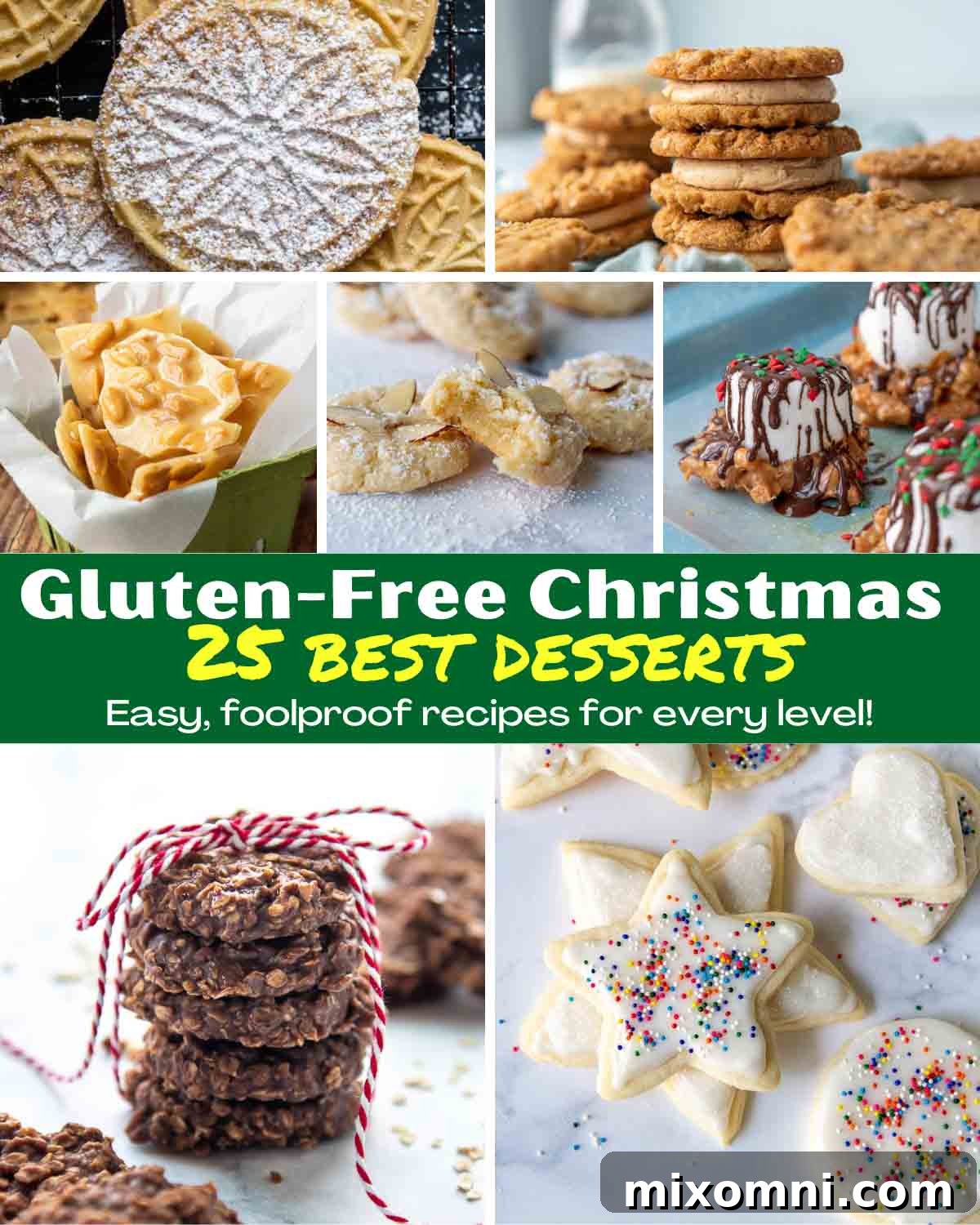
The Ultimate Guide to Easy Gluten-Free Christmas Cookies for a Joyful Holiday Season
Searching for the absolute best Christmas cookie recipes that everyone in your family will adore, regardless of dietary needs? Look no further! This comprehensive guide brings you an incredible collection of easy gluten-free Christmas cookies, ranging from cherished classics like cut-out sugar cookies, delightful gingerbread, and comforting chocolate chip cookies, to innovative no-bake treats and wonderfully flourless delights. Beyond the mouth-watering recipes, you’ll discover invaluable gluten-free baking and storage tips to ensure your holiday season is filled with delicious, stress-free success!
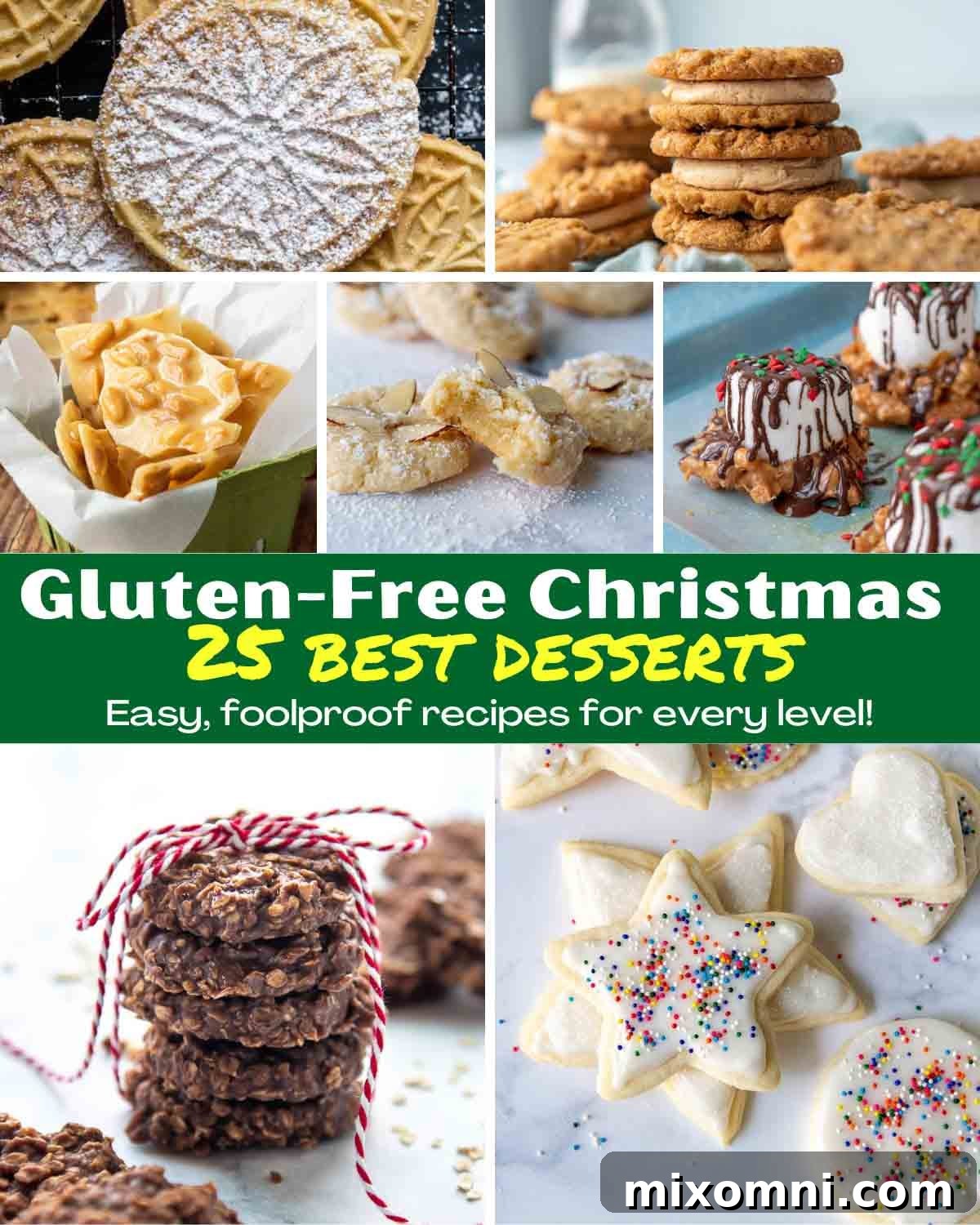
Embracing Gluten-Free Holiday Baking: No More Disappointment!
Gone are the days when baking gluten-free Christmas cookies meant sacrificing taste, texture, or the festive joy of sharing. Modern gluten-free flours and carefully developed recipes have transformed the experience, making it possible to create treats that are indistinguishable from their traditional counterparts. Our collection focuses on recipes that not only taste fantastic but are also straightforward to follow, guaranteeing delightful results for every home baker.
When curating recipes for gluten-free cookies, the paramount consideration is that the flavor and texture must rival the originals. This philosophy underpins all the dessert recipes featured on our website and in our gluten-free cookbook. For a holiday season centered around an abundance of cookies and sweet treats, this commitment to quality is doubly important. Prepare to be amazed as these cookie recipes not only surpass your gluten-free expectations but become beloved by everyone at your holiday table!
Table of Contents
- Mastering Gluten-Free Baking: Pro Tips and Troubleshooting
- Why are my gluten-free cookies dry and crumbly?
- Why did my gluten-free cookies spread too much?
- Why are my gluten-free cookies gritty?
- Why do gluten-free cookies become stale so quickly?
- Essential Baking Equipment for Gluten-Free Success
- Our Favorite Gluten-Free Christmas Cookie Recipes
- Beyond the Bake: Storing and Freezing Gluten-Free Holiday Treats
- Choosing the Best Gluten-Free Flour for Your Cookies
- Dairy-Free Delight: Modifications for Gluten-Free & Dairy-Free Baking
Mastering Gluten-Free Baking: Pro Tips and Troubleshooting
Transform all your gluten-free baking endeavors into triumphs! Here, you’ll find solutions to the most common challenges encountered when making gluten-free Christmas cookies. Follow these straightforward tips to achieve soft, chewy textures, optimal flavor, and consistently outstanding results every time.
Why are my gluten-free cookies dry and crumbly?
Gluten-free cookie dough often has a different appearance and feel compared to dough made with wheat flour. A common mistake is attempting to make it more pliable by adding extra flour, which inevitably leads to dry, crumbly cookies. To prevent this, always chill your dough for at least 1 hour before attempting to shape or roll it. The cold temperature helps the dough firm up and become much easier to handle.
Another excellent trick to boost moisture is to substitute a small portion of the gluten-free flour (no more than 1/4 cup) with almond flour. This addition contributes healthy fats and a delightful richness, as demonstrated in our popular gluten-free Crumbl cookies recipe. Lastly, always err on the side of slightly underbaking your cookies. Since warm gluten-free cookies can be more delicate, allow them to cool completely on the baking sheets before moving them. This ensures they set properly and maintain their integrity.
Why did my gluten-free cookies spread too much?
Fats like butter and oil are absorbed differently by gluten-free flours, often resulting in excessive spreading during baking. Fortunately, there are effective strategies to combat this:
- Chill the Dough: This is crucial. Chilling firms up the fats in the dough, preventing them from melting too quickly in the oven.
- Use Softened, Not Melted Butter: Softened butter incorporates air, which helps create a stable structure. Melted butter, on the other hand, makes the dough too fluid.
- Shape into Tall Cylinders: Instead of rolling dough into perfect spheres, try shaping them into slightly taller cylinders. This gives the dough more vertical structure to expand from, leading to thicker, more beautifully shaped cookies.
- Avoid Over-Greasing Baking Sheets: Parchment paper or silicone mats are preferable, as excess grease can contribute to spreading.
Why are my gluten-free cookies gritty?
A sandy or gritty texture is a common complaint with gluten-free baked goods. This occurs when the starches in gluten-free flour blends don’t fully hydrate. The simple solution is to let your gluten-free cookie dough rest for at least 30 minutes after mixing and before baking. This resting period allows the liquids and fats to properly saturate the starches, dissolving any unpleasantly gritty particles and resulting in a much smoother, more enjoyable texture.
Why do gluten-free cookies become stale so quickly?
It’s true that gluten-free cookies generally have a shorter shelf life than their traditional counterparts. This is because gluten-free starches are less efficient at retaining moisture. However, this doesn’t mean you can’t enjoy soft, chewy cookies for longer! Proper storage and freezing techniques are key to preserving their deliciousness. Scroll down to our dedicated storing and freezing tips section for detailed advice on how to maintain optimal texture and extend freshness!
Essential Baking Equipment for Gluten-Free Success
Having the right tools can make all the difference in achieving perfect gluten-free Christmas cookies, year after year. These recommended items are staples in our kitchen and will significantly enhance your baking experience:
- Nordicware Baking Sheets: These affordable yet high-quality baking sheets are fantastic for even heat distribution. This means your cookies will bake uniformly, no matter where they are placed on the tray, resulting in consistent golden-brown edges and perfectly cooked centers.
- Parchment Paper or Silicone Baking Mats: Essential for easy release! These prevent sticking and make cleanup a breeze. They also contribute to more even baking by providing a non-stick surface without the need for excessive grease, which can cause cookies to spread.
- Cookie Scoops: A game-changer for uniform cookies! Cookie scoops ensure consistent sizing, which is vital for even baking. Plus, they make shaping and portioning dough incredibly quick and mess-free. We use various sizes for everything from cookies and muffins to drop dumplings and more.
- Stand Mixer: While an investment, a stand mixer is truly indispensable, especially when working with gluten-free doughs. These doughs can often be denser and harder to mix by hand. A stand mixer effortlessly handles the mixing, ensuring consistent results and saving you significant effort.
Our Favorite Gluten-Free Christmas Cookie Recipes
It’s time to gather your mixing bowls, vibrant sprinkles, and festive holiday cookie platters! Below, you’ll discover a curated list of the absolute best gluten-free recipes for Christmas cookies, featuring everything from a classic gluten-free sugar cookie recipe perfect for cut-outs, to richly satisfying grain-free delights, and so much more. Get ready to bake some holiday magic!
Below this delightful recipe collection, you’ll also find essential storing and freezing tips, simple dairy-free modifications, and expert recommendations for the best gluten-free flours to use. Keep scrolling!
1. No-Fail Gluten-Free Cut-Out Sugar Cookies
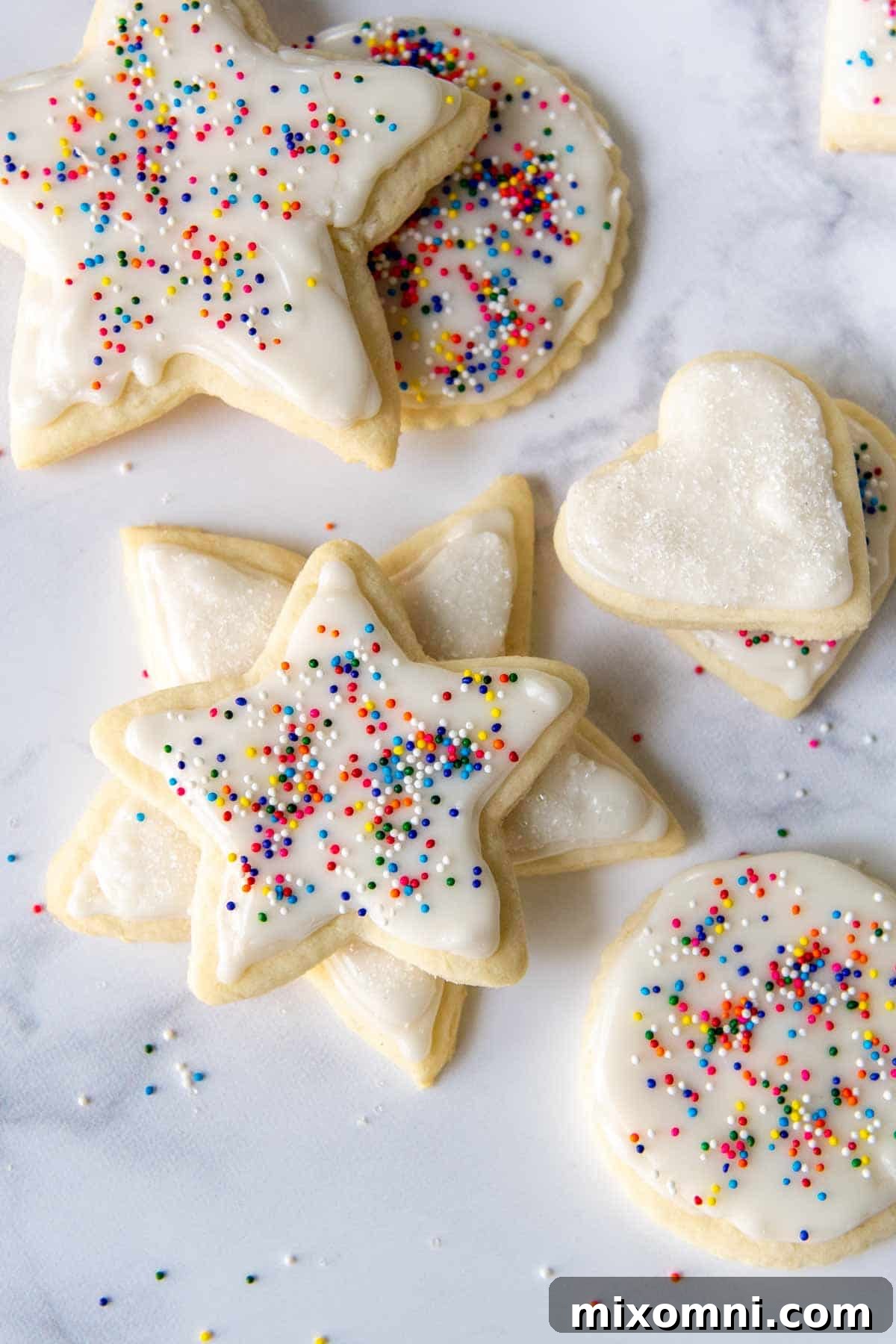
Get The Recipe
2. 10-Minute No-Bake Preacher Cookies (Naturally Gluten-Free)
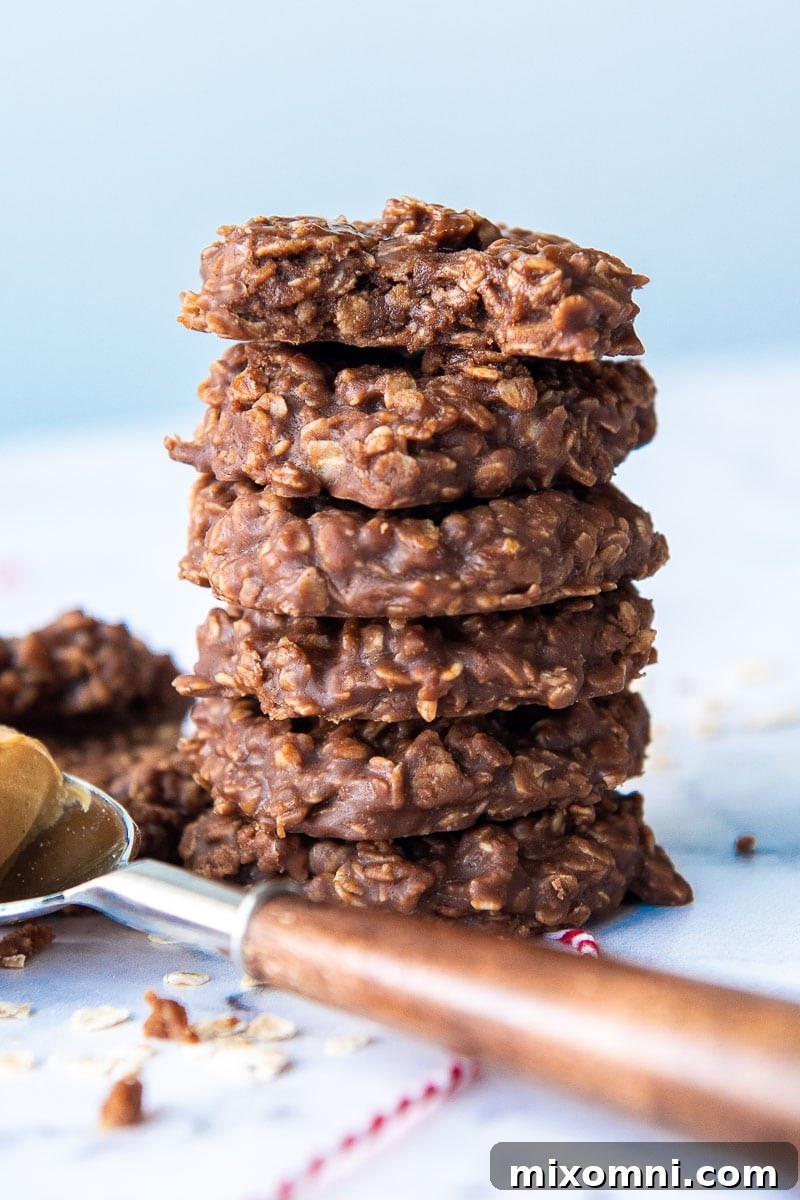
Get The Recipe
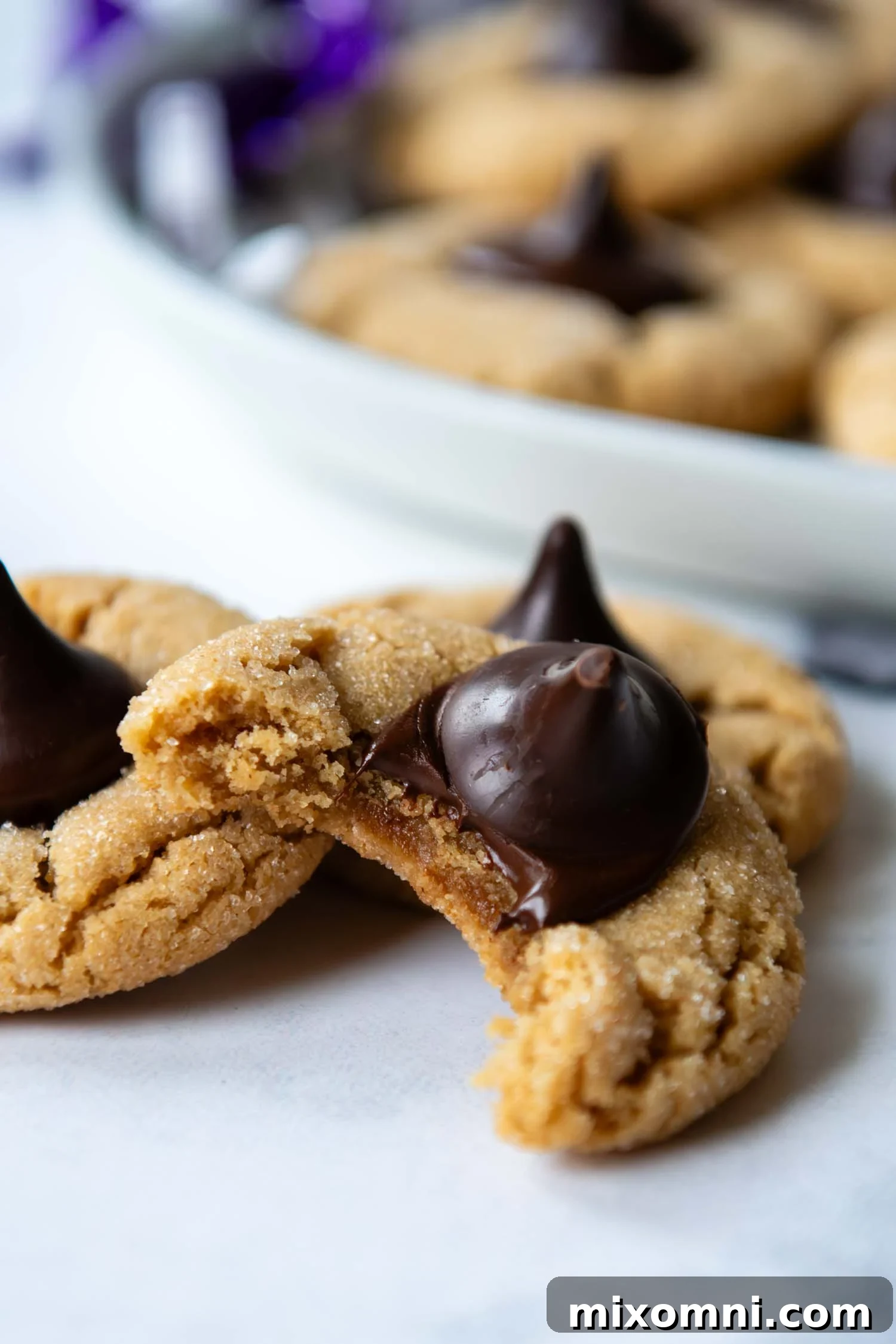
3. Vintage, Soft Gluten-Free Peanut Butter Blossoms
Get The Recipe
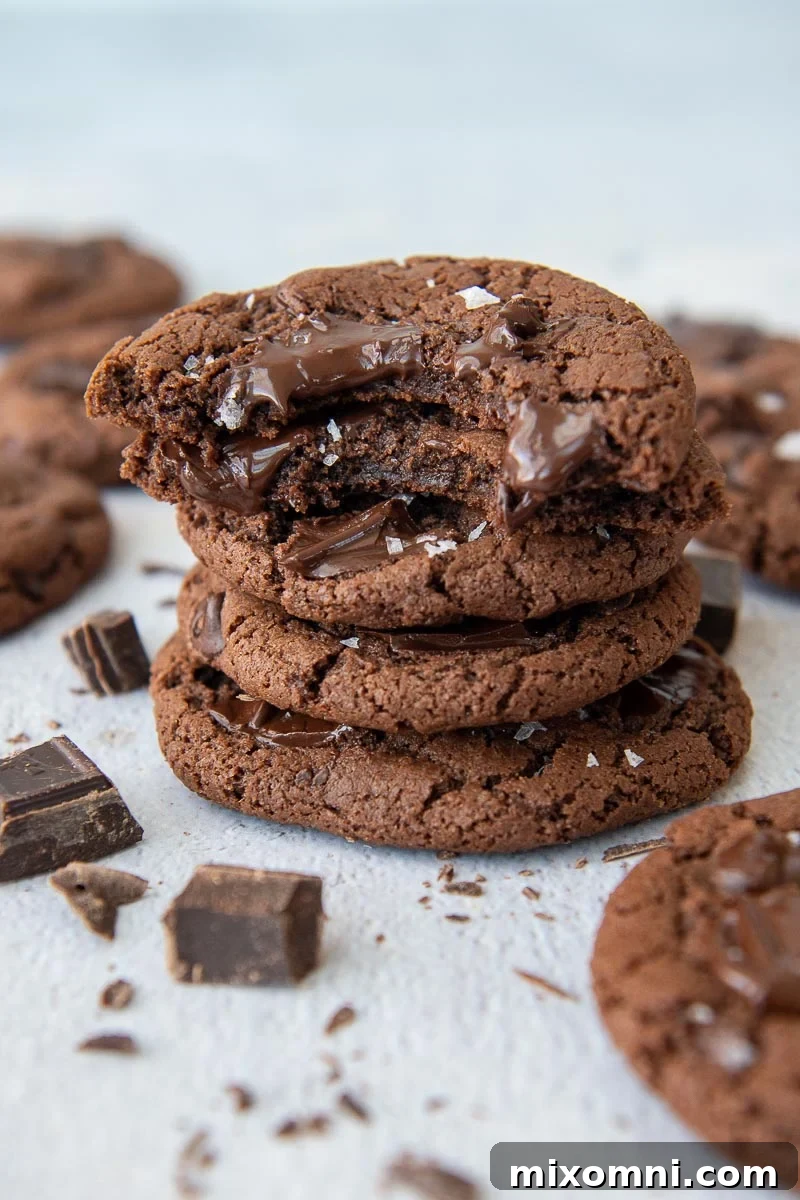
4. Fudgy Gluten-Free Double Chocolate Chip Cookies
Get The Recipe
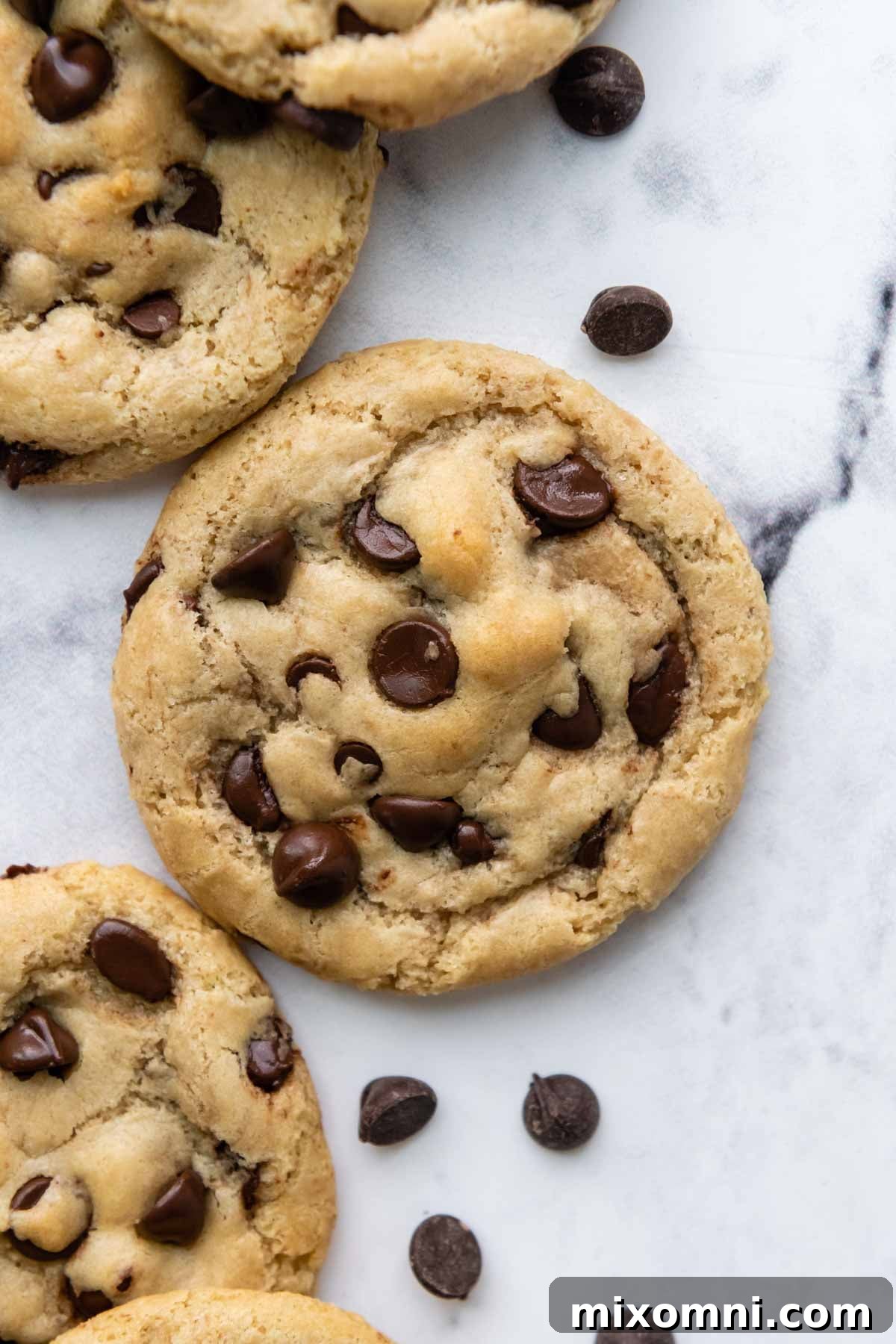
5. Seriously, THE BEST Gluten-Free Chocolate Chip Cookies
Get The Recipe
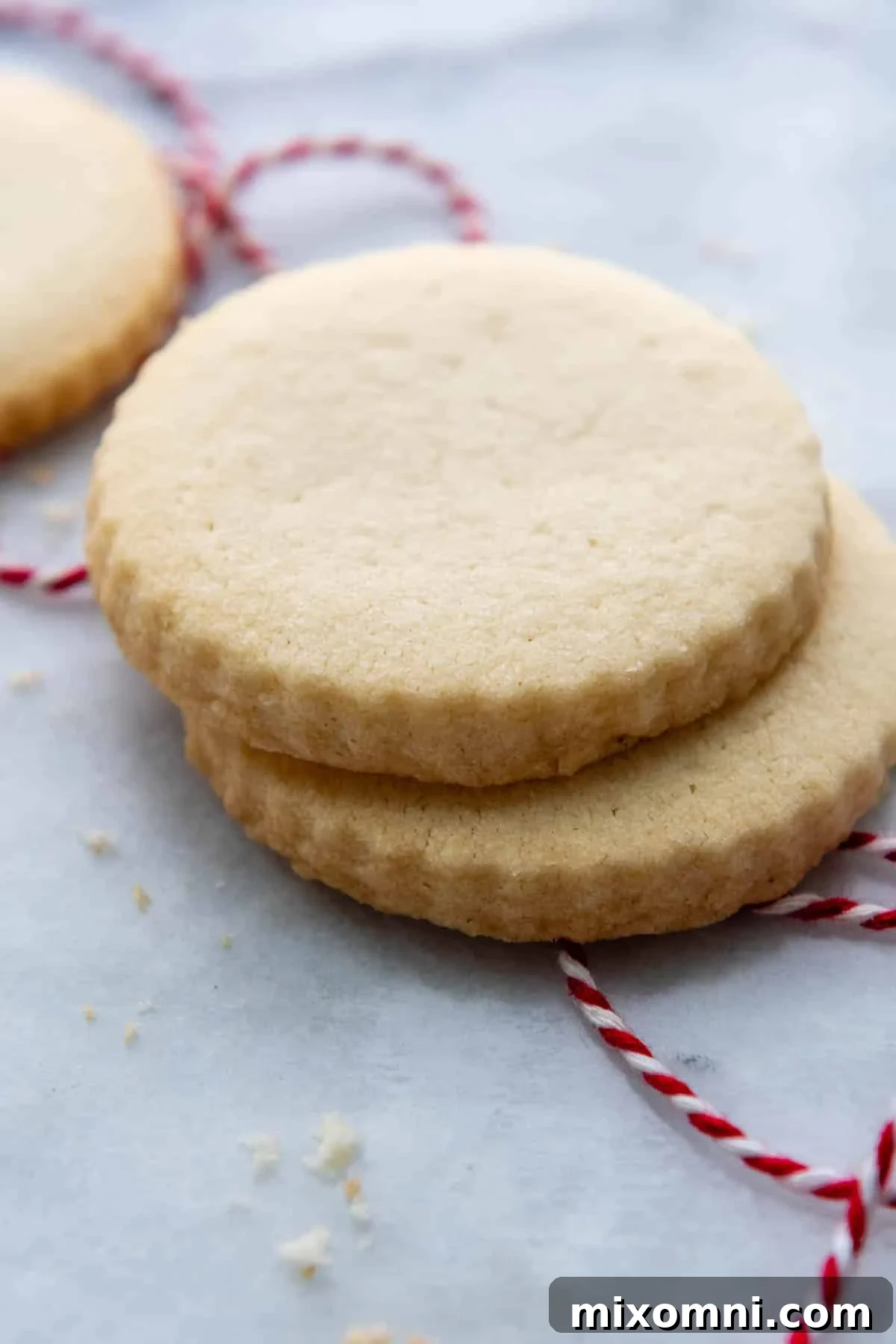
6. Tender & Buttery Gluten-Free Shortbread Cookies
Get The Recipe
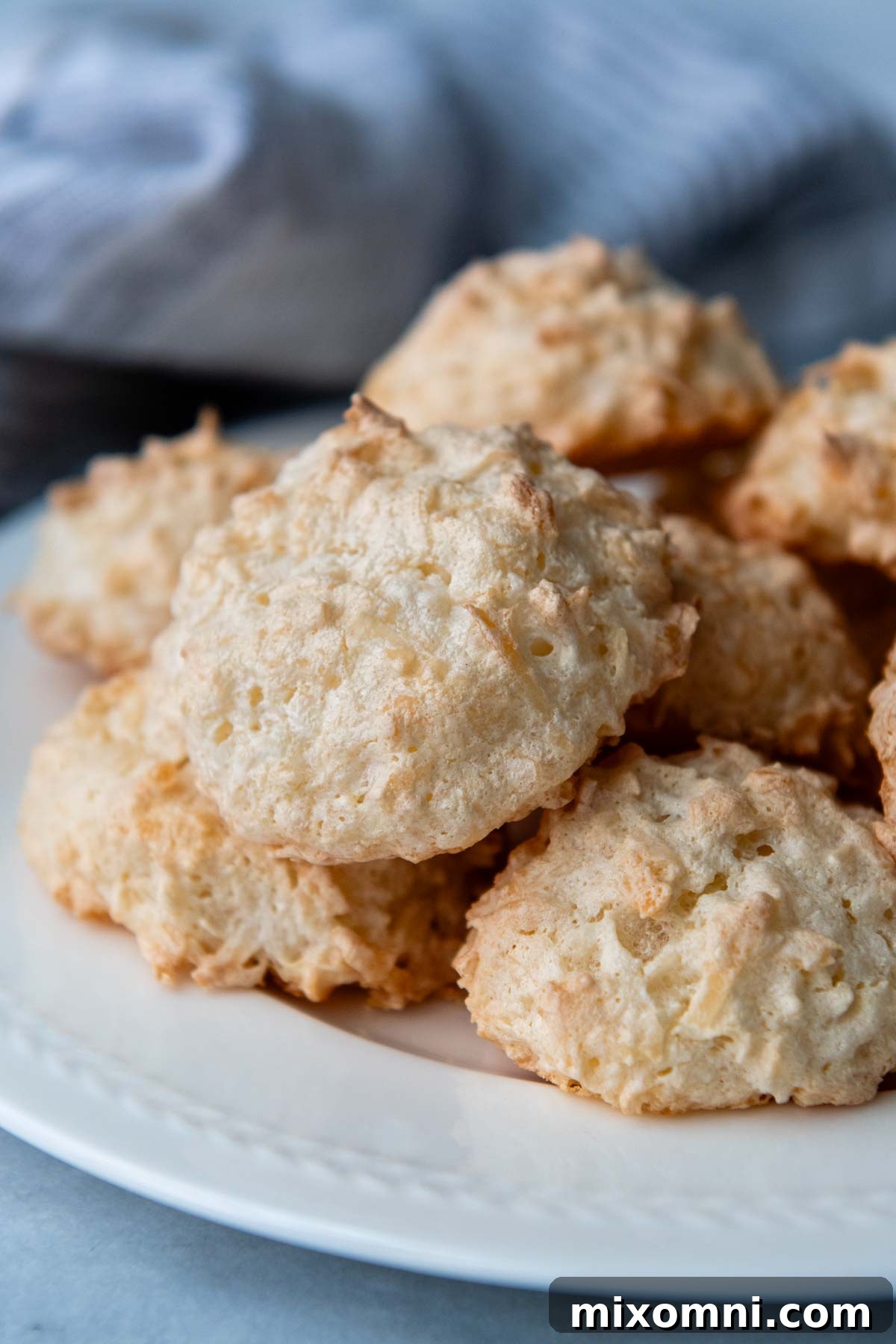
7. Light, Airy Gluten-Free Coconut Macaroons
Get The Recipe
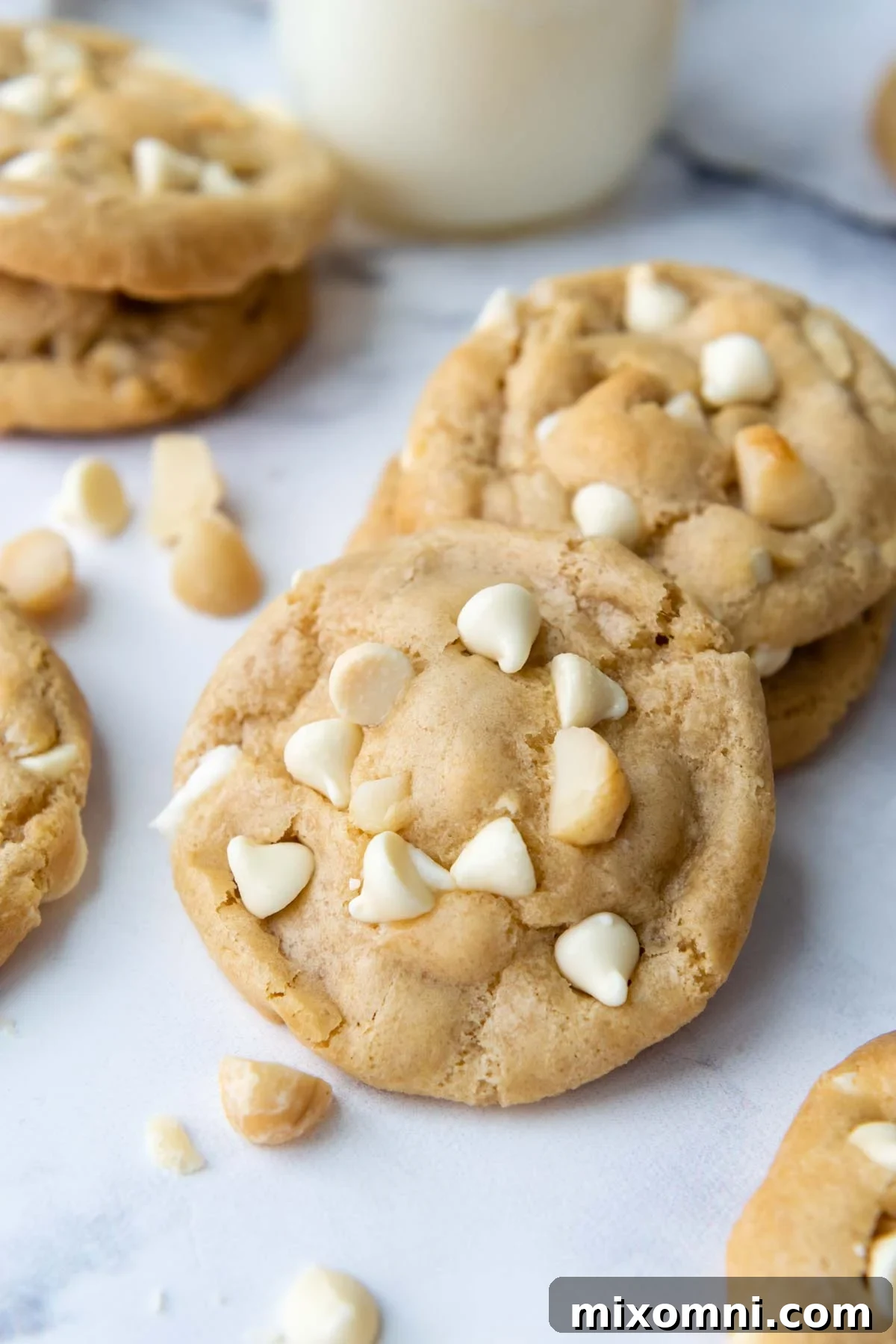
8. Softest Gluten-Free White Chocolate Macadamia Nut Cookies
Get The Recipe
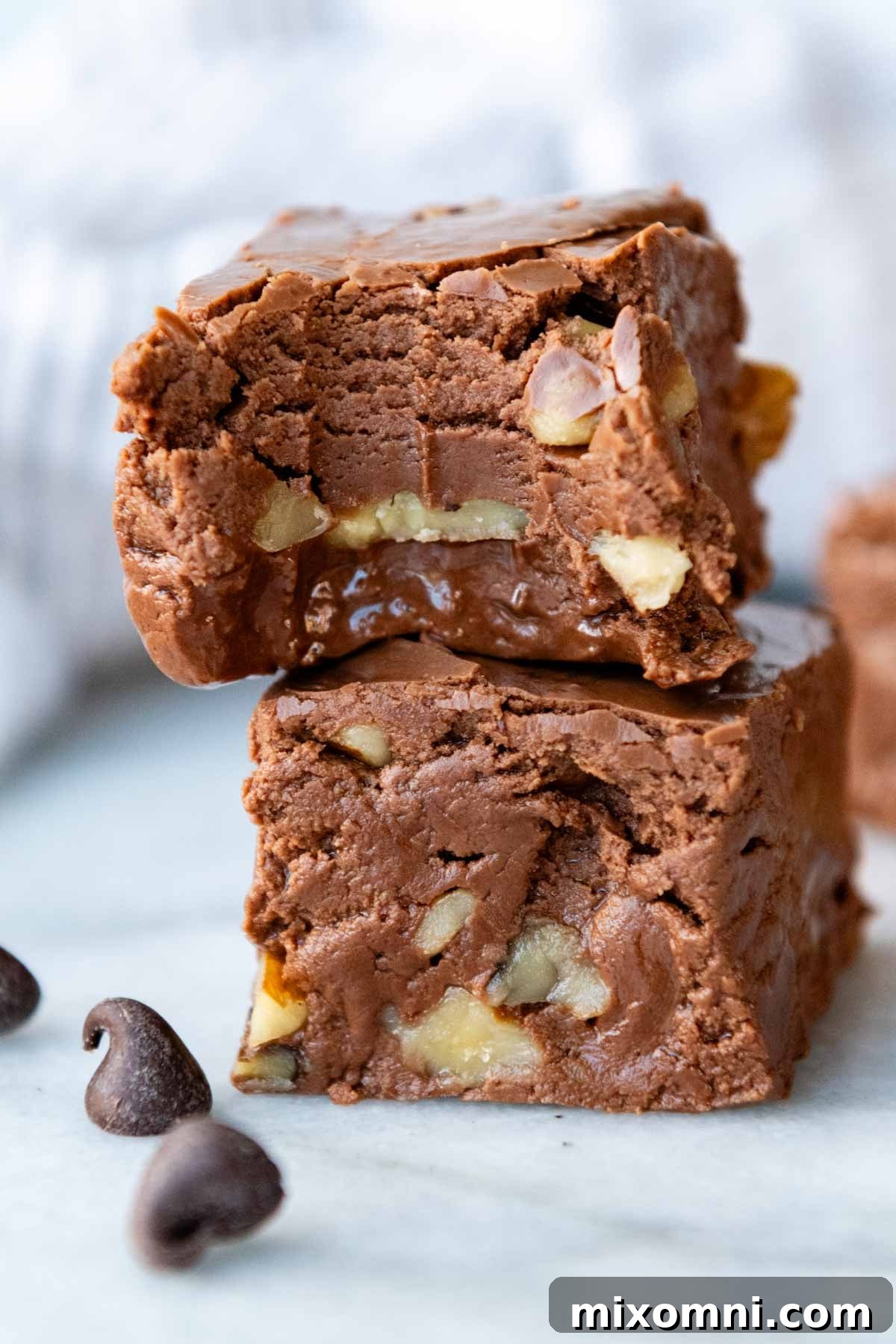
9. Creamiest Gluten-Free Fudge (Easy, No-Fail Recipe)
Get The Recipe
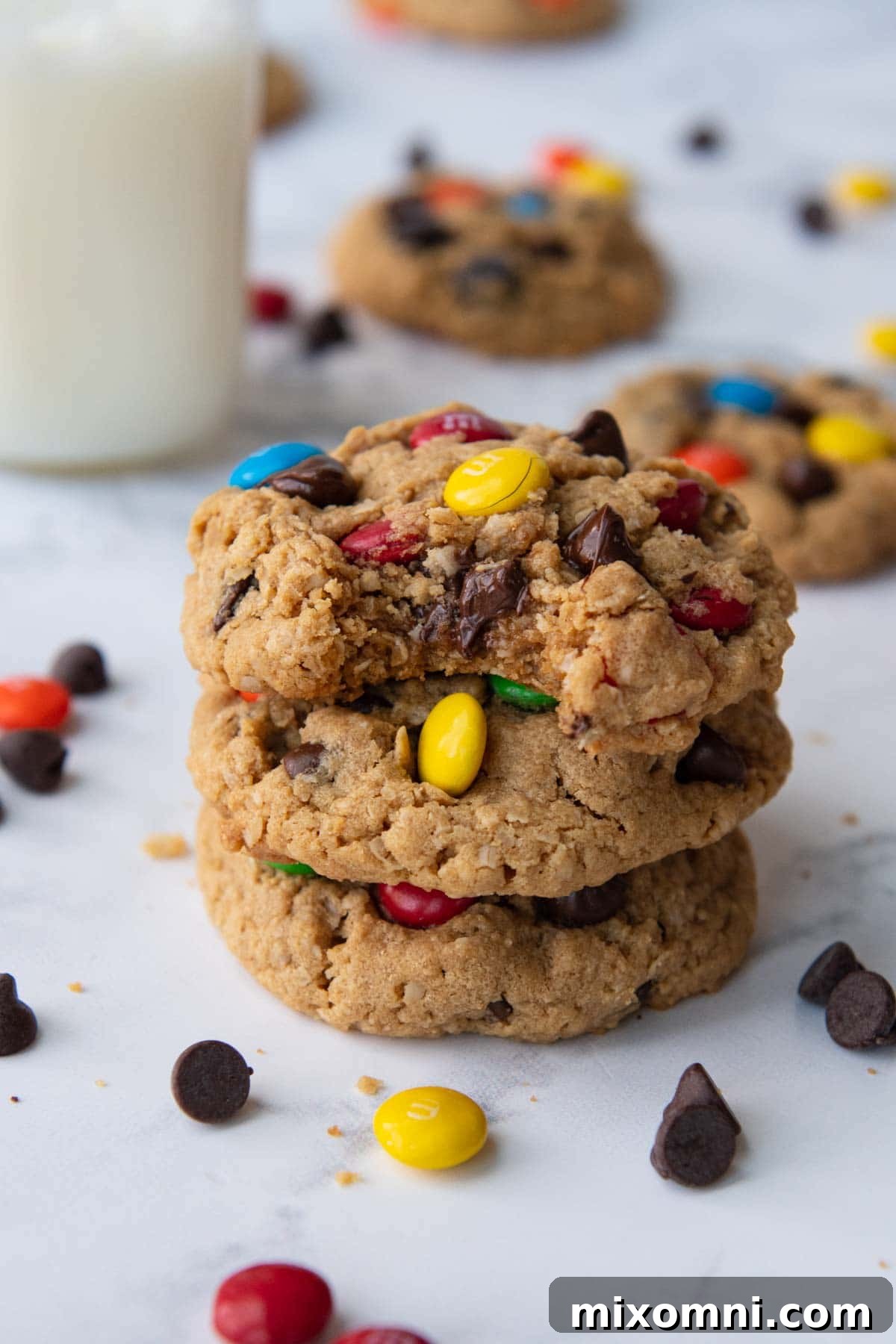
10. Flourless Gluten-Free Monster Cookies (Extra Soft!)
Get The Recipe
11. Extra Soft Gluten-Free Snickerdoodles (That Don’t Spread!)
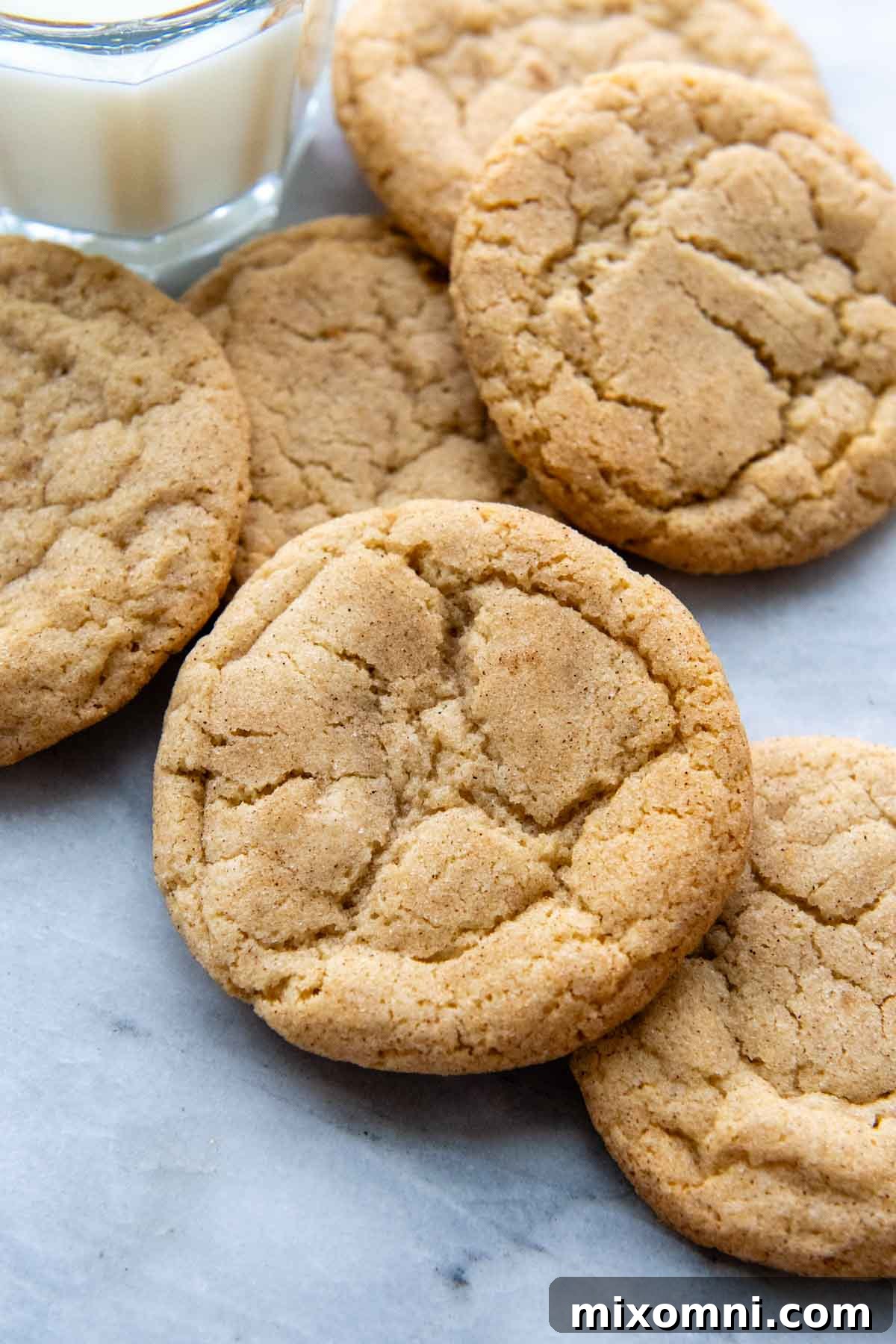
Get The Recipe
12. Soft Batch, Chewy Gluten-Free Ginger Snaps
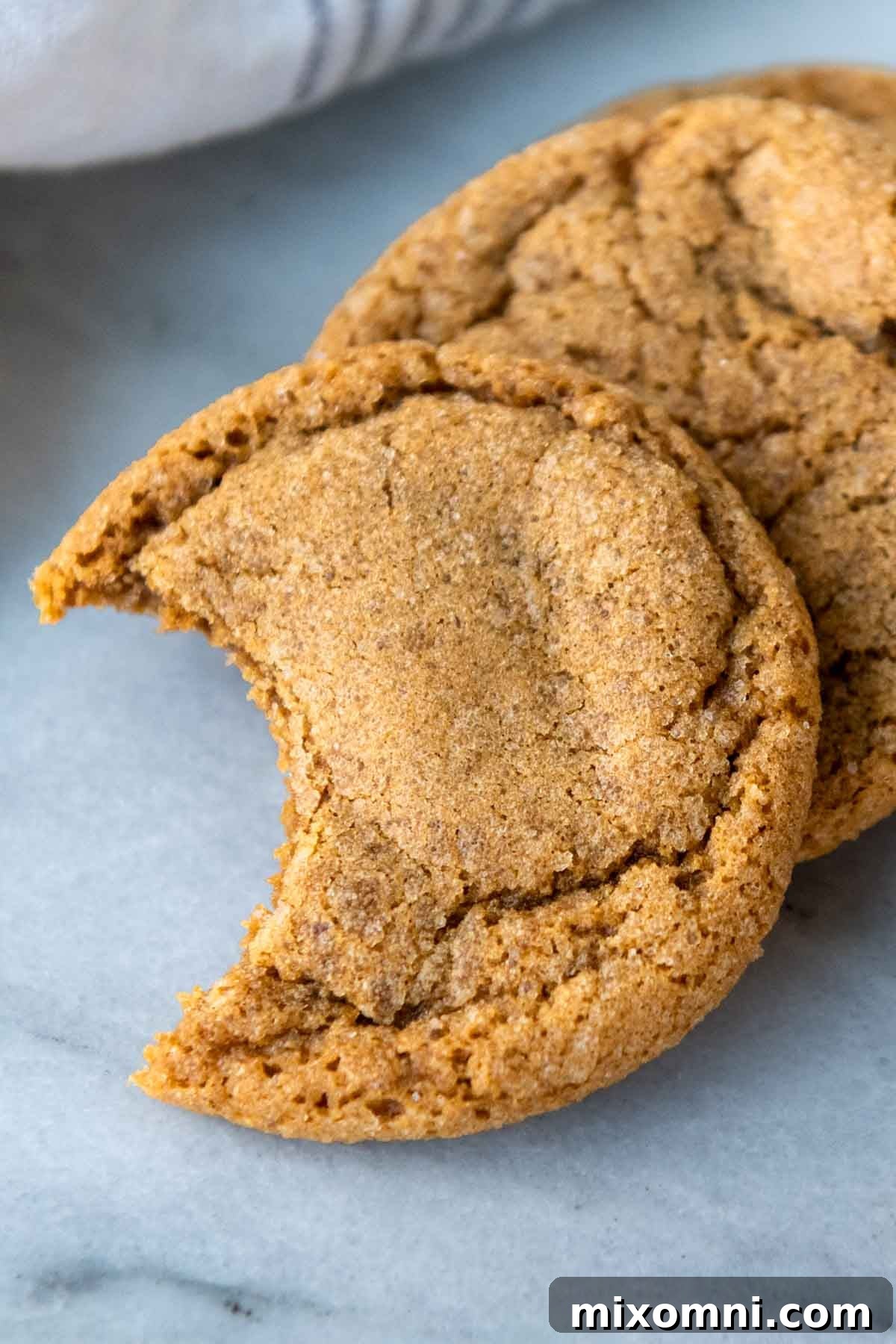
Get The Recipe
13. Homemade Peanut Brittle (Easy, Foolproof Recipe)
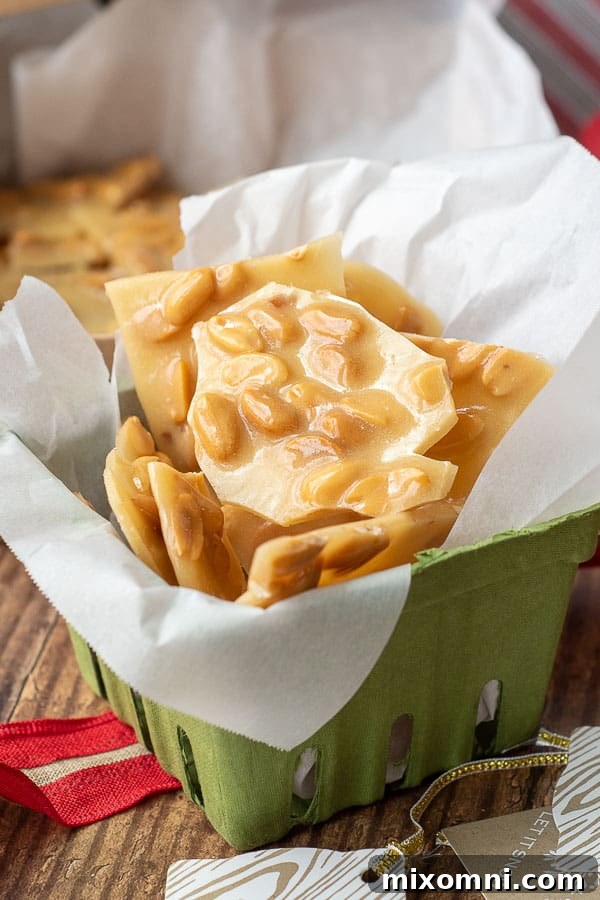
Get The Recipe
14. Easy, Perfect Basler Brunsli (Chocolate Swiss Cookies)
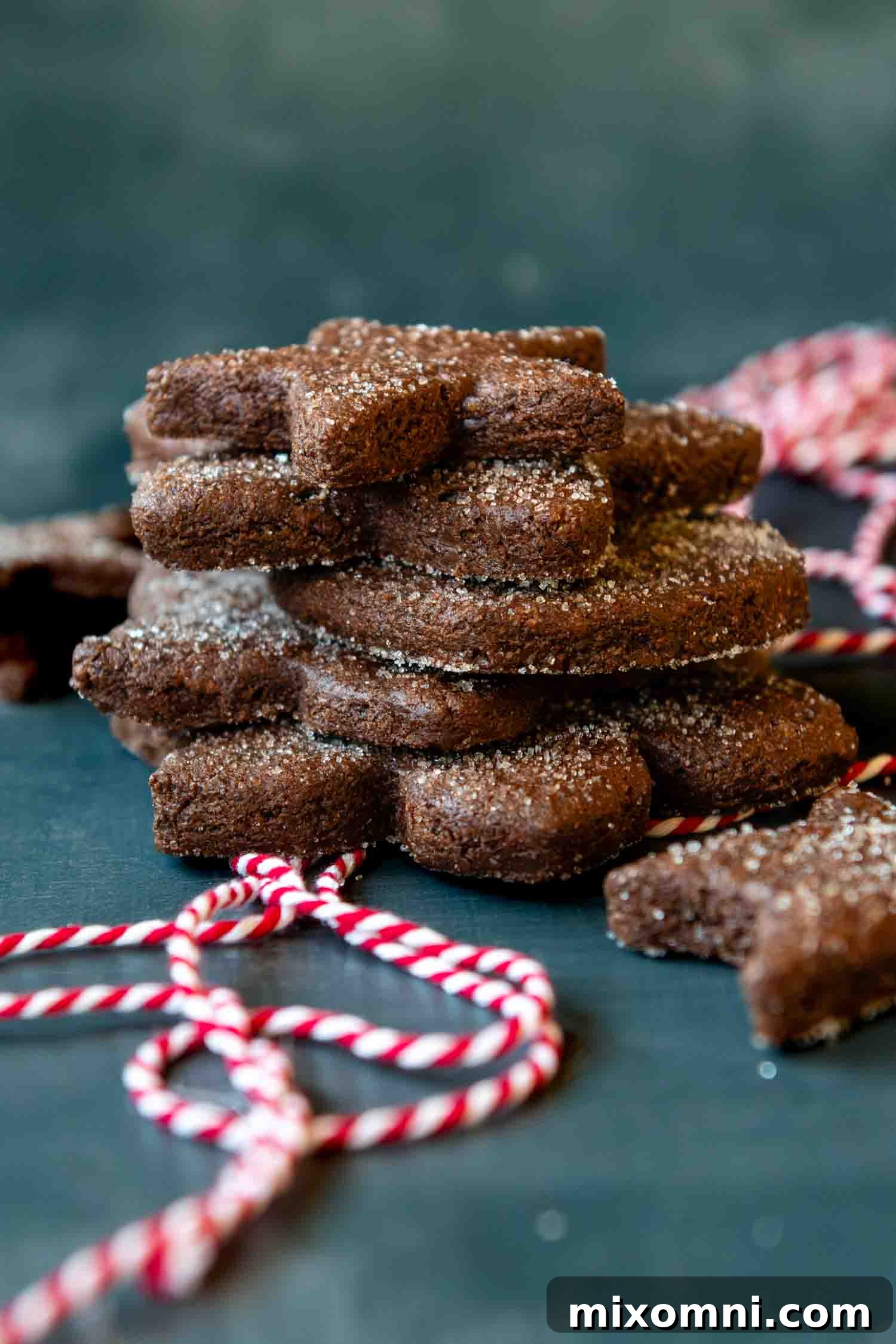
Get The Recipe
15. Chewy Gluten-Free Peanut Butter Cookies
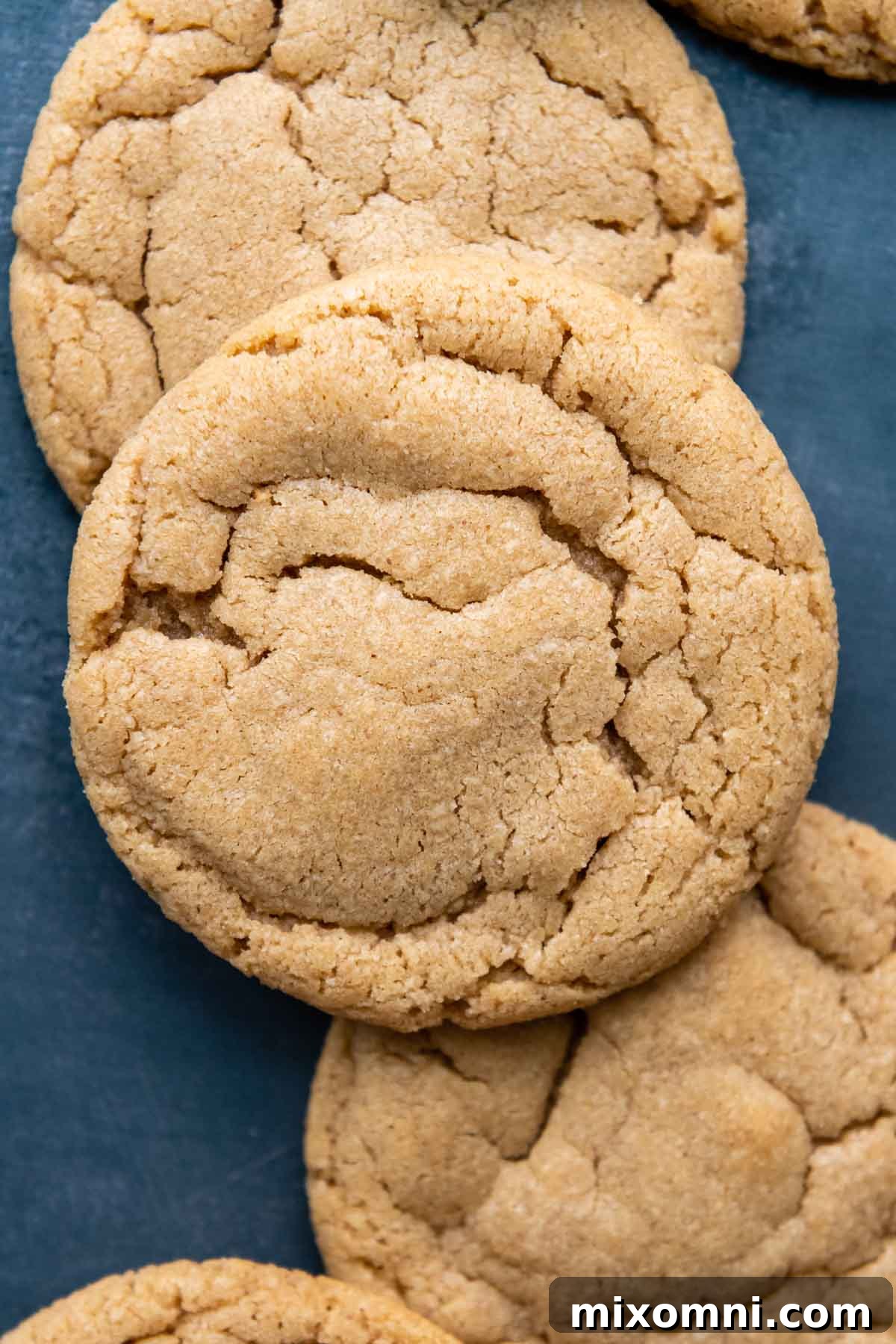
Get The Recipe
16. Gluten-Free Pizzelle Recipe (Crisp Italian Pizzelles)
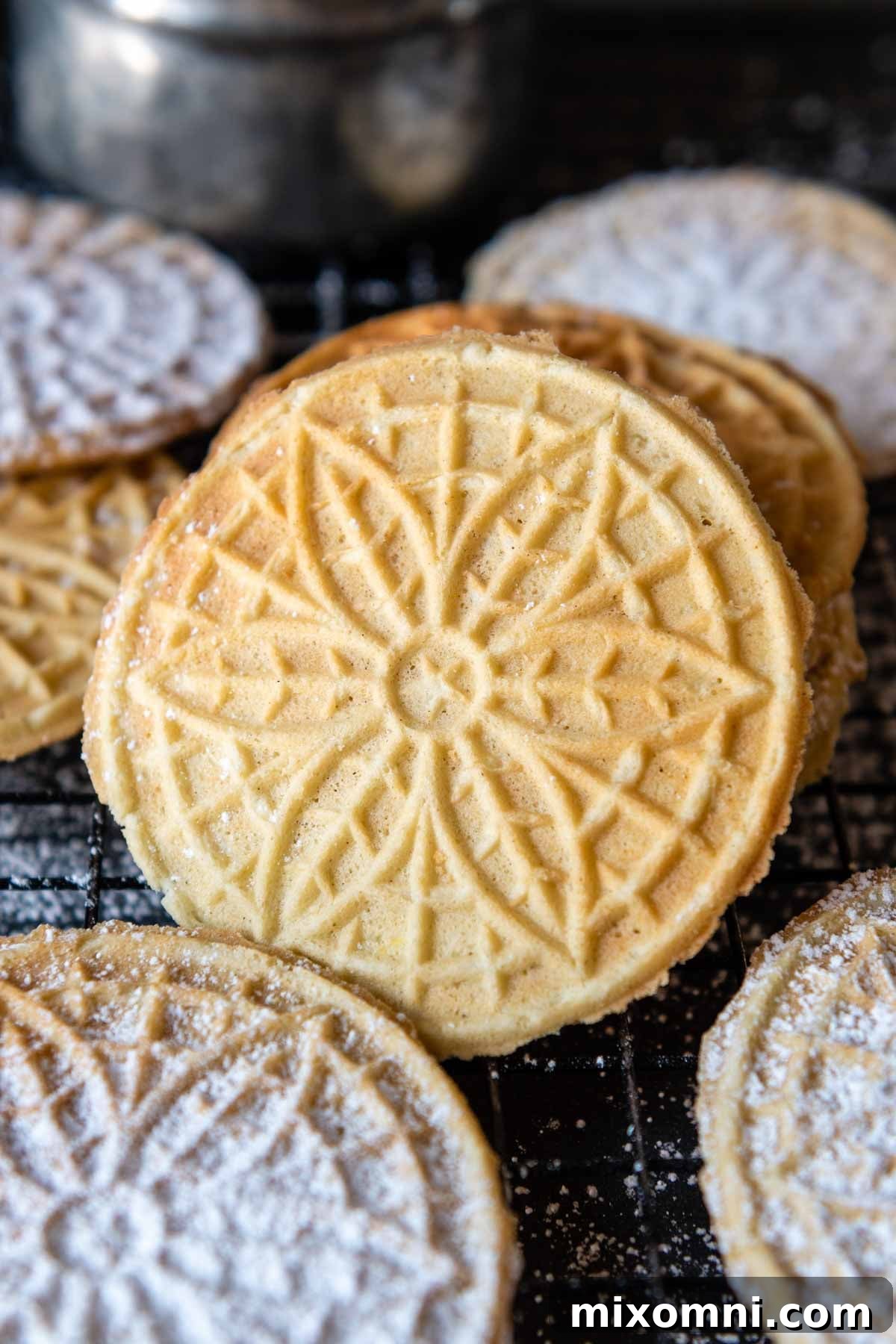
Get The Recipe
17. Easy Gluten-Free Oreo Balls (3 Ingredients)
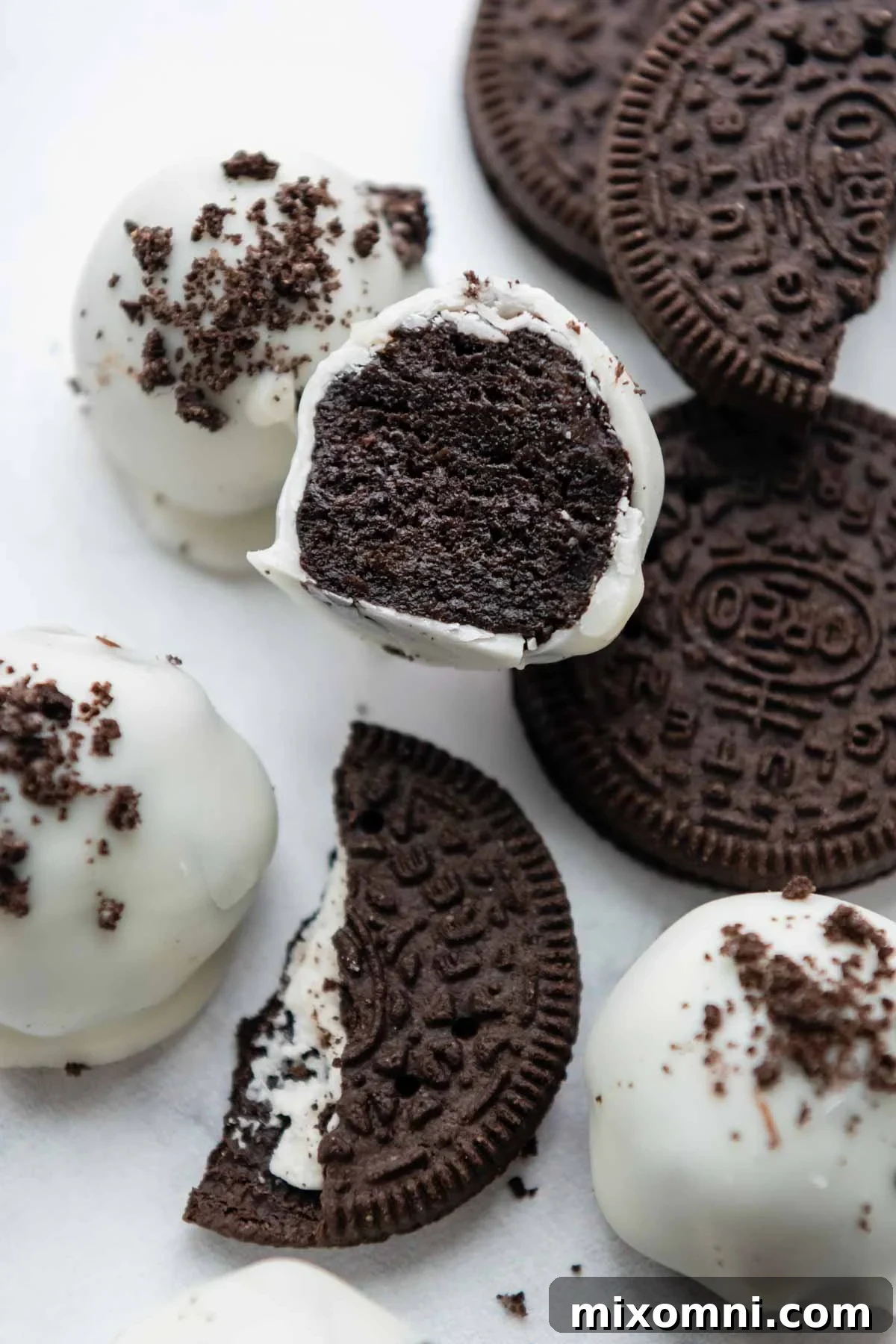
Get The Recipe
18. Light, Crispy Gluten-Free Biscotti Recipe
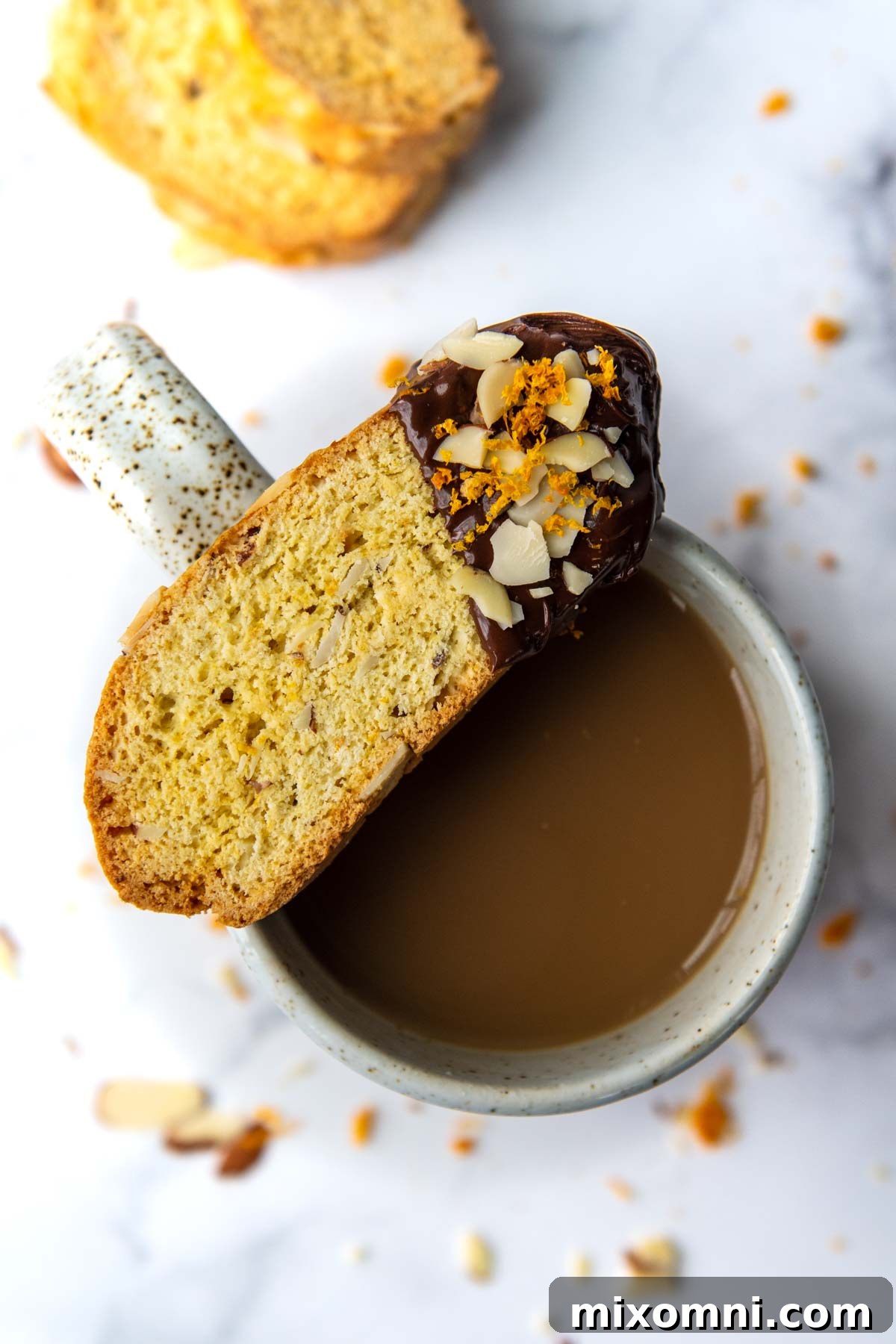
Get The Recipe
19. Peanut Butter Cookie Sandwiches (Flourless)
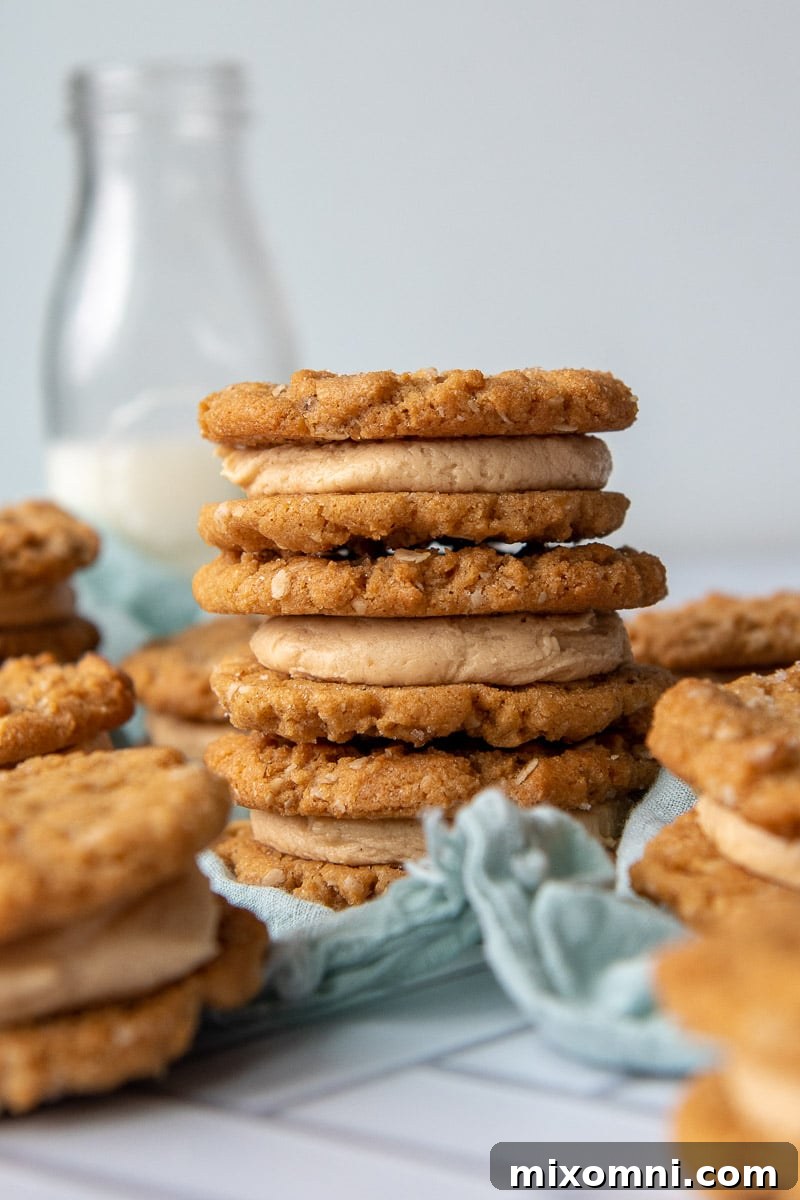
Get The Recipe
20. Gooey Scotcheroos with Marshmallows (Naturally Gluten-Free)
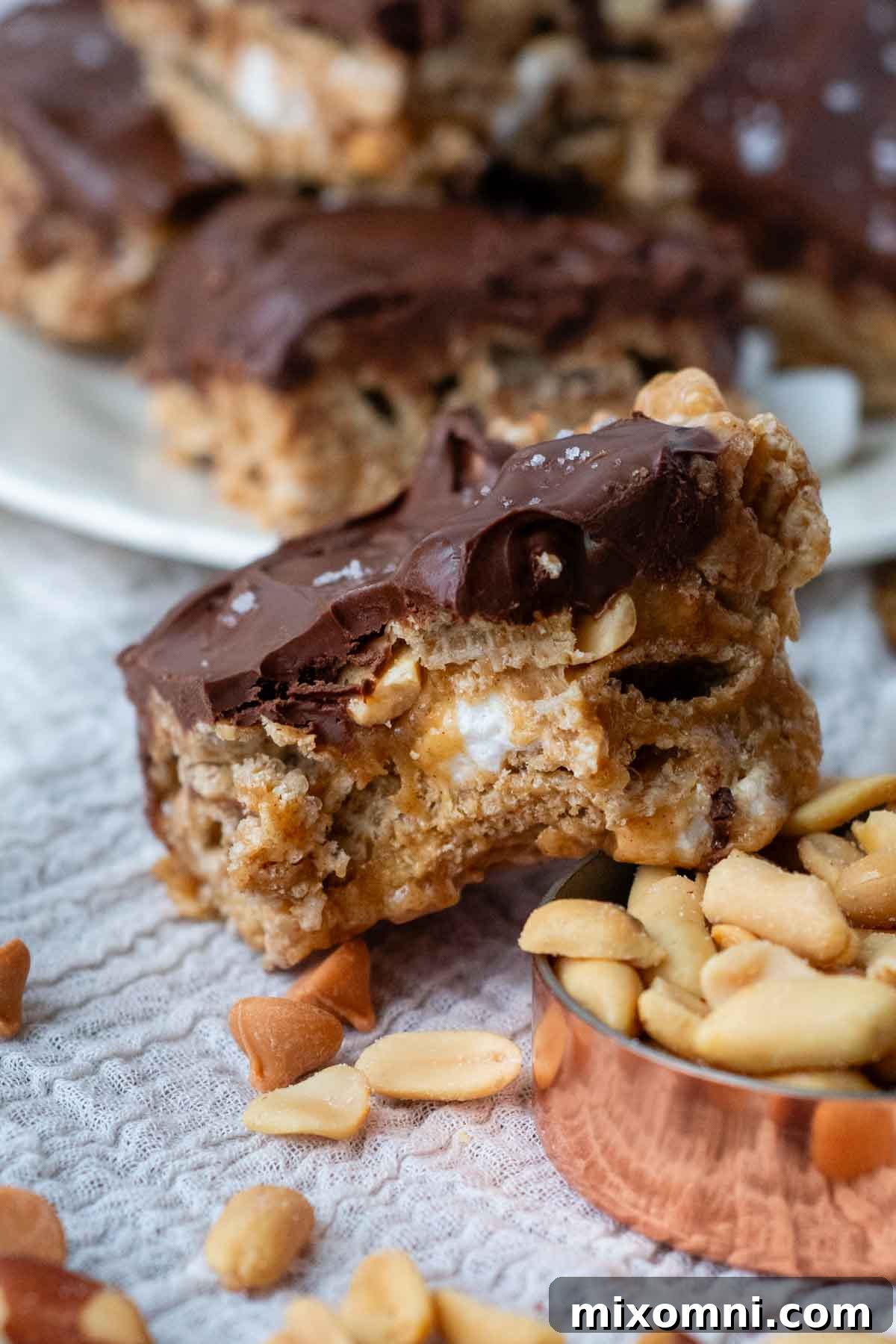
Get The Recipe
21. Uber Soft, Chewy Almond Flour Oatmeal Cookies
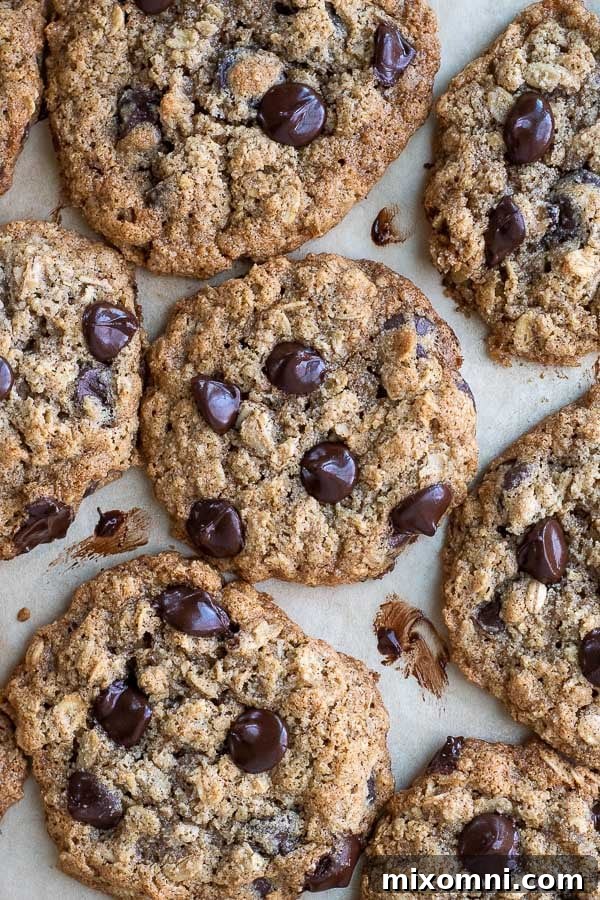
Get The Recipe
22. Airy, Chewy Italian Almond Paste Cookies
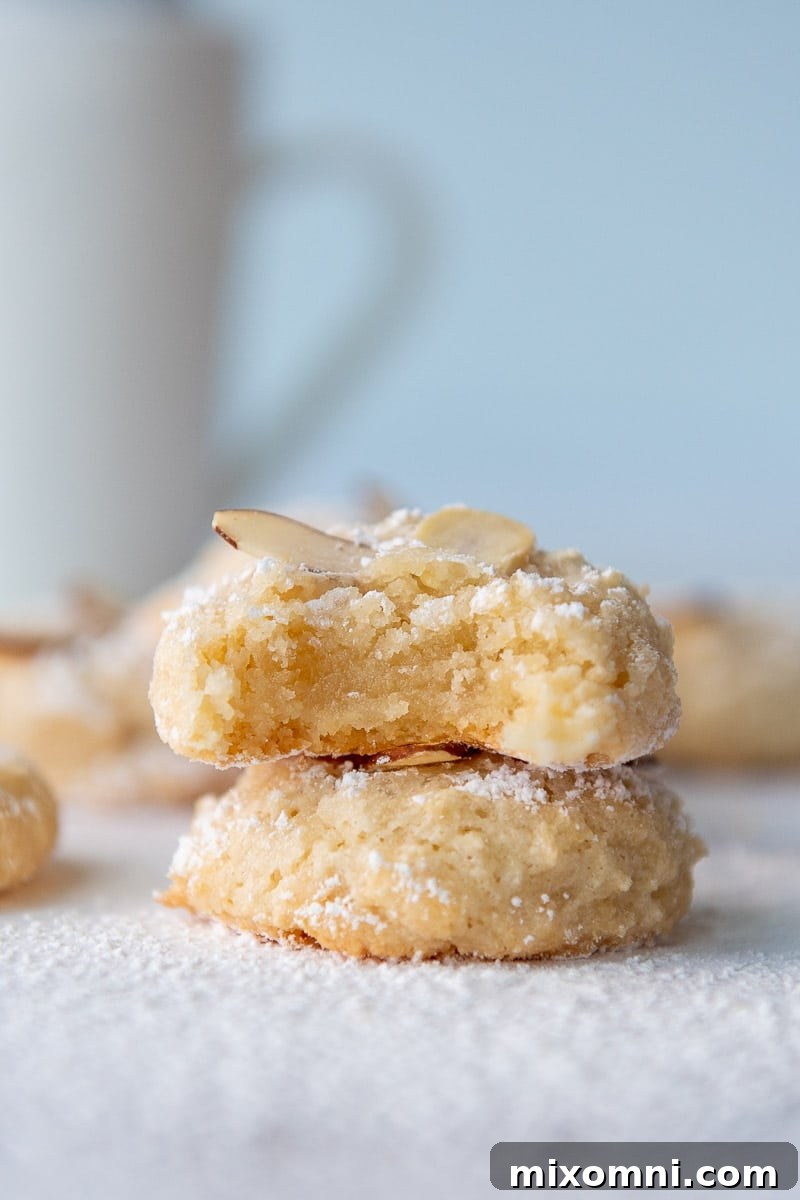
Get The Recipe
23. Extra Soft Almond Flour Peanut Butter Cookies
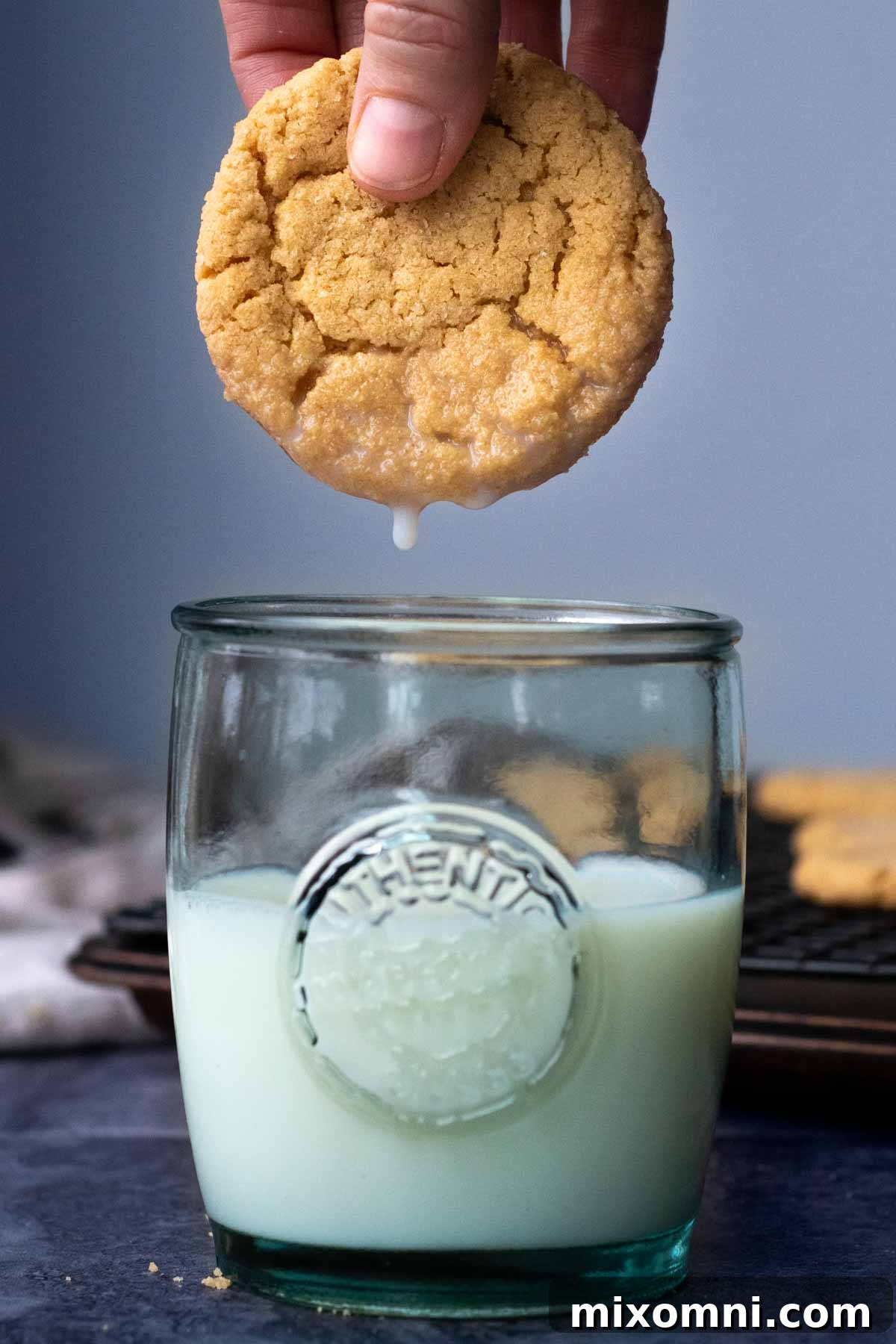
Get The Recipe
24. Chewy, Fudgy Flourless Chocolate Cookies
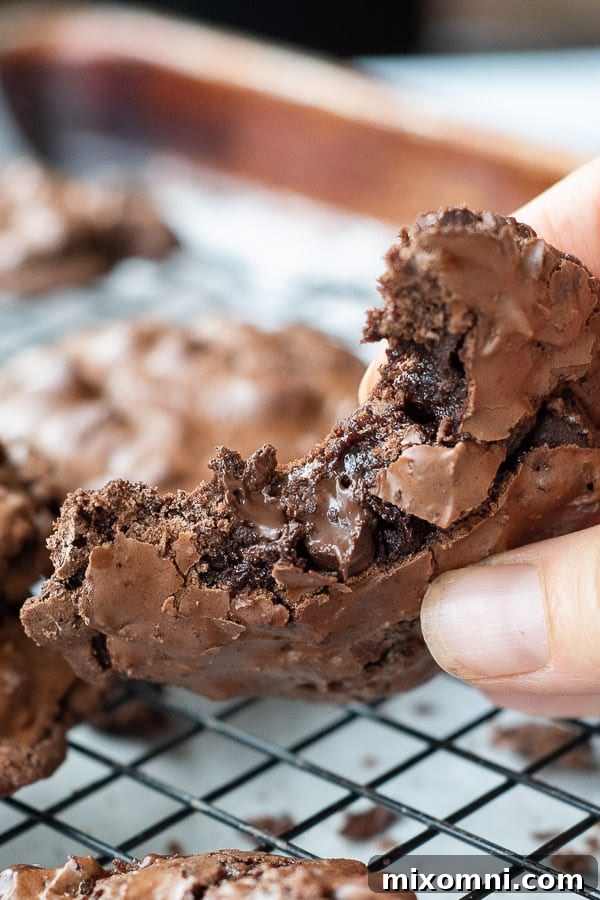
Get The Recipe
25. 15-Minute Gluten-Free Oatmeal Raisin Cookies (No Flour)
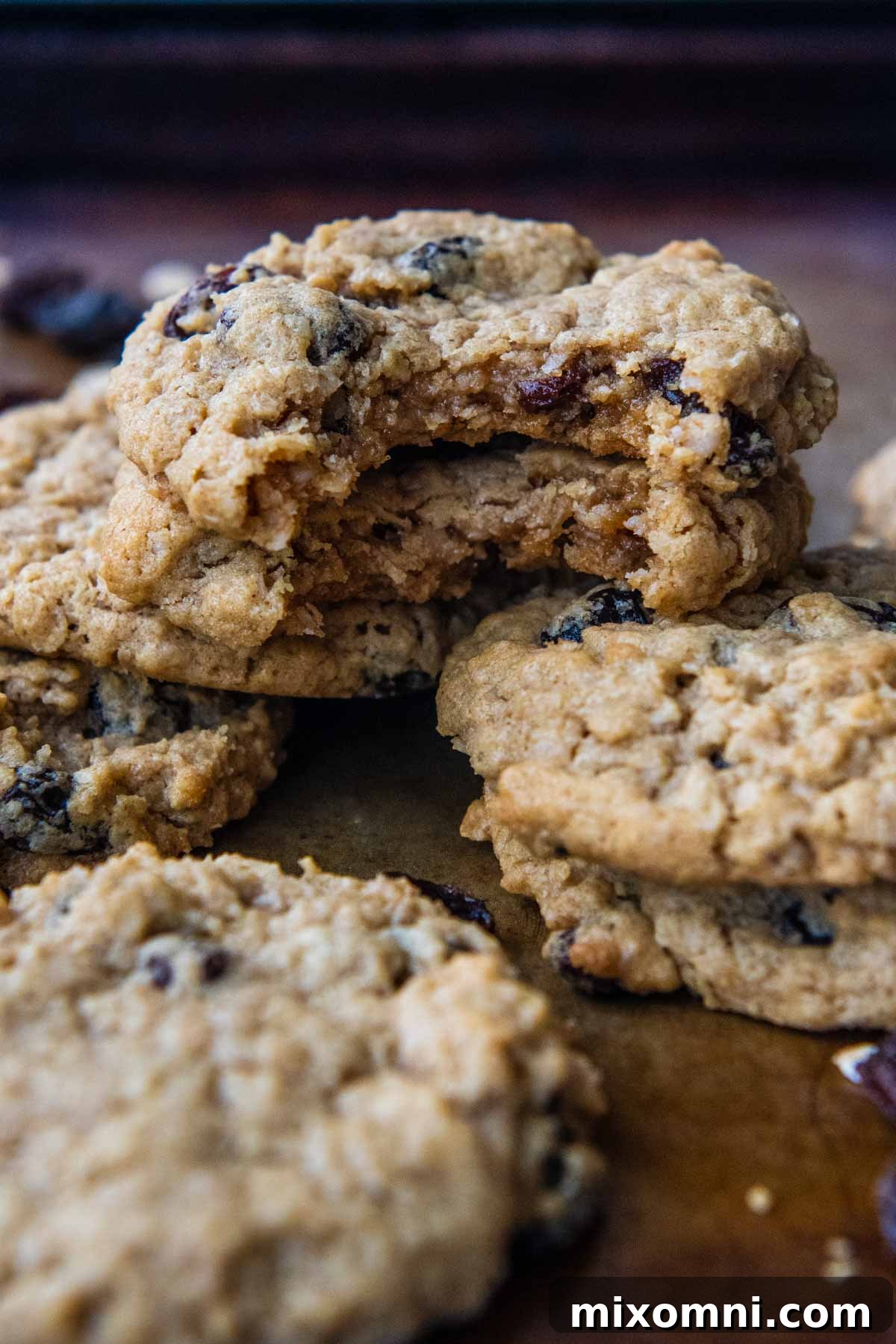
Get The Recipe
26. Crunchy Almond Flour Biscotti (Easy, Failproof Recipe)
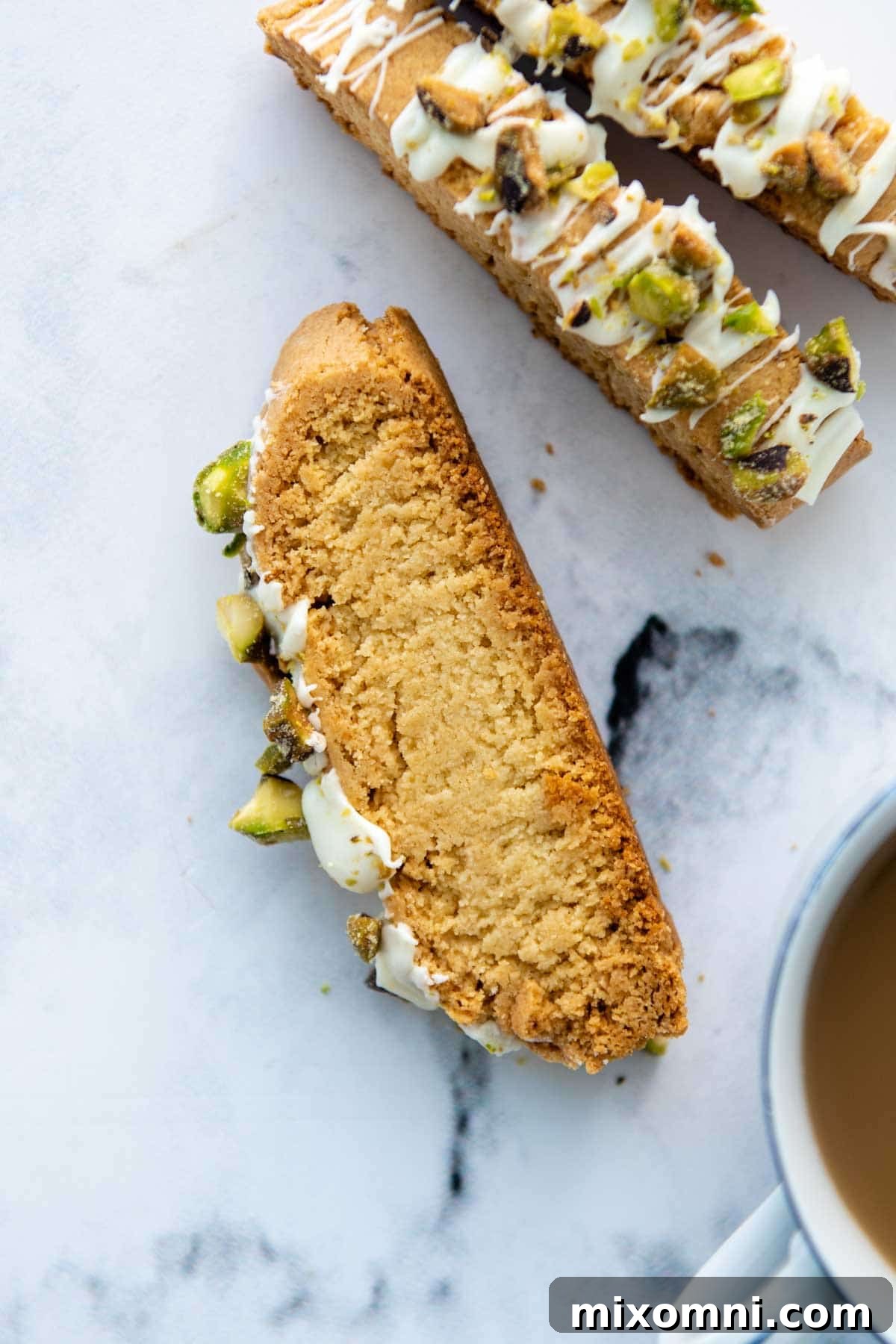
Get The Recipe
27. Gluten-Free Gingerbread Cookies
Get The Recipe
28. Gluten-Free Chocolate Crinkle Cookies
Get The Recipe
Beyond the Bake: Storing and Freezing Gluten-Free Holiday Treats
The holiday season often involves extensive baking, frequently spread out over several days or weeks. Since gluten-free cookie recipes typically have a shorter shelf life compared to traditional wheat flour cookies, proper storage and freezing techniques are absolutely essential to maintain their freshness and delicious texture. Planning ahead with smart storage is key to a successful and stress-free holiday baking season!
If you anticipate consuming all your cookies within a day or two, simply place them in an airtight storage container or a decorative cookie tin. This will help prevent them from drying out too quickly.
BONUS TIP: For optimal freshness and convenience throughout the holidays, we highly recommend freezing all your baked gluten-free holiday cookies. This allows you to pull out specific batches as needed for various holiday parties, thoughtful gifts, or simply to enjoy a fresh-tasting treat on Christmas day.
Freezing Baked Cookies
If you don’t plan to enjoy your freshly baked cookies within a day or two, preparing them for the freezer is a simple way to preserve their quality. Start by wrapping stacks of 2-3 cookies tightly in plastic wrap. This layer of protection prevents freezer burn and helps maintain their texture. Once wrapped, transfer the stacks to a ziplock freezer bag, removing as much air as possible before sealing. Label the bag with the date and type of cookie. Baked gluten-free cookies can be frozen for up to 3 months. When you’re ready to enjoy them, simply let them thaw at room temperature for an hour or two.
Freezing Dough Before Baking
Imagine having your favorite gluten-free Christmas cookies ready to bake at a moment’s notice when Santa (or unexpected guests!) arrives! Freezing cookie dough is a fantastic time-saver. Portion your cookie dough onto a parchment-lined baking sheet – use a cookie scoop for consistent sizes. Freeze the dough portions until they are completely solid. Once hard, transfer the frozen dough balls to a ziplock freezer bag, again removing excess air and labeling clearly. Frozen cookie dough can be stored for up to 3 months. When you’re ready to bake, simply place the frozen dough balls on parchment-lined baking sheets and bake directly from frozen. You’ll generally need to add an additional 1-2 minutes to the recommended baking time to account for the frozen state.
Choosing the Best Gluten-Free Flour To Use For Cookies
Gluten-free flour blends have made incredible strides over the past decade. Fortunately, there are now several commercial brands that consistently outperform any homemade mixes we’ve ever experimented with. However, it’s crucial to understand that not all gluten-free flours are created equal! Due to significant variations in taste and texture when using different gluten-free flour blends, we’ve developed an entire helpful resource dedicated to guiding you toward the best gluten-free flour choices.
- Cup4Cup Gluten Free Flour is the brand we primarily use for its outstanding performance. Any gluten-free taste or difference in texture is virtually undetectable, making it a top choice for exceptional results. However, please note that it contains milk powder, so it is not suitable for dairy-free diets.
- King Arthur’s Measure-for-Measure has consistently performed well in our baking tests. It is widely available, generally affordable, and does not contain common allergens. While it offers excellent results, we occasionally detect a slightly grittier texture compared to Cup4Cup.
- Bob’s Red Mill and Namaste are popular brands that are widely available and often more affordable. However, for cookie recipes and delicate pastries, we generally do not recommend these brands. They can sometimes impart an unpleasant aftertaste and a noticeably gritty texture, which can detract from the overall enjoyment of your carefully baked treats.
Dairy-Free Delight: Modifications for Gluten-Free & Dairy-Free Baking
Crafting delicious dairy-free gluten-free Christmas cookies is entirely achievable with a few simple substitutions. When a recipe calls for regular unsalted butter, opt for high-quality vegan butter sticks instead. Keep in mind that many vegan butter brands tend to be slightly saltier than their dairy counterparts, so it’s a good practice to reduce the amount of salt in the recipe by half to maintain balanced flavors.
If your recipe requires chocolate, there are fantastic dairy-free and vegan options available. We recommend brands like Enjoy Life chocolate chips or Gefen chocolate for excellent dairy-free choices. For those seeking colorful M&M alternatives, No Whey Foods produces delightful Chocolate No No’s. Interestingly, some varieties of Hershey Kisses are naturally dairy-free, but always be sure to read the labels carefully, as this does not apply to all of their products.
Save this recipe to your Pinterest board!
Let’s be friends on Pinterest! I’m always sharing great recipes!
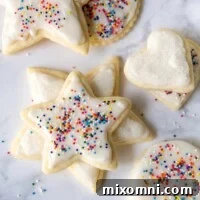
20+ Gluten-Free Christmas Cookies: Cut Out Sugar Cookies
 Melissa Erdelac
Pin
Rate
Remove Ads
Ingredients
- 1 cup (200 g) granulated sugar
- ½ cup (113.5 g) unsalted butter,, softened
- 1 (1) large egg,, room temperature
- 1 tablespoon (1 tablespoon) milk (or dairy-free)
- 2 teaspoons (2 teaspoons) vanilla extract
- ¼ teaspoon (¼ teaspoon) salt,, (omit if butter is salted)
- 2 cups (272 g) gluten-free all-purpose flour
Equipment
- Baking Sheets
- Stand Mixer
- Cup 4 Cup Gluten Free Flour
Instructions
-
In a large bowl, cream together the sugar and butter until very light and fluffy. This process should take about 3 minutes for the mixture to be fully creamed.
-
Add the egg, milk, vanilla, and salt to the butter/sugar mixture. Beat again until very well combined. The mixture may appear separated and curdled initially, but with continued beating, it will blend together smoothly.
-
Add the flour and beat at low speed until just combined. Cover the bowl with plastic wrap and refrigerate for at least 1 hour, or freeze for 30 minutes. The dough must be very cold throughout for best results.
-
Preheat the oven to 350°F (175°C). Line baking sheets with parchment paper for the best results; otherwise, leave baking sheets ungreased. Set aside.
-
Lightly sprinkle gluten-free flour onto a clean rolling surface or a silicone mat. Take half of the cold dough and roll it out to approximately 1/4 inch thickness. Cut out the dough with your favorite cookie cutters and carefully use a thin spatula to transfer the cut-out cookies to the prepared baking sheets. Repeat this process with all the remaining dough. TIP: If you plan on baking multiple batches at the same time, store the baking sheets with cut-out cookies in the refrigerator until you are ready to bake them. Warmed dough tends to spread more during baking.
-
Bake for 10-12 minutes, or until the edges of the cookies are just set and lightly golden. Allow the cookies to cool for 5 minutes on the baking sheets before carefully transferring them to wire racks to cool completely. Once the cookies have fully cooled, decorate them with your favorite sugar cookie icing. Store in an airtight container for up to 3 days.
-
DID YOU MAKE THIS RECIPE? DON’T FORGET TO LEAVE FEEDBACK AND/OR CLICK A STAR RATING ON THE RECIPE CARD!
Notes
Expert Tips and Tricks
- The dough can be prepared up to 1 day in advance and stored, covered, in the refrigerator.
- Ensure the dough is very cold before cutting out the cookies. This is crucial for them to hold their intricate shapes during baking and prevent excessive spreading.
- If you choose to cut out all your cookies first, store the baking sheets holding the unbaked gluten-free cookies in the refrigerator until you are ready to place them in the oven. This keeps the dough firm.
- For quicker chilling, place the dough in the freezer for 30 minutes. Make sure to remove it before the dough freezes completely solid.
- Alternatively, use powdered sugar instead of additional gluten-free flour to prevent the dough from sticking to the rolling surface. This can also give the cookies a slightly softer finish.
Freezing Gluten-Free Cookies
Freezing Baked Sugar Cookies:
Prepare the gluten-free sugar cookies as directed in the recipe, allowing them to cool completely. Cookies can be frozen either unfrosted or with frosting.
If the cookies are frosted, ensure the icing has completely set and hardened before stacking them. Place the cookies in a large airtight container, wrap the entire container with an additional layer of plastic wrap to seal out air, and freeze for up to 2 months.
Allow frozen cookies to thaw for approximately one hour at room temperature before frosting (if unfrosted) or serving.
Freezing Unbaked Sugar Cookie Dough:
Prepare the cut-out cookie dough as instructed. When it’s time to chill the dough, transfer it to a freezer-safe ziplock bag, pressing out any excess air before sealing. Freeze the dough for up to 2 months. Thaw the dough overnight in the refrigerator before rolling and cutting out.
Alternatively, roll out the cookie dough and cut out shapes as directed. Place the unbaked cookies on parchment paper-lined baking sheets and transfer the sheets to the freezer.
Once the cookies have hardened, carefully remove them from the parchment paper and stack them in freezer-safe ziplock bags, laying them flat. Freeze for up to 2 months. When ready to bake, transfer the frozen cookie cut-outs back to lined baking sheets. Bake directly from frozen, adding an additional 2-3 minutes to the specified baking time.
Recipe adapted from MOMables