
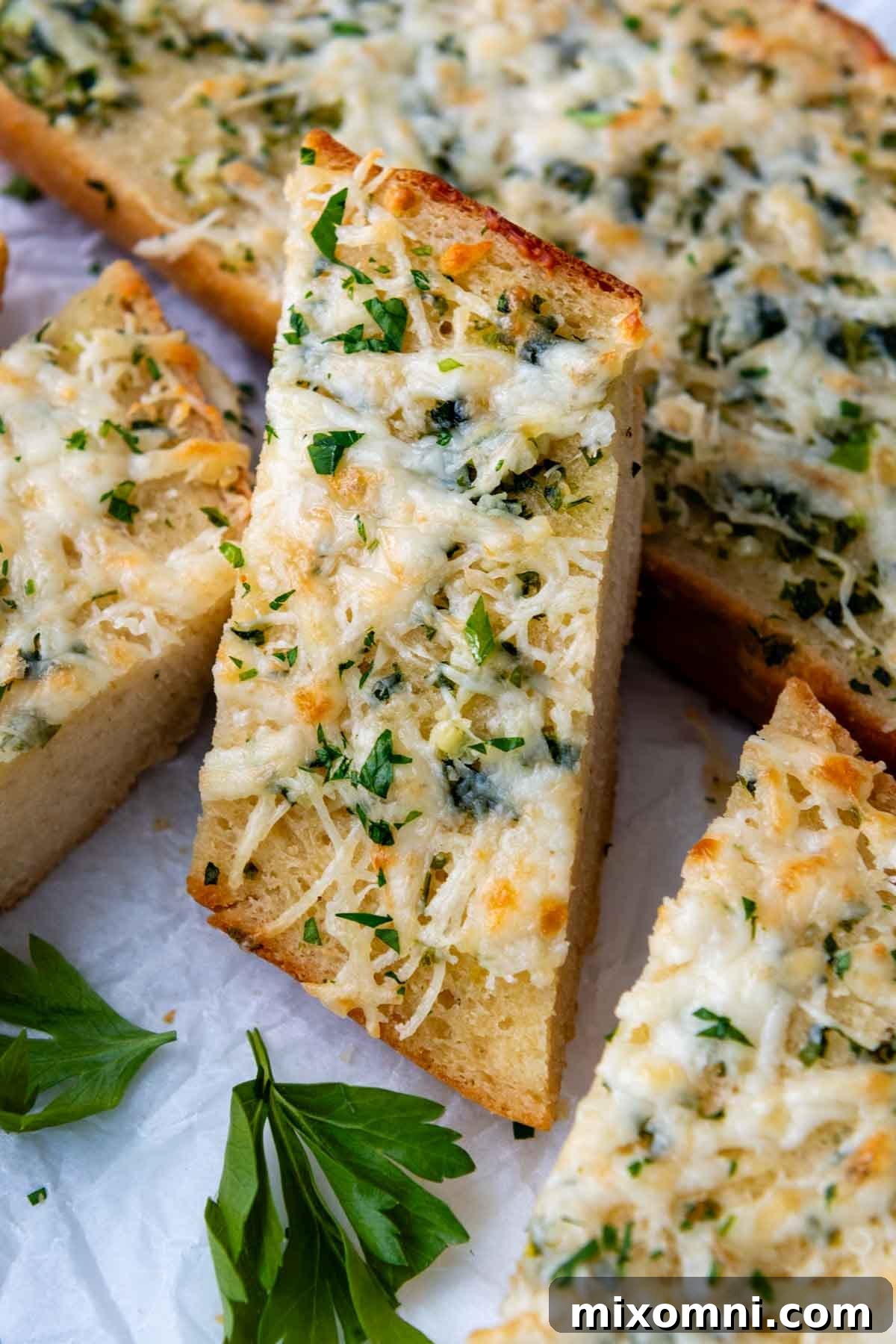
Craving that classic, irresistible garlic bread but navigating a gluten-free diet? The days of skipping the bread basket are officially over! Prepare to discover the ultimate recipe for the best gluten-free garlic bread you’ve ever tasted. Imagine crisp, golden-brown edges giving way to a wonderfully soft and pillowy interior, infused with a harmonious blend of rich butter, aromatic olive oil, and pungent fresh garlic. For an extra layer of indulgence, we’ll explore optional cheesy toppings that melt into a gooey perfection.
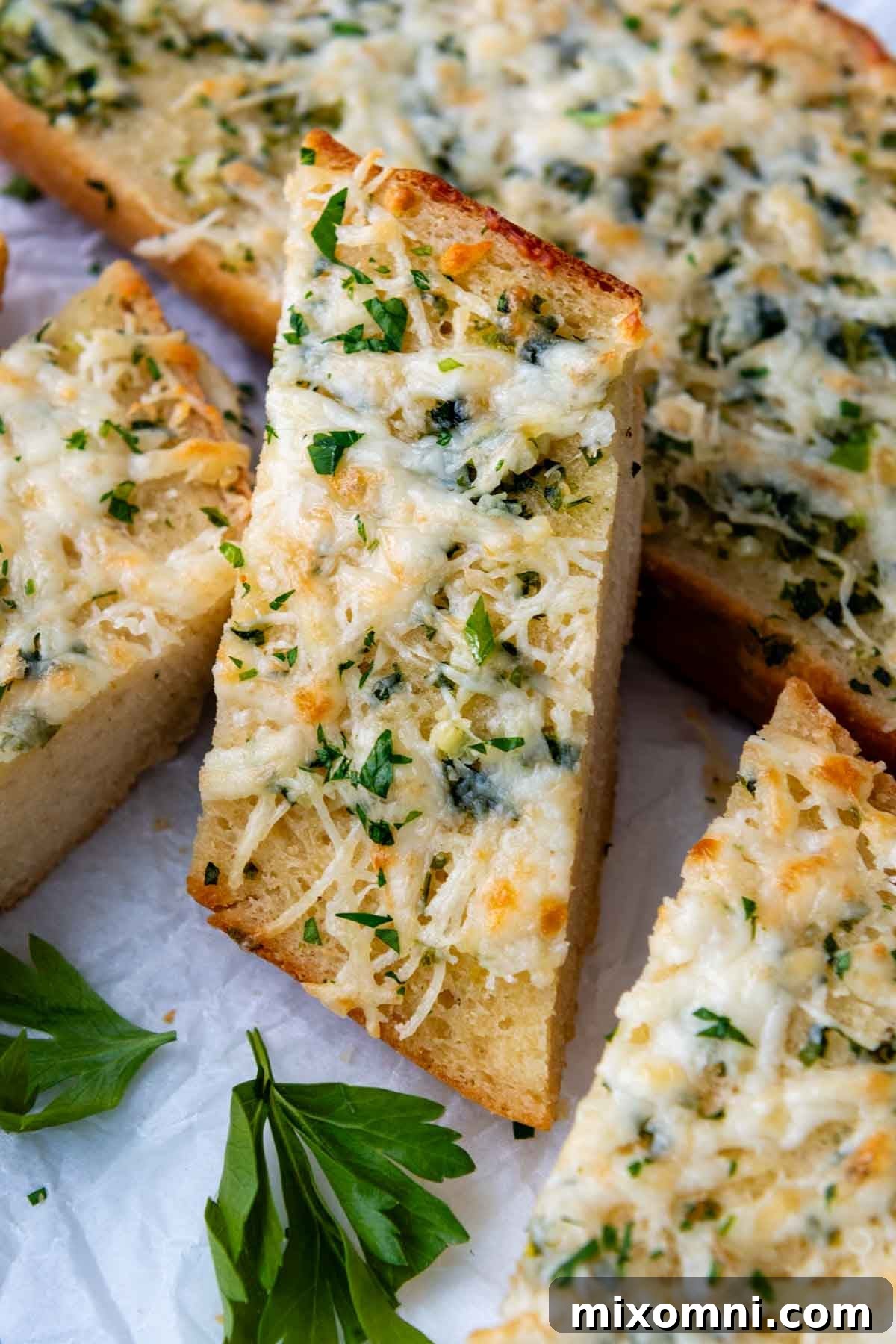
The Quest for the Perfect Gluten-Free Garlic Bread
For those living gluten-free, the simple pleasure of a warm, buttery slice of garlic bread has often felt like a distant memory. Family dinners, cherished restaurant meals, and comforting pasta dishes – all typically accompanied by a coveted bread basket – have frequently lacked this essential component. The challenge isn’t just finding gluten-free bread; it’s finding one that can stand up to the garlic bread transformation, offering the right texture and absorbing all that delicious flavor without becoming dry or crumbly.
After successfully developing highly popular gluten-free bread recipes, such as our acclaimed gluten-free baguettes and incredibly soft gluten-free Italian bread, it became clear that the next step was to create an equally outstanding accompaniment. This journey led to the development of this homemade gluten-free garlic bread recipe, specifically designed to bring back that longed-for culinary experience.
The secret to achieving truly exceptional homemade garlic bread lies in understanding how to maximize flavor. While the ingredients themselves are wonderfully simple, a crucial element often overlooked is the strategic use of salt. This isn’t just about making it taste “salty”; it’s about elevating and unifying all the incredible flavors working together in the garlic butter mixture. Whether you prefer to use salted butter or keep unsalted butter on hand, a thoughtful addition of extra salt can transform ordinary bread into something profoundly flavorful and utterly addictive.
This flavor enhancement is particularly vital when preparing garlic toast from gluten-free bread. Unlike traditional wheat-based breads that often boast a neutral flavor profile, gluten-free flours and starch blends can sometimes impart an earthier, more subdued taste. Breads traditionally used for garlic bread, like French or Italian loaves, are prized for their texture, structure, and crumb, allowing the garlic butter to shine. Therefore, in the realm of GF garlic bread, it’s imperative to amplify the taste experience within the garlic butter itself, ensuring every bite is bursting with flavor.
Beyond the power of salt, another effortlessly effective way to enhance the taste is by incorporating freshly grated cheese. Cheesy gluten-free garlic bread instantly transforms into the perfect side dish for a wide array of beloved family meals. Imagine it alongside a hearty easy homemade gluten-free lasagna, a comforting bowl of soup, a decadent saucy gluten-free spaghetti casserole, or even a refreshing Italian chopped salad. The possibilities are endless, and the satisfaction is guaranteed.
In the following sections, you’ll discover comprehensive expert tips to perfect this easy gluten-free garlic bread recipe. We’ll cover everything from ingenious ways to repurpose leftover bread into delectable garlic toast, valuable make-ahead and freezer instructions for ultimate convenience, recommendations for the best store-bought gluten-free bread options, and even simple modifications to cater to dairy-free preferences. Get ready to reclaim the joy of garlic bread, gluten-free style!
Essential Ingredients for Your Gluten-Free Garlic Bread Masterpiece
Crafting crisp, buttery, and incredibly flavorful gluten-free garlic bread starts with selecting the right ingredients. While the core recipe is simple and yields fantastic results, we’ll also explore several delicious ways to customize it, whether you desire extra cheesy bread, an infusion of additional herbs, or need to adapt the recipe for a dairy-free diet.
- Gluten-Free Bread: The foundation of our garlic bread! For a truly traditional experience, we recommend using a sturdy gluten-free Italian loaf or a classic French baguette. The key is a bread that can hold its shape and absorb the butter mixture without becoming soggy. However, the versatility of this recipe means you have plenty of other GF bread options for garlic bread, which we will detail further below, including various store-bought and homemade alternatives.
- Butter: Butter is paramount for that rich, classic garlic bread flavor. You can use either salted or unsalted butter. If you opt for salted butter, simply reduce the additional salt added to the mixture. Vegan butter is also an excellent substitute for a dairy-free version, performing beautifully in this recipe. A major convenience here is that there’s no need to remember to soften the butter beforehand; it melts perfectly as it gently sautés the fresh garlic, infusing every drop with garlicky goodness before being spread onto the bread.
- Salt: As discussed, salt is more than just a seasoning; it’s a flavor enhancer and unifier, especially crucial for gluten-free breads. If you’re using unsalted butter, a ¼ teaspoon of salt is a good starting point. If your butter is salted, reduce the amount slightly to a scant ¼ teaspoon. Always taste your garlic butter mixture before applying it to ensure the perfect balance.
- Fresh Garlic Cloves: This is non-negotiable for the best flavor! While garlic powder can be convenient, it simply cannot replicate the pungent, fresh, and complex aroma that freshly minced garlic brings to the table. Aim for finely minced garlic to ensure it disperses evenly and cooks gently without burning, releasing its maximum flavor.
- Olive Oil: The addition of olive oil, inspired by other acclaimed garlic bread recipes, plays a dual role. Firstly, it contributes to the irresistible crispiness of the bread’s edges, preventing it from becoming overly soft. Secondly, it adds a subtle, pleasant hint of its own distinct flavor, complementing the butter and garlic beautifully. Using a combination of butter and olive oil creates a richer, more nuanced garlic butter blend than either fat used alone.
- Parsley: Fresh parsley brings a vibrant, bright, and clean finish to the garlic bread, cutting through the richness of the butter and garlic. For optimal flavor and visual appeal, fresh minced parsley is highly recommended. However, if fresh isn’t available, 1 teaspoon of dried parsley can be substituted. Feel free to experiment with other fresh or dried herbs such as oregano, basil, or a touch of rosemary for different flavor profiles. When using a combination of herbs, ensure their total quantity equals the amount of parsley specified.
- Cheese (Optional): For those who love a cheesy kick, freshly grated cheese is a fantastic addition. You can use Parmesan cheese for a sharp, savory bite, mozzarella for a gooey, stretchy texture, or a combination of both, which is often preferred for a balance of flavor and meltiness. The amount of cheese is entirely up to your preference. For a subtle flavor enhancement, a sprinkle of Parmesan works wonders. For truly cheesy bread, reminiscent of a pizzeria classic, be generous with mozzarella, topping it as you would a pizza.
Step-by-Step Guide: Crafting Your Delicious Gluten-Free Garlic Bread
Let’s walk through the process of making this incredible gluten-free garlic bread together, transforming simple ingredients into a show-stopping side dish. Below, you’ll find detailed, step-by-step instructions designed for clarity and success. (For exact ingredient quantities and a concise recipe format, please refer to the complete recipe card further down the page.)
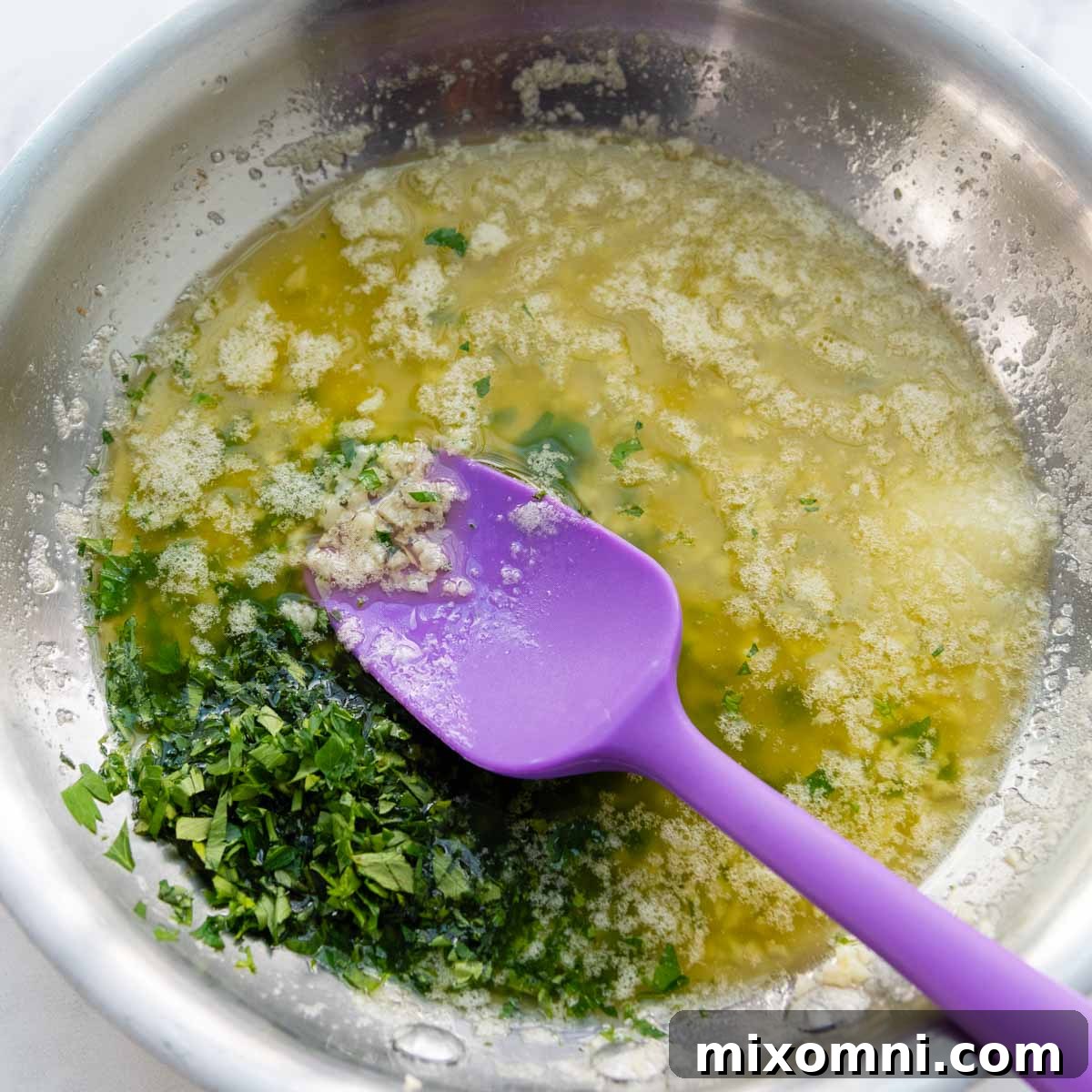
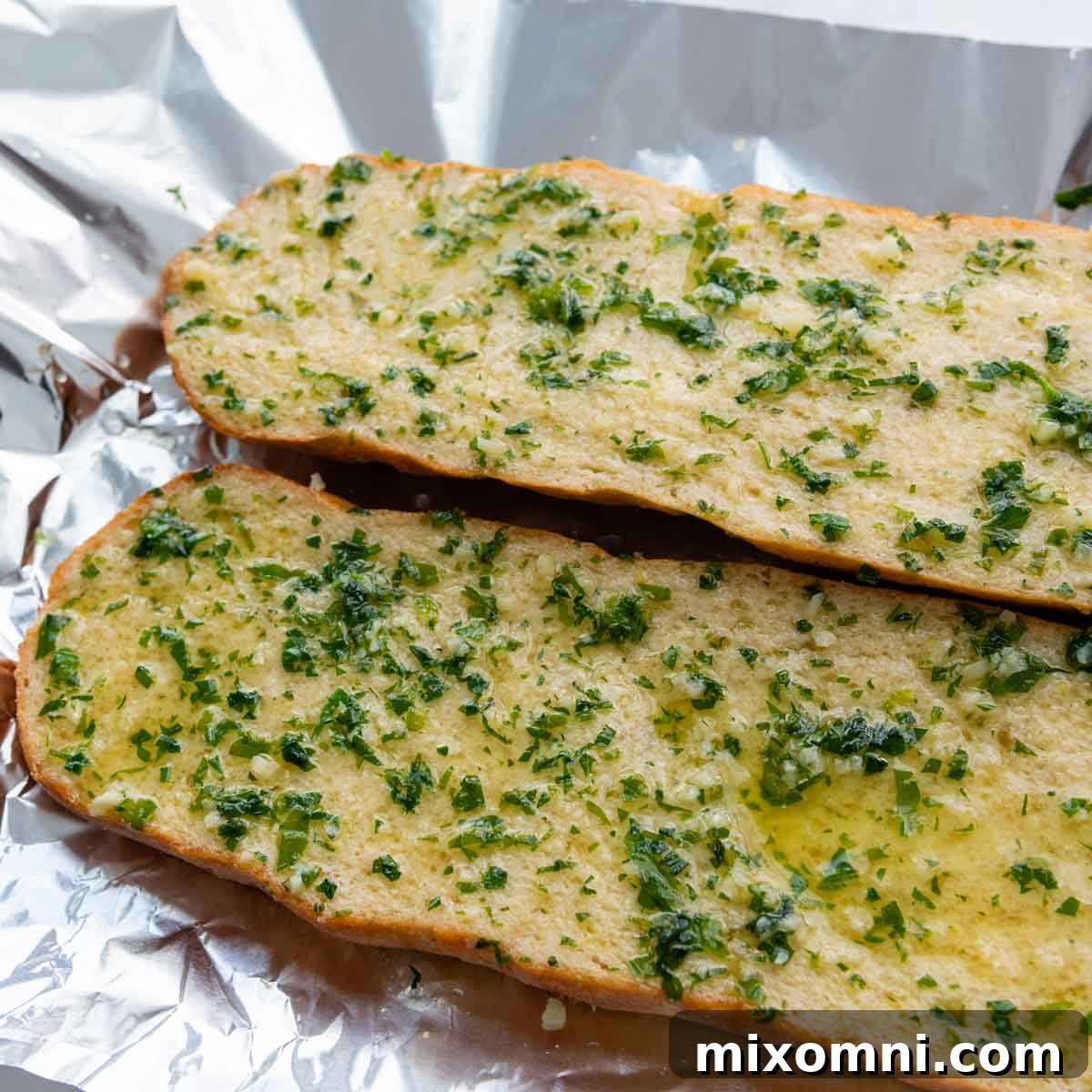
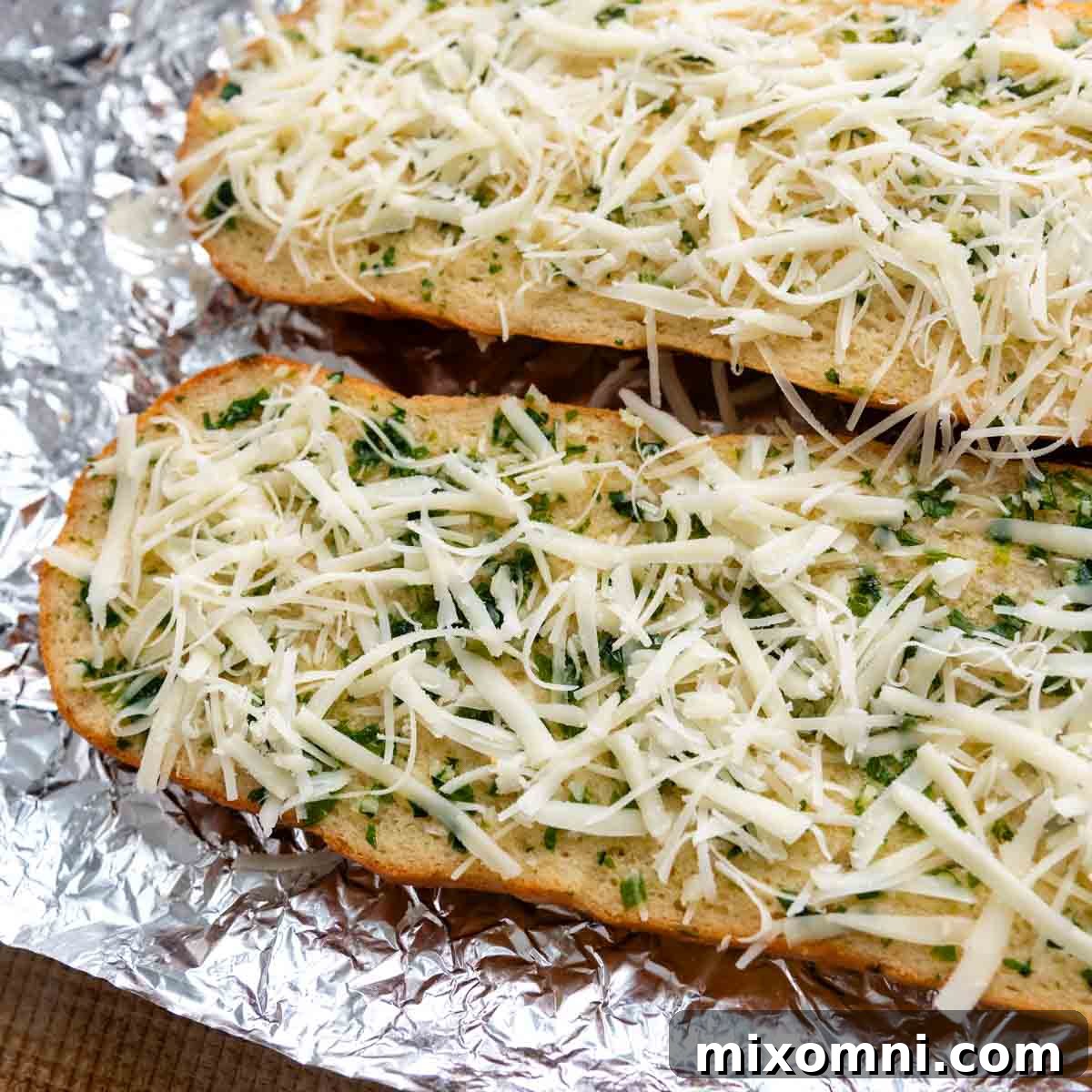
- Prepare Your Oven and Bread: Begin by preheating your oven to 400℉ (200°C). Position an oven rack in the middle of the oven. Take your gluten-free loaf of bread and carefully slice it in half lengthwise, creating two long halves. Lay these cut sides up on a large sheet of aluminum foil.
- Craft the Garlic Butter: In a small skillet, combine the butter and olive oil. Place the skillet over low heat and allow the fats to melt together. Once fully melted, stir in the minced fresh garlic. Continue stirring and cooking for just 1 minute. The goal here is to release the garlic’s aroma and flavor into the butter without browning or burning it, which can lead to a bitter taste. Immediately remove the skillet from the heat, then stir in the salt and fresh parsley. Give it a quick taste and adjust salt if necessary.
- First Bake (Warming and Infusing): Using a pastry brush, liberally brush the prepared garlic butter mixture over both cut sides of the bread halves, ensuring full coverage for maximum flavor. Once coated, place the two halves back together, recreating the original loaf shape, and wrap them securely with the aluminum foil. This initial wrapping helps the bread warm through evenly and allows the flavors to meld beautifully without drying out. Place the foil-wrapped bread directly on the middle oven rack and bake for 10 minutes.
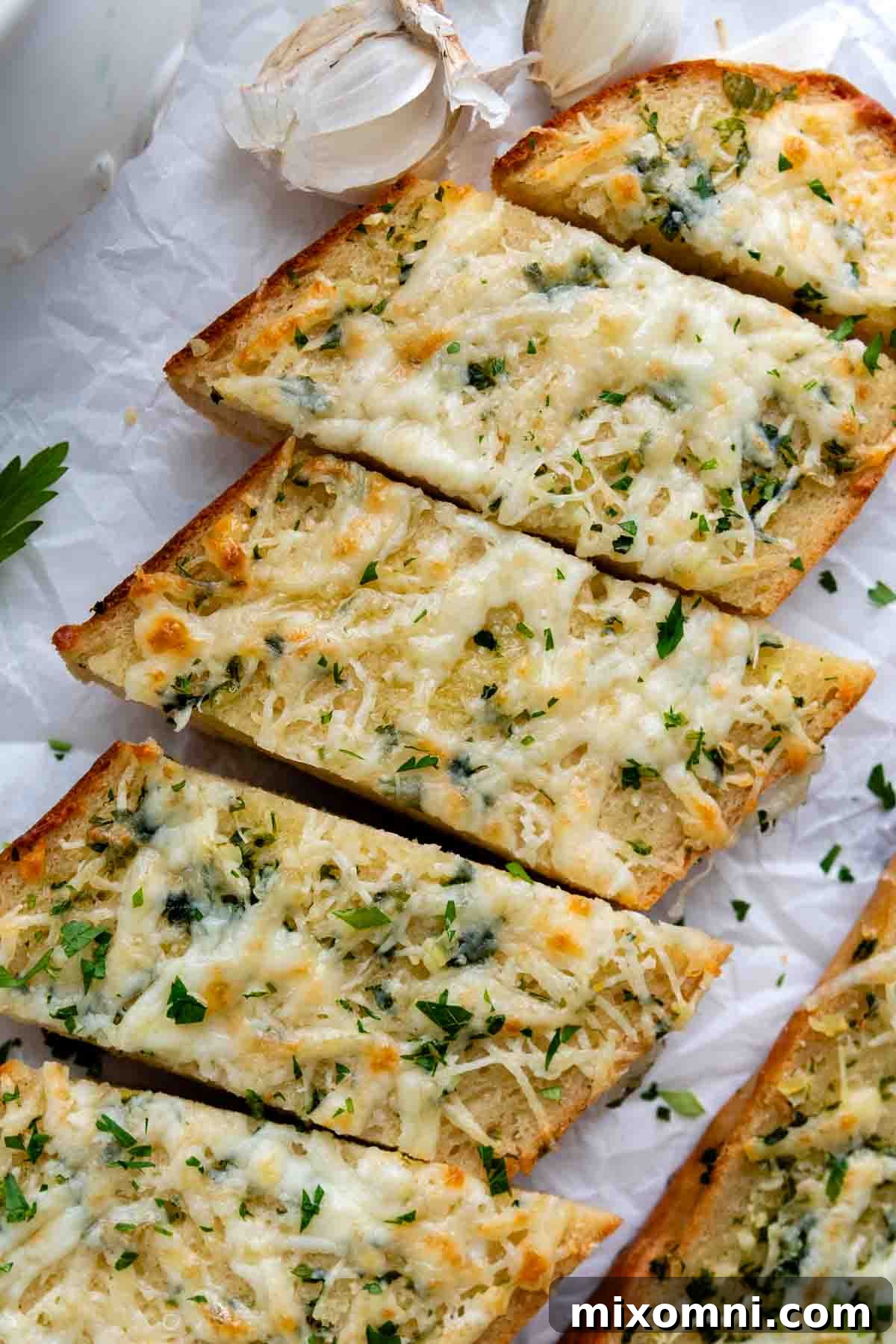
- Second Bake (Crisping and Cheesy Goodness): Carefully remove the bread from the oven and unwrap it from the foil. If you’re adding cheese, lay the two buttered halves face up on the same piece of foil. Generously sprinkle your chosen cheese (or cheeses) over the surface. Transfer the foil-lined bread back to the oven rack, buttered and cheesed side facing up. Bake for an additional 8-10 minutes. For those who prefer an extra crispy crust or beautifully golden, bubbly cheese, activate your oven’s broiler for 1-2 minutes. Keep a very close watch during broiling, as it can go from golden to burnt quickly! Once baked to your desired crispness and golden hue, remove from the oven, slice, and serve warm.
Expanding Your Options: Diverse Gluten-Free Bread Choices for Garlic Bread
One of the beauties of this garlic bread recipe is its adaptability. While a dedicated Italian or French gluten-free loaf works perfectly, you don’t always need to start from scratch or hunt for a specific type of bread. Whether you’re short on time, looking to repurpose leftovers, or simply want to explore different textures, there are plenty of excellent GF bread options for garlic bread to choose from:
- Leftover Gluten-Free Breads: Don’t let those bread ends or slightly stale slices go to waste! This recipe is incredibly forgiving and works wonderfully with a variety of leftover GF breads. Think outside the box:
- Gluten-Free Sandwich Bread: Simply slice your favorite sandwich bread (thicker slices work best) and arrange them on a baking sheet before brushing with the garlic butter.
- Gluten-Free Hot Dog Buns or Hamburger Buns: Split them open, brush with garlic butter, and bake for individual, soft garlic bread portions.
- Gluten-Free Bagels: Halve stale bagels and transform them into crispy garlic bagel chips or soft mini garlic breads.
For multiple slices of bread, simply arrange them in a single layer on a baking sheet to ensure even baking and crisping.
- Store-Bought Gluten-Free Bread: If homemade isn’t an option, or you’re seeking convenience, many excellent store-bought gluten-free breads perform beautifully. My personal preference is often the Schar brand, known for its reliable texture and flavor across various products. Look for their:
- Gluten-Free Baguettes: These are a fantastic choice for a classic garlic bread shape and texture.
- Gluten-Free Ciabatta Rolls: Offer a slightly chewier texture, perfect for soaking up the garlic butter.
- Gluten-Free Hot Dog or Hamburger Buns: As mentioned above, these are great for individual servings and quick preparation.
Always check labels to ensure they meet your dietary needs beyond just being gluten-free.
- Texas Toast Style Garlic Bread: For those who love a thick, hearty slice of garlic bread with a substantial chew, creating a Texas Toast style is effortless.
- Take a loaf of thicker-sliced gluten-free sandwich bread (homemade or store-bought).
- Brush each side generously with the prepared garlic butter.
- You can place these directly on the oven rack for maximum crispness, or use a convection toaster oven for smaller batches.
- Bake at 400ºF (200°C) for 5-8 minutes, or until each slice is beautifully crisp and golden.
- Homemade GF Loaves: If you’ve baked your own gluten-free French bread or Italian bread, you’re already halfway to an extraordinary garlic bread experience. These homemade loaves offer superior texture and flavor, providing the perfect canvas for your garlic butter.
- Garlic Croutons: Don’t discard those small bread ends or any bits of leftover GF French bread! They are ideal for making homemade garlic croutons.
- Cut the bread into 1-inch cubes.
- Place them in a large bowl and drizzle with the prepared garlic butter mixture. Toss well to ensure every cube is coated.
- Spread the coated cubes in a single layer on a parchment-lined baking sheet.
- Bake in a 375ºF (190°C) oven for 15-20 minutes, stirring and flipping them halfway through to ensure even browning and crunch. These make a fantastic addition to soups and salads!
Mastering Texture: Achieving Soft or Crispy Gluten-Free Garlic Bread
The beauty of homemade garlic bread lies not only in its flavor but also in its customizable texture. Do you prefer a garlic bread that’s soft and yielding, or one with a satisfying crunch? This recipe allows you to achieve both with simple adjustments to the baking process. The initial wrapping in foil is key for warming and infusing, but what happens next dictates the final texture.
For Delightfully Soft Garlic Bread:
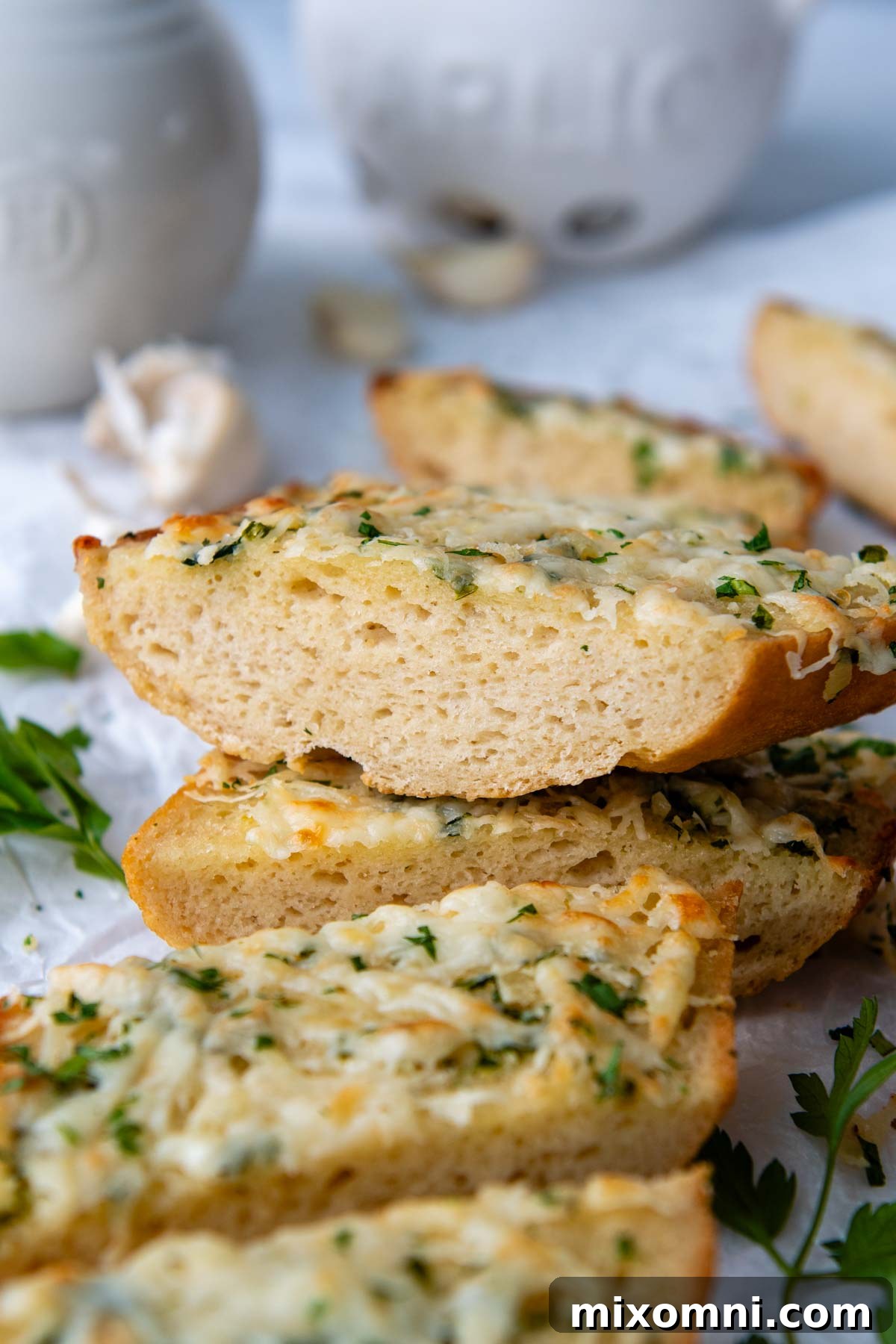
If your ideal garlic bread features a consistently soft, pillowy interior with just a hint of warmth and garlic infusion, you’ll want to extend the initial foil-wrapped baking time. After brushing the bread with garlic butter and securely wrapping it in foil, place it on the middle oven rack. Allow it to bake in the foil for a full 15 minutes at 400℉ (200°C). This extended period in the foil ensures the bread remains moist and steamy, resulting in a wonderfully tender texture throughout.
For Perfectly Crispy Garlic Toast:
If you crave that irresistible crunch and golden exterior, the key is to allow the bread to bake uncovered after an initial warming. Follow these steps for crisp perfection:
- First, warm the garlic-butter-brushed bread wrapped in foil for 10 minutes at 400℉ (200°C). This allows the bread to heat through and absorb the garlic butter’s flavor.
- Next, carefully remove the bread from the oven and unwrap it from the foil. Place the buttered halves directly back onto the oven rack (cut side up, or cheese-side up if adding cheese).
- At this point, it’s all about your personal preference for crispness. Bake for at least 5 minutes longer for slightly crisp edges, or continue baking for up to 10 minutes more to achieve a more pronounced crispness across the entire surface.
- For the ultimate golden-brown, crusty slices, turn on your oven’s broiler for 1-2 minutes. This high, direct heat will rapidly brown the surface. Important: Watch the bread closely under the broiler as it can burn in mere seconds.
By understanding these simple techniques, you can tailor your gluten-free garlic bread to your exact textural preference every single time, ensuring a perfect match for any meal or craving.
Tips for Success: Customizing and Troubleshooting Your Gluten-Free Garlic Bread
Creating delicious gluten-free garlic bread is straightforward, but with a few extra tips, you can elevate your results and tailor the recipe to your exact liking. Here are some insights for customizing, preparing ahead, and resolving common issues.
Customizing Your Garlic Bread
- Cheesy Variations:
- Classic Cheesy: For a balanced blend, combine ¼ cup freshly grated Parmesan with ½-1 cup freshly grated mozzarella. Parmesan adds sharp flavor, while mozzarella delivers that desirable stretch and melt.
- All Parmesan: If you prefer a stronger, saltier, and nutty flavor profile with a slightly drier, crispier cheese crust, use ½ cup of Parmesan cheese.
- All Mozzarella: For maximum gooeyness and a milder cheese flavor, opt for 1 cup of mozzarella.
- Pizzeria-Style: Craving that over-the-top, deeply cheesy experience? Increase the mozzarella to up to 2 cups. Pile it on and let it melt into a delightful, bubbly mess.
- Herbaceous Upgrades: Don’t limit yourself to just parsley! Consider adding other fresh or dried herbs to the garlic butter for different flavor dimensions.
- Italian Blend: Incorporate ½ teaspoon each of dried oregano and dried basil alongside the parsley for a classic Italian profile.
- Rosemary & Thyme: A hint of finely minced fresh rosemary or thyme can add an earthy, aromatic depth, particularly good with heartier meals.
- Spicy Kick: For those who love a bit of heat, sprinkle a pinch of red pepper flakes into the garlic butter mixture while it’s still warm.
- Dairy-Free Garlic Bread: Easily make this recipe dairy-free by substituting the unsalted butter with your favorite brand of vegan butter. Ensure your chosen gluten-free bread is also dairy-free. Skip the cheese or use a high-quality dairy-free shredded mozzarella or Parmesan alternative.
Make-Ahead, Storage, and Freezing Instructions
Garlic bread is best enjoyed fresh from the oven, but strategic planning allows you to enjoy it with minimal effort later.
- Storing Leftovers: If you find yourself with leftover slices (a rare occurrence!), it’s best to freeze them rather than refrigerate for optimal quality. Wrap individual slices tightly in plastic wrap, then transfer them to a freezer-safe ziplock bag. This helps prevent freezer burn and keeps them fresh for future enjoyment.
- Reheating Frozen Leftovers: When ready to indulge again, there’s no need to thaw. Wrap the frozen slices in aluminum foil and rewarm them in a 350ºF (175°C) oven for 5-10 minutes, or until heated through and crisp. For a quicker option, wrap a slice in a paper towel and microwave on 50% power for about 30 seconds.
- Make-Ahead Preparation (Unbaked): To prepare this garlic bread ahead of time, simply follow the steps to make the garlic butter and brush it generously onto your sliced gluten-free bread. Place the halves back together, then wrap the entire loaf securely in aluminum foil. For extra protection against freezer burn, add a double layer of plastic wrap around the foil-wrapped bread. It can be frozen for up to 2 months.
- Baking from Frozen (Make-Ahead): When you’re ready to bake your make-ahead frozen garlic bread, remove the plastic wrap but leave it in the foil. Place it directly into a preheated 400ºF (200°C) oven and bake for 15 minutes. After this initial warming, unwrap the bread and lay the halves flat (cut side up) on the foil. Continue baking for an additional 8-10 minutes, or until golden and crispy to your liking. Add cheese at this stage if desired.
Troubleshooting Common Issues
- Garlic Bread is Too Soggy: This often happens if too much butter mixture is used or if the bread is wrapped in foil for too long without a final uncovered bake. Ensure you apply a liberal but not excessive amount of butter. For crispier results, always include an uncovered baking period as described in the “Crispy Garlic Toast” section.
- Garlic is Burnt or Bitter: Burnt garlic is a common culprit for bitter garlic bread. Always cook the minced garlic over low heat for a very short duration (about 1 minute) and remove it from the heat immediately when it becomes fragrant, before it starts to brown.
- Not Enough Flavor: If your garlic bread tastes bland, it’s likely due to insufficient salt or using pre-minced jarred garlic. Always use fresh garlic and ensure you’ve seasoned the butter mixture adequately with salt, tasting it before spreading. Adding a bit more fresh parsley or a touch of onion powder can also boost overall flavor.
- Bread is Dry or Hard: This usually means it was baked for too long uncovered, or the bread itself was already stale. If you prefer softer bread, stick to the foil-wrapped method or shorten the uncovered baking time. Using fresh (or freshly thawed frozen) gluten-free bread helps maintain moisture.
Serving Suggestions and Perfect Pairings
This versatile gluten-free garlic bread isn’t just a side dish; it’s a star in its own right, capable of complementing a vast array of meals. Its buttery, garlicky aroma and satisfying texture make it an ideal partner for many culinary creations. Here are some perfect pairing ideas to inspire your next meal:
- Classic Italian Fare: The most obvious and beloved pairing! Serve alongside any pasta dish, from a rich gluten-free lasagna or a hearty spaghetti Bolognese to a simple pasta primavera. It’s also magnificent with chicken or eggplant Parmesan.
- Comforting Soups: There’s nothing quite like dipping a warm, garlic-infused slice into a steaming bowl of soup. It pairs wonderfully with minestrone, tomato soup, French onion soup, or a creamy potato soup.
- Fresh Salads: Add a substantial and flavorful crunch to your salads. It’s a fantastic accompaniment to a crisp Caesar salad, an Italian chopped salad, or any green salad with a robust vinaigrette. You can also turn it into croutons for a direct addition!
- Grilled Meats and Poultry: The savory notes of garlic bread make it an excellent side for grilled chicken, steak, pork chops, or even roasted turkey. It helps soak up delicious pan juices or marinades.
- Seafood Dishes: Light and flavorful seafood dishes, like baked salmon, grilled shrimp, or a classic cioppino, are beautifully enhanced by the addition of garlic bread.
- As an Appetizer: Cut into smaller pieces and serve on its own or alongside a marinara dipping sauce for a simple yet incredibly satisfying appetizer.
No matter how you choose to serve it, this easy gluten-free garlic bread is guaranteed to be a crowd-pleaser, bringing joy and classic comfort back to your gluten-free table.
Save this recipe to your Pinterest board!
Let’s be friends on Pinterest! I’m always sharing great recipes!
Did you make this recipe? I love hearing from you! Leave a star rating and comment below the recipe card. It helps others when searching for recipes and I appreciate feedback from our community. You will always hear back from me! -Melissa
How to Make Best Gluten-Free Garlic Bread (Easy Tips)

Melissa Erdelac
There’s no reason to miss out on a classic anymore! Learn how to make the best gluten-free garlic bread, with crisp, golden edges, a soft, squishy interior, a unique combo of butter, olive oil, fresh garlic, and optional cheesy topping. This easy recipe includes plenty of tips and variations to fit any preference, from homemade bread options, store-bought substitutes, and how to create the perfect ratio of ingredients for spectacular flavor!
Pin Recipe
Rate Recipe
Remove Ads
Ingredients
- 1 loaf gluten-free Italian bread (see recipe notes for other options)
- 4 tablespoons unsalted butter
- 1 tablespoon olive oil
- 3 garlic cloves, minced
- ¼ teaspoon salt
- 1 ½ tablespoons minced fresh parsley, or 1 tsp. dried parsley
- ¼-½ cup freshly grated Parmesan cheese (optional – see recipe notes)
- ½-1 cup freshly grated mozzarella (optional – see recipe notes)
Equipment
- Pastry Brush
- Serrated Knife
- Santoku Knife
Instructions
- Preheat the oven to 400℉ (200°C) and position the oven rack to the middle position. Take the loaf of gluten-free bread and slice it in half horizontally. Lie cut side up on a large sheet of aluminum foil.
- In a small skillet over low heat, melt the butter and oil together. Once melted, stir in the garlic, stirring and cooking for 1 minute, careful not to burn. Remove from the heat and stir in the salt and parsley.
- Brush the butter mixture over the two cut sides of bread. Place the halves back together and wrap securely in foil. Place directly on the middle oven rack and bake for 10 minutes.
- Remove from the oven and carefully unwrap from the foil. If using cheese, lay the two buttered halves face up on the foil and sprinkle with cheese. Transfer the foil, with buttered side face up, back to the oven rack. Bake for 8-10 minutes longer. If you wish for crispier bread or golden cheese, turn on the broiler, leaving the bread on the middle rack. Watch closely and broil 1-2 minutes. Slice and serve warm.
Notes
More Bread Options
- Gluten-free French bread recipe – The garlic butter mixture will be enough for 2 baguettes.
- Garlic Texas Toast – Thickly slice a loaf of gluten-free bread and brush with the garlic butter. Place directly on the oven rack. Bake at 400ºF (200°C) for 5-8 minutes, or until crisp and golden.
- Store bought bread – I prefer Schar brand, which makes baguettes, ciabatta, hot dog or hamburger buns. Any of these can be used.
Cheesy Garlic Bread
If you prefer a cheese combo, I recommend using ¼ cup Parmesan and ½-1 cup of mozzarella cheese. You can use all Parmesan (½ cup) or all mozzarella (1 cup). For pizzeria-style cheese bread, use up to 2 cups of mozzarella cheese.
Storing, Make-Ahead, and Freezing
If you have leftover bread, I recommend freezing because it’s best the day it is made. For best results, wrap in plastic wrap and transfer to a ziplock freezer bag.
When ready to enjoy again, wrap slices in foil and rewarm in a 350ºF (175°C) oven for 5-10 minutes. Alternatively, wrap in a paper towel and microwave for 30 seconds at 50% power.
To make this ahead of time, prepare the garlic butter and brush on as directed. Wrap the bread securely in aluminum foil and then a double layer of plastic wrap to protect from freezer burn. Freeze up to 2 months.
When ready to bake, remove the plastic wrap, leaving it in the foil. Bake from frozen for 15 minutes before unwrapping and laying flat to bake for 8-10 minutes longer.
Nutrition
Calories: 77 kcal,
Carbohydrates: 1g,
Protein: 2g,
Fat: 7g,
Saturated Fat: 4g,
Polyunsaturated Fat: 0.4g,
Monounsaturated Fat: 2g,
Trans Fat: 0.2g,
Cholesterol: 17mg,
Sodium: 182mg,
Potassium: 18mg,
Fiber: 0.04g,
Sugar: 0.1g,
Vitamin A: 226IU,
Vitamin C: 1mg,
Calcium: 64mg,
Iron: 0.1mg
Did you make this recipe?
Please leave a star rating and review below. It helps others when searching for recipes and I LOVE feedback!