The Ultimate Easy Gluten-Free Coconut Chicken Curry: A Family-Friendly Weeknight Meal
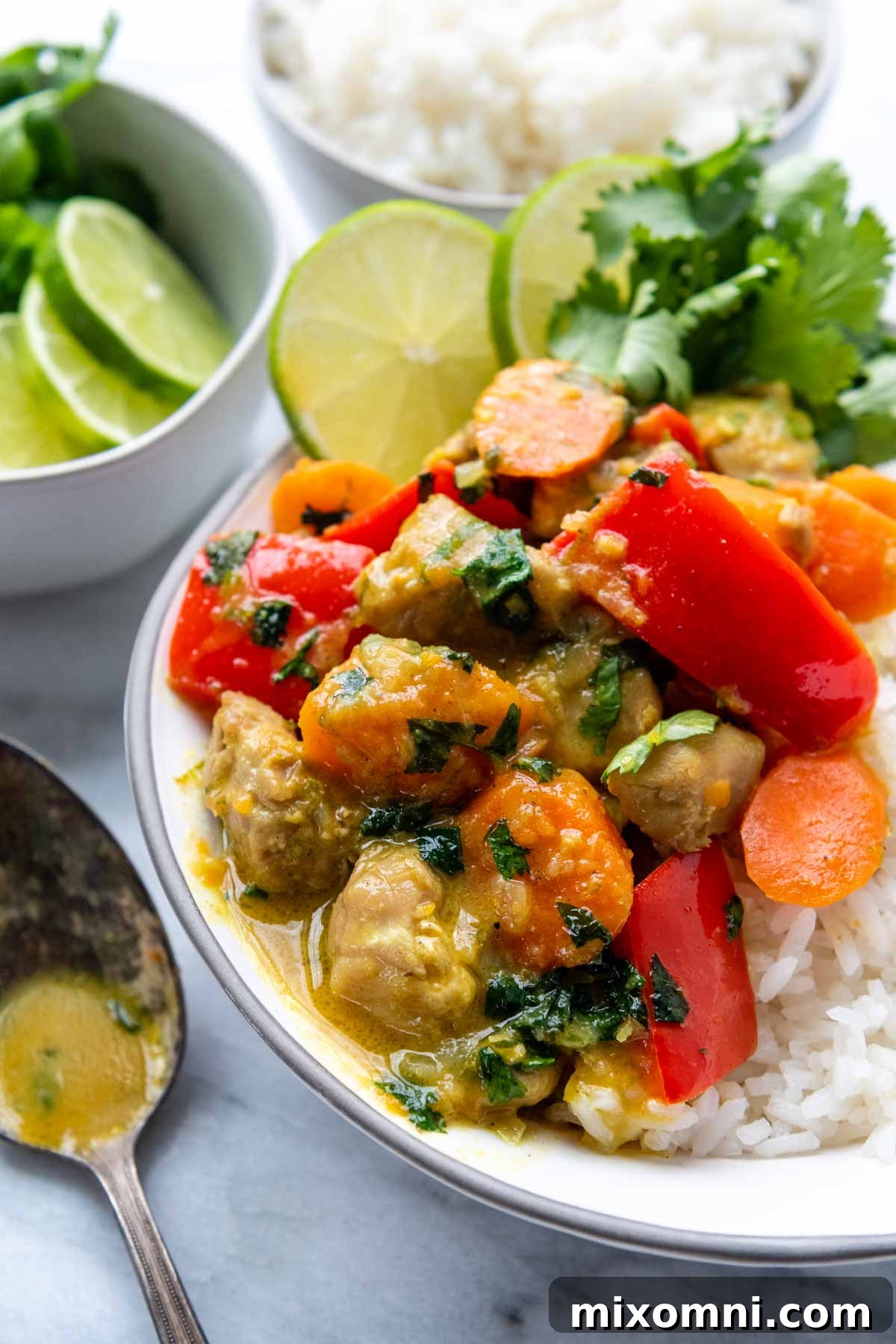
Are you searching for the perfect gluten-free curry recipe that’s both delicious and simple to prepare? Or perhaps you’re wondering if curry is safe for individuals with celiac disease or those following a gluten-free diet? Look no further! This article provides everything you need to know, topped off with an incredibly easy and flavorful coconut chicken curry recipe. Designed as a quick, satisfying weeknight dinner, this recipe stands out because it’s made entirely without curry paste, relying on common pantry spices for its rich, aromatic flavor. It’s not only simple to customize for different palates but also naturally dairy-free, making it a versatile and inclusive meal for the whole family.
Mastering Gluten-Free Weeknight Dinners with Coconut Chicken Curry
Crafting easy, weeknight gluten-free dinner recipes that everyone loves is a culinary sweet spot. The goal is always to create dishes bursting with flavor, ensuring that the entire family can enjoy a single, wholesome meal together, without anyone feeling left out due to dietary restrictions. Our approach emphasizes using readily available and affordable ingredients, making these recipes not only incredibly delicious but also budget-friendly – a philosophy deeply ingrained in our cooking and explored further in our dedicated gluten-free cookbook.
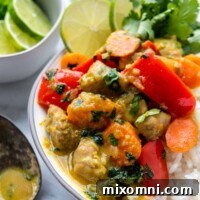
This effortless gluten-free coconut chicken curry perfectly embodies this ethos. A major highlight is its preparation without store-bought curry paste, eliminating the need to search for yet another specialized ingredient that might be hard to find or contain hidden gluten. Instead, we utilize a blend of standard pantry spices, ensuring convenience and accessibility. This also grants you complete control over the flavor profile, allowing you to adjust the spice levels to your family’s preference.
The strategic use of rich coconut milk ensures this curry is naturally dairy-free, a huge bonus for those with lactose sensitivities or allergies. Beyond its dairy-free quality, coconut milk infuses the dish with a delightful, subtle sweetness and a distinct Thai-inspired creaminess, reminiscent of our popular creamy coconut shrimp recipe and elevating it with a restaurant-quality touch similar to our homemade gluten-free ramen recipe. It truly acts as a foundational ingredient, creating a luxuriously smooth and flavorful sauce.
While this recipe is highly adaptable, the suggested combination of proteins and vegetables has been carefully chosen to achieve optimal flavor balance and consistent, mouth-watering results. We opt for boneless chicken thighs over breasts because their slightly higher fat content guarantees moist, tender meat every time, eliminating the risk of overcooking and dryness. This ensures every bite is succulent and flavorful.
The vegetables – hearty sweet potatoes, crisp carrots, and vibrant bell peppers – are incorporated at precise stages to maximize their texture. The sweet potatoes and carrots are added early, allowing them ample time to soften and slightly break down, contributing to the curry’s natural thickening and adding a comforting sweetness. The bell peppers, on the other hand, are introduced towards the end of the cooking process. This preserves their crisp-tender texture, providing a delightful contrast to the softer ingredients and adding a fresh, bright element to the dish.
Beyond simply learning how to prepare a fantastic gluten-free chicken curry, this guide will also empower you with valuable ingredient swap ideas to perfectly tailor the recipe to your dietary needs and taste preferences. Furthermore, for those navigating a gluten-free lifestyle, we’ll delve into important considerations for enjoying take-out or restaurant curries safely, highlighting what to look out for to avoid gluten contamination.
Is Curry Naturally Gluten-Free? Understanding the Essentials for a Celiac-Safe Diet
A common question for anyone on a gluten-free diet is whether curry, in general, is safe to eat. While many traditional curries are naturally gluten-free, relying on spices, vegetables, and meats, it’s crucial to be vigilant about certain ingredients and preparation methods, especially when dining out or using pre-made components.
The main culprits for hidden gluten in curries often include:
- Curry Pastes: Many commercially produced curry pastes, particularly those from Asian supermarkets, can contain wheat flour or other gluten-containing thickeners or stabilizers. Always check labels carefully for “gluten-free” certification or a clear ingredient list.
- Thickeners: Some restaurants or recipes might use wheat flour or other gluten-containing agents to thicken their curry sauces. Our recipe avoids this by using the natural starches from sweet potatoes and the richness of coconut milk.
- Soy Sauce: In curries with an Asian influence, regular soy sauce (which contains wheat) is often used. Always opt for tamari, a gluten-free alternative to soy sauce, or ensure your fish sauce is certified gluten-free.
- Cross-Contamination: In restaurant settings, there’s always a risk of cross-contamination, where gluten-free ingredients come into contact with gluten-containing ones through shared utensils, cutting boards, or fryers. When ordering, communicate your dietary needs clearly.
By making your curry at home with whole, unchecked ingredients, like in this recipe, you can confidently ensure it is 100% celiac-safe and delicious!
Ingredient Tips and Swaps for Your Perfect Gluten-Free Curry
Understanding your ingredients is key to both culinary success and adhering to dietary needs. Here are some detailed tips and potential swaps for the components of our easy gluten-free coconut chicken curry:
- Oil: While any preferred cooking oil will work, such as olive or canola oil, using coconut oil truly enhances the overall flavor profile. Its subtle sweetness and tropical notes beautifully complement the coconut milk and curry spices, creating a more cohesive and authentic taste.
- Shallot: We favor shallots for their delicate, sweeter, and more subtle flavor compared to typical onions. This makes them less overpowering in the curry. If shallots aren’t available, a small, thinly sliced red onion can be a good substitute, or for a more pungent aromatic base, use 3 minced garlic cloves. You could also combine a small amount of finely minced onion with garlic for a deeper flavor.
- Fish Sauce: Don’t be put off by its initial pungent aroma; fish sauce is a game-changer! It’s essential for adding a profound umami depth that is characteristic of many Southeast Asian curries. However, like soy sauce, many brands can contain gluten. It’s imperative to read labels carefully to ensure you choose a certified gluten-free variety. Our trusted brands include Dynasty, Red Boat, Thai Kitchen, and A Taste of Thai, which are usually found in the international ingredients aisle of most major supermarkets.
- Veggies: The suggested medley of carrots, sweet potatoes, and bell peppers provides a lovely balance of sweetness and texture. However, this recipe is highly flexible! Feel free to incorporate or substitute other vegetables based on what you have on hand or your preference. Consider broccoli, spinach, cauliflower, butternut squash, fresh tomatoes, or zucchini. The key is to add them to the curry sauce based on their cooking time – heartier root vegetables like potatoes and squash should go in earlier, while leafy greens or quick-cooking vegetables like spinach should be added towards the end to maintain their freshness and avoid overcooking.
- Chicken: Boneless, skinless chicken thighs are highly recommended here. Their inherent fat content makes them incredibly forgiving and guarantees consistently tender, juicy results, even if slightly overcooked. For a delicious vegan or vegetarian gluten-free curry, simply omit the chicken. You can replace it with additional vegetables or use extra-firm tofu. If using tofu, press it thoroughly to remove excess moisture, then cut it into 1-inch strips and lightly toss in cornstarch before stir-frying until golden brown to achieve a pleasant crispy texture.
- Coconut Milk: For the most authentic flavor and creamy texture, full-fat canned coconut milk is your best bet, replicating the richness of a traditional Thai curry. However, if you’re looking for a lighter option or a different flavor, regular heavy cream (if not dairy-free) or light coconut milk can also be used. Coconut milk is truly a powerhouse ingredient in savory dishes; another favorite of ours that showcases its versatility is this quick coconut fish and tomato bake recipe.
- Aromatics: The combination of fresh minced ginger, bright lime juice, fragrant lime zest, a hint of honey, robust curry powder, and fresh cilantro creates a symphony of robust flavors that define this curry. If you’re not a fan of cilantro (it’s often a love-it-or-hate-it herb!), a fantastic alternative is fresh Thai basil or regular basil, which will still provide a fresh, aromatic lift to the dish.
Let’s Make This Together! Your Step-by-Step Gluten-Free Curry Guide
Get ready to cook! Preparing curry is a delightful experience, and with a little mise en place, it comes together swiftly. (The full recipe, with precise ingredient amounts, is available in the recipe card below. These are detailed, step-by-step photos and modified instructions for clarity.)
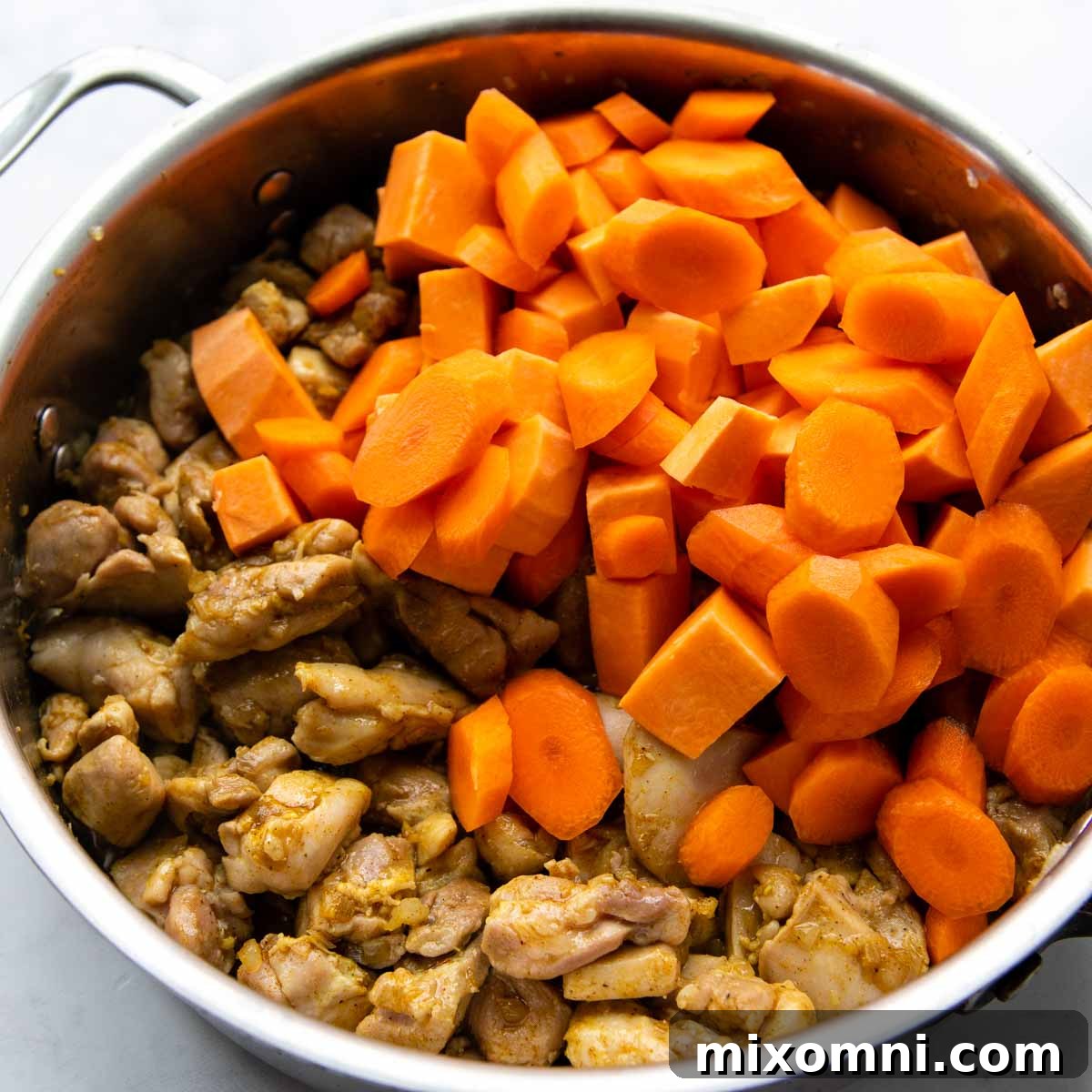
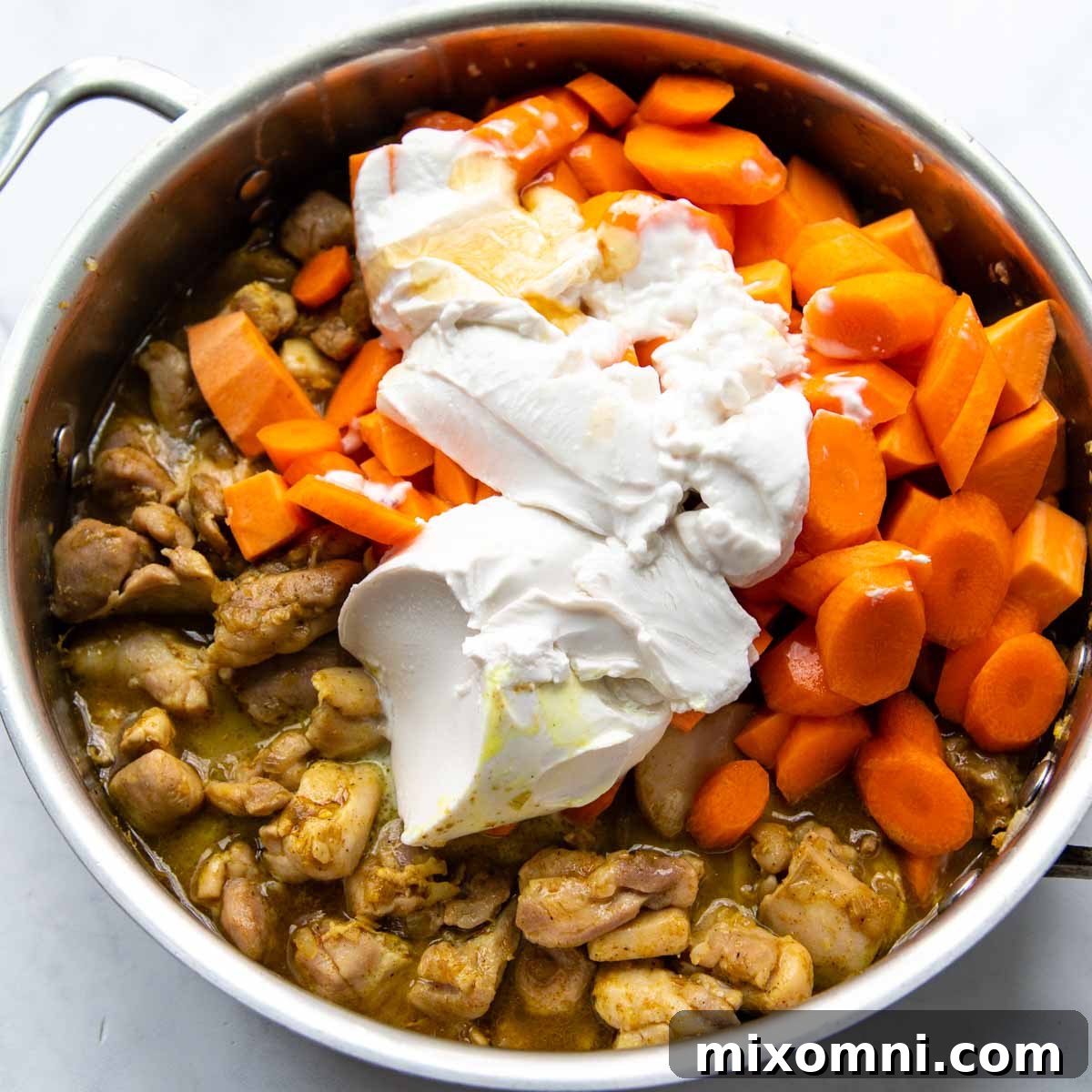
- Preparation is Key (Mise en Place): Before you even turn on the stove, gather and prep all your ingredients. Chop your shallots, mince the ginger, dice your chicken, slice the carrots, and cut the sweet potatoes and bell peppers. This is crucial for curry and stir-fry recipes because they cook very quickly. This is also an excellent time to start cooking your rice, so it’s ready when the curry is.
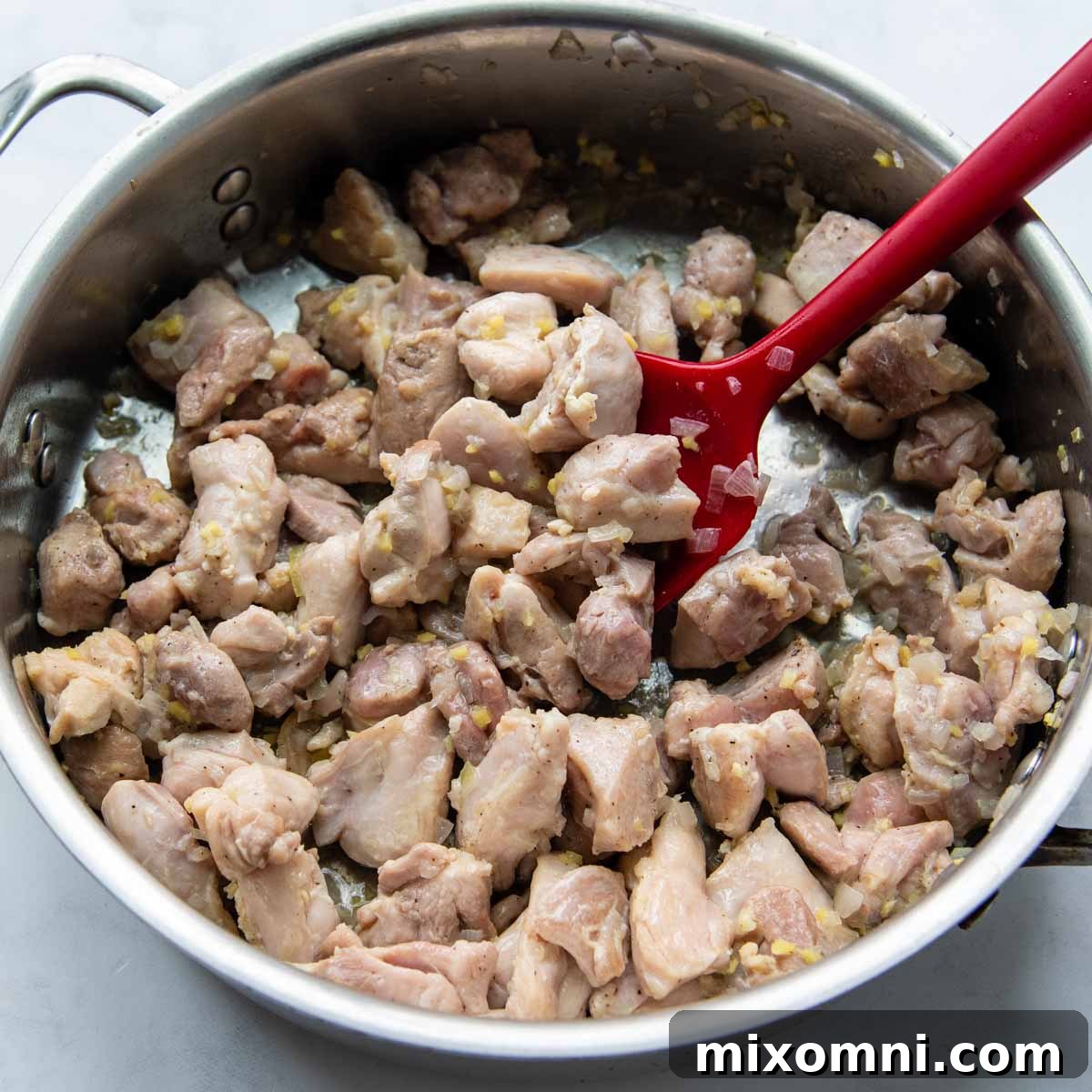
- Sear the Aromatics and Chicken: Heat a large, deep skillet or Dutch oven over medium-high heat. Add your chosen oil (coconut oil is wonderful here) and let it shimmer. Add the finely chopped shallots and minced ginger, cooking for about a minute until fragrant. Then, add the bite-sized pieces of boneless, skinless chicken thighs. Season generously with salt and freshly ground pepper. Cook and stir everything together for approximately 4 minutes, or until the chicken pieces are just opaque on the outside but not yet fully cooked through. This searing locks in flavor.
- Build the Flavor Base: Now for the curry’s signature depth! Pour in the gluten-free fish sauce and sprinkle in the curry powder. A word of warning: the aroma at this stage can be quite pungent due to the fish sauce, but trust the process – it will transform into something truly delicious! Cook and stir for just 1 minute to allow the spices to bloom. Then, add the diagonally sliced carrots and the 1-inch pieces of sweet potatoes to the pan, stirring to coat them in the flavorful base.
- Introduce Creaminess and Sweetness: Reduce the heat to medium. Stir in the honey, which adds a lovely touch of sweetness and balances the savory flavors. Next, add the canned coconut milk. Don’t be alarmed if the coconut milk has separated into a solid, creamy layer and a watery liquid; this is perfectly normal. Add both components to the pan and stir vigorously to combine all the ingredients until smooth. Bring the mixture to a gentle boil.
- Simmer to Perfection: Once the curry reaches a boil, immediately reduce the heat to a low simmer. Partially cover the skillet with a lid, leaving a small gap for steam to escape. Allow it to cook for 10-12 minutes, stirring every few minutes to prevent sticking and ensure even cooking. Continue simmering until the sweet potatoes are fork-tender, indicating they’ve absorbed the rich flavors and softened beautifully.
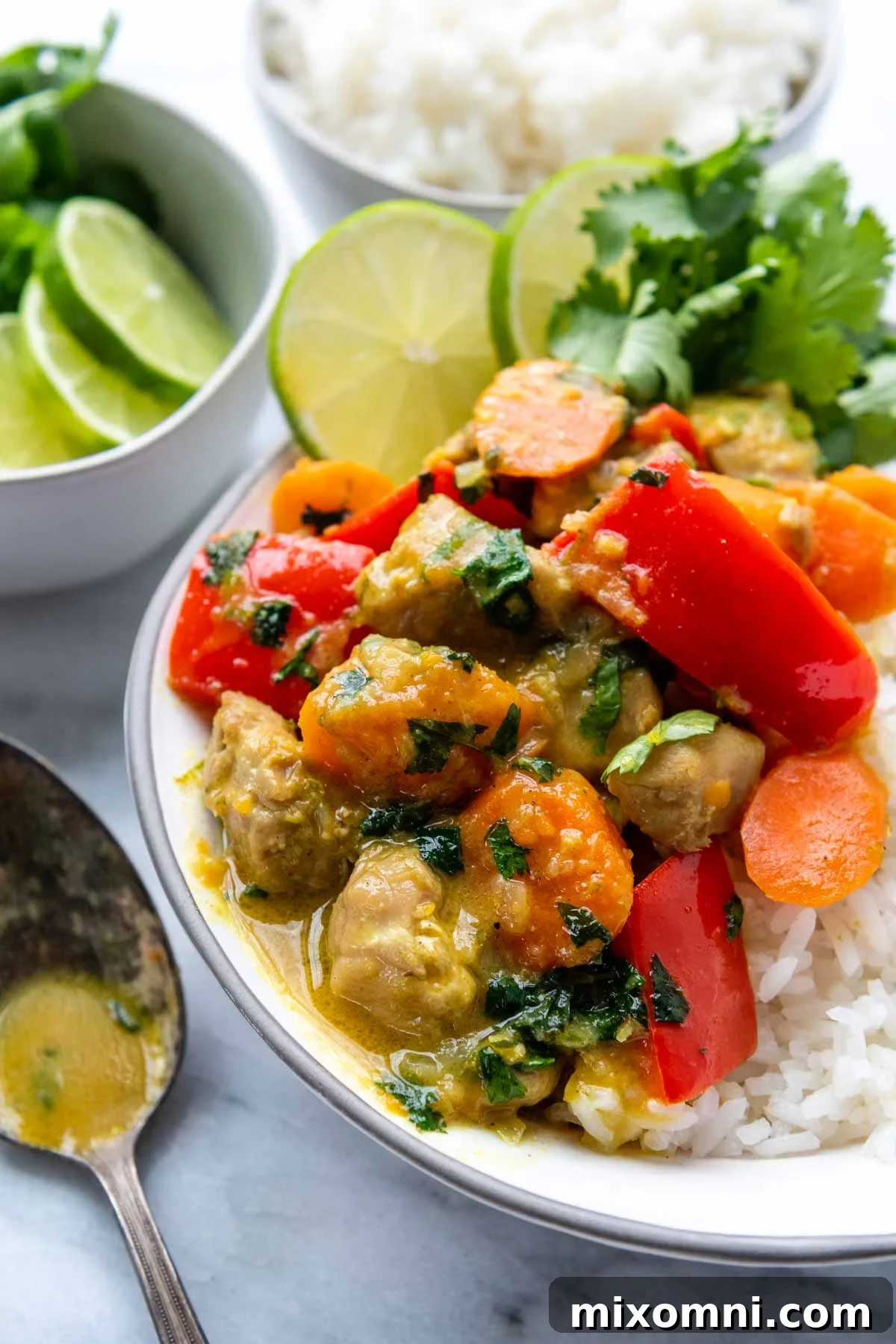
- Finish with Freshness: Remove the lid from the skillet. Stir in the 2-inch pieces of red bell pepper. Simmer, uncovered, for another 5 minutes, stirring occasionally. This ensures the bell peppers retain a crisp-tender texture, adding a fresh bite. Finally, stir in the vibrant lime juice, aromatic lime zest, and chopped fresh cilantro. Give it a final taste test and adjust seasonings if needed. Serve your fragrant, easy gluten-free coconut chicken curry piping hot over a bed of rice or alongside warm gluten-free flatbread. Enjoy!
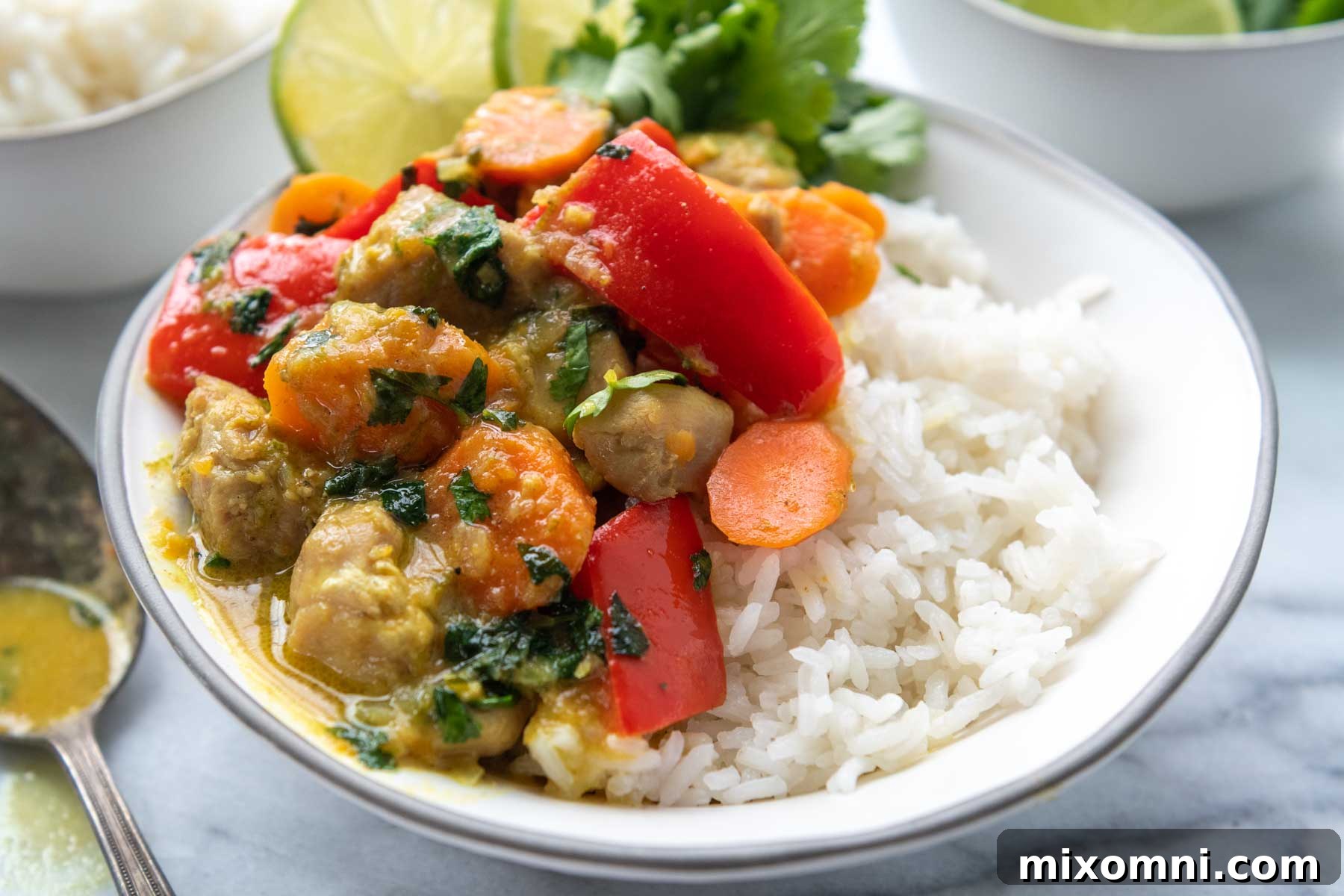
Serving Your Delicious Gluten-Free Curry: The Best Way to Enjoy
This gluten-free coconut chicken curry creates a wonderfully rich and aromatic sauce, making it essential to pair it with something that can beautifully soak up every drop of its incredible flavor. The classic accompaniment is rice, which provides a perfect neutral base. Scoop your choice of rice – whether it’s fluffy white, wholesome brown, fragrant jasmine, aromatic basmati, or a low-carb cauliflower rice option – into serving bowls, then generously spoon the creamy coconut curry over it. The rice absorbs the complex flavors, turning each mouthful into a delightful experience.
While this particular recipe is designed to be mild and broadly appealing, we understand that spice preferences vary greatly. For those who enjoy a bit of heat, we recommend serving the curry with optional accompaniments like Sriracha or a bowl of crushed red pepper flakes on the side. This allows each person to customize their dish to their preferred spice level, ensuring everyone at the table is happy.
Beyond spice, garnishes can add both visual appeal and a burst of fresh flavor. Consider a sprinkle of additional fresh herbs, such as extra chopped cilantro or fragrant Thai basil, which brightens the dish. A scattering of chopped nuts like peanuts or cashews can introduce a lovely crunch and nutty undertone (ensure they are gluten-free if preparing for celiacs). And, of course, fresh lime wedges are indispensable – a squeeze of fresh lime juice just before eating adds a vital tangy finish that cuts through the richness of the coconut milk, elevating all the flavors.
Storage and Reheating Tips for Your Gluten-Free Curry
One of the many benefits of making a homemade curry like this easy gluten-free coconut chicken curry is that it often tastes even better the next day as the flavors meld and deepen! Proper storage is key to enjoying your leftovers safely and deliciously.
Refrigeration: Any leftover curry should be stored in an airtight container, ideally separate from any cooked rice, in the refrigerator. It will stay fresh and flavorful for up to four days. Separating the curry from the rice helps prevent the rice from becoming mushy and allows both components to reheat optimally.
Freezing: This curry freezes beautifully, making it an excellent meal prep option. Allow the curry to cool completely, then transfer it to freezer-safe airtight containers or heavy-duty freezer bags. It can be stored in the freezer for up to 3 months. When you’re ready to enjoy it, thaw the frozen curry overnight in the refrigerator before reheating.
Reheating: To reheat your curry, gently warm it on the stovetop over medium-low heat, stirring occasionally, until it is heated through. If reheating in the microwave, place the curry in a microwave-safe bowl. We recommend starting with 2-3 minutes at 50% power to ensure even heating without drying out the sauce. Once it’s almost heated through, finish with short bursts at FULL power until it’s steaming hot. If you stored the curry and rice separately, reheat them individually for best results.
These simple storage and reheating methods mean you can enjoy the delightful flavors of your homemade dairy-free, gluten-free chicken curry long after you’ve made it, ensuring a convenient and satisfying meal whenever you need it.
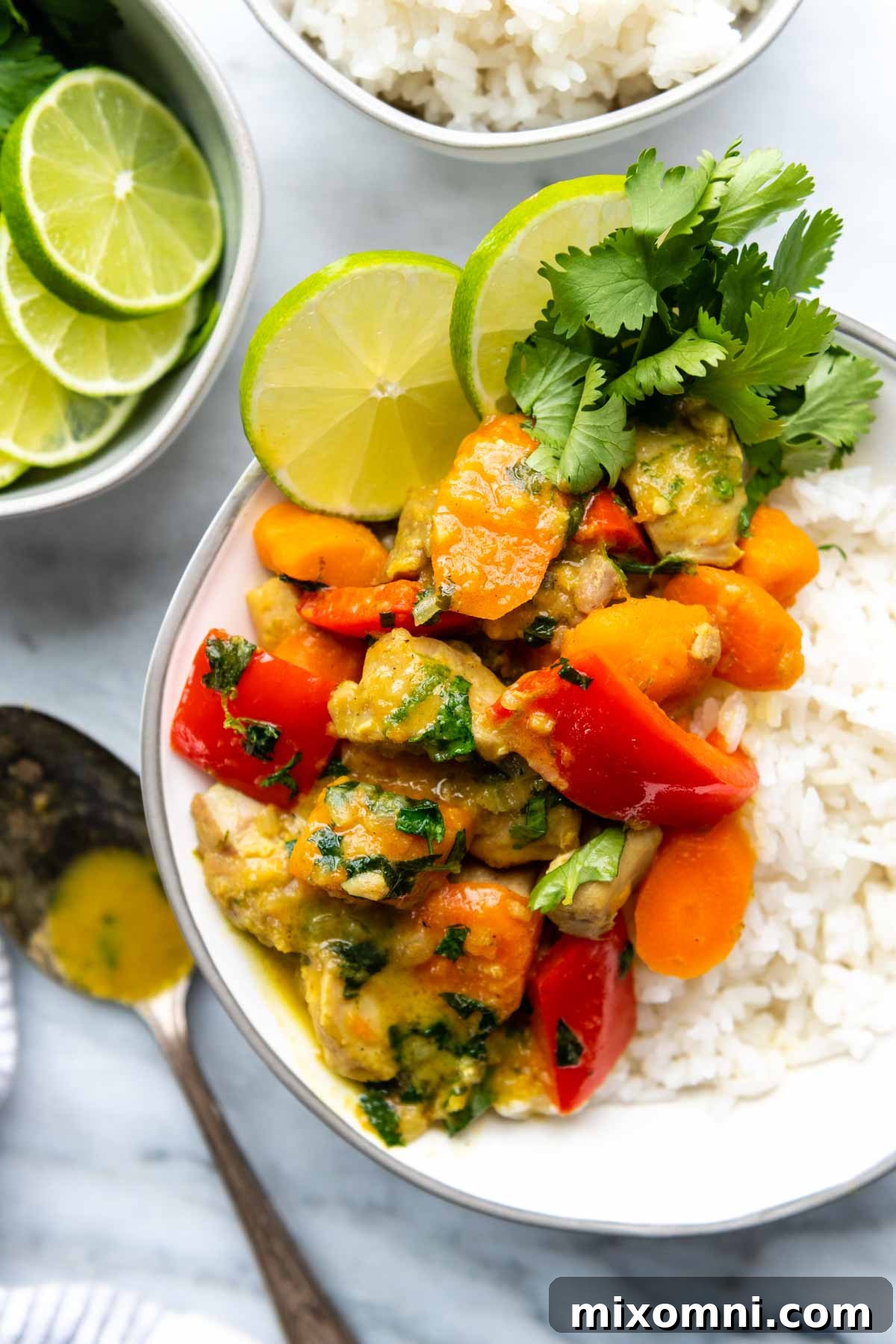
Save this recipe to your Pinterest board!
Let’s be friends on Pinterest! I’m always sharing great recipes!
Did you make this recipe? We love hearing from you! Leave a star rating and comment below the recipe card. Your feedback helps others discover amazing recipes and truly means the world to our community. You will always hear back from me! -Melissa
5 stars (3 ratings)
Easy Gluten-Free Curry Recipe (Best Flavor)

Melissa Erdelac
Whether you are looking for the best gluten-free curry recipe or wondering if celiacs or those on a gluten-free diet can eat curry, you’ll find it all here! Not only does this easy coconut chicken curry make a quick gluten-free dinner to satisfy the whole family, but it’s made without curry paste so it’s simple, highly-adaptable to different tastes, richly flavored and dairy-free!
Pin Recipe
Rate This Recipe
Ingredients
- 2 tablespoons (30 mL) oil, I use coconut oil
- 1 medium shallot, finely chopped
- 1 tablespoon (6 g) minced gingerroot
- 2 pounds (1 kg) boneless, skinless chicken thighs, cut in bite-sized pieces
- ¼ teaspoon salt
- ⅛ teaspoon ground pepper
- 3 tablespoons (45 mL) gluten-free fish sauce
- 2 teaspoons (4 g) curry powder
- 3 medium carrots, sliced on diagonal in ½-inch slices
- 1 medium sweet potato, peeled and cut in 1-inch pieces
- 14 ounce can coconut milk (full-fat recommended)
- 1 tablespoon (30 mL) honey
- 1 red bell pepper, seeded and cut in 2-inch pieces
- ⅓ cup (5 g) fresh cilantro, chopped
- 1 tablespoon (6 g) lime zest (zest of 2 limes)
- 1 tablespoon (15 mL) lime juice
- Rice, for serving
- Optional: Sriracha or crushed red pepper, for spiciness
Equipment
- Santoku Knife
- Deep Skillet
Instructions
- When making curry, it’s always best to have all your ingredients prepped beforehand since it cooks up quickly. This is also a good time to begin cooking the rice.
- Heat a large deep skillet over medium-high heat. Add the oil to heat, then the shallots, ginger, and chicken. Sprinkle the salt and pepper over everything. Cook and stir for about 4 minutes, or until the chicken is just opaque, but not cooked through.
- Add the fish sauce and curry powder. Warning – at this point it smells strong, but trust the process! It will be delicious! Cook for 1 minute and then stir in the carrots and sweet potatoes.
- Lower to medium heat and stir in the honey and coconut milk. The coconut milk may be a combination of solid and watery liquid. Add it all to the pan. Stir to combine and bring to a boil.
- Lower the heat until the sauce is gently simmering. Slightly cover and cook for 10-12 minutes, stirring every few minutes. Cook until the potatoes are fork tender.
- Remove the lid and stir in the peppers. Simmer, uncovered, for 5 minutes, stirring occasionally. Lastly, stir in the lime juice, lime zest, and cilantro. Serve over rice.
Notes
Suggested Modifications
- Vegetarian or Vegan: Omit the chicken and replace with additional veggies or extra-firm tofu. Before adding the tofu, slice it into 1-inch strips and place it between layers of paper towels with a baking sheet on top. Let it sit for 20 minutes to absorb liquid. After this, toss the tofu in cornstarch before cooking in the oil until golden and crispy.
- Spicy: Usually, red curry paste is what makes curries spicy. Since this recipe uses only curry powder, you can easily control the heat. Add in fresh chilies (like bird’s eye chilies) or stir in red pepper flakes to your desired spice level.
- Vegetables: Besides carrots, sweet potatoes, and bell peppers, a wide array of vegetables can be added or swapped out. Add them to the recipe according to how much time they take to cook (heartier vegetables like white potatoes or butternut squash earlier, quick-cooking greens like spinach or zucchini at the end). Other suggested veggies include broccoli, cauliflower, or fresh tomatoes.
Nutrition Facts (per serving)
Calories: 488kcal, Carbohydrates: 18g, Protein: 38g, Fat: 30g, Saturated Fat: 22g, Polyunsaturated Fat: 2g, Monounsaturated Fat: 4g, Trans Fat: 0.03g, Cholesterol: 172mg, Sodium: 1178mg, Potassium: 953mg, Fiber: 3g, Sugar: 8g, Vitamin A: 10675IU, Vitamin C: 36mg, Calcium: 65mg, Iron: 5mg

Did you make this recipe?
Please leave a star rating and review below. It helps others when searching for recipes and I LOVE feedback!