
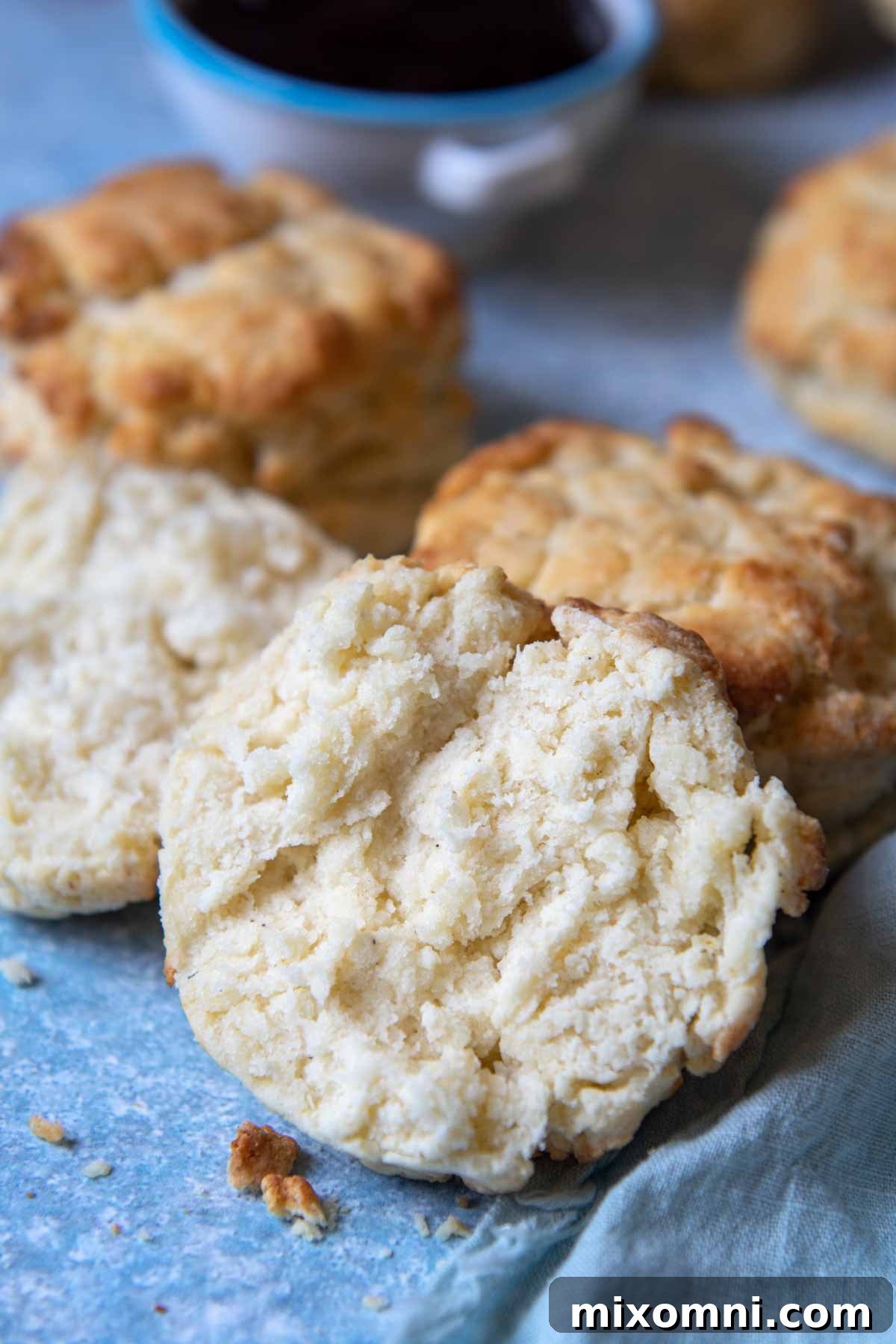
Craving that comforting taste of warm, fluffy biscuits but need them to be gluten-free? You’re in the right place! This ultimate recipe for homemade gluten-free drop biscuits delivers unparalleled softness, tenderness, and a perfectly fluffy texture, all ready in under an hour. Forget the dense, crumbly, or gummy gluten-free baked goods you might have encountered before. This recipe redefines what a gluten-free biscuit can be, making it a beloved staple in countless kitchens.
What makes these stand out from the crowd? Instead of traditional buttermilk, we harness the power of plain yogurt to achieve an incredibly tender crumb and a rich, subtle tang that complements any meal. The secret to their success also lies in a crucial resting period for the dough, allowing the gluten-free flours to properly hydrate and prevent any grittiness. The result? Biscuits that emerge from the oven golden brown, irresistibly soft, and truly melt-in-your-mouth delicious.
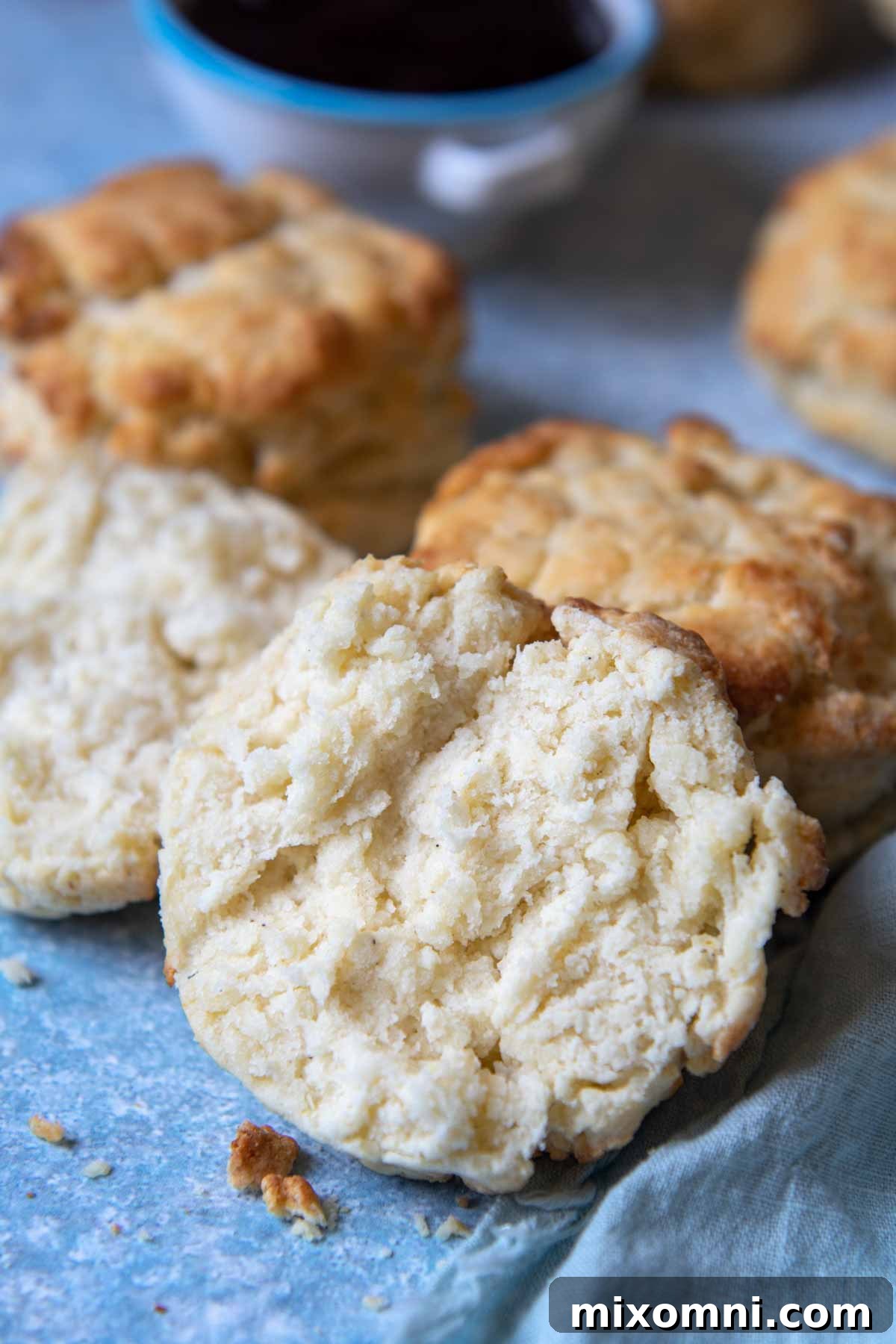
Discover the Secret to Truly Fluffy Gluten-Free Drop Biscuits
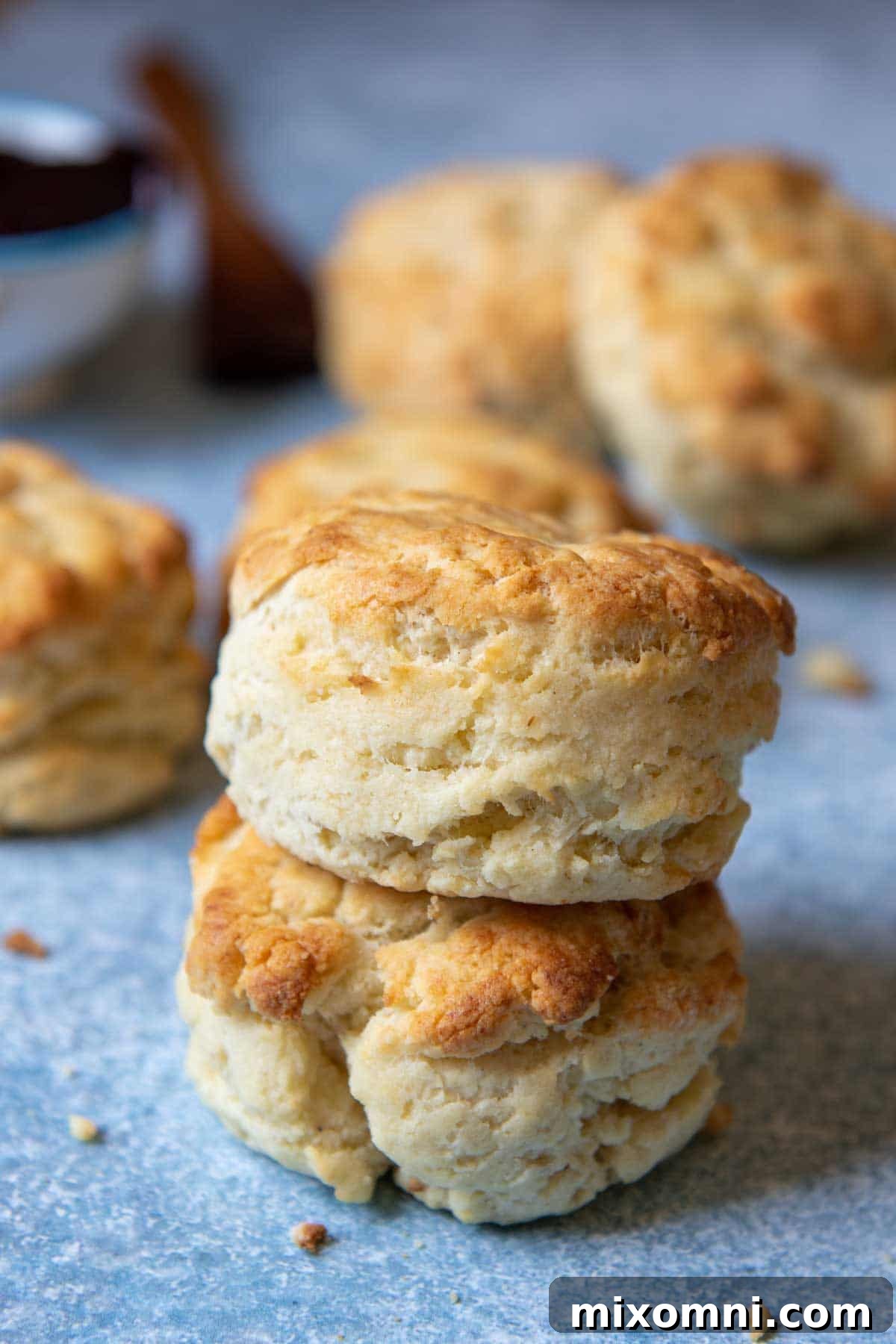
For years, many home bakers have struggled to find a gluten-free biscuit recipe that truly rivals its traditional counterpart. They often end up heavy, dry, or with an undesirable texture. This recipe changes everything. Developed and perfected over countless batches, these easy gluten-free biscuits have become a freezer-friendly favorite for a reason. They consistently deliver that light, fluffy, and tender southern-style biscuit experience, making them my absolute go-to for any occasion.
The beauty of these homemade gluten-free biscuits lies in their simplicity. They are “drop biscuits,” meaning there’s no tedious rolling, cutting, or shaping required. You simply mix the dough and spoon it onto your baking sheet. This ease of preparation makes them perfect for busy mornings or when you need a quick, comforting side dish without the fuss. Plus, the ingredients are likely already in your pantry, making them incredibly accessible.
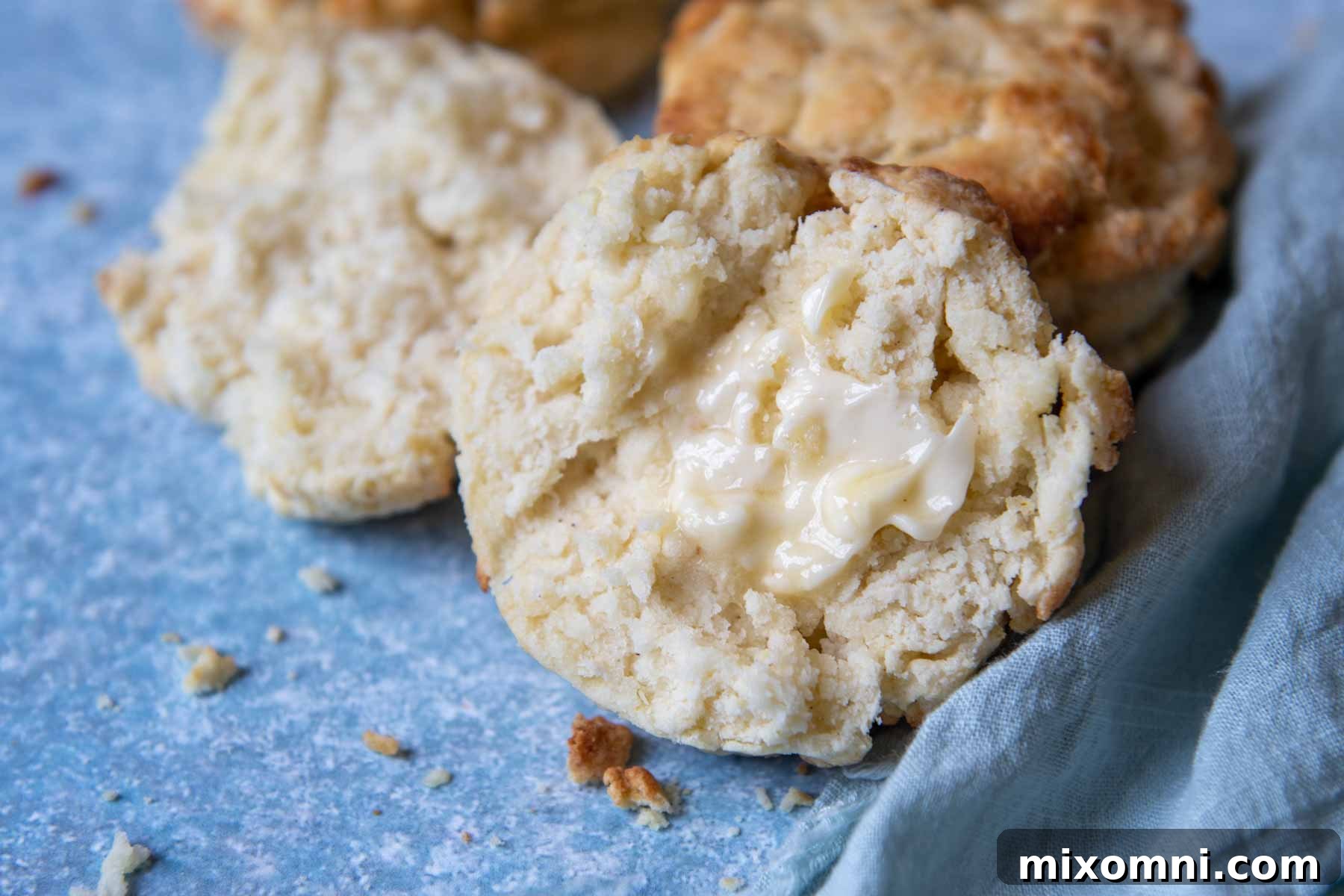
Beyond convenience, the flavor and texture are truly unmatched. These buttery gluten-free biscuits boast that classic southern charm, with a delightful richness and a crumb so tender, you’d never guess they were gluten-free. They are not an “inferior version” but a delicious creation in their own right. Whether smothered in savory gluten-free sausage gravy for a hearty breakfast, slathered with sweet jam or honey, served alongside creamy grits, or as a complement to a plate of eggs, these biscuits elevate any meal.
While this recipe draws inspiration from America’s Test Kitchen: The How Can it Be Gluten Free Cookbook, I’ve refined it with additional insights and crucial tips gleaned from extensive gluten-free baking. Below, you’ll find everything you need to know, from the ideal gluten-free flour blend to ingredient substitutions and expert baking techniques for the most tender, perfect results every time.
I have been gluten-free for about 10 years. This is the best recipe I have tried for drop biscuits. Thank you!
—Donna
This is by far the best gluten-free biscuit recipe I have ever tried I made the GF gravy with it and I am in heaven I have truly missed my biscuit and gravy on Sundays . 😁😁
—Renee
Essential Ingredients for Perfect Gluten-Free Biscuits
Crafting delicious gluten-free biscuits requires an understanding of how each ingredient contributes to the final texture and flavor. Here’s a closer look at the key components:
- Gluten-Free Flour: The foundation of any great gluten-free baked good is a quality flour blend. Through extensive testing for my homemade gluten-free bread recipe collection, I’ve consistently found that Cup4Cup gluten-free flour yields superior results for these biscuits. Its balanced blend of starches and flours provides a neutral taste and a wonderfully tender crumb, avoiding the common pitfalls of gritty or overly starchy textures. Different gluten-free flours have varying absorption rates and compositions, so using a reliable blend is crucial for success.
- Yogurt: This is our secret weapon for exceptional texture. Unlike traditional buttermilk, which can sometimes lead to an overly wet or spreading dough in gluten-free baking due to different moisture absorption rates in GF starches, plain yogurt provides moisture and structure without weighing down the crumb or creating a gummy texture. Its slight acidity also contributes to the tenderization process, mimicking the tang of buttermilk. Whether you use whole-milk, low-fat, or even vanilla yogurt, you’ll achieve fantastic results. If yogurt isn’t available, sour cream makes an excellent substitute.
- Lemon Juice: A touch of acid is vital for replicating the classic buttermilk biscuit flavor and for activating the baking soda, contributing to the biscuits’ rise and fluffiness. If fresh lemons aren’t on hand, an equal amount of apple cider vinegar or white vinegar will work perfectly. The acid reacts with the baking soda to create carbon dioxide, which forms air pockets and contributes to the light, airy texture.
- Fat – Butter & Oil: This recipe employs a strategic combination of chilled butter and vegetable oil. The cold butter, cut into small pieces, creates pockets of steam during baking, leading to flaky layers. The vegetable oil, on the other hand, helps to thoroughly coat the gluten-free flour starches, preventing dryness and ensuring a consistently tender interior. Relying solely on one fat source could result in a biscuit that’s either too dry and crumbly or excessively greasy, highlighting the importance of this careful balance.
Watch How to Make Fluffy Gluten-Free Biscuits
Visual learners will appreciate this step-by-step video guide to making the best fluffy gluten-free biscuits. See each step in action, from combining the dry ingredients to the simple shaping method, ensuring you achieve perfect results every time.
Let’s Bake These Together!
(Below, you’ll find step-by-step photos and detailed instructions to guide you. For the complete recipe, including precise ingredient amounts and nutritional information, please scroll down to the recipe card.)
Whisk Dry Ingredients and Cut in Butter
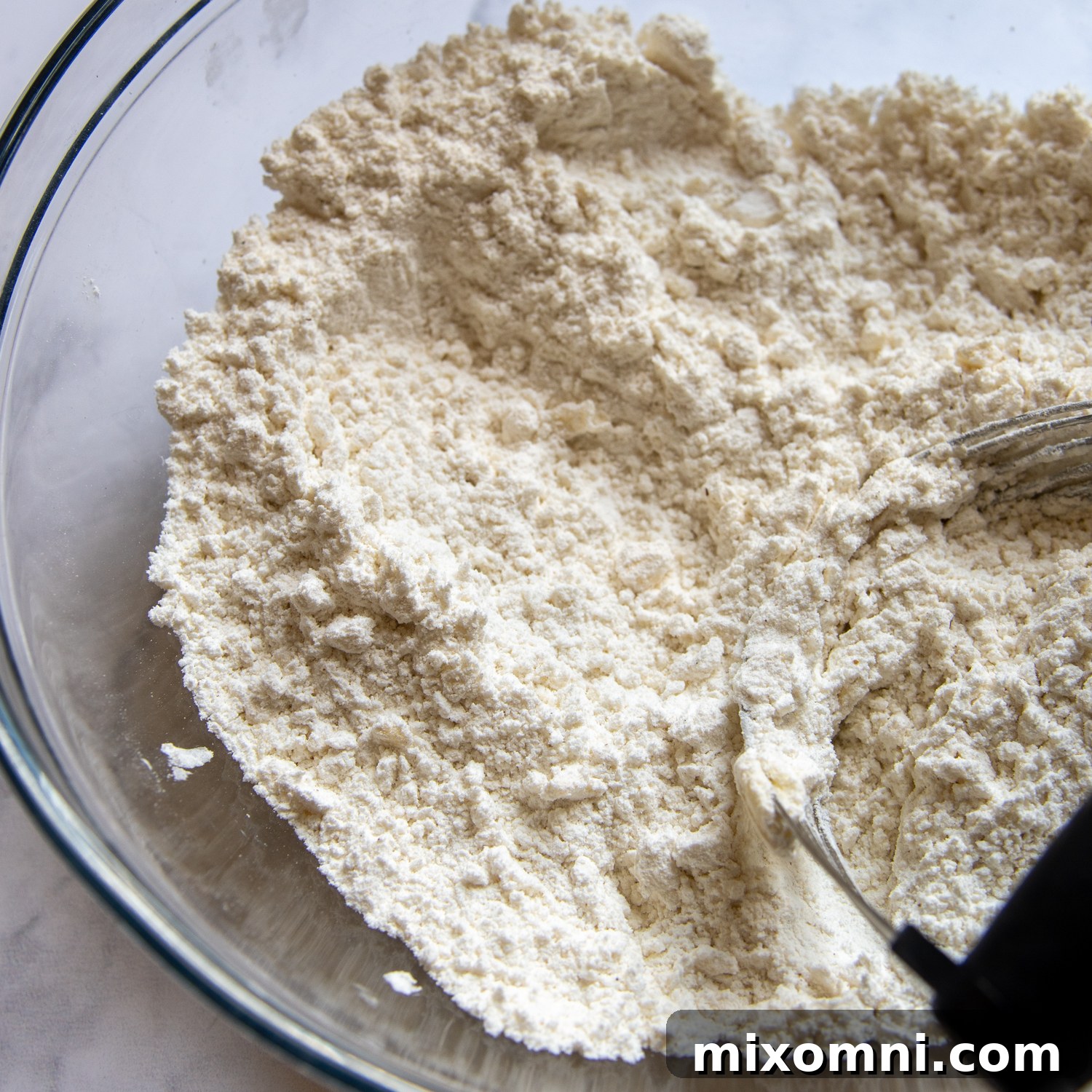
In a large mixing bowl, thoroughly whisk together all your dry ingredients: gluten-free flour, baking powder, sugar, salt, and baking soda. This ensures an even distribution of leavening agents. Next, it’s time to incorporate the chilled butter. Using a pastry blender, a fork, or even your fingertips, cut the cold butter into the flour mixture until it resembles coarse sand with small, pea-sized pieces of butter remaining. Avoid overmixing, as visible pieces of butter are key to flaky biscuits.
Combine Wet Ingredients, Stir, and Rest the Dough
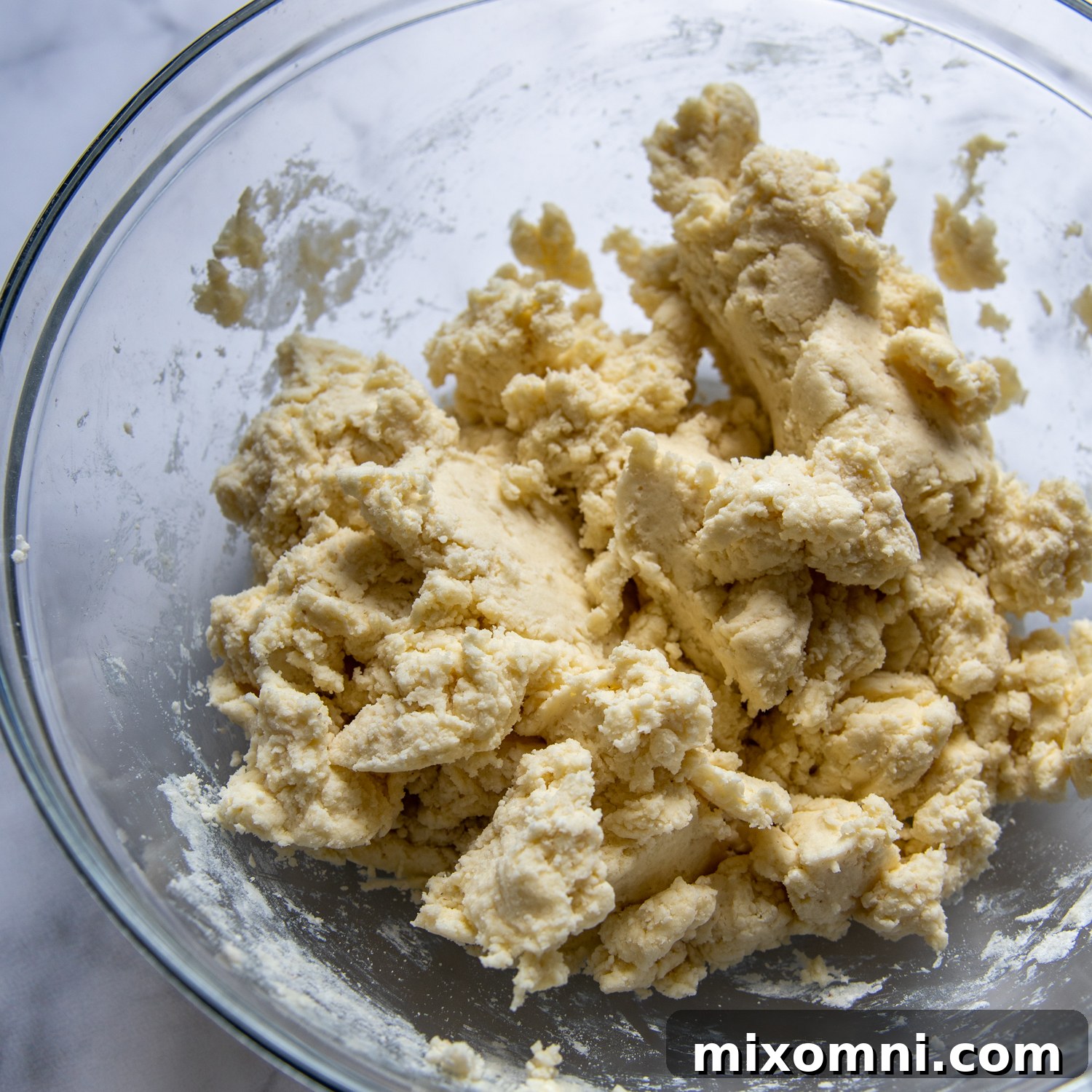
In a separate small bowl, whisk together the wet ingredients: vegetable oil, egg, plain yogurt, and lemon juice (and optional milk, if using). Pour this wet mixture into the dry flour and butter mixture. Stir gently with a spoon or spatula just until all ingredients are combined and a soft, cohesive dough forms, being careful not to overmix. A crucial step for tender, non-gritty gluten-free biscuits is to cover the bowl with plastic wrap and let the dough rest at room temperature for 30 minutes. This allows ample time for the gluten-free starches to fully absorb the moisture and fat, resulting in a more hydrated, pliable, and tender dough. Meanwhile, preheat your oven to 425°F (220°C).
Effortless Drop Biscuit Shaping Method
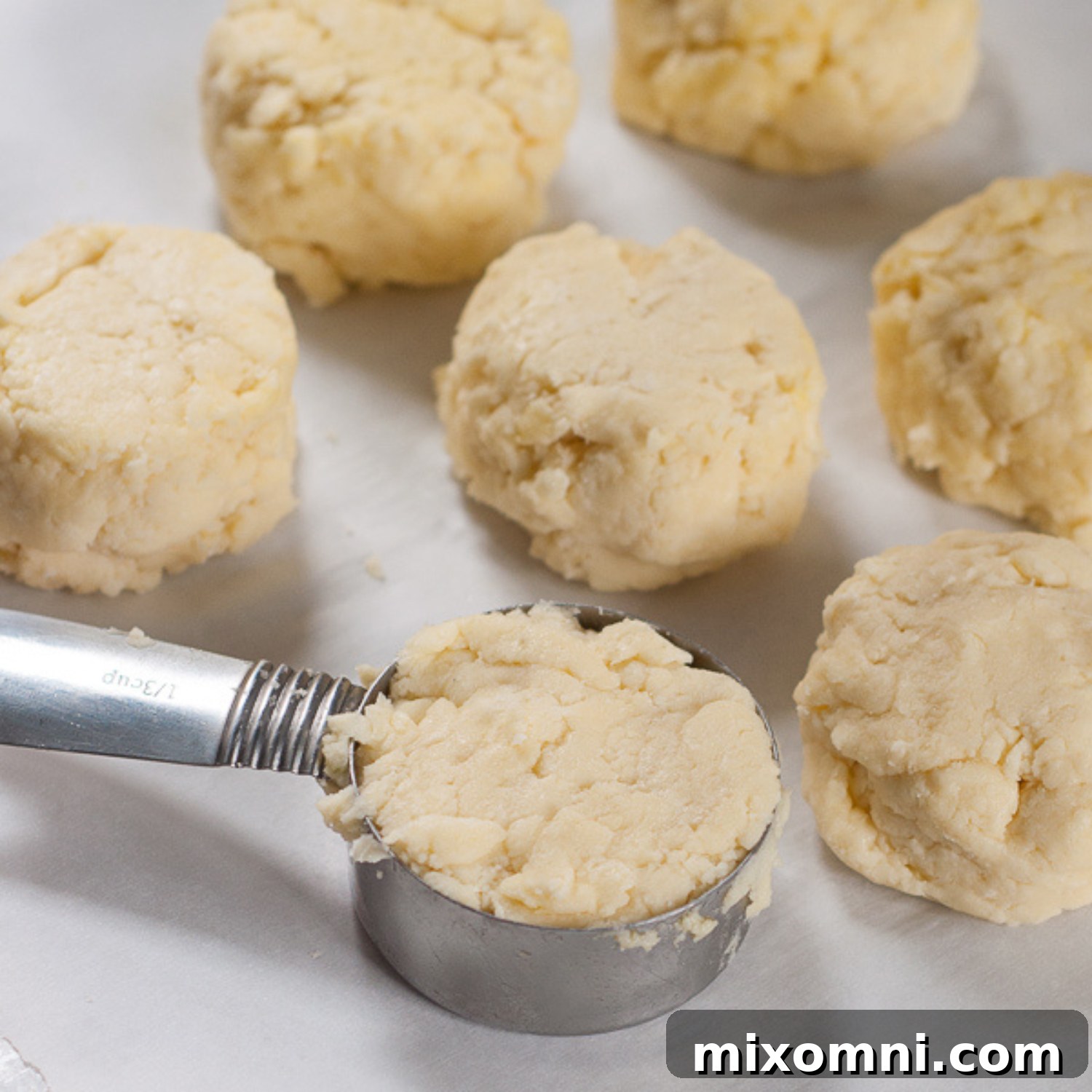
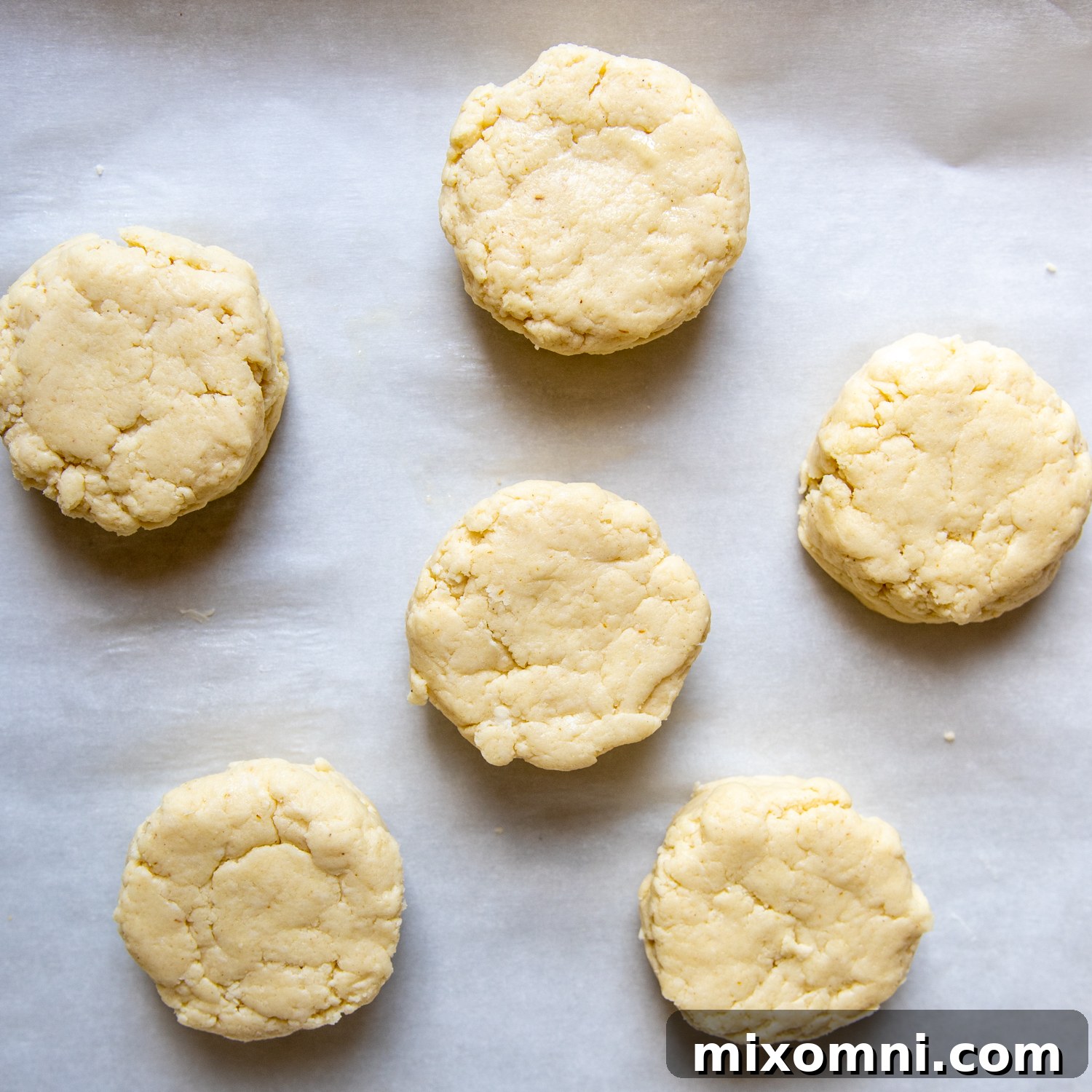
If you’ve ever felt daunted by the traditional biscuit-making process, you’ll love this incredibly simple shaping method. Place one baking sheet inside a second baking sheet to create a double layer, which insulates the bottom of the biscuits and prevents burning. Line the top baking sheet with parchment paper. Lightly grease a ⅓ measuring cup with cooking spray. Scoop a generous amount of biscuit dough into the greased measuring cup, pressing it down slightly. Gently “plop” the dough onto the prepared baking sheet, spacing the biscuits about 1 inch apart. This close proximity on the baking sheet is a clever trick that helps trap steam, contributing to an even more tender biscuit. Remember to lightly spray the measuring cup between each scoop to ensure easy release.
Essential Baking Tips for Golden Perfection
These gluten-free drop biscuits bake at a relatively high oven temperature, typically 425°F (220°C), to encourage a quick rise and golden crust. To prevent the bottoms from burning before the tops are beautifully browned, always use the double baking sheet method mentioned above. Bake for approximately 15-17 minutes, rotating the pan halfway through for even baking. The biscuits are done when they are golden brown on top and cooked through. Cool them on a wire rack for 5-10 minutes before serving, allowing them to set slightly.
For consistent baking results, it’s always a smart practice to use an inexpensive oven thermometer. Oven temperatures can vary significantly from what is set on the dial, impacting baking times and the final quality of your biscuits. Place the thermometer on your oven rack and adjust your oven’s set temperature accordingly to match the recipe’s requirement. This simple step ensures you avoid both burned and undercooked biscuits, guaranteeing success every time.
Achieving Extra Fluffy Gluten-Free Biscuits: Expert Tips
Avoid the common pitfalls of dense, dry, or gummy gluten-free biscuits with these pro tips. By understanding the unique properties of gluten-free flours and making smart ingredient choices, you can achieve the light and fluffy drop biscuits of your dreams:
- Embrace Yogurt over Buttermilk: As discussed, gluten-free flours don’t absorb liquid as readily as wheat flour. Buttermilk’s thinner consistency can sometimes lead to excessive spreading and a less structured biscuit. Yogurt, with its thicker consistency and fat content, provides essential moisture and a delicate tang while helping the biscuits maintain their shape and rise beautifully. This is a similar technique used to achieve richness and structure in recipes like gluten-free pound cake made from scratch with cream cheese.
- Prioritize Dough Resting: This step is non-negotiable for superior gluten-free baking. After mixing all your ingredients, cover the dough with plastic wrap and let it rest at room temperature for a full 30 minutes. This crucial waiting period allows the various starches in the gluten-free flour blend to fully hydrate and swell, absorbing the liquid and fat. The result is a dough that is not only easier to handle but also bakes into a biscuit with a smoother, more tender crumb, free from any gritty texture.
- Strategic Biscuit Placement: When arranging your dough on the baking sheet, place the biscuits relatively close together, about an inch apart. This isn’t just for fitting more on the pan; it’s a clever trick to enhance tenderness. As the biscuits bake, the trapped steam bouncing off their “neighbors” on the baking sheet gets reabsorbed, contributing to an even softer and more tender interior. This creates a slightly steamy micro-environment around each biscuit, preventing premature drying and promoting a moist crumb.
Creative Ways to Enjoy Your Gluten-Free Biscuits
These versatile gluten-free drop biscuits are fantastic on their own, but they also serve as a wonderful base for a variety of culinary creations. Here are some ideas to inspire you:
- Ingredient Swaps for Convenience: Feel free to substitute sour cream for the plain yogurt if that’s what you have on hand – the results will still be excellent. I’ve also successfully used vanilla yogurt without affecting the savory or sweet applications of the biscuits. If fresh lemon juice isn’t available, any type of vinegar (white, apple cider) can be used as a suitable acidic replacement.
- Transform into Gluten-Free Strawberry Shortcake: These biscuits are the perfect foundation for a classic summer dessert! Simply follow a gluten-free strawberry shortcake recipe, using these biscuits as your base. Split them open, pile high with fresh, macerated strawberries, and a dollop of freshly whipped cream for an irresistible treat.
- Savory Gluten-Free Cheese Scones: Craving something savory? Adapt these into gluten-free cheese scones, reminiscent of Red Lobster’s famous Cheddar Bay Biscuits. Simply mix in shredded cheddar cheese and a hint of garlic powder into the dough before baking. Serve them with chili, soup, or as a savory snack.
- Breakfast Sandwiches: Use cooled biscuits to assemble hearty breakfast sandwiches. Fill them with scrambled eggs, cheese, bacon, sausage, or even a slice of avocado for a satisfying start to your day.
- Dessert Topping: Crumble leftover biscuits over fruit crisps or crumbles before baking for a unique gluten-free topping that adds texture and buttery flavor.
Save This Recipe to Your Pinterest Board!
Let’s be friends on Pinterest! I’m always sharing great recipes!
Did you make this recipe? I love hearing from you! Leave a star rating and comment below the recipe card. It helps others when searching for recipes and I appreciate feedback from our community. You will always hear back from me! -Melissa
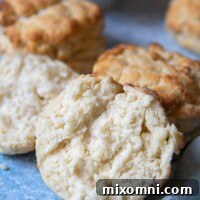
Seriously, THE BEST Fluffy Gluten-Free Biscuits

Melissa Erdelac
7 biscuits
40 mins
15 mins
55 mins
Pin Recipe
Rate This Recipe
Ingredients
- 2 cups (307 g) gluten-free all-purpose flour, I recommend Cup4Cup gluten-free flour
- 4 teaspoons baking powder
- 1 teaspoon sugar
- ½ teaspoon salt
- ¼ teaspoon baking soda
- 3 tablespoons (42 g) butter, chilled and cut into small pieces
- ¾ cup (184 g) plain yogurt
- ¼ cup (61 g) milk, optional, see recipe notes
- 1 large egg
- 2 tablespoons (27 g) vegetable oil, or any preferred oil
- 2 teaspoons lemon juice, I’ve substituted vinegar for this with good results
Equipment
-
Cup4Cup Gluten-Free Flour
-
Baking Sheets
-
Pastry Cutter
Instructions
-
Whisk the flour, baking powder, sugar, salt, and baking soda in a large bowl. Add the chilled butter pieces to the flour mixture. Use a pastry blender, fork, or fingers to cut butter into the flour until small, pea-size pieces remain.
-
In a separate small bowl, whisk together the yogurt, optional milk, egg, oil, and lemon juice. Stir the yogurt mixture into the flour mixture until no flour pockets remain and thoroughly combined. Cover the bowl with plastic wrap and let sit for 30 minutes at room temperature. This allows the starches to blend with the liquid, making the dough tender and easier to shape. Meanwhile, preheat the oven to 425ºF (220°C).
-
Place one baking sheet inside a second so you have a double layer, and line the top baking sheet with parchment paper. Grease a ⅓ cup measuring cup with cooking spray and scoop a heaping amount of biscuit dough into it, pressing down slightly. Drop onto the prepared baking sheet, spacing biscuits about 1 inch apart in the center of the sheet (this traps a little extra steam between the biscuits and makes them more tender). Spray measuring cup between each scoop of dough.
-
Bake until golden, about 15-17 minutes, rotating pan 1/2 way through. Cool the biscuits on a wire rack for 5-10 minutes before serving.
Notes
Optional Milk
Since Cup4Cup has changed its formula, I’ve found the biscuit dough to be drier. Therefore, I recommend adding ¼ cup milk for biscuits to hold their shape, up to ½ cup if the dough is still dry, or if you prefer a softer biscuit with more spread.
Storing, Freezing, and Reheating
Generally, gluten-free breads have a tendency to dry out quicker, especially biscuits because they contain less moisture. For that reason, if these aren’t eaten the same day, I freeze any leftovers.
Make sure they are cooled completely before freezing so ice crystals don’t form on them. After cooling, wrap each one individually and place in a gallon freezer bag. Freeze up to 3 months.
Thaw at room temperature or defrost in the microwave. They are best served warm. To reheat, wrap in a slightly damp paper towel and microwave for 15 seconds, or until warm.
If they are left at room temperature, make sure they are in an airtight container and avoid refrigerating, as refrigeration can dry out gluten-free baked goods more quickly.
Adapted from America’s Test Kitchen: The How Can it Be Gluten Free Cookbook
Calories:
242
kcal
,
Carbohydrates:
30
g
,
Protein:
5
g
,
Fat:
11
g
,
Saturated Fat:
7
g
,
Cholesterol:
40
mg
,
Sodium:
254
mg
,
Potassium:
372
mg
,
Fiber:
1
g
,
Sugar:
2
g
,
Vitamin A:
220
IU
,
Vitamin C:
0.7
mg
,
Calcium:
164
mg
,
Iron:
2
mg
Did you make this recipe?
Please leave a star rating and review below. It helps others when searching for recipes and I LOVE feedback!