
Mastering Zucchini: To Peel or Not to Peel? And Beyond!
Zucchini, often affectionately known as courgette, is a delightful summer squash revered for its mild flavor and incredible versatility. Whether you’re a seasoned chef or a home cook just starting out, this verdant vegetable finds its way into countless dishes, from crisp salads and hearty soups to comforting baked goods and savory stir-fries. But as common as zucchini is, many culinary questions often arise. Does zucchini need to be peeled? Is its skin edible? What’s the best way to prepare and store this garden gem?
This comprehensive guide delves into everything you need to know about zucchini, shedding light on preparation myths, unlocking its full potential in the kitchen, and ensuring you get the most out of every tender bite. Get ready to transform your understanding and appreciation for this humble yet mighty squash!
Do You Peel Zucchini? Understanding Zucchini Skin
One of the most frequently asked questions about zucchini is whether or not its skin should be removed. The short answer is: **no, you do not have to peel zucchini.** Zucchini skin is completely edible, incredibly thin, and often quite tender, especially on smaller to medium-sized specimens. Unlike some other vegetables with tough or bitter skins, zucchini skin is mild in flavor and contributes positively to the overall texture of the dish.
In fact, the skin is packed with beneficial nutrients, including fiber, antioxidants, and vitamins, making it a valuable part of the vegetable. Removing it means losing out on these health advantages. For most culinary applications, from sautéing and grilling to baking and adding to casseroles, leaving the skin on is the preferred method for ease, nutrition, and texture.
When Might Peeling Zucchini Be Considered?
While peeling zucchini is generally unnecessary, there are a few specific scenarios where some people might choose to do so, primarily driven by preference rather than necessity:
- Larger Zucchini: As zucchini grows larger, its skin can become slightly thicker and sometimes a bit tougher. While still edible, some individuals prefer to peel very large zucchini to achieve a uniformly tender texture in their final dish. This is purely a matter of personal preference and not a requirement for food safety or palatability.
- Aesthetic Reasons: When baking, especially in recipes where you want to minimize the green flecks (such as a light-colored zucchini bread or cake), peeling can help create a more consistent color in the finished product. Similarly, if you’re trying to “hide” vegetables from picky eaters, removing the green skin can make it less noticeable in dishes like zucchini cake, meatballs, or casseroles.
- Texture Preferences: For certain raw preparations, like very thin zucchini ribbons for a carpaccio or delicate spirals for “zoodles,” some might opt to peel to ensure the most delicate texture possible. However, even in these cases, the skin is usually fine.
Ultimately, whether you peel your zucchini is a personal decision. For maximum nutritional benefit, minimal effort, and often better texture, it’s best to leave the skin on.
Beyond the Skin: The Edible Parts of Zucchini
The edibility of zucchini extends far beyond its skin. This generous summer squash offers several delightful components that are often overlooked:
- Seeds: The seeds inside a zucchini are also edible. In smaller, younger zucchini, the seeds are tiny and barely noticeable, integrating seamlessly into any dish. In larger zucchini, the seeds can be larger and slightly tougher, but they are still harmless to consume. If you find them too large or watery, you can scoop them out, but it’s rarely a critical step.
- Flowers: Zucchini blossoms are a true culinary delicacy! Both male and female flowers are edible and boast a delicate, slightly sweet flavor. They are often stuffed with cheese and herbs, then lightly fried or baked, or used fresh in salads. If you’re growing zucchini, don’t miss the opportunity to harvest and enjoy these beautiful flowers.
Embracing the whole zucchini, from its vibrant skin to its delicate blossoms, allows you to experience the full spectrum of its flavor and nutritional offerings.
Selecting and Storing Zucchini: Keeping it Fresh
To enjoy zucchini at its best, proper selection and storage are key. Knowing how to choose a good zucchini and store it correctly will extend its freshness and flavor.
How to Select the Best Zucchini:
- Size Matters (Sometimes): While large zucchini are edible, smaller to medium-sized zucchini (typically 6-8 inches long and 2 inches in diameter) tend to have the best flavor, most tender skin, and fewer, smaller seeds.
- Firmness: Look for zucchini that are firm to the touch. Avoid any that feel soft, mushy, or have wrinkled skin, as these are signs of age or spoilage.
- Skin Appearance: The skin should be bright, shiny, and free from cuts, blemishes, or soft spots. A dull appearance can indicate an older squash.
- Weight: A good zucchini should feel heavy for its size, indicating it’s fresh and full of moisture.
Optimal Zucchini Storage Tips:
- Refrigerator: Fresh, unwashed zucchini should be stored in the crisper drawer of your refrigerator. Place them in a loosely open plastic bag or a breathable produce bag to maintain humidity without trapping too much moisture. They will typically stay fresh for 5-7 days. Avoid washing zucchini before storing, as excess moisture can accelerate spoilage.
- Freezing: If you have an abundance of zucchini, freezing is an excellent option for long-term storage.
- Wash and dry the zucchini thoroughly.
- Slice or shred the zucchini as desired for future recipes (e.g., slices for stir-fries, shredded for baked goods).
- For slices, you can blanch them briefly (1-2 minutes in boiling water, then an ice bath) to help preserve color and texture, though it’s not strictly necessary. Shredded zucchini does not need blanching.
- Pat slices or shredded zucchini very dry. This is crucial to prevent ice crystals.
- Spread slices in a single layer on a baking sheet and freeze until solid. For shredded zucchini, squeeze out excess moisture, then portion into freezer bags.
- Once frozen, transfer slices to freezer bags, removing as much air as possible.
- Frozen zucchini can last for 6-12 months. Keep in mind that frozen zucchini will have a softer texture when thawed and is best suited for cooked dishes like soups, stews, casseroles, or baked goods rather than raw preparations.
Preparing Zucchini for Culinary Delights
Once you’ve selected your fresh zucchini and are ready to cook, a few simple preparation steps will ensure it’s ready for any recipe.
Basic Preparation Steps:
- Wash Thoroughly: Always wash zucchini under cool running water, even if you plan to peel it. Use your hands or a soft vegetable brush to gently scrub away any dirt or debris.
- Dry: Pat the zucchini dry with a clean kitchen towel or paper towels. This is especially important if you’re planning to sauté or roast it, as excess moisture can lead to steaming instead of browning.
- Trim the Ends: Using a sharp knife, trim off about 1/4 to 1/2 inch from both the stem and blossom ends of the zucchini. These ends are typically tougher and less palatable.
- To Peel or Not: As discussed, peeling is optional. If you choose to peel, use a vegetable peeler to remove the thin outer layer.
- Cut as Desired: Zucchini is incredibly versatile and can be cut into various shapes depending on your recipe:
- Slices: Rounds or half-moons for stir-fries, sautés, or grilling.
- Sticks/Fries: For roasting, air frying, or dipping.
- Cubes: For stews, soups, or casseroles.
- Shredded: Perfect for baked goods (breads, muffins), fritters, or hiding in savory dishes.
- Spirals/Noodles (Zoodles): Using a spiralizer, you can create healthy, gluten-free pasta alternatives.
- Ribbons: With a vegetable peeler, create thin ribbons for salads or light pasta dishes.
With these simple steps, your zucchini is ready to be transformed into a delicious meal!
Cooking with Zucchini: A World of Flavor
Zucchini’s mild flavor and tender texture make it a fantastic ingredient that complements a wide array of cuisines and cooking methods. Its ability to absorb flavors means it can be the star or a subtle supporting act in your dishes.
Popular Cooking Methods for Zucchini:
- Sautéing: A quick and easy method, sautéing zucchini in a pan with a little olive oil, garlic, and herbs brings out its natural sweetness and creates a tender-crisp texture. It’s a perfect side dish or addition to pasta and rice bowls.
- Roasting: Tossing zucchini slices or cubes with olive oil, salt, pepper, and your favorite spices then roasting them in the oven yields caramelized edges and a tender interior. This method intensifies its flavor.
- Grilling: Slices or planks of zucchini are excellent on the grill, developing smoky char marks and a delicate flavor. Great for summer BBQs.
- Baking: Zucchini adds moisture and a subtle richness to baked goods like breads, muffins, and cakes. It also works wonderfully in savory bakes like gratins and casseroles.
- Air Frying: For a healthier “fried” option, zucchini fries or chips come out wonderfully crispy in an air fryer.
- Raw: Don’t forget that zucchini is delicious raw! Thinly sliced, shredded, or spiralized, it adds a refreshing crunch to salads, slaws, and as a healthy dip dipper.
From light and fresh to rich and hearty, zucchini adapts beautifully to nearly any culinary vision. Its high water content also makes it a low-calorie, hydrating addition to any diet.
Frequently Asked Questions About Zucchini
Is zucchini healthy?
Absolutely! Zucchini is very healthy. It’s low in calories, carbohydrates, and fat, yet rich in essential nutrients. It’s an excellent source of vitamin C, vitamin K, vitamin B6, folate, and minerals like manganese and potassium. Zucchini is also high in antioxidants and dietary fiber, which aids digestion, promotes gut health, and can help with weight management. Its high water content also contributes to hydration.
Can you eat raw zucchini?
Yes, zucchini is perfectly safe and delicious to eat raw. Its mild flavor and firm texture make it a great addition to salads, often sliced thinly, shredded, or spiralized. Raw zucchini provides maximum nutrient retention and a refreshing crunch.
What if zucchini tastes bitter?
Occasionally, zucchini can taste bitter. This bitterness is usually due to cucurbitacins, compounds naturally found in cucurbits (the squash family) that can sometimes be present in higher concentrations, especially if the plant is stressed or cross-pollinated with wild gourds. While mild bitterness is harmless, a very strong, unpleasant bitterness should be a warning sign. In rare cases, high levels of cucurbitacins can cause digestive distress. If your zucchini is extremely bitter, it’s best to discard it.
How to choose between green and yellow zucchini?
Green and yellow zucchini varieties are very similar in flavor and texture, though yellow zucchini can sometimes be slightly sweeter and more tender. Their primary difference is color, which can be used for aesthetic appeal in dishes. Both can be used interchangeably in most recipes.
Delicious Zucchini Recipes to Try
Now that you’re well-versed in all things zucchini, it’s time to put your knowledge to the test with some mouth-watering recipes. Zucchini’s versatility shines through in these diverse dishes, perfect for any meal or occasion.
1. 5-Star Almond Flour Zucchini Muffins Recipe
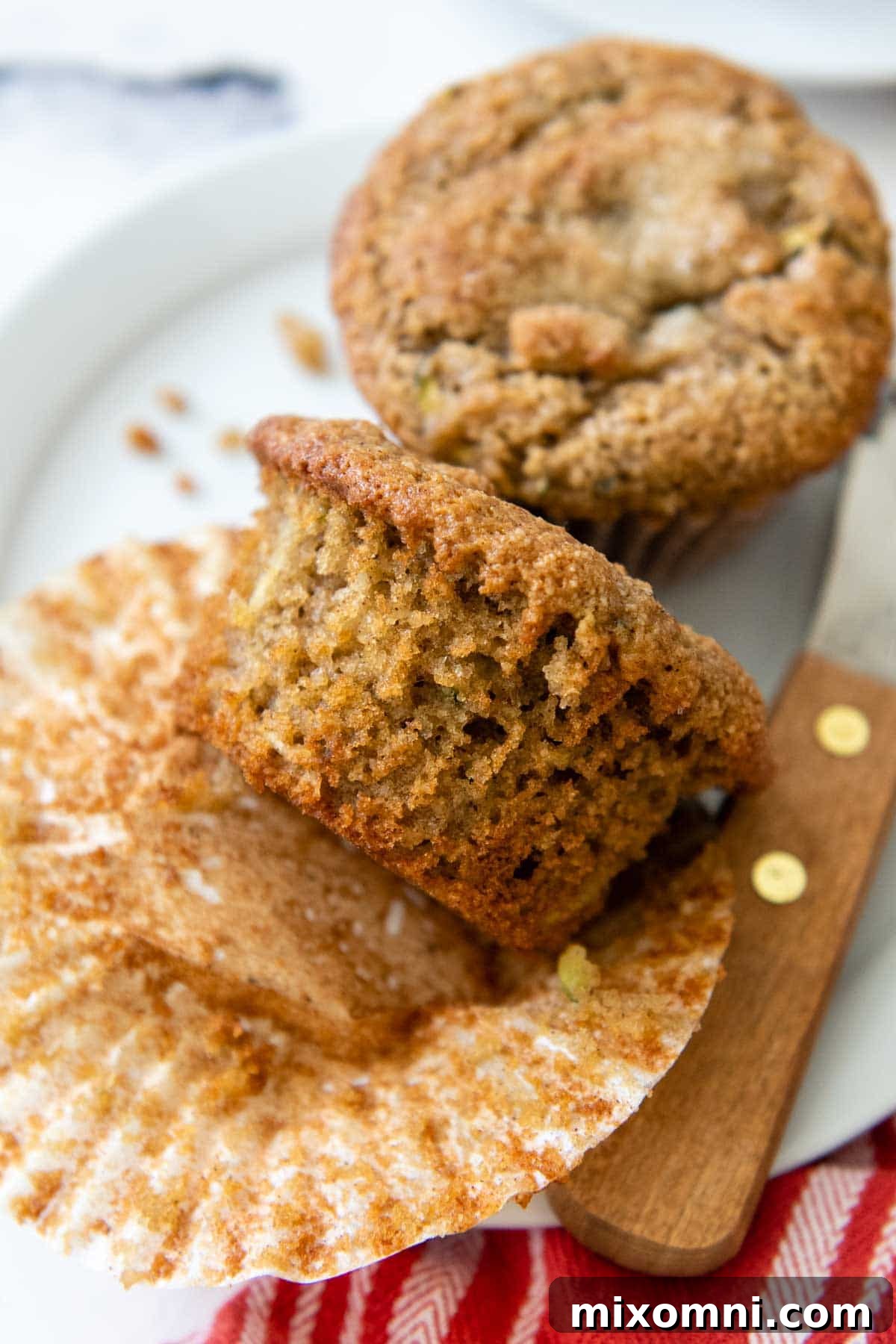
Decadently delicious almond flour zucchini muffins are gluten-free, grain-free, and dairy-free—a perfect breakfast or snack everyone will rave about! Discover an easy trick for achieving a perfectly light, fluffy texture that sets these muffins apart.
Get The Recipe
2. Crispiest Gluten-Free Zucchini Fries (Baked or Air Fryer)
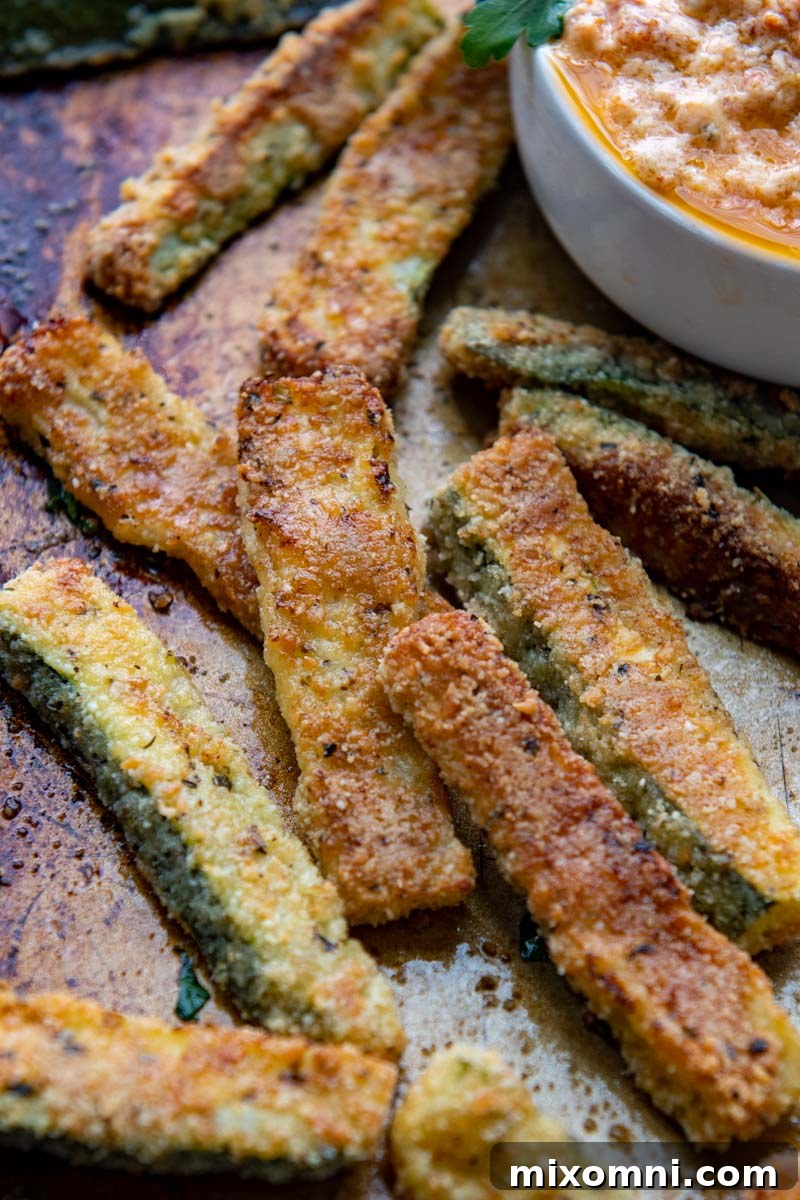
Enjoy ultra-crispy gluten-free zucchini fries with this easy oven-baked or air fryer recipe. Tender, fresh zucchini sticks are coated with a golden Parmesan and almond flour breading, making them savory, delicious, and free from traditional bread crumbs and grains. This family-friendly recipe includes an easy shake-and-bake prep method for even faster breading!
Get The Recipe
3. Moist & Easy Blueberry Zucchini Bread Recipe
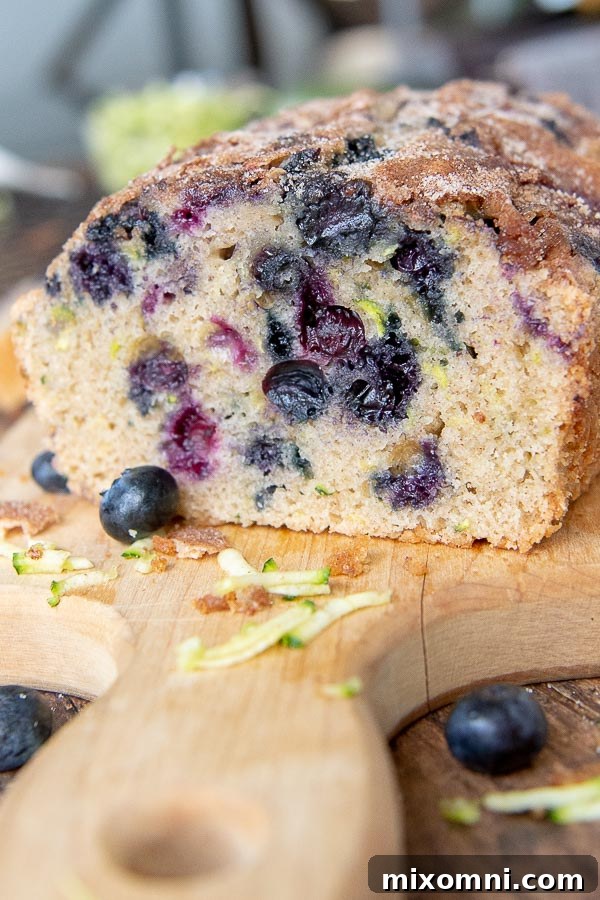
The best blueberry zucchini bread captures full-on summer vibes and flavors with fresh blueberries, grated zucchini, and a crunchy-sweet cinnamon sugar topping. It’s mixed together as an easy one-bowl quick bread, yields two loaves (enjoy one now, freeze one for later), and as an added bonus, bakes up perfectly with gluten-free all-purpose flour as well.
Get The Recipe
4. Sauteed Zucchini with Lemon and Garlic
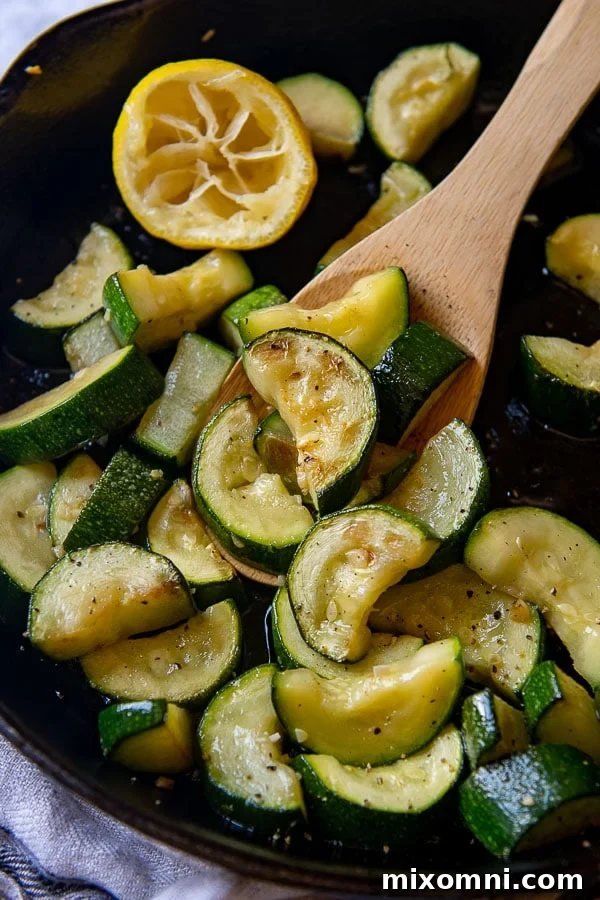
Learn how to make sautéed zucchini and squash with this quick and easy lemon garlic recipe. In as little as five minutes, you’ll have a richly flavorful zucchini side dish ready to enjoy!
Get The Recipe
5. Gluten-Free Parmesan Zucchini Fritters
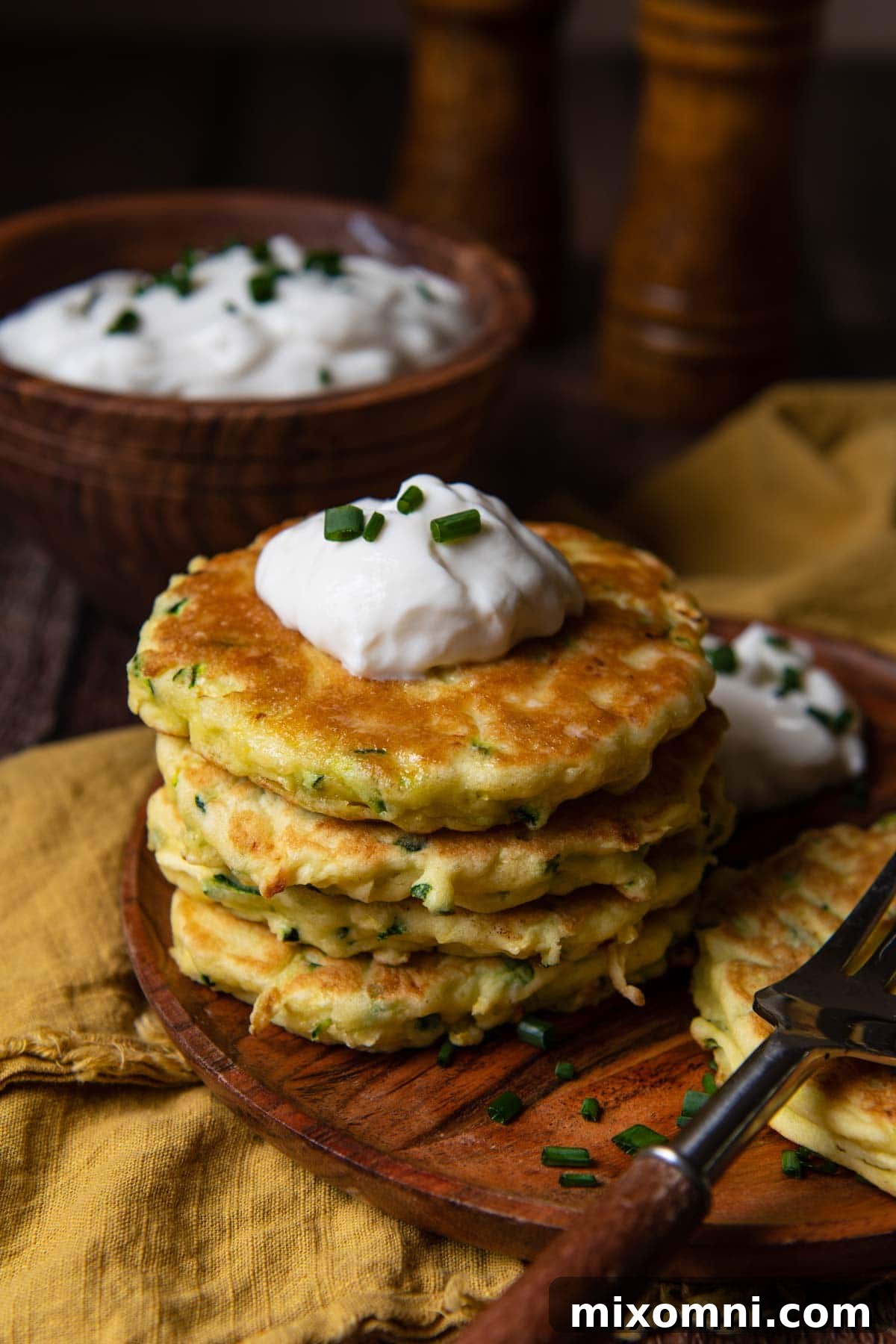
Make gluten-free Parmesan zucchini fritters for a savory snack or side dish using only four simple ingredients! These zucchini pancakes are a hit with kids, especially when served with sour cream and applesauce.
Get The Recipe
6. Best Damn Gluten-Free Zucchini Bread (Legit Moist)
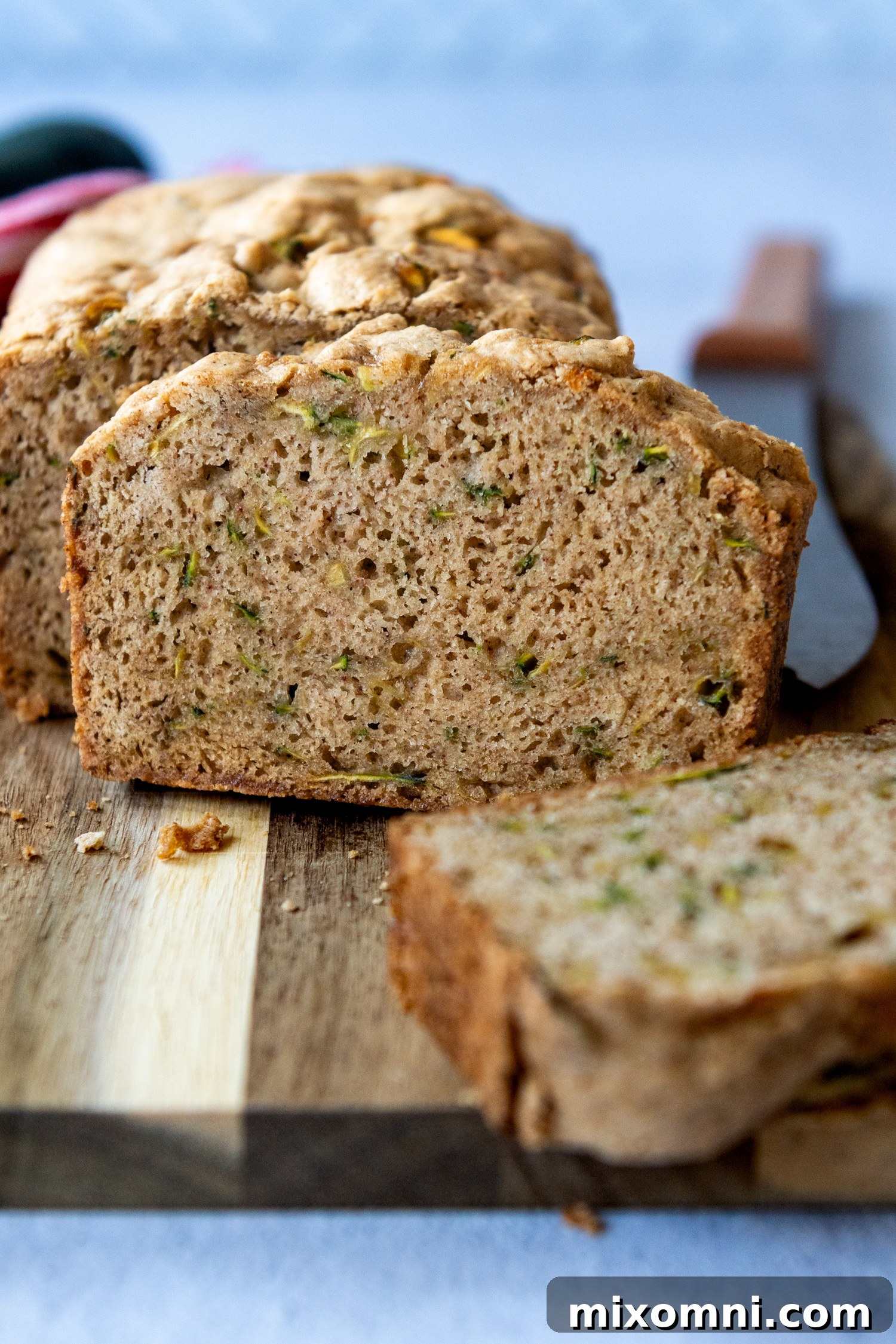
It’s easy to make a good-ish zucchini bread with gluten-free flour, but don’t we deserve a version identical to the classic, old-fashioned loaf we remember? I’ve cracked the code, and luckily for us, it only requires a few simple tweaks—easy enough for a GF baking newbie to pull off. Say goodbye to a sunken middle, dense, gummy texture, or a dry, gritty crumb. This outrageously moist, lofty gluten-free zucchini bread is your recipe game changer.
Get The Recipe
Conclusion: Embrace the Whole Zucchini!
Zucchini is an exceptional summer squash that offers much more than meets the eye. From its perfectly edible and nutritious skin to its delicate blossoms, every part of this versatile vegetable can be enjoyed. With proper selection, storage, and preparation, zucchini can be a star ingredient in a vast array of dishes, offering a mild flavor, tender texture, and a wealth of health benefits.
So, next time you reach for a zucchini, remember that peeling is a choice, not a necessity. Embrace its natural goodness, experiment with different cooking methods, and explore the endless culinary possibilities it brings to your table. Happy cooking!