
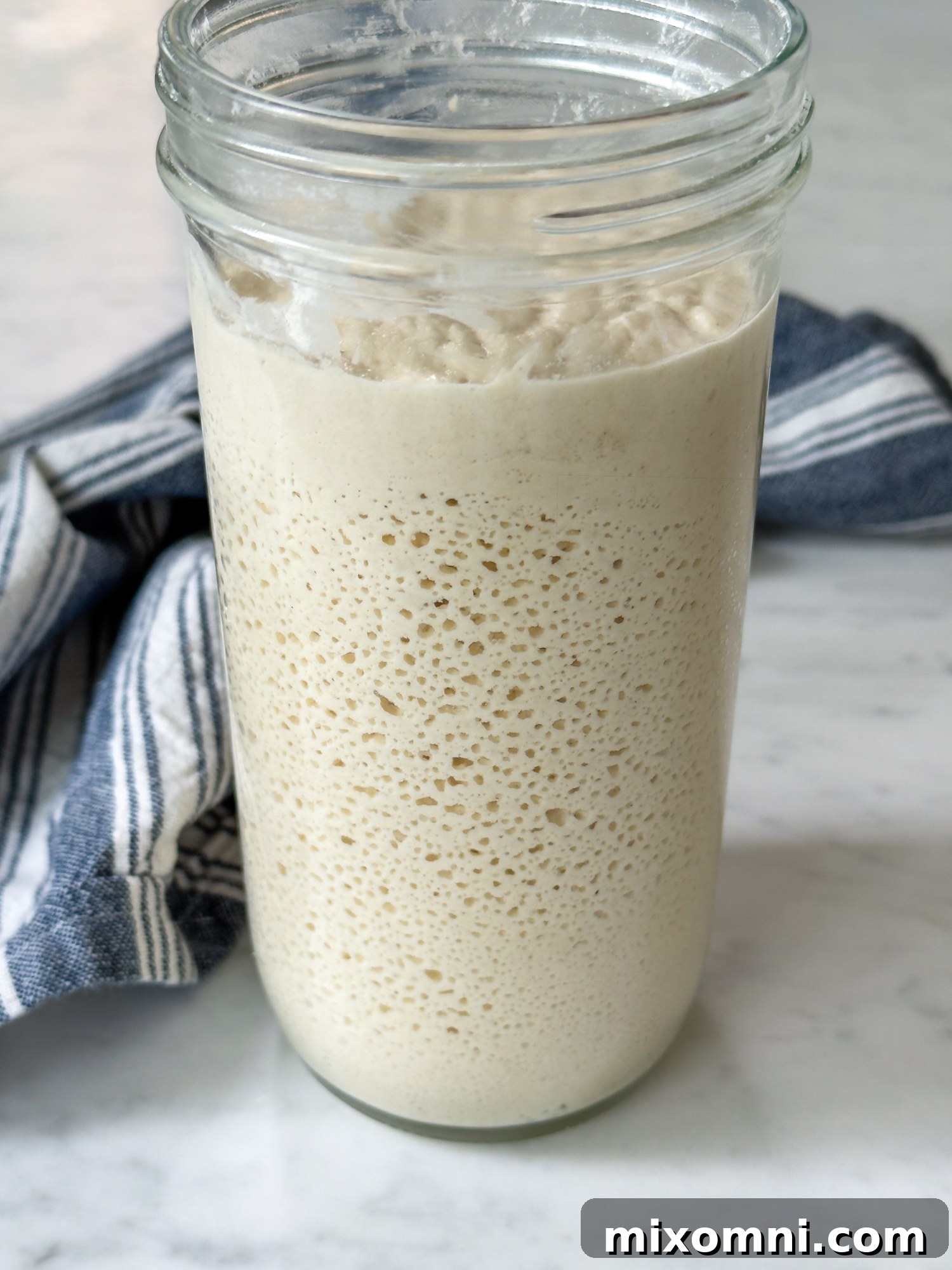
Dreaming of a classic artisanal sourdough with wild yeasty aromas and deep flavor? It begins with a reliable gluten-free sourdough starter. This beginner-friendly guide walks you through an easy, dependable GF starter that becomes active, bubbly, and full of character. If you’ve been intimidated by sourdough jargon and steps, this clear, practical approach will get you baking a from-scratch loaf sooner than you think.
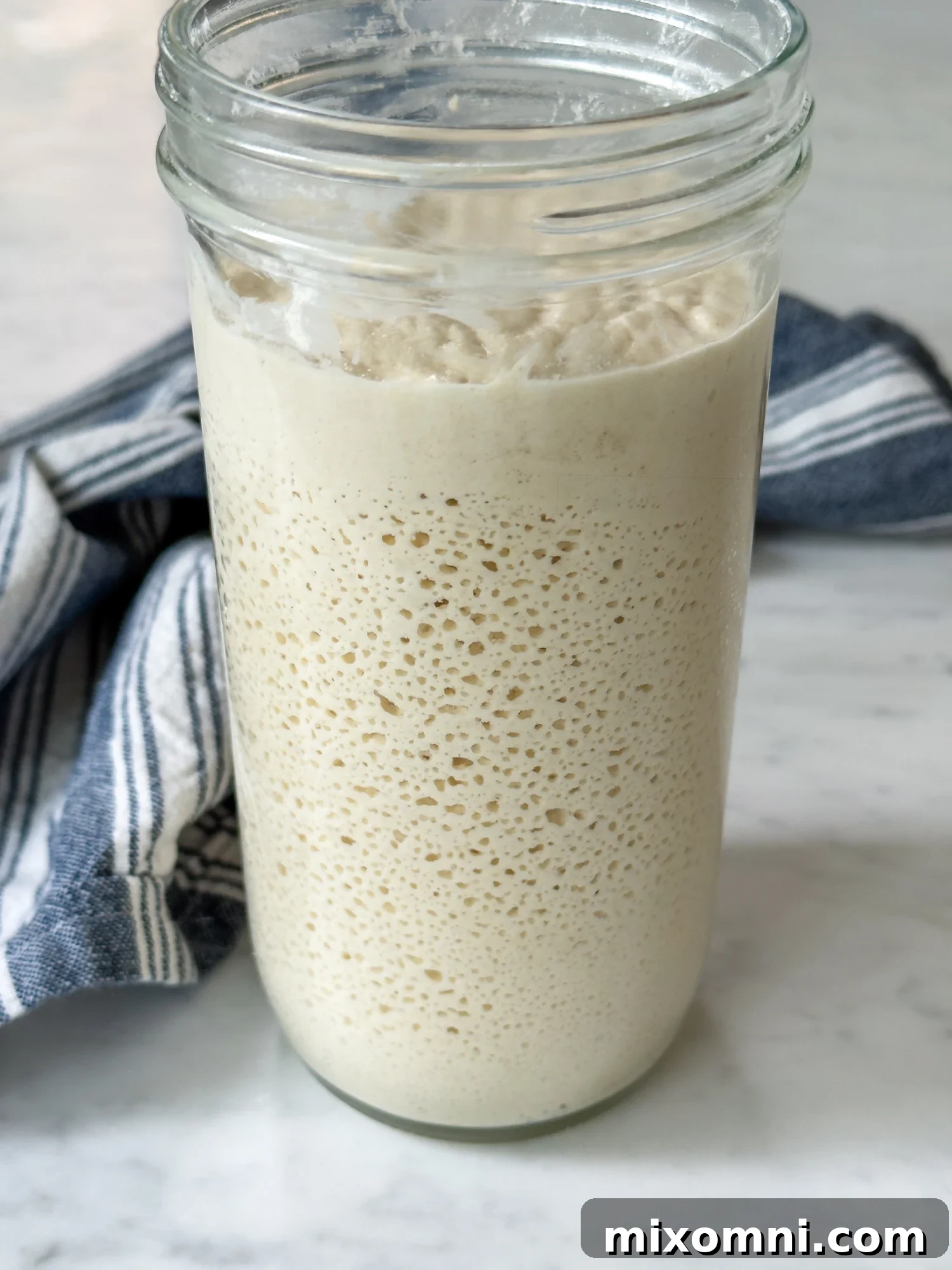
How To Make A Gluten-Free Sourdough Starter (Even As a Total Beginner)
If making a world-class gluten-free sourdough feels intimidating, you’re not alone. I delayed starting for years because the vocabulary and process seemed confusing—and because a good loaf depends entirely on a lively starter. Terms like feeding, discard, hooch, fermentation, and refresh can sound overwhelming, but they’re simple once you break them down.
My approach favors practicality over over-complication. I tested several methods and settled on a straightforward routine that’s forgiving for beginners. Active starters can develop nuances, but you don’t need perfect lab conditions to succeed. With consistent feedings and a little patience, a bubbly, yeasty GF starter is within reach.
Quick Glossary For Newbies
- Feeding – Adding fresh gluten-free flour and water to the starter to provide food for yeast and bacteria so they grow and become stronger.
- Discard – Removing part of the starter before feeding to control volume and keep the culture fresh. You can toss discard or use it in recipes that accept extra flour and water.
- Hydration – The ratio of water to flour. A 100% hydration starter uses equal weights of water and flour, giving a batter-like consistency.
- Hooch – A watery layer that can form on top, indicating the starter is hungry. Stir it back in or pour it off before feeding.
Which GF Starter Method Works Best?
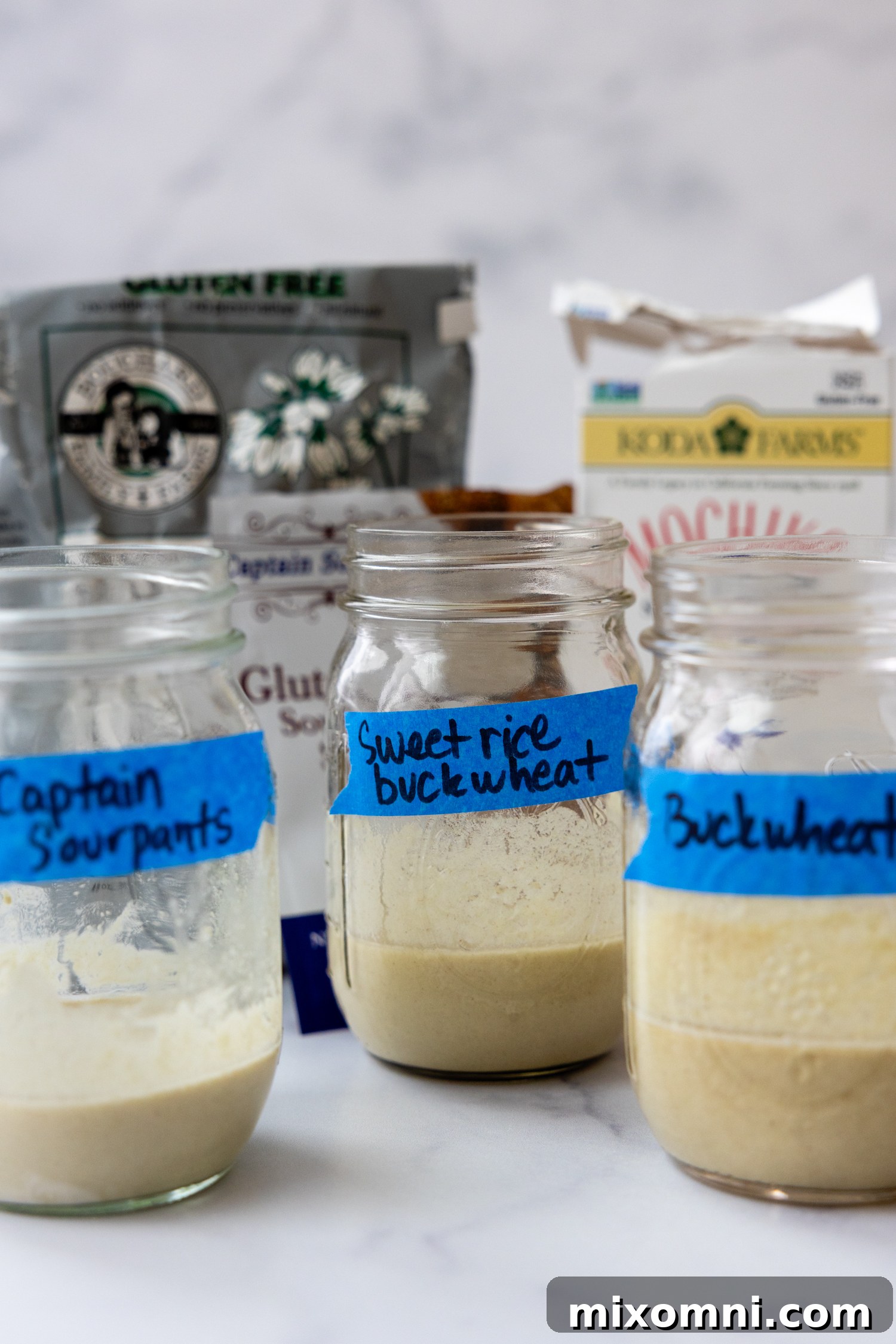
I experimented with three approaches to see which produced the most reliable, flavorful starter.
Dehydrated starter (rehydrated) – This is a dried active starter sold in packets. Rehydrating it and feeding for 7–10 days produced activity quickly. Verdict: fastest to become bubbly with strong yeasty aroma—very beginner-friendly if you want to bake sooner.
Mixed GF starches – I combined flours like sweet rice, buckwheat, and brown rice, sometimes varying the mix. Verdict: it developed a little slower than the dehydrated starter but matured into a good sourdough flavor with continued use.
Single-grain (buckwheat or teff only) – Some sources recommend a single grain. I tried buckwheat-only and teff-only starters. Verdict: these did not become active for me over 12 days, remaining pastes rather than bubbly starters. Others have had success, but in my trials they didn’t take off.
Recommended flours: avoid all-purpose GF blends that contain gums, as they interfere with fermentation. Opt for single-grain flours such as brown rice, buckwheat, sorghum, teff, or sweet rice flour. Lean more on brown rice, buckwheat, and teff, using white or sweet rice sparingly if desired.
Starter Schedule (Overview)
(Below are the step-by-step photos and simplified instructions. For exact measurements and the full recipe, see the recipe card.)
Day One
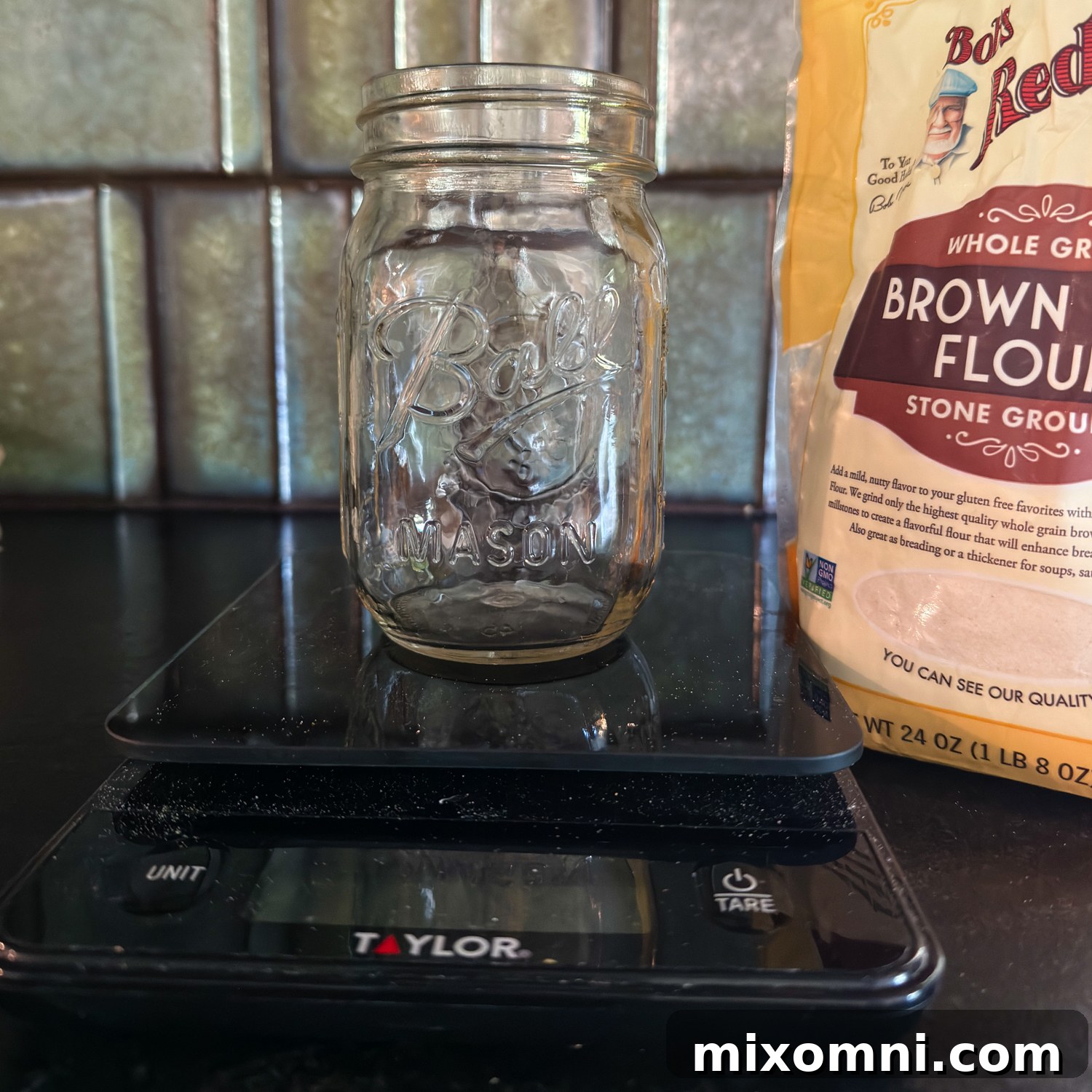
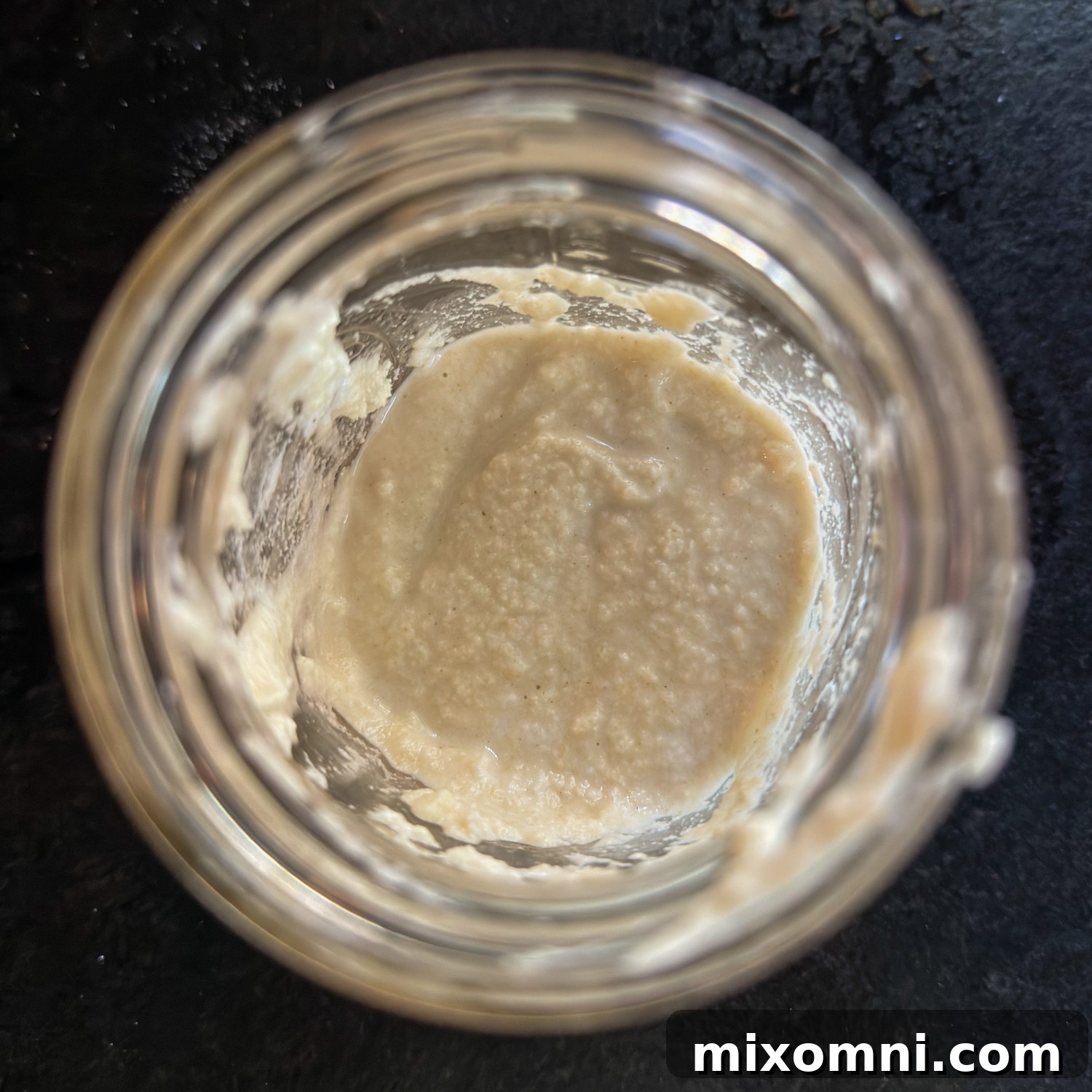
Use a medium glass bowl or jar on a food scale. Combine 50 grams gluten-free flour (brown rice is a good starting choice) with 50–60 grams water, stirring to a consistency slightly thicker than pancake batter. Cover loosely so the mixture can breathe but not dry out, and leave at room temperature for 24 hours.
Days Two–Four
Feed daily: add about 30 grams flour and 30–40 grams water, maintaining the same batter-like consistency each day. Cover loosely and let sit 24 hours between feedings.
Days Five–Ten (ish)
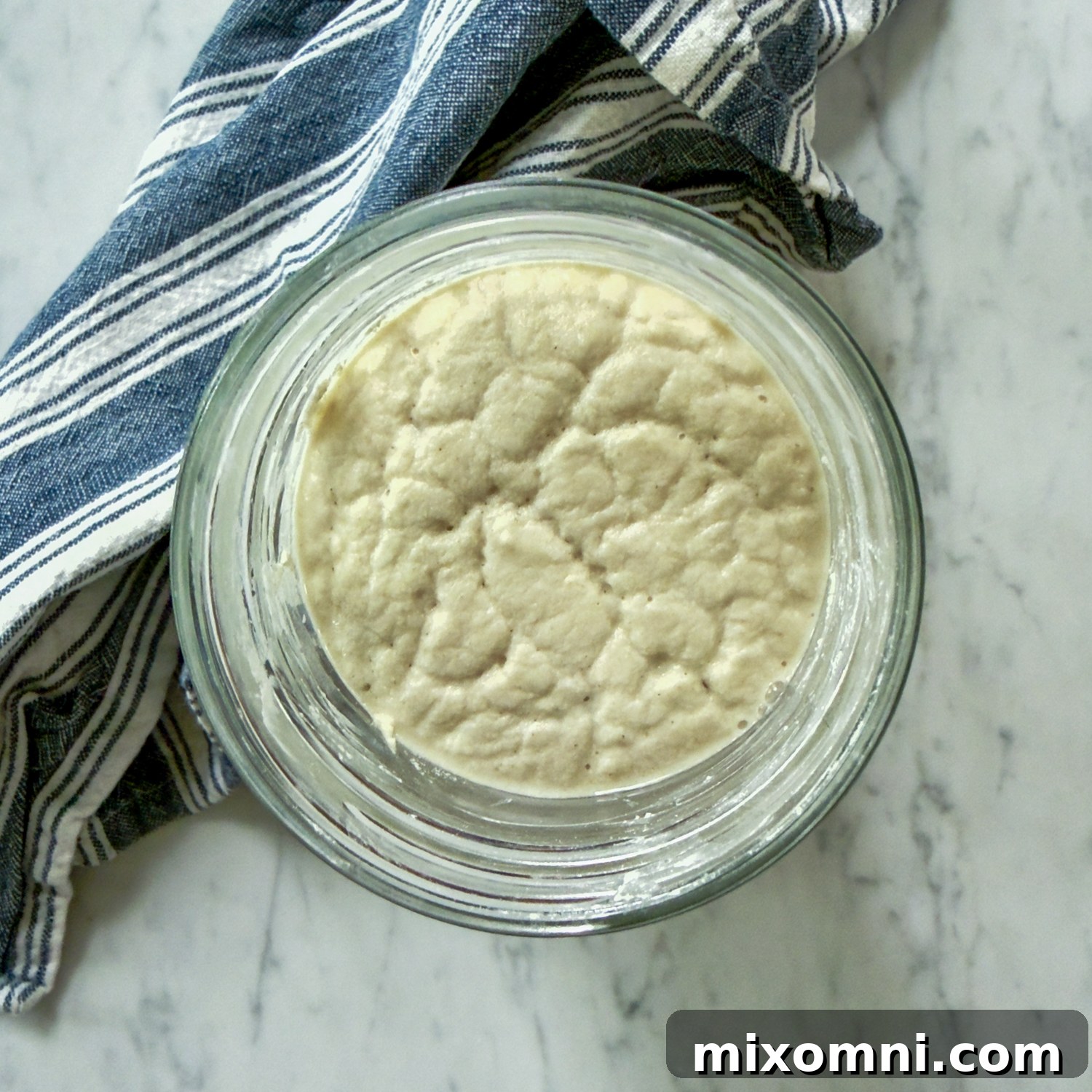
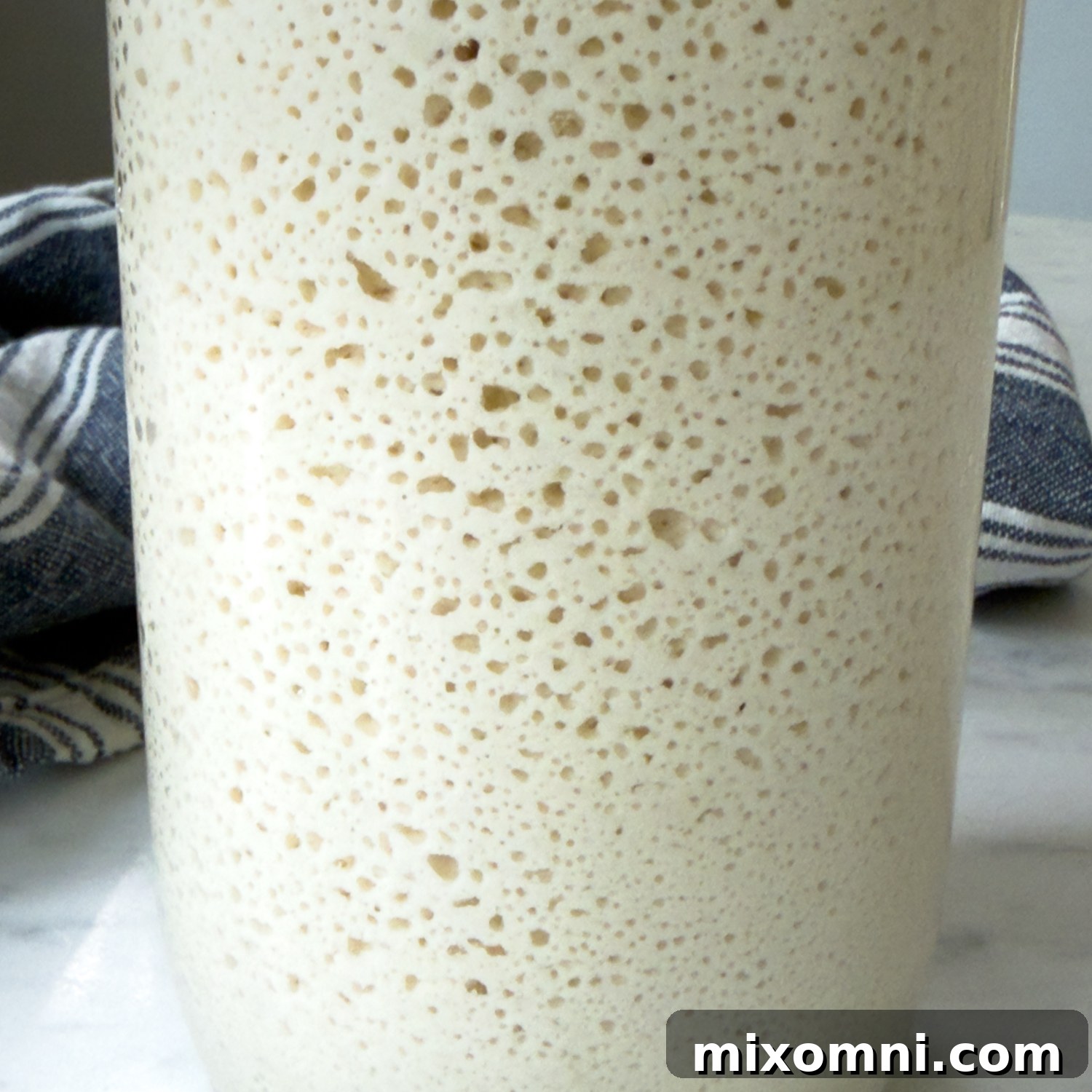
On day five discard about half the starter, then feed 30 grams flour and 30–40 grams water. After day five alternate between feeding-only and discard+feed to control volume. During this phase the starter should begin to bubble, rise, and develop a yeasty aroma. Continue until around day ten to establish a robust starter.
Most Common Questions
What do I do with discard? You can toss it or use it in discard-friendly recipes. As a guideline, 120 grams starter (about ½ cup) can replace one packet of yeast; if you add starter to a recipe, reduce the flour and water in that recipe to account for what the starter contributes.
Why isn’t my starter bubbly? Cold temperatures slow fermentation. Aim for 70–80°F. Create warmth by placing the starter near a heat source, on top of the fridge, or in the oven with only the oven light on. Also check your water: chlorine in tap water can inhibit yeast. Use filtered or bottled water if needed.
How do I store it? If you bake every day, keep the starter at room temperature and feed daily. For less frequent bakers, store the starter in a lidded glass jar in the refrigerator. Feed it when you plan to use it; many bakers refresh after using and before returning it to the fridge.
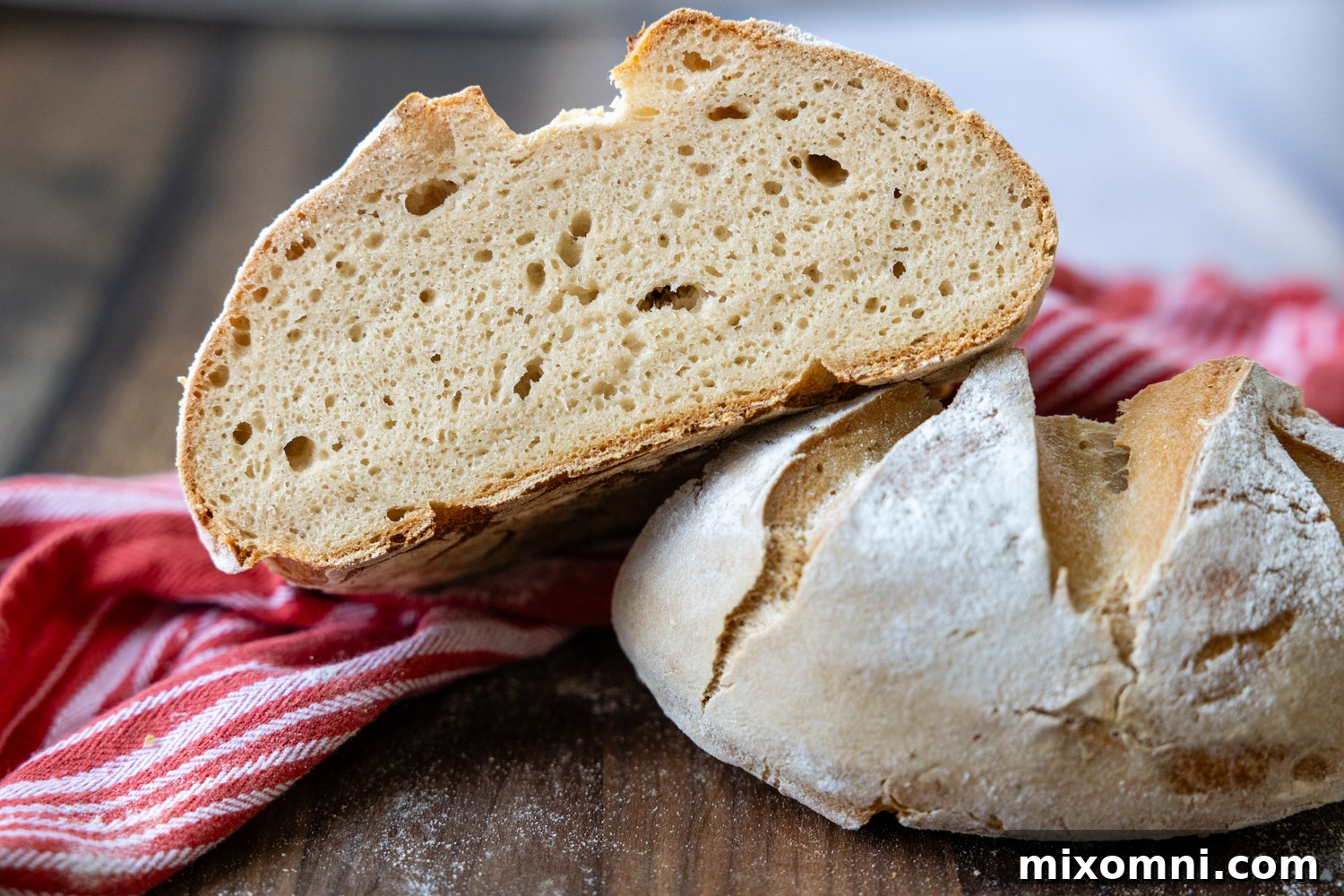
Did you make this recipe? I love hearing from you! Leave a rating and comment below the recipe card. Feedback helps others and I always appreciate hearing how your starter turned out. —Melissa

Foolproof Gluten-Free Sourdough Starter
 Melissa Erdelac
Ingredients
- gluten-free single-grain flour, brown rice, buckwheat, teff, sweet rice flour; see notes for recommendations
- water
Equipment
-
Food scale
-
Glass jar or bowl
Instructions
-
Day 1 – In a glass jar or bowl combine 50 g gluten-free flour and 50–60 g water. Stir to a batter slightly thicker than pancake batter. Cover loosely and leave at room temperature for 24 hours.
-
Days 2–4 – Each day add 30 g flour and 30–40 g water, keeping the same consistency. Cover loosely and let sit 24 hours between feedings. Around day 4 or 5 you can incorporate a different flour if desired.
-
Day 5 – Discard about half the starter, then feed with 30 g flour and 30–40 g water. Stir, cover loosely, and rest 24 hours.
-
Days 6–10 – Alternate feed-only days with discard+feed days to control volume. By day 10 the starter should be consistently active and bubbly with a pleasant yeasty aroma. If it activates earlier, continue the routine through day 10 to strengthen it.
-
When ready, use the starter in your favorite gluten-free sourdough recipe or transfer to a lidded jar and refrigerate until needed.
Notes
Recommended GF Flours
In my tests a rehydrated dehydrated starter combined with brown rice flour produced the quickest, most reliable activity. If starting without a kit, a mix of buckwheat and brown rice with a little sweet rice added in after a few days worked well. Single-grain buckwheat-only or teff-only did not activate in my trials, though others have had success with them.