
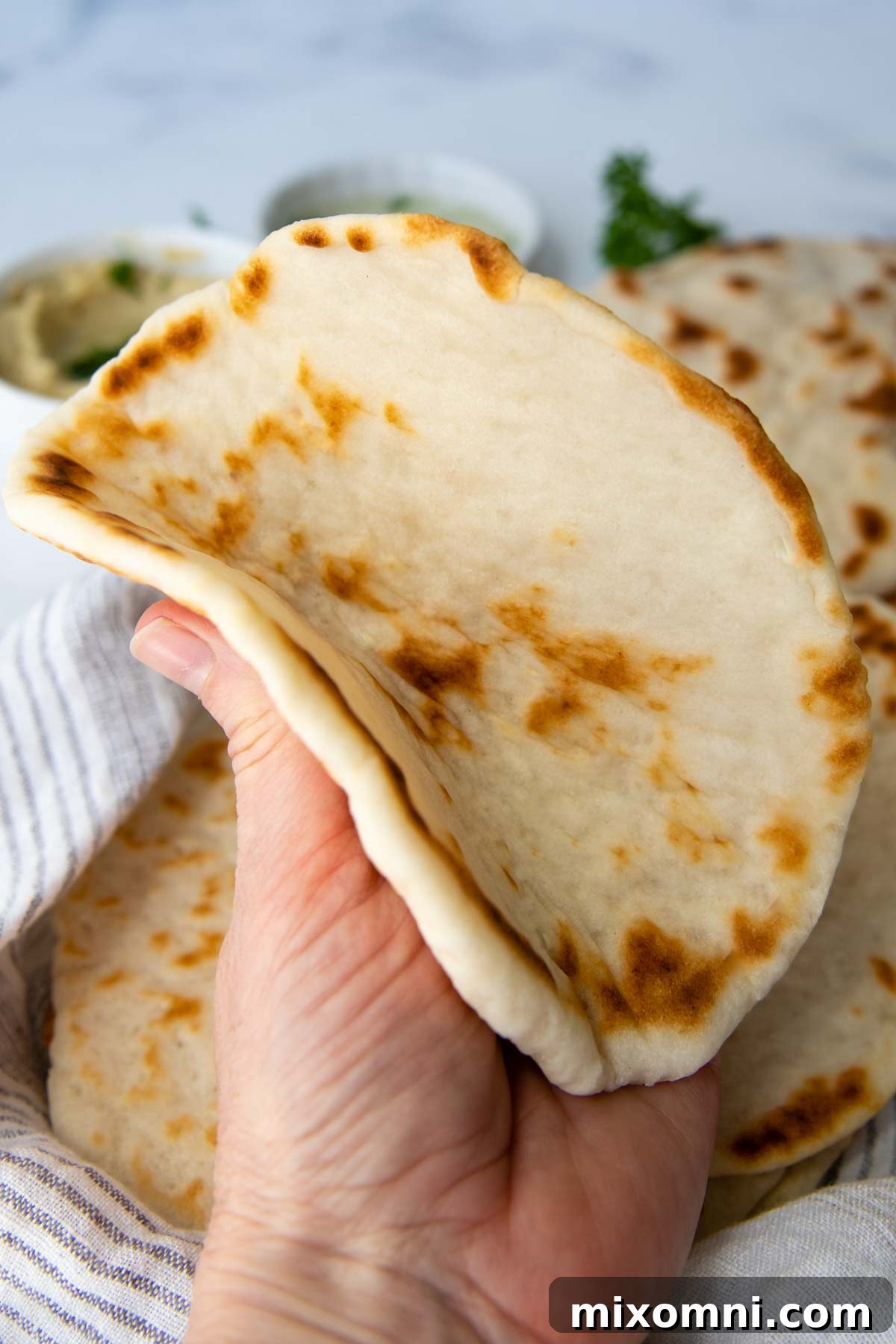
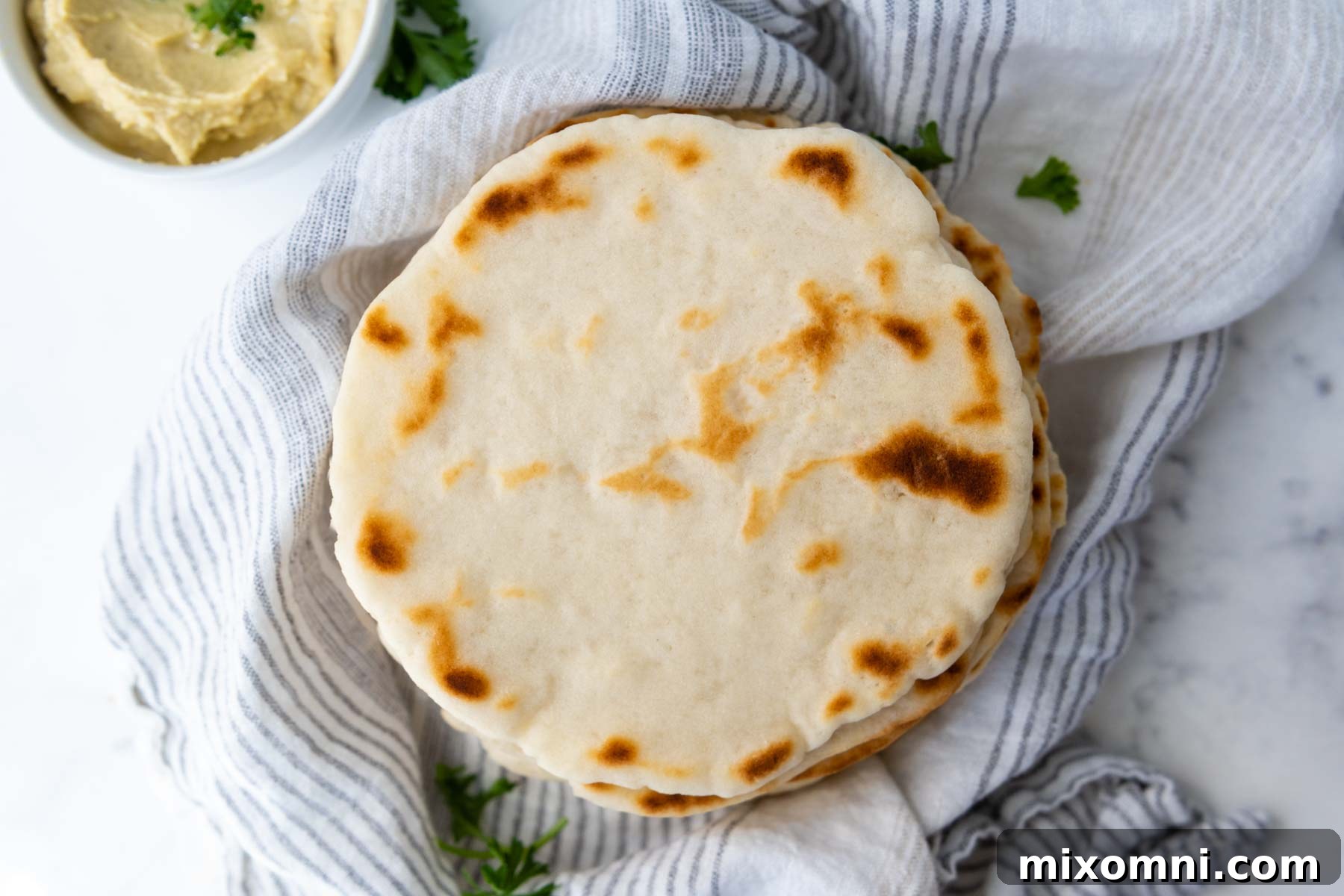
Unlock the secret to crafting incredibly soft, pliable, and utterly delicious gluten-free flatbread right in your own kitchen! This foolproof recipe, featuring just two innovative ingredients, revolutionizes the dough’s texture, making it remarkably easy to handle, shape, and roll. Forget complicated techniques and endless kneading; our simple “dump, mix, rise, and cook” method delivers wonderfully doughy and fluffy results in minutes on your stovetop. You’ll be amazed at how effortlessly it mimics traditional flatbreads, all while being completely gluten-free and vegan. Whether you crave homemade pita, a perfect accompaniment for your favorite curry, versatile wraps, authentic naan, hearty sandwiches, or a quick flatbread pizza, the possibilities are truly endless with this staple recipe.
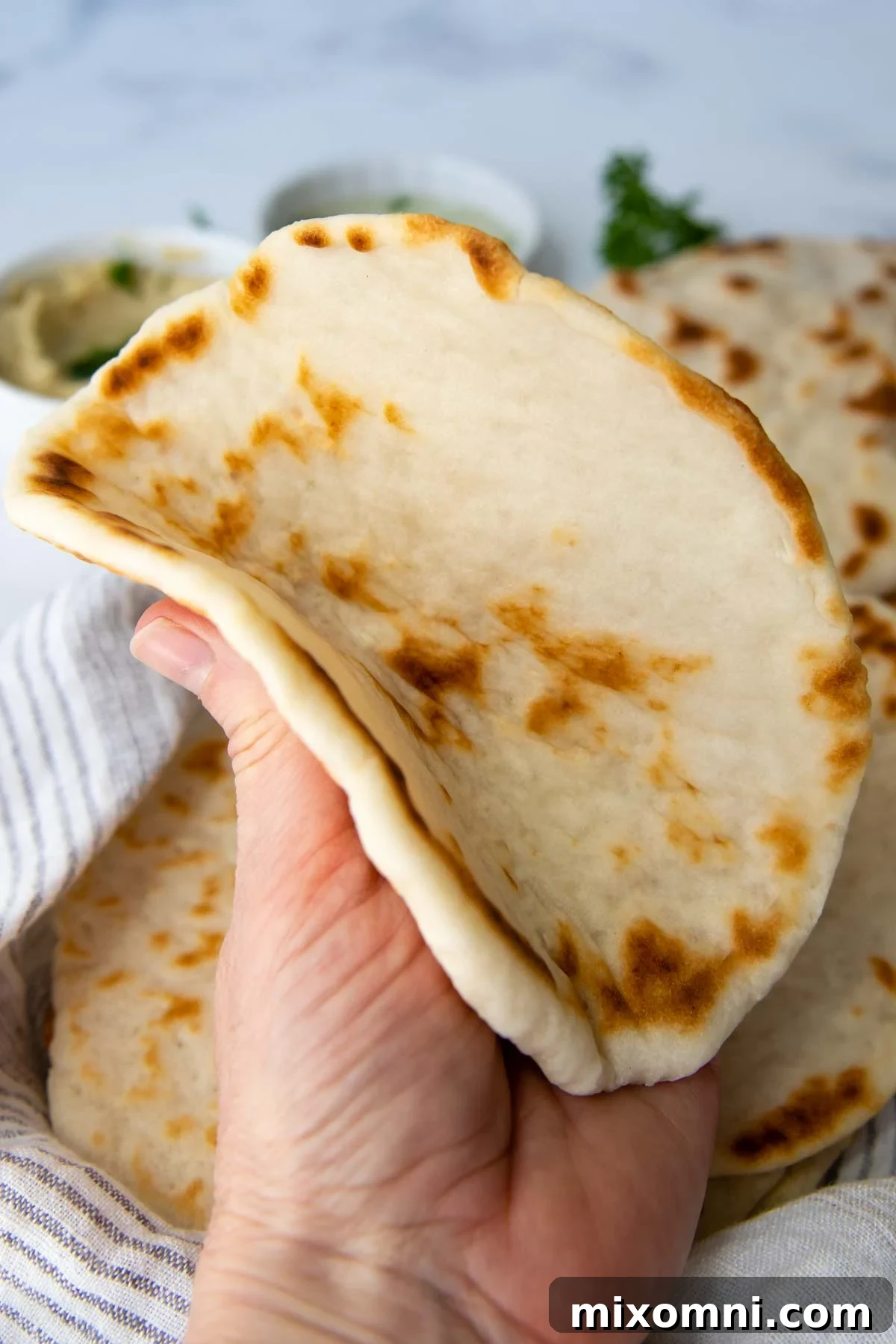
The Ultimate Soft & Fluffy Gluten-Free Flatbread Recipe (Vegan Friendly!)
Say goodbye to dry, crumbly gluten-free bread and hello to a soft, pliable texture that truly rivals its gluten-containing counterparts. This gluten-free flatbread isn’t just a recipe; it’s a culinary revelation, bringing back the joy of versatile, chewy bread for everyone. What makes it so special? It’s remarkably easy to prepare, calls for only a handful of common ingredients, and boasts a fuss-free process perfect for even novice bakers.
Many gluten-free bread recipes struggle with achieving that desirable elasticity and soft crumb structure found in traditional wheat-based breads. However, this recipe stands out by cleverly incorporating two “secret weapon” ingredients. First, we utilize the magic of psyllium husk powder. This affordable, natural ingredient acts as an incredible binding agent, significantly boosting the dough’s elasticity and helping it absorb excess moisture. The result? An airy, non-gummy texture that’s a dream to work with and a delight to eat.
Secondly, we replace a small portion of gluten-free flour with a touch of potato starch. This ingenious trick, which I also employ in my popular from-scratch gluten-free rolls, helps build structure without adding more flour, which can often lead to a dry, dense texture. The potato starch contributes to an exceptionally soft and tender crumb, making these flatbreads incredibly satisfying.
What you’re left with is a soft, wonderfully pliable flatbread that can effortlessly substitute for gluten-free naan bread, fluffy pita pockets, or any wrap you desire. This simple, one-bowl recipe comes together in minutes, requires just a single rise, and yields a dough that’s a pleasure to roll out. No more frustrations with sticky, unmanageable gluten-free dough!
Now, you can relish flatbread pizza once again, use them to scoop up your favorite soups, dunk into a rich quick coconut chicken curry, serve alongside vibrant salads, pair with creamy dips like hummus, or create amazing sandwich wraps. The possibilities for enjoying this versatile bread are truly endless!
Absolutely delicious and easy to make! We don’t eat Gyros without them now. Even my non-GF fam loves them!
—Anonymous
Understanding Your Ingredients for Gluten-Free Flatbread
Crafting exceptional gluten-free flatbread begins with understanding the role of each ingredient. This recipe is naturally dairy-free and vegan-friendly, making it accessible to a wide range of dietary needs. Below, you’ll find a detailed breakdown of the recommended ingredients, their impact on the final product, and any potential substitutions to ensure your success. Feel free to infuse more complex flavors by stirring in garlic powder or dried oregano directly into the dough mixture. Alternatively, after cooking, a simple brush of olive oil topped with a sprinkle of sea salt, fresh parsley, or a grating of Parmesan cheese (if not strictly vegan) can elevate the taste significantly.
- Gluten-Free All-Purpose Flour: The foundation of our flatbread. I highly recommend using Cup4Cup gluten-free flour blend for achieving the softest, most consistent texture. While other blends can work, Cup4Cup consistently delivers superior results in terms of chewiness and elasticity. If using another brand like King Arthur Measure-for-Measure, please refer to the recipe notes for specific adjustments to ensure optimal softness and workability.
- Potato Starch (not flour): This is a crucial ingredient for enhancing the softness and structure of the flatbread without adding extra gluten-free flour, which can lead to a dry outcome. Potato starch contributes to a tender crumb and a pleasant chew. For best results, stick with potato starch. However, tapioca starch can be used as a substitute, though it may result in a slightly different texture. Some readers have also reported success with cornstarch, but potato starch is preferred for its unique qualities.
- Psyllium Husk Powder: An absolute game-changer in gluten-free baking, especially for doughs that require shaping. Psyllium husk acts as an unparalleled binding agent, mimicking the elasticity and structural integrity of gluten. It’s essential for achieving that characteristic pliable texture found in traditional naan or even squishy gluten-free burger buns, preventing the flatbread from becoming brittle or crumbly. Do not omit this ingredient.
- Active Dry Yeast: This is what gives our flatbread its beautiful rise and airy texture. You’ll activate it first by combining it with warm water and a touch of sugar. This process “wakes up” the yeast, ensuring it’s ready to work its magic. If you happen to be using instant yeast, you can skip the activation step and add it directly with your dry ingredients, but ensure your liquid is still warm enough to encourage fermentation.
- Baking Powder: Working in conjunction with the yeast, baking powder provides an extra lift, contributing to the flatbread’s loftiness and soft interior as it cooks on the stovetop. The combination of both leavening agents ensures a wonderfully airy and fluffy result, a common characteristic in excellent gluten-free breads.
- Granulated Sugar: A small amount of sugar acts as food for the yeast, helping it activate and rise effectively. It also contributes to a subtle hint of sweetness and helps achieve a beautiful golden-brown crust during cooking.
- Salt: Essential for flavor balance, salt enhances the overall taste of the flatbread and also plays a role in regulating yeast activity.
- Olive Oil: Adds richness, moisture, and aids in the dough’s flexibility. It also helps with browning and imparts a lovely aroma. You’ll use it in the dough and a little extra for shaping and rolling, preventing sticking.
Let’s Craft These Soft Flatbreads Together!
Ready to create magic? Follow these detailed step-by-step instructions to ensure your gluten-free flatbreads turn out perfectly soft, fluffy, and delicious every time. (Please scroll down to the full recipe card for precise ingredient amounts and nutritional information.)
1. Activate Yeast & Combine Ingredients
To begin, gently heat your oven to a low 150°F (65°C), then turn it off. This creates a perfectly warm, draft-free environment for your dough to rise. In a small bowl, whisk together the warm water (ensuring it’s around 110°F or 43°C), active dry yeast, and granulated sugar. Let this mixture sit for 5-7 minutes until it becomes frothy on top, indicating that your yeast is active and ready to work.
While the yeast activates, in a large mixing bowl (or the bowl of a stand mixer fitted with a paddle attachment), combine the gluten-free all-purpose flour, potato starch, psyllium husk powder, salt, and baking powder. Give these dry ingredients a quick mix on low speed to ensure they are well combined. Once your yeast mixture is frothy, add it to the dry ingredients along with the olive oil. Mix on medium speed for about 3 minutes until a stiff, slightly sticky dough forms. If you don’t have a stand mixer, a sturdy wooden spoon or spatula will work just fine – simply mix until everything is thoroughly combined and a cohesive dough is achieved.
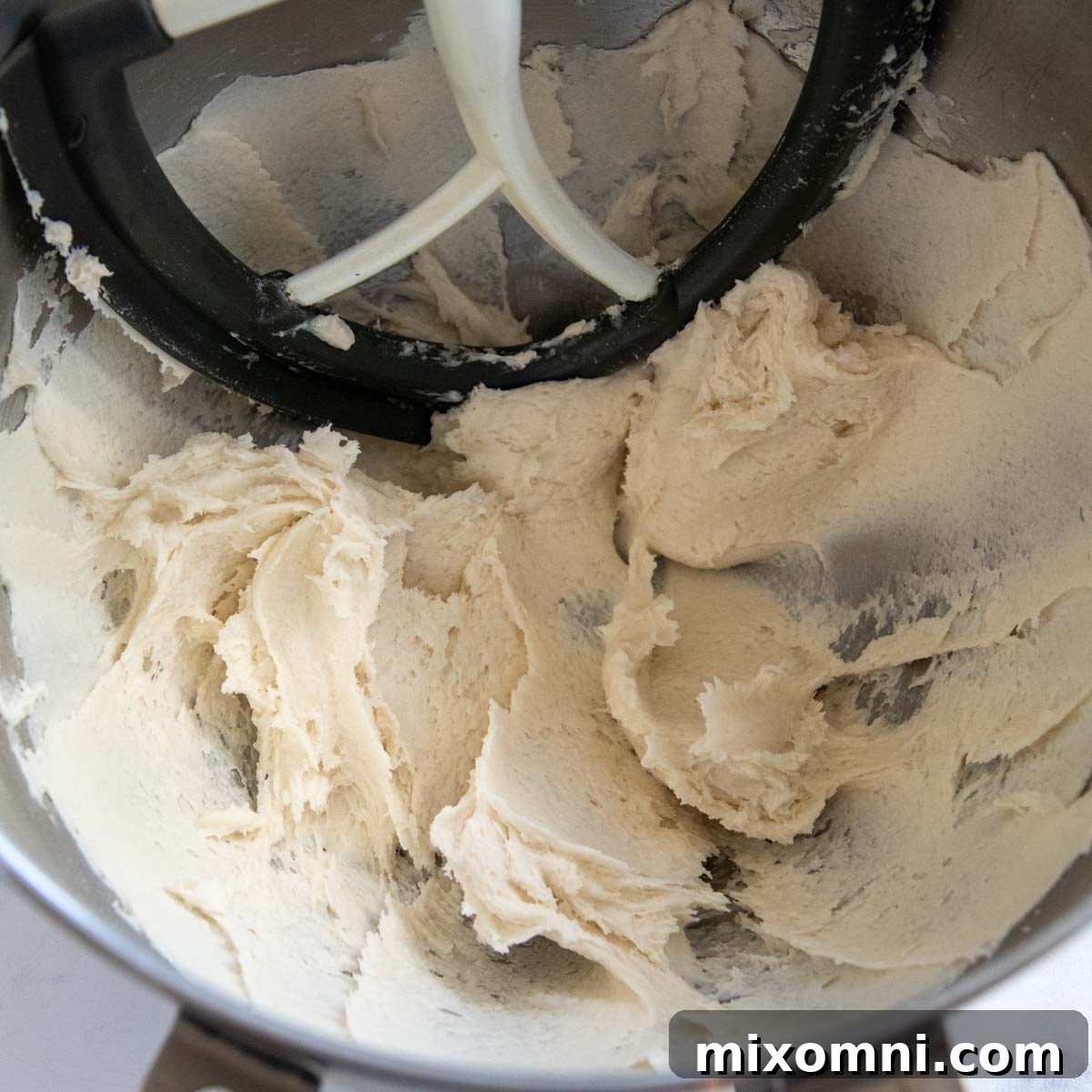
2. The Crucial Rise
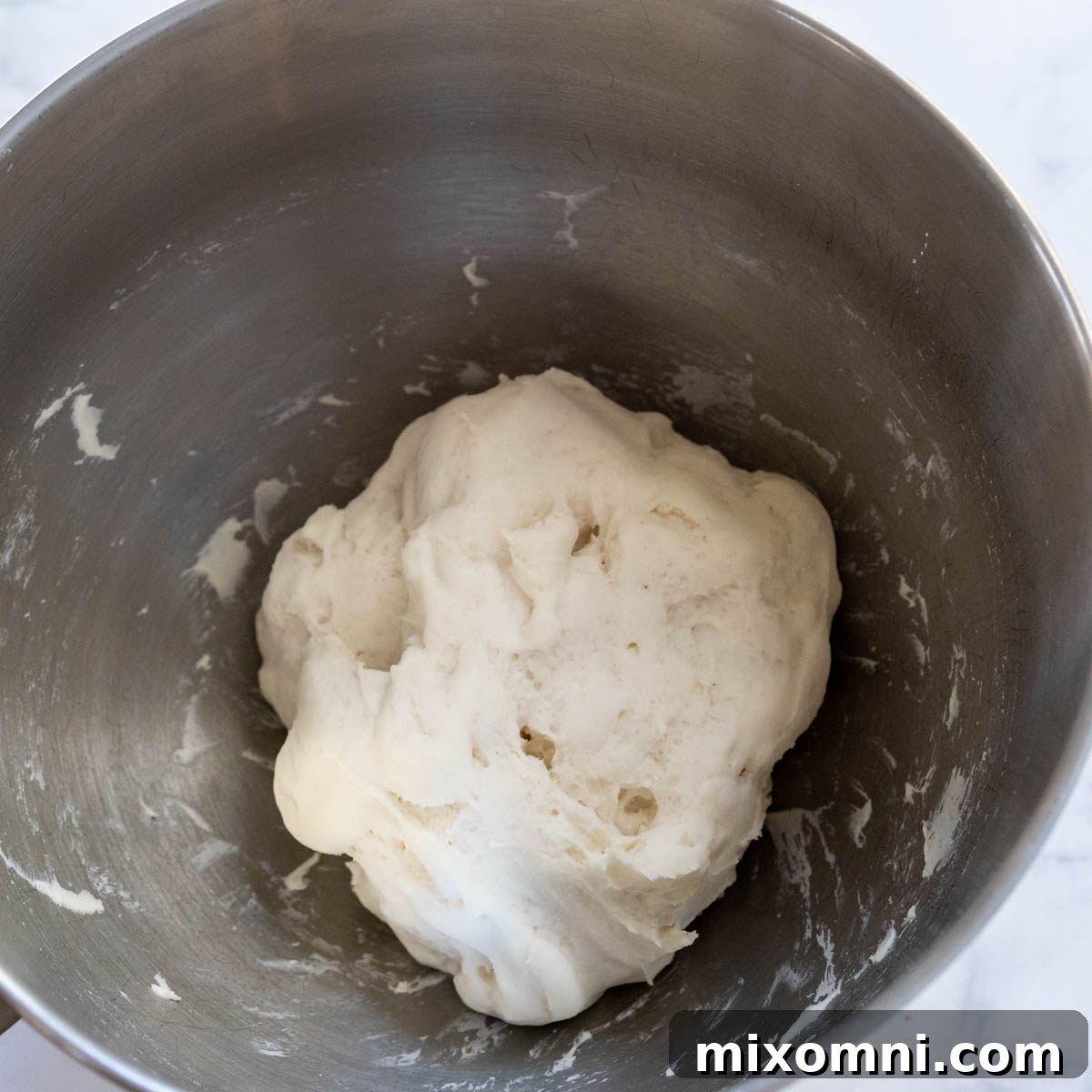
Once your dough is mixed, scrape it into the center of the bowl – no need to grab another dish! Cover the bowl tightly with plastic wrap to prevent the dough from drying out. Transfer the covered bowl to your pre-warmed, turned-off oven. Leave the oven door slightly ajar for the first 5-10 minutes to allow any residual heat to gently warm the dough, then close the door completely. Let the dough rise for approximately 45 minutes. During this time, the dough should visibly increase in volume and become slightly puffy. This rising period is vital for developing the texture and flavor of your flatbread.
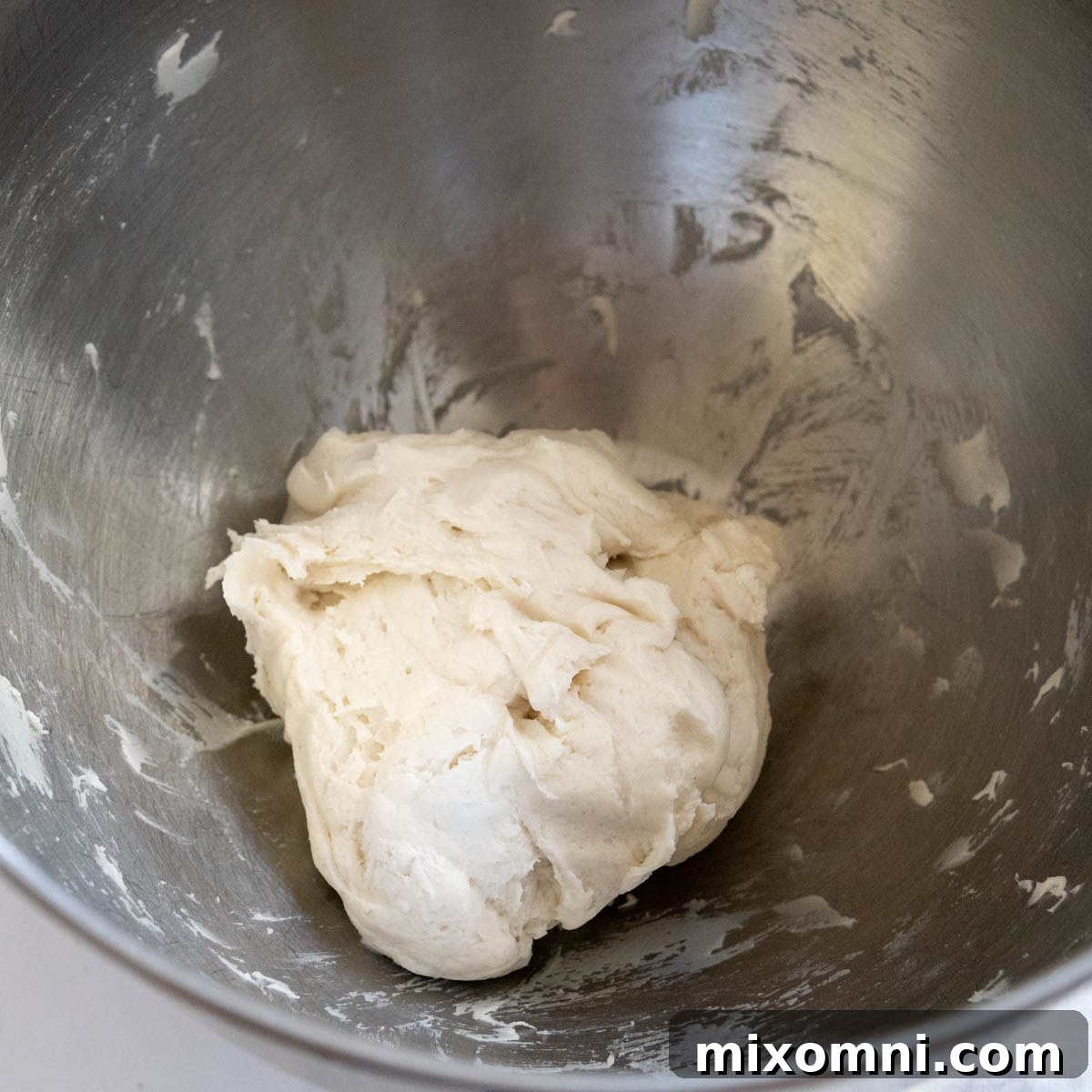
3. Shape & Cook to Perfection
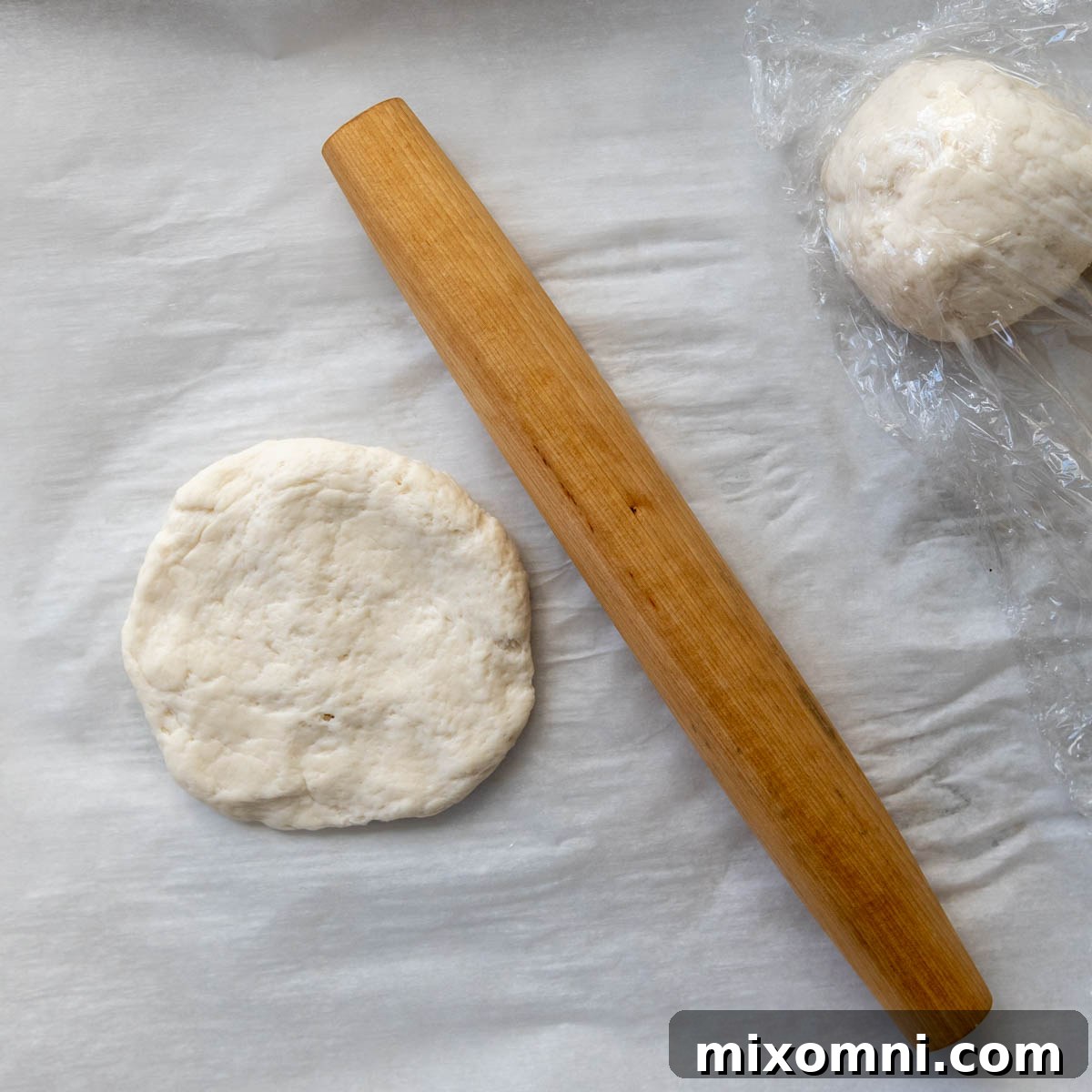
When you’re ready to shape the flatbreads, lightly grease your fingers with a tiny bit of olive oil if the dough feels a little sticky – this will make handling much easier. Lay a large sheet of parchment paper on your workspace. Gently divide the risen dough into 5 equal-sized balls. Cover these dough balls with plastic wrap and let them rest for 10 minutes. This resting period allows the gluten-free flours and psyllium husk to relax, making the dough easier to roll without snapping back. Meanwhile, place a dry nonstick skillet over medium heat and allow it to preheat thoroughly.
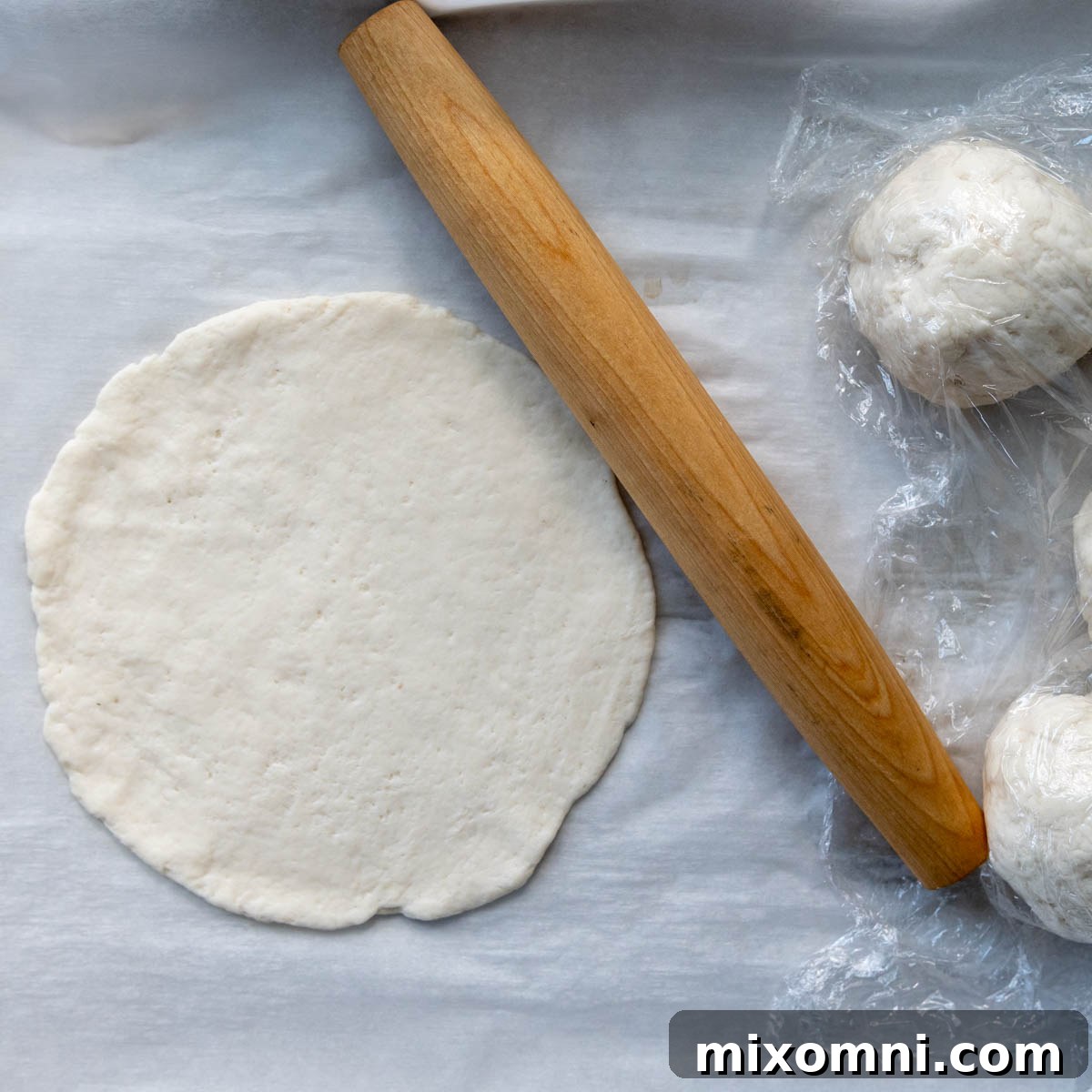
Keep the remaining dough balls covered while you work on one at a time. On a separate section of your parchment paper, spread a very, very light sheen of olive oil. Place one dough ball in the middle and gently flatten it into a thick disc using the palm of your hand. Now, take a rolling pin and roll the disc into a 6½-inch circle. For best results, rotate the dough a quarter turn after each roll to help maintain a round shape and prevent sticking.
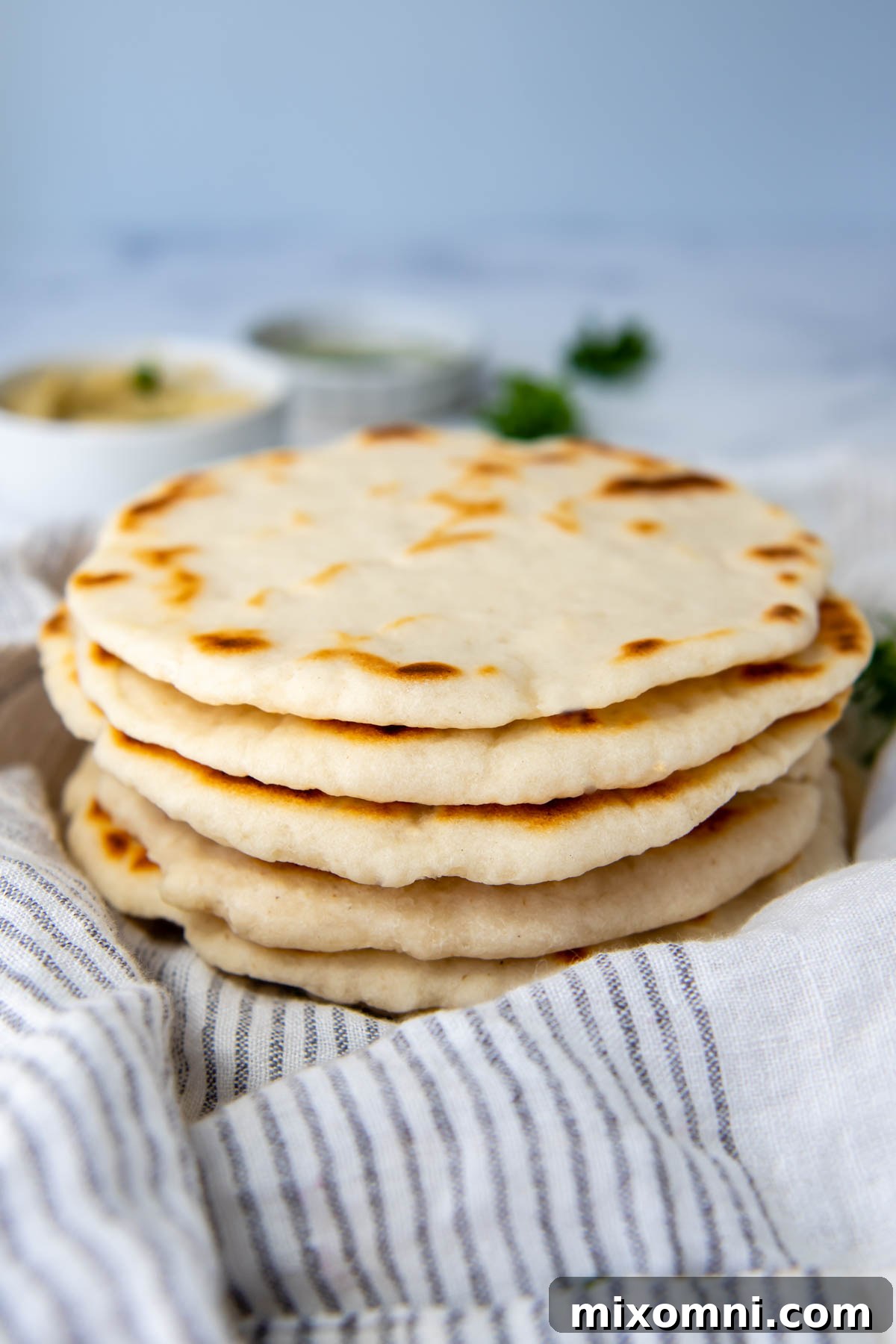
Carefully transfer the rolled flatbread to your hot, dry skillet. Cook for 1½ – 2 minutes on the first side until you see bubbles forming and light golden-brown spots appear on the underside. Flip the flatbread and cook for an additional 1½ – 2 minutes on the second side. It’s crucial to cook both sides for a similar duration, even if the second side looks “done” sooner, to ensure the flatbread is cooked through and remains wonderfully fluffy, rather than dense. As one flatbread cooks, begin rolling out the next one to keep the process efficient.
Once cooked, transfer the warm flatbreads to a clean, lint-free kitchen towel and cover them to keep them warm and soft while you finish cooking the rest. Serve immediately and enjoy the fruits of your labor!
Endless Possibilities: Flatbread Pizza & Other Delicious Uses
With this reliable and easy gluten-free flatbread recipe in your arsenal, a world of culinary creativity opens up! These versatile flatbreads are fantastic for countless applications, serving as excellent gluten-free pita or naan bread. They are perfect for dipping into your favorite hummus, baba ghanoush, or savory lentil dips, and they make a superb accompaniment to rich curries, stews, and tagines. Beyond dipping, these flatbreads are ideal for creating satisfying wraps, whether you fill them with a classic chicken salad, a zesty tuna salad, or your preferred lunch meats and an assortment of fresh veggies.
To make a glorious Gluten-Free Flatbread Pizza Crust: Simply prepare and cook your flatbreads as directed in the recipe. Once cooked, transfer them to a baking sheet or pizza stone. Spread a generous layer of your favorite tomato sauce, sprinkle with cheese (dairy or non-dairy), and add your desired toppings – from pepperoni and mushrooms to olives and bell peppers. Bake in a preheated 425ºF (220ºC) oven for 5-8 minutes, or until the cheese is bubbly, melted, and the crust is lightly golden and crisp around the edges. This makes for a quick and customizable weeknight meal!
Alternatively, take your pizza experience outdoors! This recipe is also perfect for crafting sensational gluten-free grilled pizzas. Check out the linked post for comprehensive step-by-step directions on achieving that smoky, charred perfection on the grill.
Pin This Recipe for Later!
Let’s connect on Pinterest! I’m always sharing delicious and inspiring recipes!
Did you try this recipe? Your feedback means the world to me! Leave a star rating and comment below the recipe card. It helps other home cooks discover and enjoy these recipes, and I truly appreciate hearing from our community. I always make sure to respond! -Melissa
Simple, Fluffy Gluten-Free Flatbread (Extra Easy)

Melissa Erdelac
Learn how to make a soft gluten-free flatbread recipe using two simple ingredients to boost the dough’s elasticity, making it easy to shape and roll. Just dump, mix, rise, and cook in minutes on the stove top for a doughy, fluffy texture, fooling anyone it’s both gluten-free and vegan! The possibilities are endless – pita, side for curry, wraps, naan, sandwiches, flatbread pizza, and more!
Pin
Rate
Remove Ads
Ingredients
- ¾ cup (180 g) warm water, heated to 110℉
- 1 teaspoon (5 g) active dry yeast
- 1 teaspoon (4 g) granulated sugar
- 1⅓ cup (192 g) gluten free all purpose flour (I recommend Cup4Cup GF flour, see recipe notes alternative)
- 3 tablespoons (31 g) potato starch
- 2 teaspoons (7 g) psyllium husk powder
- ¾ teaspoon baking powder
- ½ teaspoon salt
- 1 tablespoon (14 g) olive oil, and more for shaping and rolling
Instructions
- Begin by heating your oven to 150ºF (65°C). Once it reaches temperature, turn it off. This creates an ideal warm, draft-free place for the dough to rise.
- In a small bowl, combine the warm water (around 110ºF or 43°C), yeast, and sugar. Whisk gently and set aside for 5 minutes to activate. The mixture should become frothy on top, indicating active yeast.
- In a large bowl of a stand mixer with a paddle attachment (or a large mixing bowl for hand mixing), combine the gluten-free flour, potato starch, psyllium husk, salt, and baking powder. Mix on low speed until combined.
- Add the activated yeast/water mixture and the olive oil to the dry ingredients. Mix on medium speed for 3 minutes until you achieve a stiff, slightly sticky dough. If mixing by hand, use a sturdy wooden spoon to combine thoroughly.
- Scrape the dough into the middle of the bowl. Cover the bowl tightly with plastic wrap and place it in the warm, turned-off oven. Leave the oven door slightly ajar for the first 5-10 minutes, then close it. Let the dough rise for 45 minutes until noticeably puffy.
- When ready to shape, pour a little extra olive oil into a small dish to lightly grease your fingers if the dough sticks. Lay a large sheet of parchment paper on your workspace. Divide the dough into 5 equal-sized balls using your slightly greased fingers. Cover the dough balls with plastic wrap and let them rest for 10 minutes. Meanwhile, preheat a dry nonstick skillet over medium heat.
- Move the rested dough balls to the side, keeping them covered. On a clean section of the parchment paper, spread a very, very light sheen of olive oil. Place one dough ball in the middle and gently flatten it into a thick disc. Use a rolling pin to shape it into a 6½-inch circle, rotating the dough a quarter turn after each roll to maintain a round shape.
- Carefully use a spatula to lift the rolled flatbread onto the hot skillet. Cook, undisturbed, for 1½ – 2 minutes on the first side until bubbles form and golden spots appear. Flip and cook for an additional 1½ – 2 minutes on the second side. It’s important to cook both sides for a similar duration to ensure a fluffy, non-dense texture. As one flatbread cooks, begin rolling out the next one.
- Transfer cooked flatbreads to a clean, lint-free kitchen towel and cover to keep them warm and soft while you continue rolling and cooking the remaining dough. Serve immediately and enjoy your homemade goodness!
Notes
Gluten-Free Flatbread Pizza
To transform your flatbread into a delicious pizza, simply prepare and cook the flatbread as directed. Once cooked, spread with your favorite tomato sauce, cheese, and desired toppings. Place the prepared pizza on a baking sheet or pizza stone and bake in a preheated 425ºF (220ºC) oven for 5-8 minutes, or until the cheese is bubbly and golden.
For an alternative cooking method, explore how to make gluten-free pizza on the grill for a smoky, unique flavor.
Gluten-Free Flour Adjustments
While I highly recommend Cup4Cup gluten-free flour blend for the softest and most consistent results, if you opt to use King Arthur Measure-for-Measure flour, please consider these adjustments for optimal texture:
- Measure 1⅓ cup of King Arthur flour, then remove 2 tablespoons. Replace these 2 tablespoons with 2 tablespoons of cornstarch to enhance tenderness.
- When rolling out the dough, use a little more olive oil on your fingers and parchment paper to provide additional fat and moisture, which helps with pliability.
- Adjust cooking time: King Arthur blends may cook faster. I found that cooking for 1 minute per side, instead of 1½-2 minutes, yielded the best results.
Storing, Freezing, and Reheating
If you’re not planning to enjoy all your flatbreads at once, allow them to cool completely on a wire rack before storing. Transfer them to an airtight container and store at room temperature for up to 24 hours. For optimal freshness and texture, I recommend consuming them within a day, or else freeze them for longer storage.
To freeze, stack individual flatbreads with pieces of parchment paper, paper towels, or wax paper in between to prevent sticking. Wrap the stack securely with plastic wrap, then place it into a freezer-safe ziplock bag. They can be frozen for up to 2 months.
When you’re ready to serve frozen flatbreads, defrost them at room temperature. For the best warm and soft texture, wrap a defrosted flatbread in a paper towel and microwave for about 15 seconds, or until slightly rewarmed.
Did you make this recipe?
Please leave a star rating and review below. It helps others when searching for recipes and I LOVE feedback!