
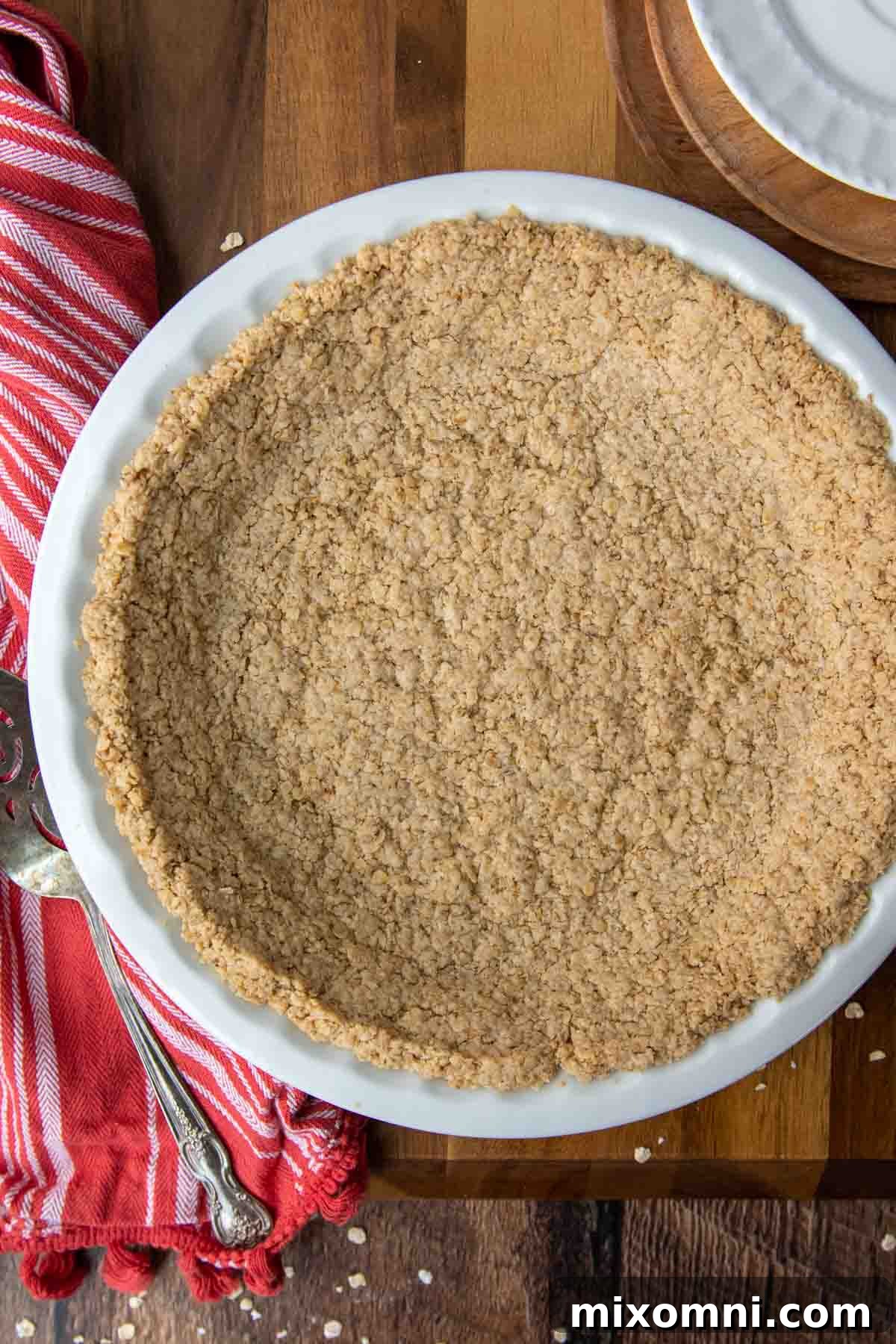
Discover the ultimate solution for a quick, wholesome, and naturally gluten-free pie crust with this incredibly simple oatmeal recipe. Requiring just four budget-friendly ingredients, this crust eliminates the need for tedious rolling or chilling, making it a dream come true for both novice bakers and seasoned pros. Whether you’re preparing a classic baked pie or a delightful no-bake dessert, this oat-based crust offers an effortlessly delicious alternative to traditional pastry or graham cracker crusts. It’s not just easy; it’s a game-changer for anyone seeking a healthier, allergy-friendly foundation for their favorite pies and cheesecakes.
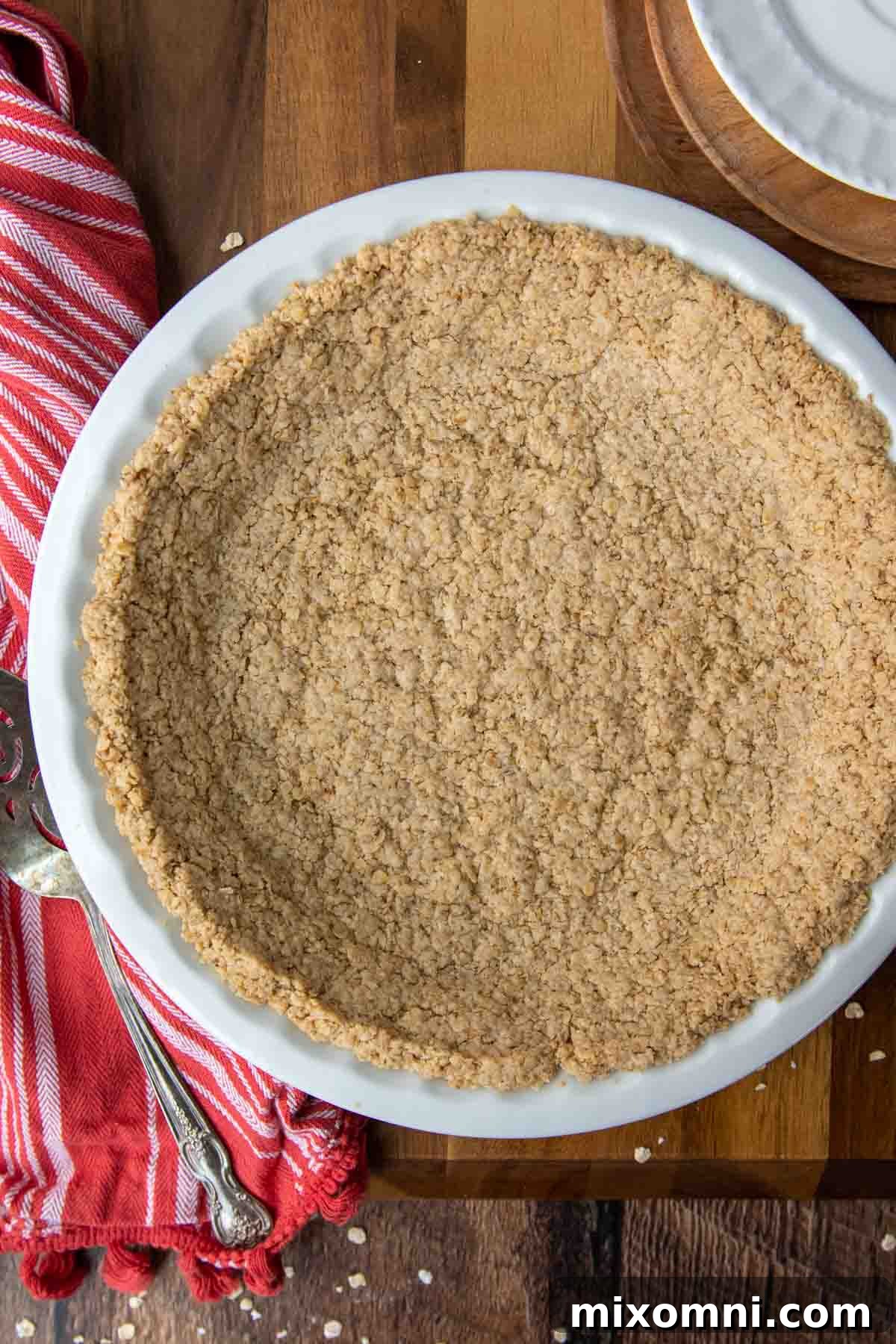
Effortless Gluten-Free Oatmeal Pie Crust: A 4-Ingredient No-Roll Recipe You’ll Adore!
Imagine creating a homemade pie crust that’s not only naturally gluten-free but also allergy-friendly, nut-free, and flourless, all with minimal effort. This oatmeal pie crust recipe delivers on every front, offering an incredibly simple “easy button” option for all your baking needs. Gone are the days of wrestling with dough, endless rolling, or waiting for hours for chilling. This fuss-free crust is a testament to how simple and affordable baking can be, requiring just 5 minutes of active prep time if you have oats readily available.
Its versatility shines, accommodating both baked and no-bake pie recipes, from rich pumpkin pies to creamy cheesecakes. This oat-based crust stands as a superior, wholesome alternative to typical graham cracker crusts or complex traditional pastry shells. For those new to using oats as a flourless substitute in baking, prepare to be amazed. Oats impart a delicate, slightly nutty flavor and a wonderful texture, making them a fantastic base for everything from savory oat flour bread to chewy chocolate chip oat flour cookies. After experiencing such success with these recipes, the natural next step was to craft them into a truly magical pie crust!
I absolutely love this recipe! I used it for several pies during Thanksgiving, and it was a massive hit with everyone. It’s definitely a keeper!
—Patricia, Happy Home Baker
Why Choose This Oatmeal Pie Crust? Unveiling the Benefits
This oatmeal pie crust isn’t just another recipe; it’s a smart baking solution packed with advantages that cater to modern dietary needs and busy lifestyles:
- Naturally Gluten-Free: Oats are inherently gluten-free, making this crust a perfect choice for individuals with celiac disease or gluten sensitivities. However, it’s crucial to select certified gluten-free oats to prevent cross-contamination, ensuring your pie remains safe for everyone.
- Effortless Preparation: Say goodbye to the complexities of traditional pie crusts. There’s absolutely no rolling pin required, no sticky dough to handle, and no lengthy chilling period. This means you can whip up a perfect crust in minutes, making homemade pies a spontaneous possibility rather than a daunting project.
- Simple & Affordable Ingredients: You’ll only need four common, inexpensive ingredients that are likely already in your pantry: oats, powdered sugar, butter (or a dairy-free alternative), and a hint of cinnamon and salt. No need for specialty flours or pricey substitutes, keeping your baking budget-friendly.
- Versatile for Any Pie: Whether your recipe calls for a baked crust for something like apple pie or a pre-baked crust for a no-bake treat such as cheesecake, this oatmeal crust adapts beautifully. Its robust structure holds up well to various fillings, offering a reliable foundation every time.
- Allergy-Friendly Options: Beyond being gluten-free, this recipe is naturally nut-free, catering to those with nut allergies. With simple substitutions like vegan butter or coconut oil, it easily becomes dairy-free and vegan, broadening its appeal for a wider range of dietary preferences.
- Wholesome & Flavorful: Oats add a wonderful depth of flavor and a good source of fiber, making your dessert not only delicious but also a bit more wholesome. The subtle sweetness from powdered sugar and a touch of cinnamon creates a warm, inviting taste reminiscent of an oatmeal cookie.
Ingredient Insights: Crafting Your Perfect Crust
Making this incredible pie crust starts with understanding the role of each key ingredient. Here’s what you need and why it matters:
- Oats: The star of our show! For the best texture and binding, quick-cooking oats are highly recommended due to their finer texture, which helps the crust bind together more cohesively. If you only have old-fashioned (rolled) oats, simply give them a brief pulse in a food processor before combining with other ingredients to achieve a similar consistency. Important for dietary restrictions: To ensure your crust is truly allergen-free and suitable for those with celiac disease, always opt for certified gluten-free oats, which are processed in facilities free from wheat cross-contamination.
- Powdered Sugar: This fine sugar not only adds sweetness but also contributes to the crust’s tender texture and helps with binding, creating a more cohesive base than granulated sugar would.
- Butter: Melted butter is crucial for binding the oat mixture together, providing richness and a beautiful golden color when baked. To make a vegan or dairy-free crust, easily substitute with an equal amount of melted vegan butter sticks (such as Earth Balance) or coconut oil. Note that coconut oil may impart a subtle coconut flavor, which can be delightful in many pie recipes.
- Cinnamon: Just a small dash of ground cinnamon enhances the natural flavor of the oats, giving the crust a comforting, “oatmeal cookie” like aroma and taste. It’s a subtle addition that makes a big difference.
- Salt: A pinch of salt balances the sweetness and brings out the nuanced flavors of the other ingredients, much like it does in any good baked good.
Let’s Make This Together: Step-by-Step Guide
Creating this oatmeal pie crust is incredibly straightforward. Follow these steps for a perfectly formed and flavorful base for your pies. (For precise ingredient measurements, please refer to the recipe card below.)
1. 5-Minute Prep: Simple & Speedy
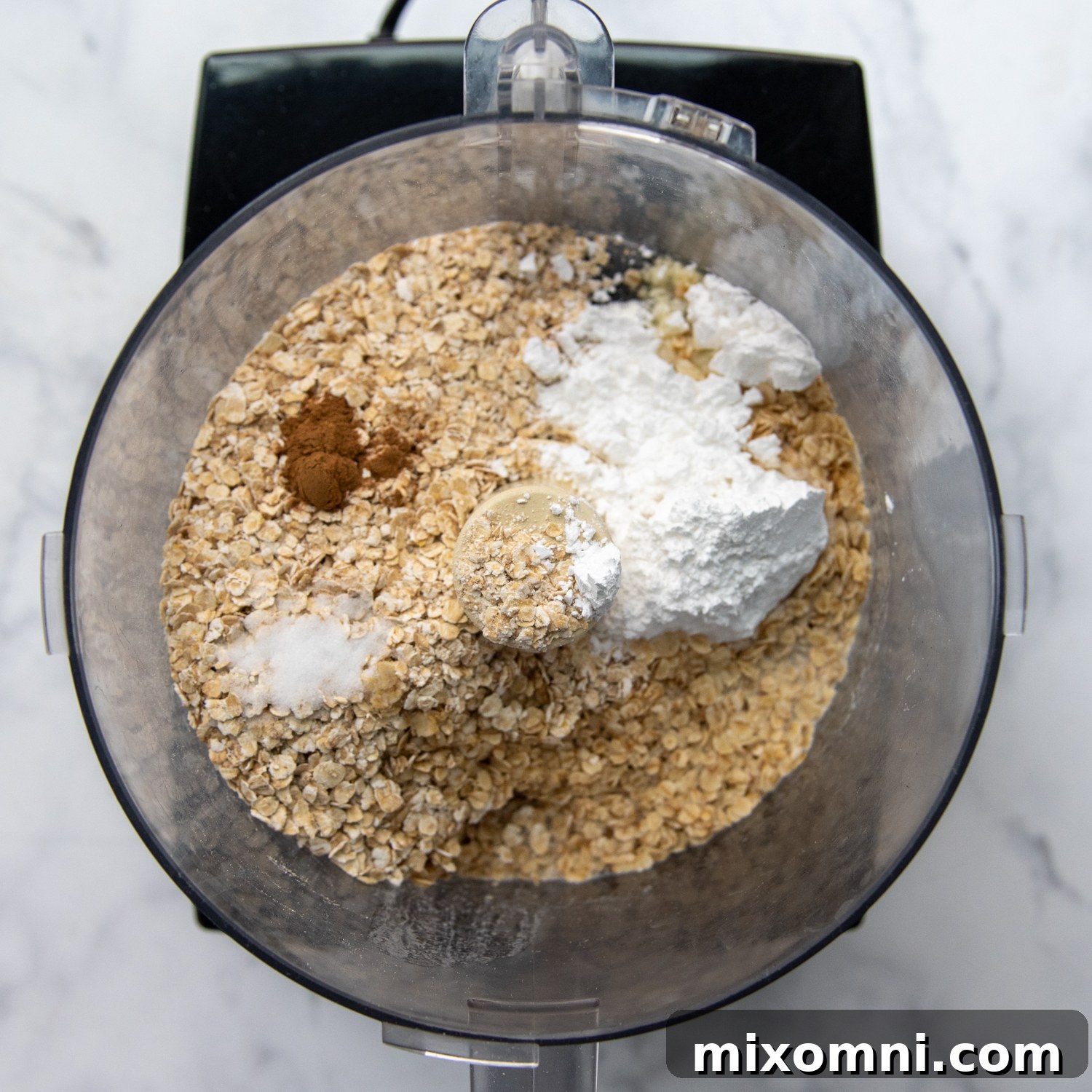
Begin by combining all the dry ingredients in a food processor: quick-cooking oats, powdered sugar, cinnamon, and salt. Pulse several times until the oats are finely ground and the mixture is well combined. This step is crucial for achieving a uniform texture that binds together beautifully. If you don’t have a food processor, don’t worry! You can mix everything by hand in a bowl, though the crust may be slightly more crumbly.
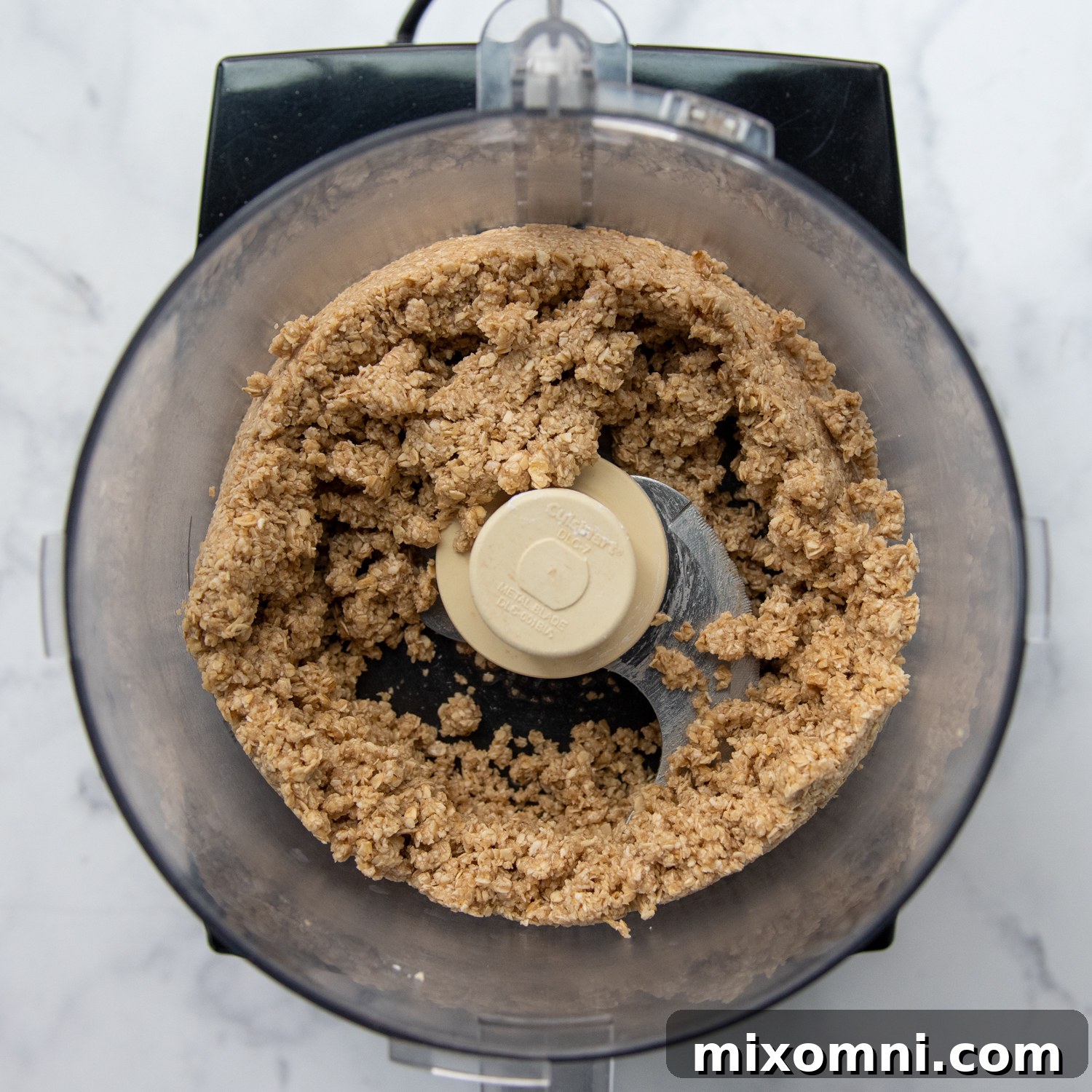
Next, pour the melted butter into the food processor with the dry ingredients. Pulse again until the mixture comes together, becoming evenly combined and forming small clumps. The texture should resemble wet sand and hold together when pressed. This is your oatmeal crust, ready in mere minutes!
2. Press & Bake (or Pre-Bake)
Transfer the oat mixture into a 9-inch pie dish. Using the back of a measuring cup or your fingers, press the mixture firmly and evenly onto the bottom and up the sides of the dish. Apply firm, consistent pressure to ensure the crust is compact and holds its shape. For best results and a crispier bottom, especially with baked fillings, consider using a metal pie plate.
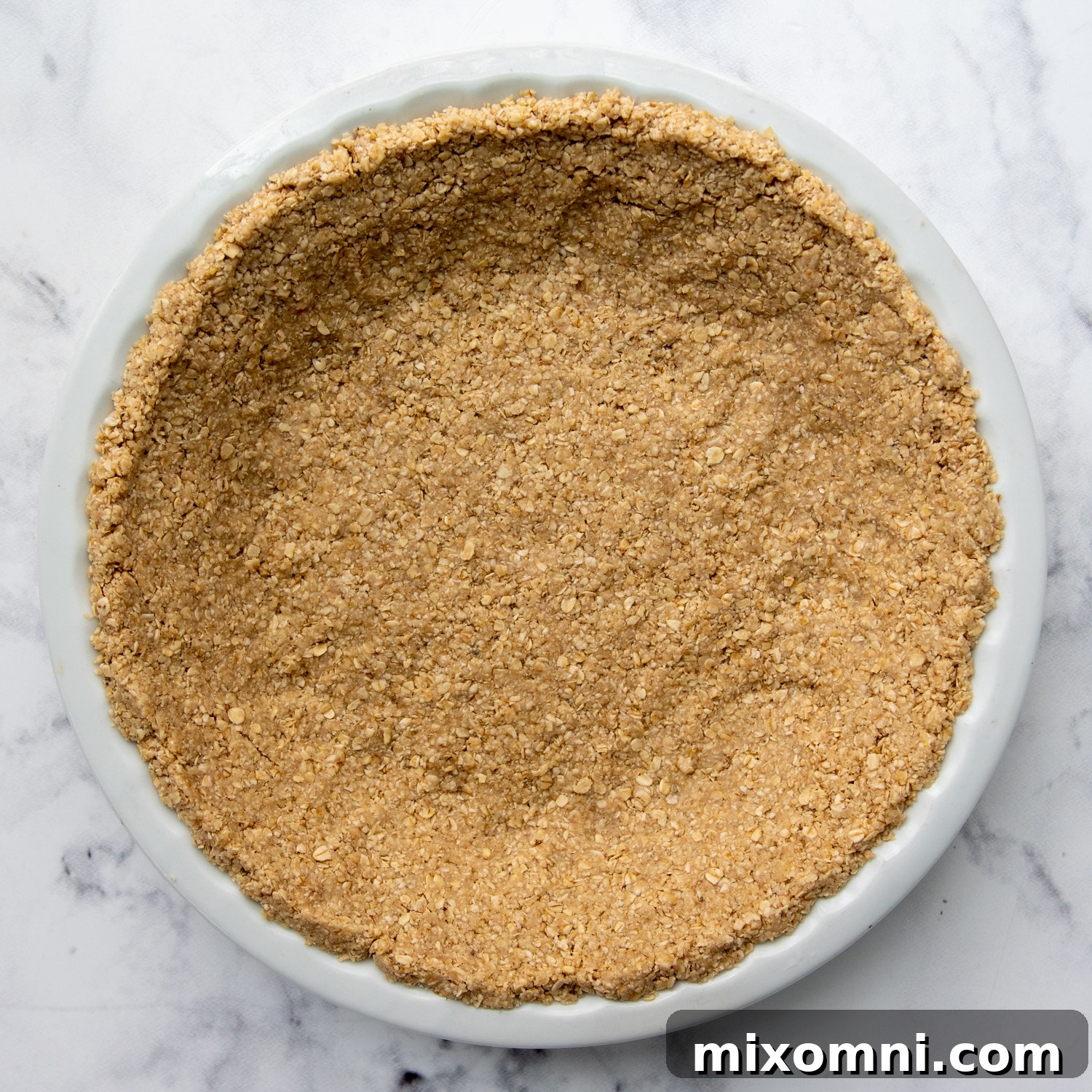
For no-bake fillings: Preheat your oven to 350°F (175°C). Bake the pressed crust for 18 minutes, or until it’s golden brown and fully set. Once baked, let it cool completely before adding your unbaked filling.
For baked fillings (that will be baked with the pie): Preheat your oven to 350°F (175°C). Bake the crust for just 5 minutes to par-bake it. Then, remove it from the oven, add your pie filling, and continue baking according to your pie recipe’s instructions. For optimal crispiness, bake on the lowest oven rack.
What Kind Of Fillings Work Best with an Oatmeal Crust?
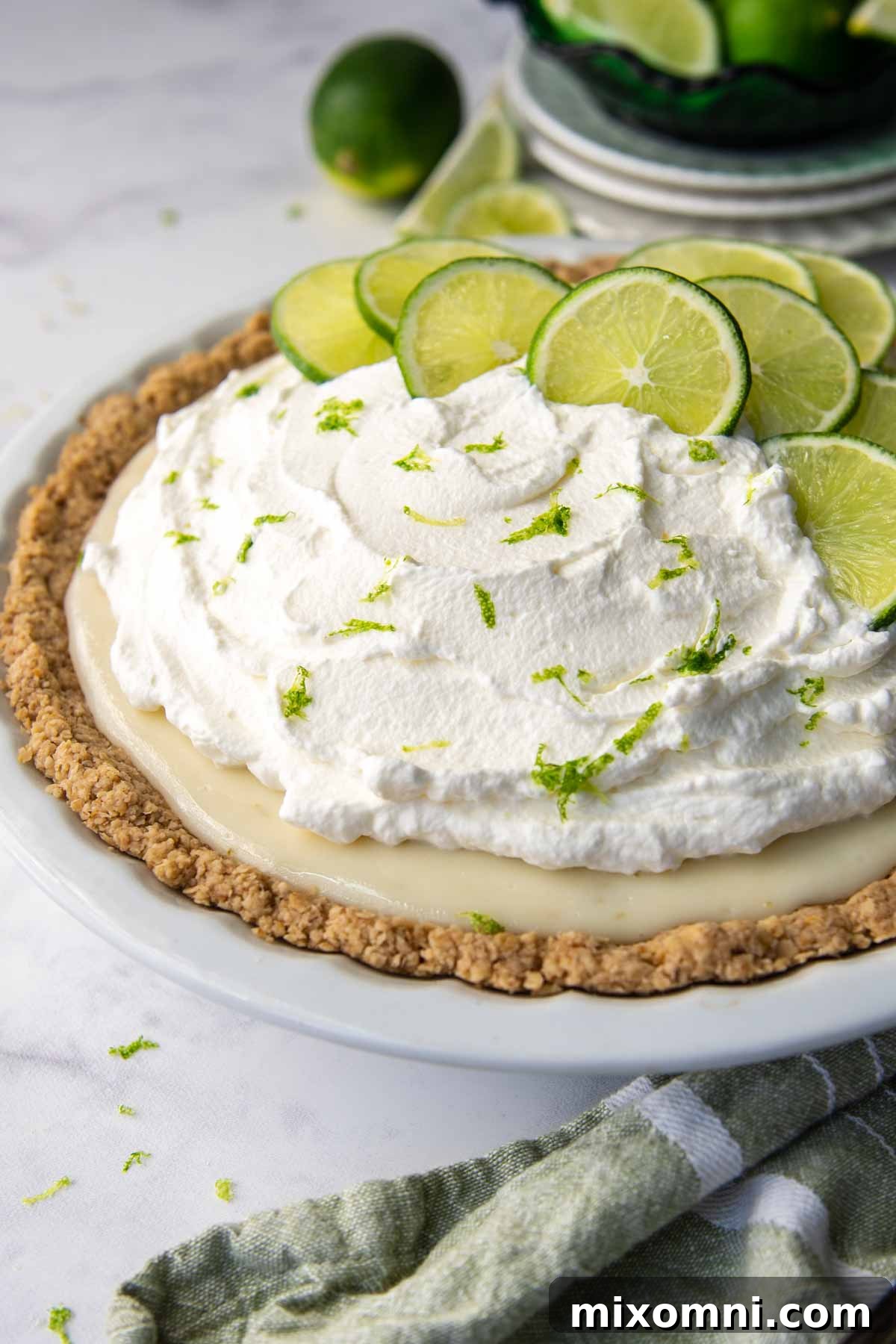
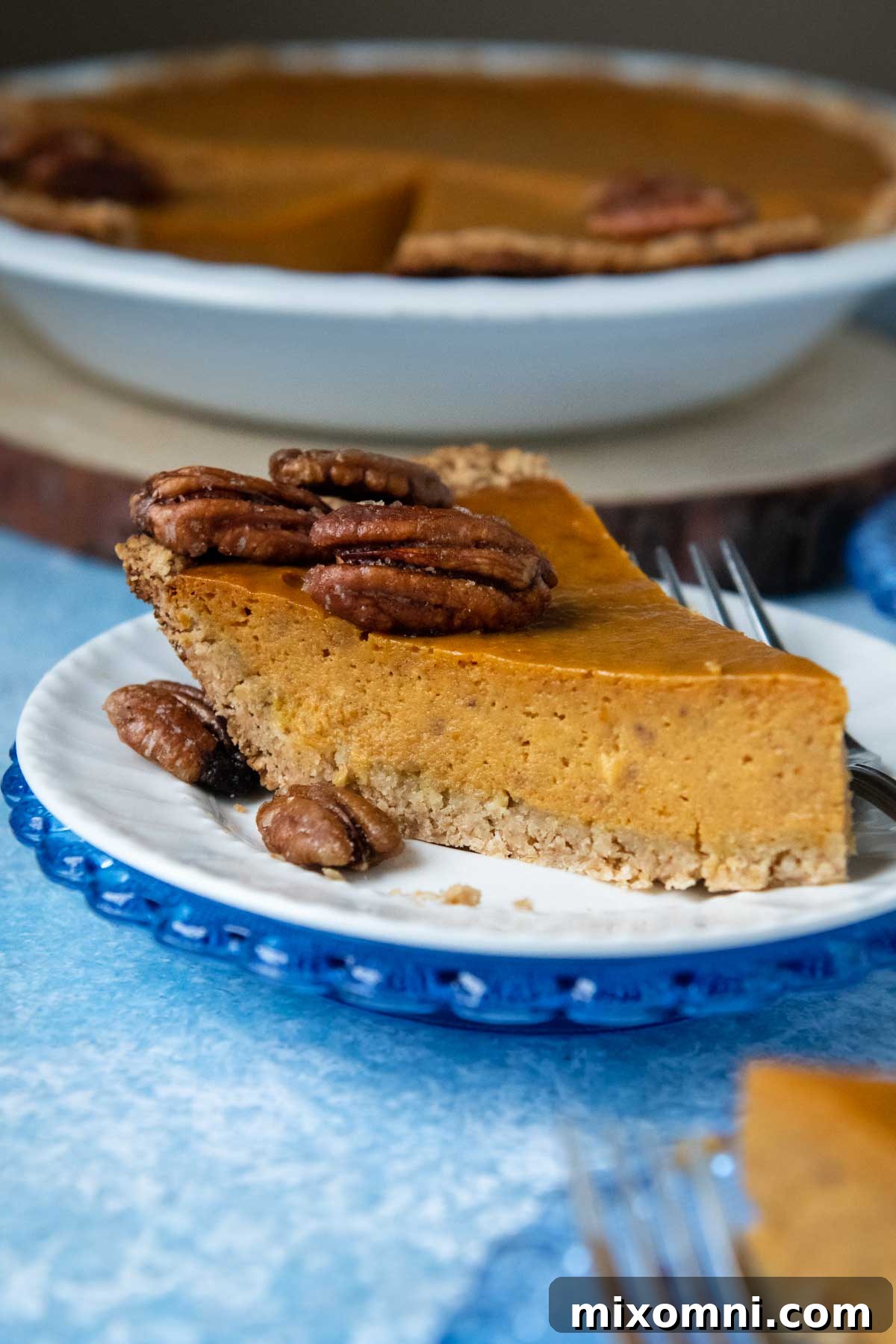
This versatile oatmeal pie crust is an excellent choice for a wide array of pie fillings, equally excelling with both baked and no-bake recipes. I’ve personally tested this recipe with beloved classics like traditional pumpkin pie, and no-bake favorites such as rich gluten-free cheesecake, our family’s adored gluten-free key lime pie, and the decadent chocolate peanut butter pie. Fortunately, this crust performs exceptionally well with all of them. Essentially, if a pie filling typically pairs well with a graham cracker crust, this oatmeal version makes a fantastic and often healthier substitute.
For unbaked fillings, such as creamy cheesecakes or custards that set without further baking, simply pre-bake your oatmeal crust for 18 minutes until fully set and golden. Allow it to cool completely before adding your filling. This ensures a crisp base that won’t become soggy. Examples include:
- No-bake cheesecakes
- Key lime pie
- Chocolate mousse pies
- Fresh fruit tarts with custard fillings
For baked fillings, like pumpkin, apple, or pecan pies, partially bake the crust for 5 minutes before adding your filling. Then, bake the entire pie according to the filling’s specific instructions. To prevent the exposed edges of the crust from over-browning during longer baking times, a pie shield can be incredibly useful. While baked fillings might result in a slightly softer bottom crust compared to traditional flour crusts, rest assured it will still hold up beautifully for clean slicing and serving. For the best possible outcome with baked fillings, always bake your pie on the lowest rack of your oven and ideally use a metal pie plate, which conducts heat more efficiently for a crisper base.
Examples of baked pies that thrive with an oatmeal crust:
- Pumpkin pie
- Apple pie
- Pecan pie
- Sweet potato pie
Tips for a Flawless Oatmeal Pie Crust
Achieving a perfect oatmeal pie crust every time is simple with these helpful tips:
- Food Processor for Best Texture: While you can mix by hand, a food processor is highly recommended. It grinds the oats more uniformly and incorporates the butter thoroughly, leading to a more cohesive and less crumbly crust.
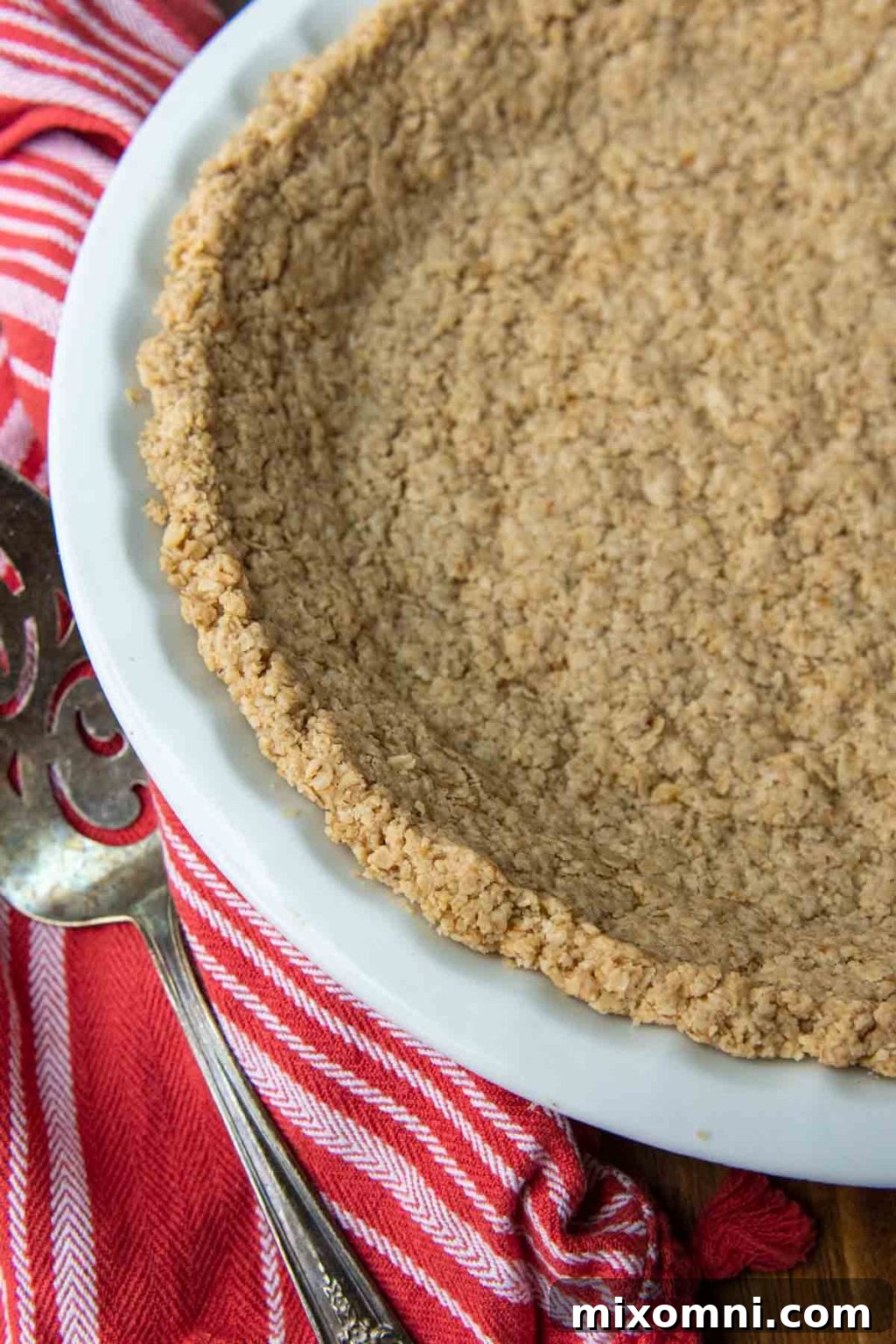
- Press Firmly: The key to a sturdy crust is firm and even pressing. Use the flat bottom of a measuring cup to compress the mixture onto the bottom and up the sides of the pie plate. This prevents the crust from falling apart when sliced.
- Prevent Puffing: If your crust tends to puff up during baking, especially for fully baked crusts, gently press it back down with the back of a spoon or measuring cup immediately after removing it from the oven. This helps maintain a flat base for your filling.
- Metal vs. Glass Pie Plates: For crisper crusts, particularly with baked fillings, metal pie plates are often superior as they conduct heat more efficiently to the bottom of the crust. If using a glass dish, a light spray of nonstick cooking spray can aid in easier removal.
- Storage: An unbaked crust can be covered tightly with plastic wrap and refrigerated for up to 3 days, or frozen for up to 1 month. A baked and cooled crust can be stored at room temperature for 2-3 days or frozen for up to 3 months (wrap tightly before freezing).
- Adjusting Sweetness and Spice: Feel free to adjust the amount of powdered sugar to suit your taste, especially if your filling is very sweet or tart. You can also experiment with other spices like a pinch of nutmeg or ginger, depending on the flavor profile of your pie.
Save This Easy Recipe to Your Pinterest Board!
Let’s be friends on Pinterest! I’m always sharing great recipes and baking tips!
Did you make this recipe? I love hearing from you! Leave a star rating and comment below the recipe card. Your feedback helps others discover and enjoy these recipes, and I always make sure to respond! -Melissa
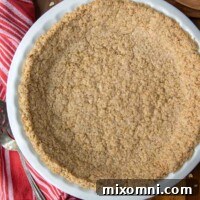
5-Minute Easy Oatmeal Pie Crust (Gluten-Free)

Melissa Erdelac
8 servings
5 minutes
18 minutes
23 minutes
Pin Recipe
Rate & Comment
Ingredients
- 2 cups quick-cooking oats, use certified gluten-free for a gluten-free crust
- ½ cup powdered sugar
- ¼ teaspoon cinnamon
- ¼ teaspoon salt
- ½ cup unsalted butter, melted (or vegan butter/coconut oil for dairy-free)
Equipment
-
9-inch Pie Plate
-
Pie Shield (optional, for baked pies)
-
Food Processor (recommended)
Instructions
-
Preheat your oven to 350ºF (175°C).
-
Place the oats, powdered sugar, cinnamon, and salt in a food processor. Pulse a few times to finely grind the oats and combine all dry ingredients.
-
Add the melted butter to the food processor. Process until the mixture is well combined and starts to clump together, which usually takes about 20-30 seconds. The texture should resemble wet sand and hold its shape when squeezed.
-
Transfer the mixture to a 9-inch pie dish. Press firmly and evenly onto the bottom and up the sides of the dish using the back of a measuring cup or your fingers. Ensure the crust is compact and uniform.
-
For a fully baked crust (for no-bake fillings): Bake the crust for 18 minutes, or until it is golden brown and set. If the crust puffs up during baking, gently flatten it with a measuring cup immediately after removing it from the oven. Let it cool completely before adding your filling.
-
To fill with an unbaked filling (for pies that will be baked): Bake the crust for 5 minutes to par-bake it. Remove from the oven, add your pie filling, and then bake according to your pie recipe’s instructions. For the best crispy bottom, bake the pie on the lowest oven rack. Consider using a pie shield to protect the edges if baking for a long time.
Notes
Making Without a Food Processor
If you don’t have a food processor, simply mix all the ingredients thoroughly in a bowl. For best results, use quick-cooking oats or finely chop old-fashioned oats before mixing. While the crust will still be delicious, it might be slightly more crumbly upon cutting, as the food processor does a better job of creating a tightly bound mixture.
Recipe adapted from Allrecipes.
Nutrition Information
(Per serving, approximate values)
- Calories: 205 kcal
- Carbohydrates: 21g
- Protein: 3g
- Fat: 13g
- Saturated Fat: 8g
- Trans Fat: 1g
- Cholesterol: 31mg
- Sodium: 175mg
- Potassium: 75mg
- Fiber: 2g
- Sugar: 8g
- Vitamin A: 355IU
- Vitamin C: 1mg
- Calcium: 14mg
- Iron: 1mg
Did you try this amazing oatmeal pie crust recipe? Please leave a star rating and review below. Your feedback is invaluable to me and helps others discover these delicious recipes!