
The Ultimate Juicy Gluten-Free Meatloaf Recipe (Just Like Mom Used to Make!)
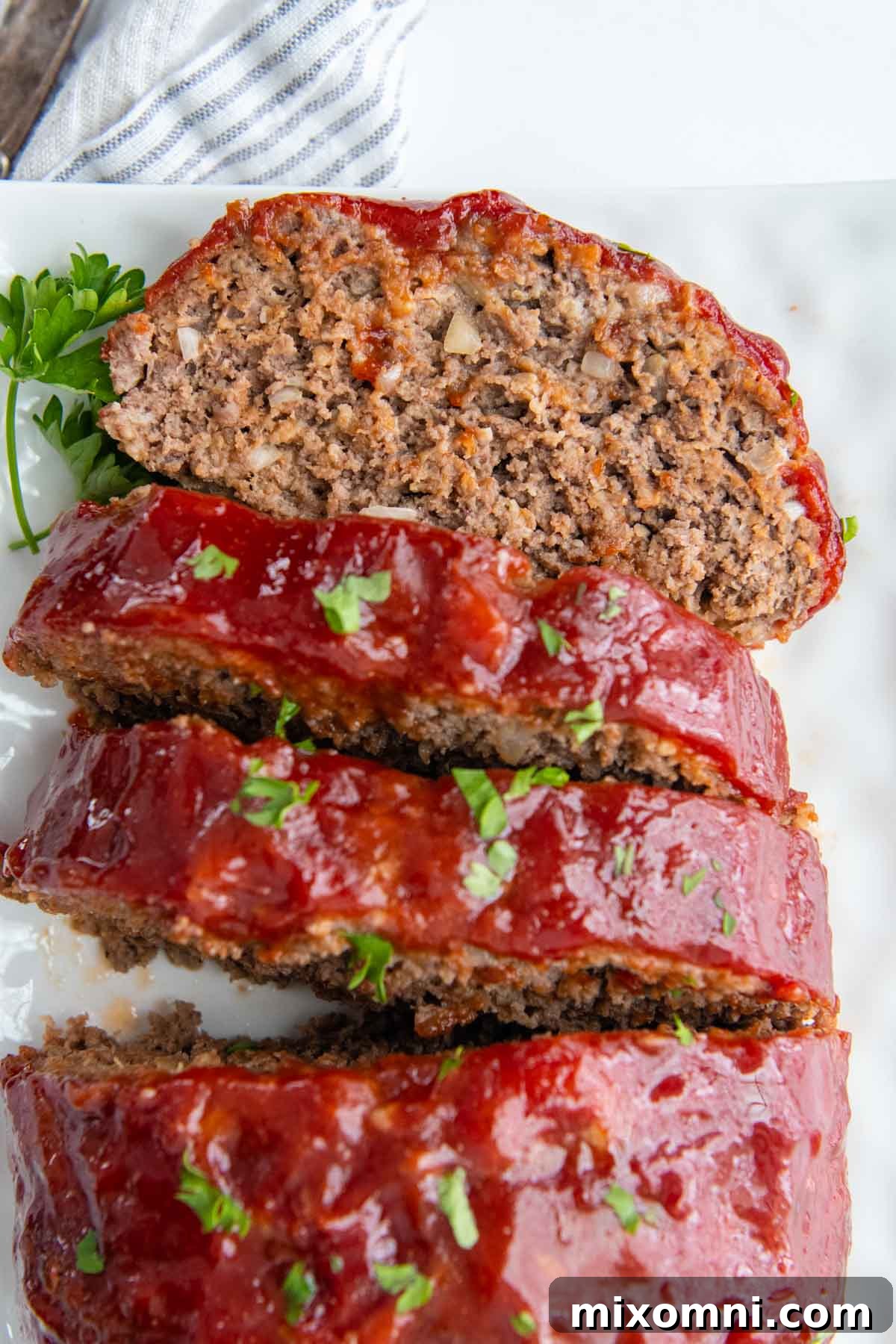
Prepare to rediscover a beloved classic with the best gluten-free meatloaf recipe you’ll ever taste. This dish perfectly captures the comforting, old-fashioned flavor and juicy texture reminiscent of your childhood, all while being completely gluten-free and dairy-free. Forget complicated substitutions; our secret lies in using simple, wholesome gluten-free oats as a binder, creating an incredibly tender loaf without relying on traditional breadcrumbs. Topped with a rich, tangy, and irresistibly sticky glaze, this meatloaf delivers that quintessential family dinner taste at its absolute finest. It’s time to bring back Meatloaf Monday, and you won’t need any special or expensive ingredients to create a gluten-free ground beef meatloaf that’s every bit as good, if not better, than Mom’s!
Why This Easy Gluten-Free Meatloaf Recipe with Oats is a Game Changer
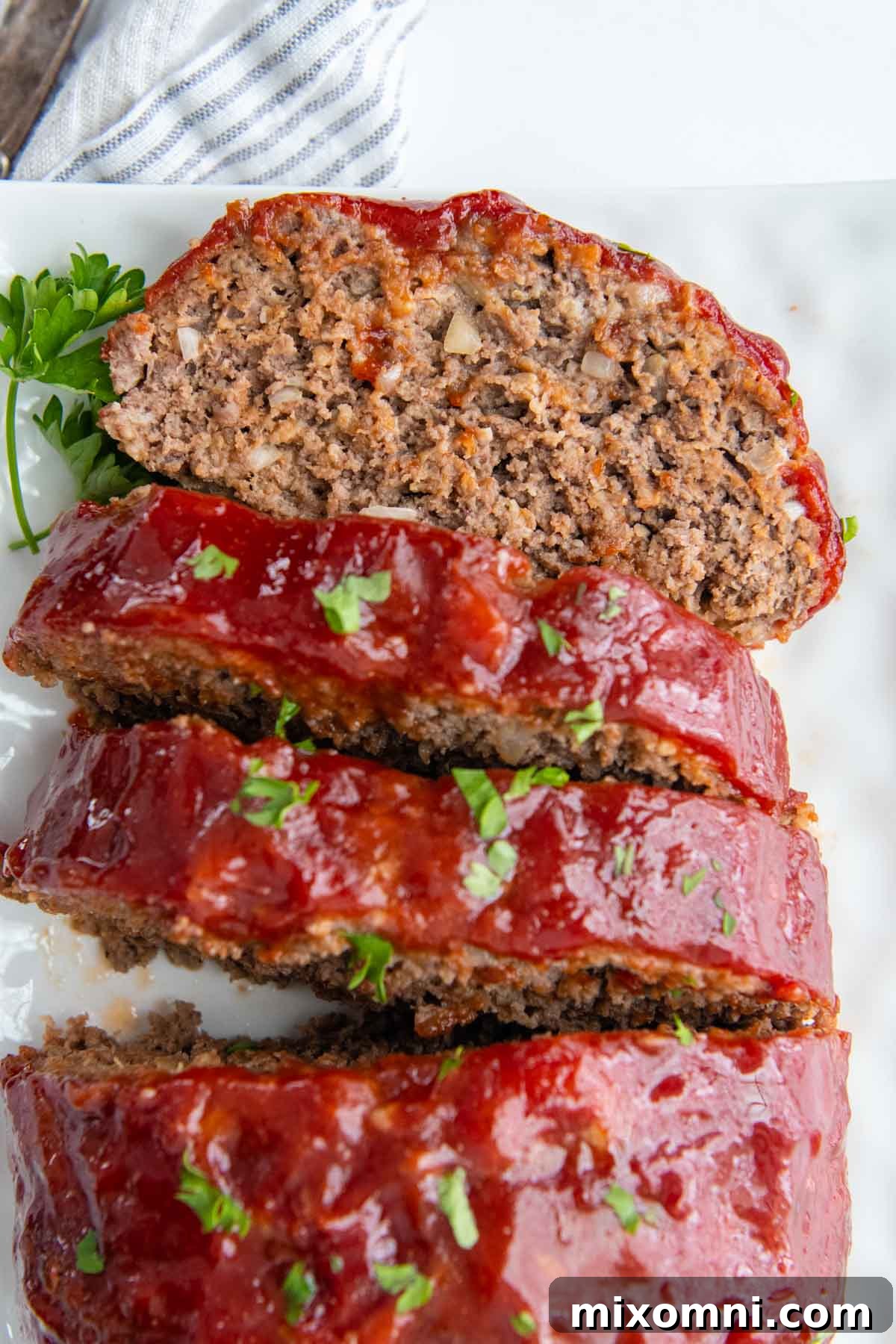
Creating a truly delicious meatloaf with a traditional, homemade flavor doesn’t have to be a gluten-filled affair. Our recipe makes the best gluten-free meatloaf with oats, offering an incredibly affordable and flavorful way to enjoy ground beef meatloaf without the need for breadcrumbs. It’s crucial to never miss out on classic comfort foods, especially one as universally loved as meatloaf. This recipe stands proudly alongside other gluten-free favorites, like gloriously creamy gluten-free mac and cheese, proving that dietary restrictions don’t mean sacrificing taste.
Many assume that making a great gluten-free meatloaf simply involves swapping out regular breadcrumbs for a gluten-free version. While this can work, I’ve found that using oats offers distinct advantages. Firstly, quick-cooking or rolled oats are a pantry staple for many, including myself. This means no special trip to the store for pricey gluten-free bread or ready-made breadcrumbs. I constantly explore accessible ingredients for my complete gluten-free dinner recipe collection, and oats quickly became a favorite for their versatility and effectiveness.
Beyond convenience, oats are an exceptional binder, providing a neutral, wholesome flavor that allows the savory notes of the meatloaf to shine. Traditional breadcrumbs offer binding power, but many gluten-free breadcrumb alternatives can fall short, sometimes resulting in a crumbly or dry loaf. Oats consistently deliver on binding without compromising on moisture or texture. Their ability to absorb moisture helps keep the meatloaf incredibly juicy, preventing it from drying out during baking. This reliability extends to other ground meat recipes too, working wonders in marry-me gluten-free chicken meatballs and even juicy Salisbury steaks made gluten-free.
I haven’t had meatloaf in about 20 years due to my celiac disease. This was an amazing dish. Tasty and hearty. My husband (not GF) told me I have to make this at least once a week.
—Sandra
Best meatloaf, period. I can eat it and don’t worry that everyone else won’t like it as well. Delicious in every way.
—Janine
Watch The Recipe Video
Let’s Make This Together! Step-by-Step Guide
Follow these detailed steps, complete with photos, to achieve the perfect gluten-free meatloaf. For precise ingredient amounts, please scroll down to the full recipe card.
Prepare and Shape the Meatloaf Mixture
Start by grabbing a large mixing bowl. Lightly whisk your eggs in it first – this helps ensure they are evenly distributed throughout the mixture. Next, add all the other meatloaf ingredients: ground beef, gluten-free oats, ketchup, finely chopped onion, gluten-free Worcestershire sauce, salt, and pepper. While you can attempt to mix with a wooden spoon, you’ll likely find it much more efficient and effective to just dive in with your hands. This allows for thorough mixing without over-compressing the meat, which is key for a tender result.
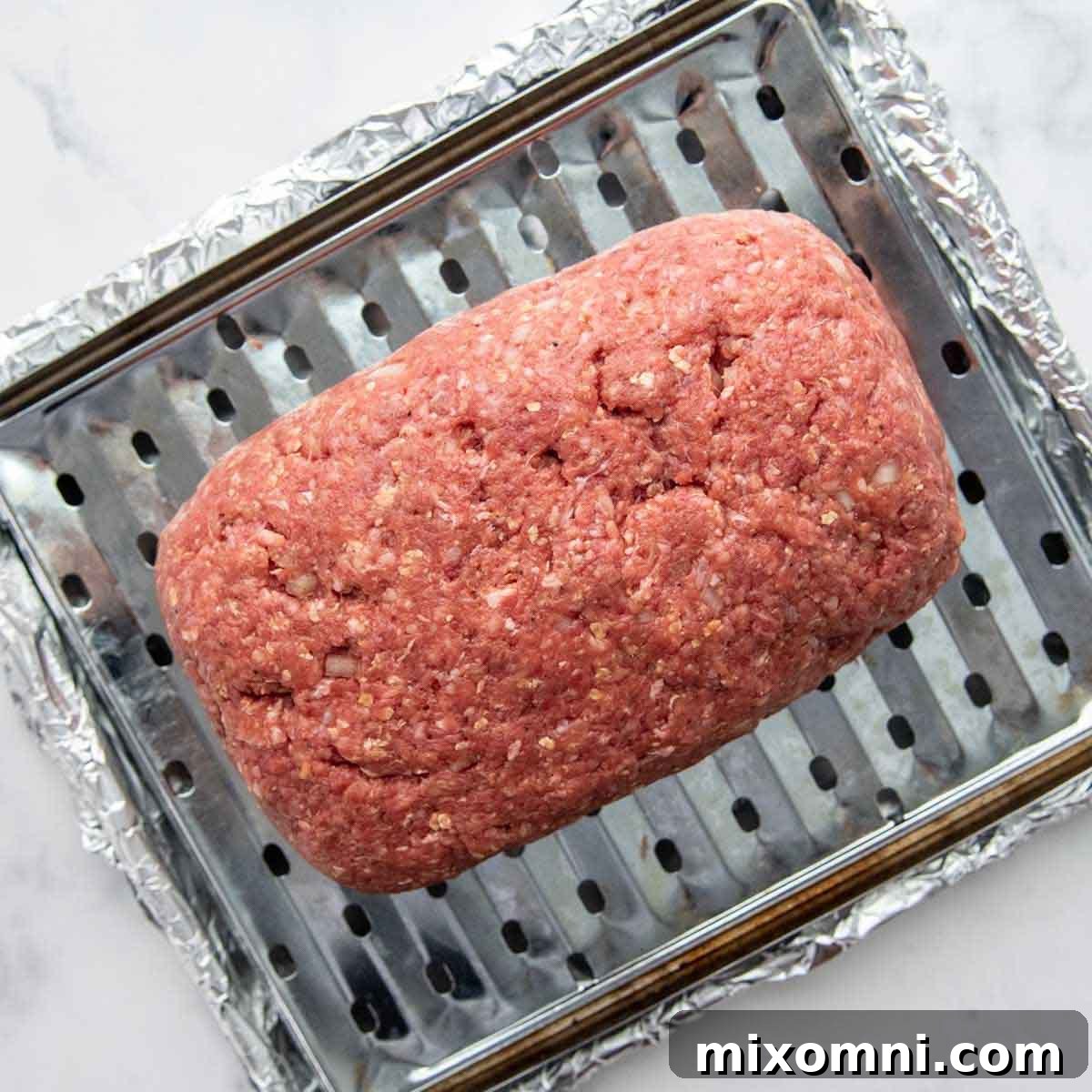
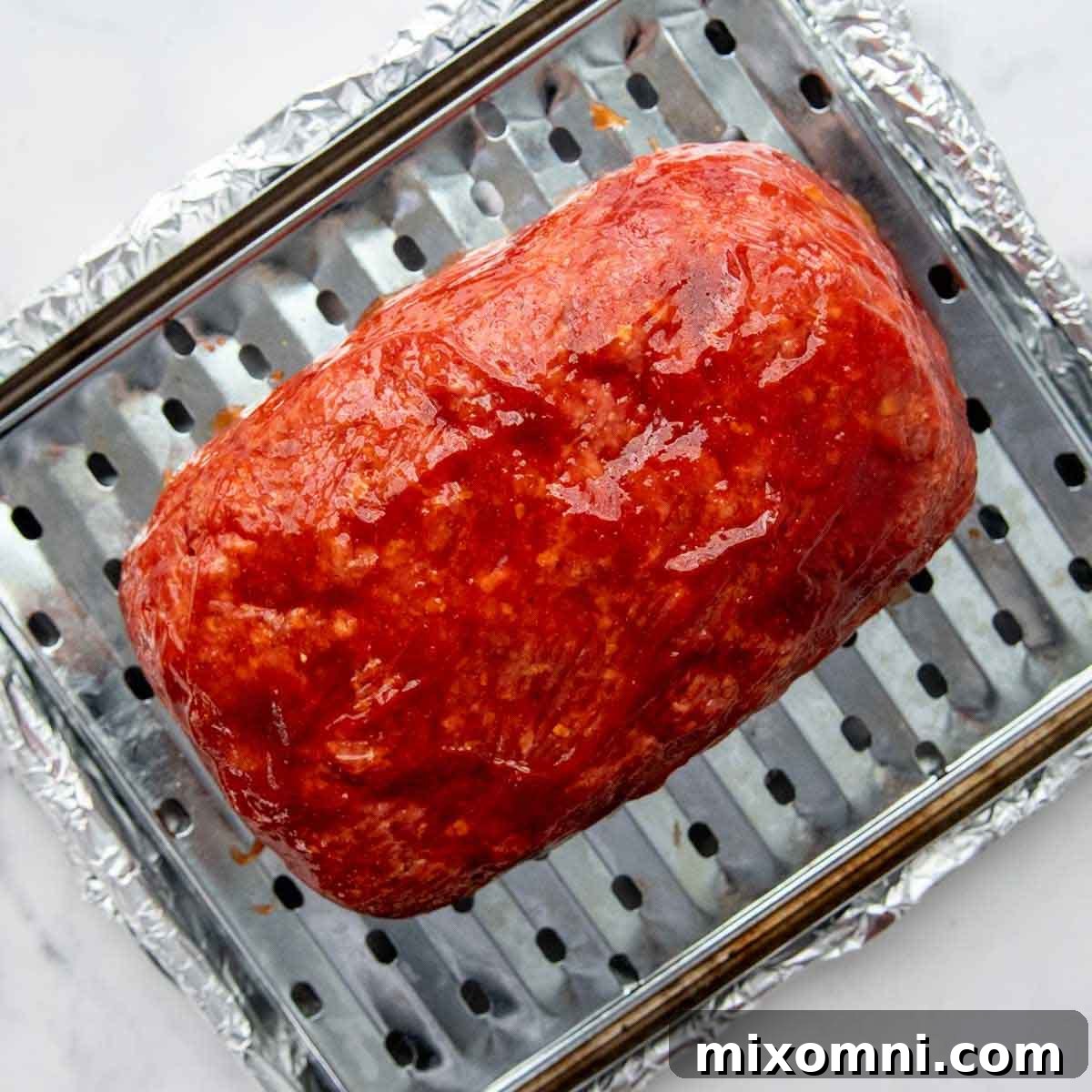
When it comes to baking, you have a few options. My preferred setup, as pictured below, involves lining a small baking pan with foil to easily catch any drips and then placing the shaped loaf on a small broiler pan. This elevated setup allows fat to drain away, contributing to a juicier meatloaf with a nicely browned crust. If you don’t have a broiler pan, a regular baking sheet lined with foil or parchment paper works well.
Crafting the On-Point Sweet and Tangy Glaze
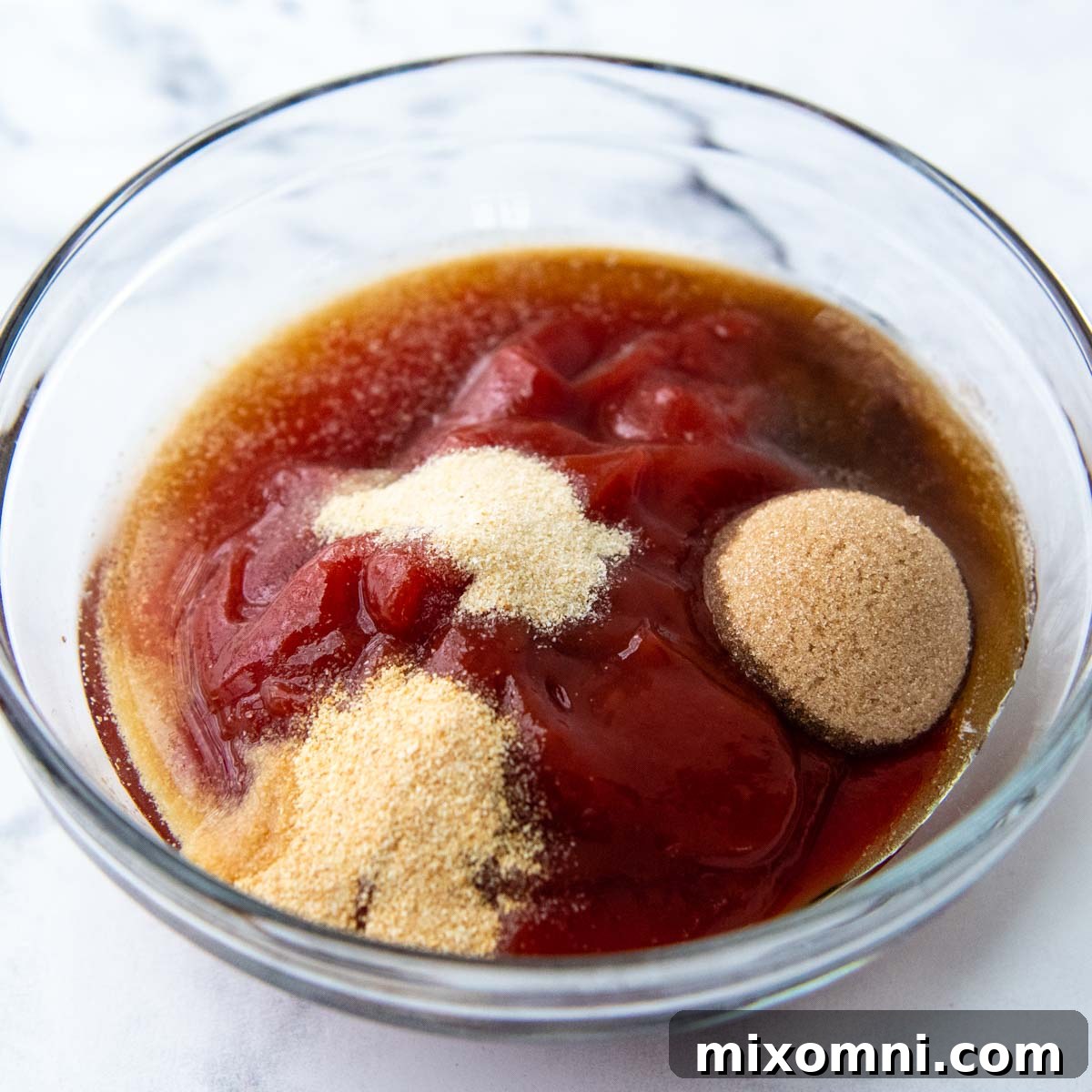
The glaze is what truly elevates this meatloaf, delivering that irresistible sweet and tangy combination you remember from classic recipes. Our standard glaze perfectly balances these flavors, but don’t hesitate to make it your own! Many readers have shared fantastic ideas in the comments below: some prefer less sugar for a more savory profile, others add a splash of balsamic vinegar for depth, or a hint of spice for a subtle kick. All these variations sound incredible, so feel free to experiment and add your unique touch!
The Art of the Perfect Bake
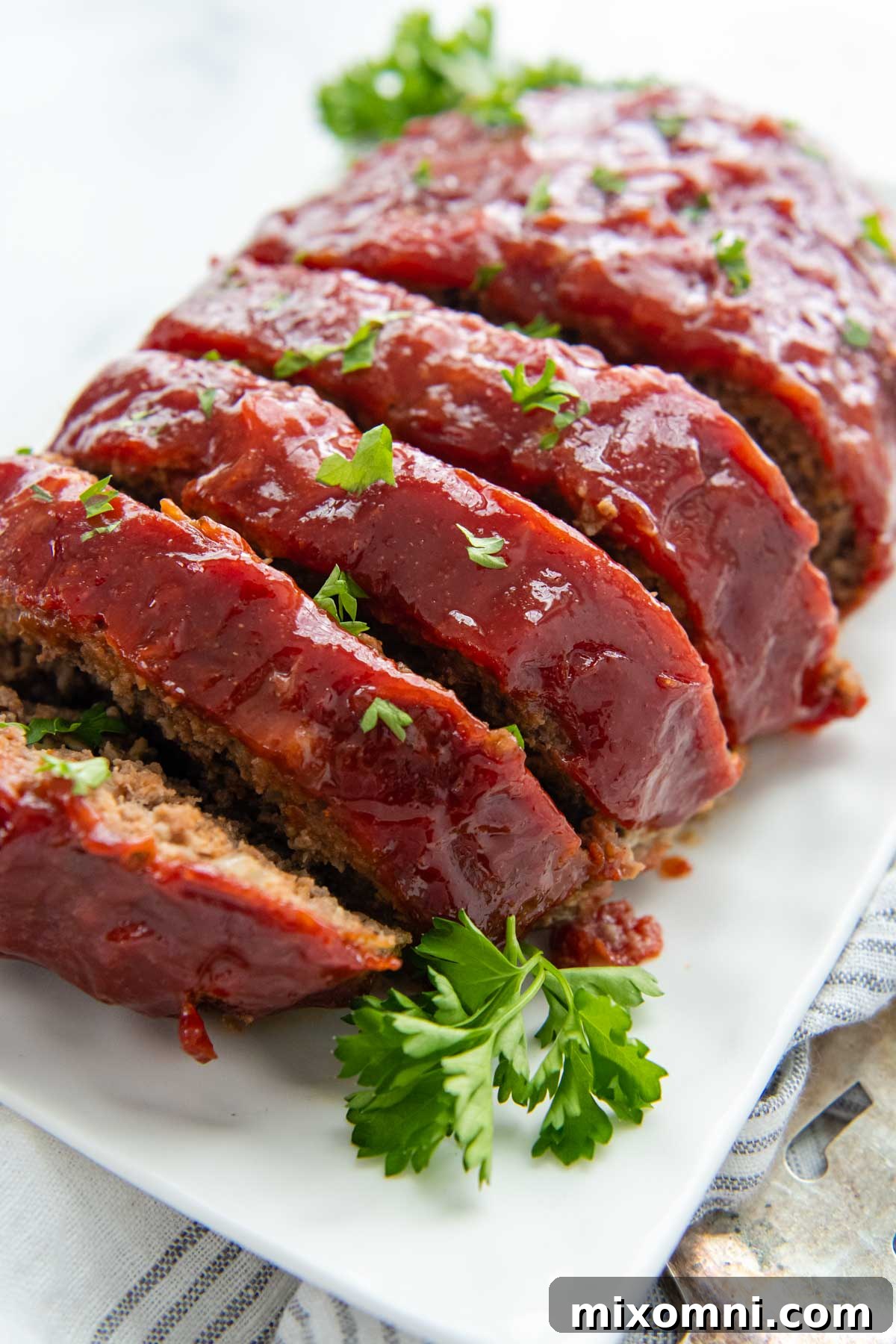
Achieving that essential sticky, caramelized glaze requires a specific baking method. First, preheat your oven to 350ºF. Once your meatloaf is shaped and placed on the prepared pan, brush about one-third of the delicious glaze evenly over the top and sides. Bake for an initial 45 minutes. This first bake allows the meatloaf to begin cooking through while the first layer of glaze sets. After 45 minutes, increase the oven temperature to 400ºF. Carefully remove the meatloaf from the oven and apply the remaining glaze, brushing it generously over the entire surface. Return the meatloaf to the hotter oven and continue baking for another 20 minutes, or until the internal temperature reaches a safe 160ºF. Using an instant-read thermometer is highly recommended for accuracy. Finally, and this is a crucial step for sealing in all those yummy juices, let the meatloaf rest for 10 minutes before slicing and serving. This resting period allows the juices to redistribute, ensuring every slice is incredibly moist and flavorful.
Smart GF Substitutes for Bread Crumbs in Meatloaf
While our recipe champions gluten-free oats for their superior binding and texture, we understand that oats might not always be on hand, or perhaps you have an intolerance. The good news is there are several excellent gluten-free alternatives that can be used to bind your meatloaf without compromising flavor or moisture:
- Almond Flour: A fantastic low-carb and gluten-free option, almond flour provides a delicate texture and helps absorb moisture, keeping the meatloaf tender. Use it in equal measure to oats.
- Quick-Cooking or Rolled Oats (Certified Gluten-Free): As highlighted, these are our top choice! Always ensure they are certified gluten-free to avoid cross-contamination for those with celiac disease or severe gluten sensitivities.
- Crushed Gluten-Free Cereal: Simple, unsweetened gluten-free cereals like corn or rice Chex, when crushed, can act as an excellent binder. They offer a neutral flavor and a light texture.
- Potato Flakes (Instant Mashed Potato Flakes): These are surprisingly effective binders. Potato flakes absorb liquid beautifully, contributing to a very moist and tender meatloaf. They are a great pantry staple for quick meals and gluten-free baking.
- Gluten-Free Crackers: Finely crushed gluten-free crackers can add a savory depth and textural interest to your meatloaf. Opt for plain or lightly seasoned varieties to complement the meatloaf’s flavor.
Want to use something besides ketchup for the glaze or looking to cut back on the sweetness? No problem! You have a wide array of options to customize your meatloaf glaze. You can swap out an equal amount of BBQ sauce for a smoky twist, tomato sauce or marinara for a richer, more Italian-inspired flavor, chili sauce for a subtle kick, or even salsa for a Tex-Mex flair. Don’t forget to check out the comments below, where many readers have generously shared their own unique and delicious glaze combinations!
Bonus Tips and Tricks To Remember for Perfect Meatloaf
- Onion Preparation: Love onions but dislike their raw bite? Finely chop them to ensure they cook down completely and meld seamlessly with the meatloaf’s flavors. For an even milder taste, you can quickly sauté the onions before mixing them in. If you enjoy the distinct texture and flavor of raw onion, feel free to chop them into slightly larger pieces.
- Avoid Over-Mixing: This is crucial for a tender meatloaf. Mix just until all ingredients are combined. Over-mixing can compress the meat fibers, resulting in a tough, dense texture rather than a light and juicy one. Handle the mixture gently as you shape it.
- Gentle Shaping: When shaping the meatloaf, aim for a consistent thickness throughout. This ensures even cooking, preventing the edges from overcooking and drying out while the center is still reaching temperature. Avoid pressing it too firmly. You want it to hold its shape, but not be overly compact.
- Easy Cleanup: To make post-dinner cleanup a breeze, always line your baking pan with aluminum foil or parchment paper. This simple step catches any drips and cooked-off juices, saving you from scrubbing sticky residue.
- The Importance of Resting: Just like a perfectly cooked steak, meatloaf benefits immensely from a resting period. Allowing the meatloaf to rest for at least 10 minutes after baking allows the internal juices to redistribute, ensuring a moist and flavorful slice every time. Skipping this step can lead to a drier, less satisfying result.
- Choosing Your Ground Beef: For the juiciest meatloaf, opt for ground beef that is 85% lean. While leaner options might seem healthier, the fat content in 85% lean beef contributes significantly to moisture and flavor, preventing the meatloaf from becoming dry.
Serving Suggestions for a Complete Meal
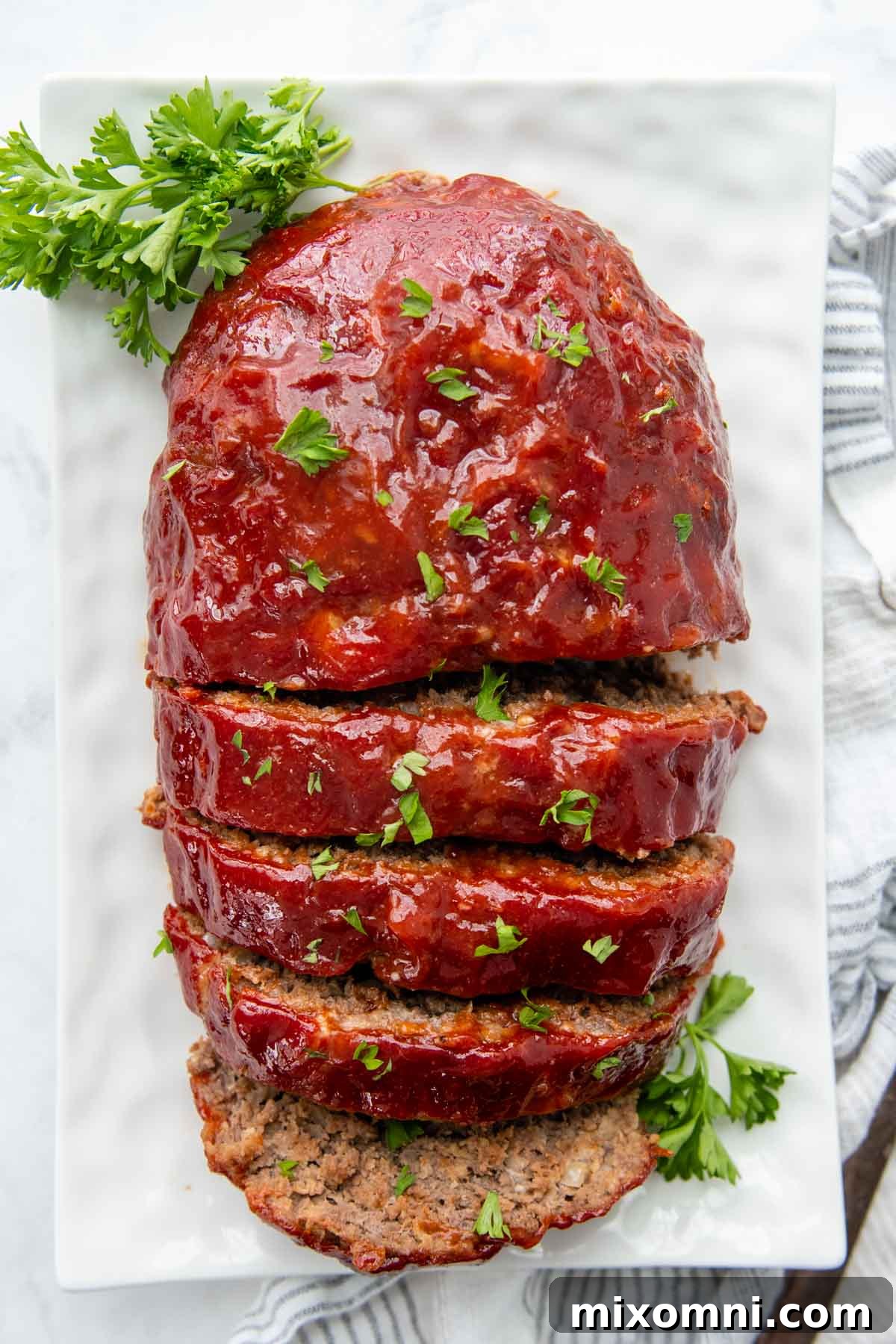
A classic meatloaf deserves classic accompaniments! For a truly satisfying gluten-free meal, pair your juicy meatloaf with some wholesome and delicious side dishes. Creamy mashed potatoes, whether traditional or a lighter cauliflower mash, are always a perfect match, soaking up all those savory meatloaf juices. Steamed or roasted green beans, asparagus, or broccoli provide a lovely fresh counterpoint and a boost of nutrients. A simple garden salad with a light vinaigrette adds brightness and crunch. Don’t forget a side of gluten-free gravy, if you like, made from the pan drippings for an extra layer of flavor. For a heartier option, consider serving it alongside roasted root vegetables like carrots and parsnips. Leftover meatloaf also makes fantastic sandwiches the next day!
Save This Recipe to Your Pinterest Board!
Let’s be friends on Pinterest! I’m always sharing great recipes!
Did you make this recipe? I love hearing from you! Leave a star rating and comment below the recipe card. It helps others when searching for recipes and I appreciate feedback from our community. You will always hear back from me! -Melissa
Juicy Gluten-Free Meatloaf (Taste Like Mom’s!)

Melissa Erdelac
8 servings
10 mins
1 hr 5 mins
1 hr 15 mins
Pin
Rate
Ingredients
Gluten-Free Meatloaf
- 2 large eggs
- ½ cup quick cooking oats, certified gluten-free
- ⅓ cup ketchup
- ⅓ cup onion, finely chopped
- 1 tablespoon Worcestershire sauce (ensure gluten-free, Lea & Perrins original is recommended)
- 1 teaspoon salt
- ½ teaspoon pepper
- 2 pounds 85% lean ground beef
Glaze
- ¾ cup ketchup
- 2 tablespoons brown sugar
- 2 teaspoons apple cider vinegar
- ½ teaspoon garlic powder
- ¼ teaspoon onion powder
Equipment
- Small Broiler Pan
- Gluten-Free Quick Oats
- Santoku Knife
Instructions
-
Preheat the oven to 350°F (175°C). Line the bottom of a smaller broiler pan with aluminum foil and place the insert on top. Alternatively, line a baking sheet or baking pan with foil and set aside.
-
In a large bowl, lightly whisk the eggs. Add the oats, ketchup, onion, Worcestershire sauce, salt, and pepper. Stir to combine, then add the ground beef and mix until well combined.
-
In a small bowl, mix together all the glaze ingredients: ketchup, brown sugar, apple cider vinegar, garlic powder, and onion powder.
-
Shape the meatloaf into a uniform loaf and place it on the prepared pan. Brush approximately one-third of the meatloaf glaze over the top and sides. Bake for 45 minutes.
-
After 45 minutes, increase the oven temperature to 400ºF (200°C). Remove the meatloaf from the oven and brush on the remaining glaze. Return to the oven and bake for an additional 20 minutes, or until the internal temperature reaches 160ºF (71°C). Let the meatloaf cool for 10 minutes before slicing and serving to seal in the juices.
Notes
Storing, Reheating, Make-Ahead, and Freezing Tips
Storing: After the meatloaf has cooled completely, store any leftovers in an airtight container and refrigerate for up to 3 days.
Reheating (Oven): To reheat in the oven, place leftover slices in an oven-safe baking dish. Sprinkle a touch of water or broth over them and cover tightly with foil. Bake in a 250ºF (120°C) oven for 20-30 minutes, or until thoroughly heated through.
Reheating (Microwave): For microwave reheating, it’s best to reheat individual slices rather than an unsliced loaf. Reheat at 50% power for 2-3 minutes, or until almost heated through, then finish at full power until hot.
Reheating (Stovetop): Alternatively, place a nonstick skillet over medium-low heat. Lightly grease the pan and heat slices for 3-4 minutes per side until warmed through and slightly caramelized.
Make-Ahead: The meatloaf mixture can be assembled and shaped up to 24 hours before baking. Wrap the loaf securely in plastic wrap and store the glaze separately in an airtight container in the refrigerator. When ready to bake, proceed with the instructions as written.
Freezing (Unbaked): Unbaked meatloaf can be frozen. Wrap the shaped loaf tightly in plastic wrap, then in foil, and freeze for up to 3 months. While it can be cooked from frozen (adding significant baking time), I recommend thawing it overnight in the refrigerator for faster cooking and to reduce the risk of it drying out.
Freezing (Baked Leftovers): Leftover baked meatloaf can also be frozen. Slice the meatloaf and wrap individual slices securely in plastic wrap. Transfer the wrapped slices to a ziplock freezer bag or airtight container and freeze for up to 3 months. Thaw slices overnight in the refrigerator and reheat using any of the methods listed above.
Calories:
332kcal
,
Carbohydrates:
16g
,
Protein:
24g
,
Fat:
18g
,
Saturated Fat:
7g
,
Polyunsaturated Fat:
1g
,
Monounsaturated Fat:
8g
,
Trans Fat:
1g
,
Cholesterol:
118mg
,
Sodium:
698mg
,
Potassium:
506mg
,
Fiber:
1g
,
Sugar:
11g
,
Vitamin A:
229IU
,
Vitamin C:
2mg
,
Calcium:
38mg
,
Iron:
3mg
Did you make this recipe?
Please leave a star rating and review below. It helps others when searching for recipes and I LOVE feedback!