
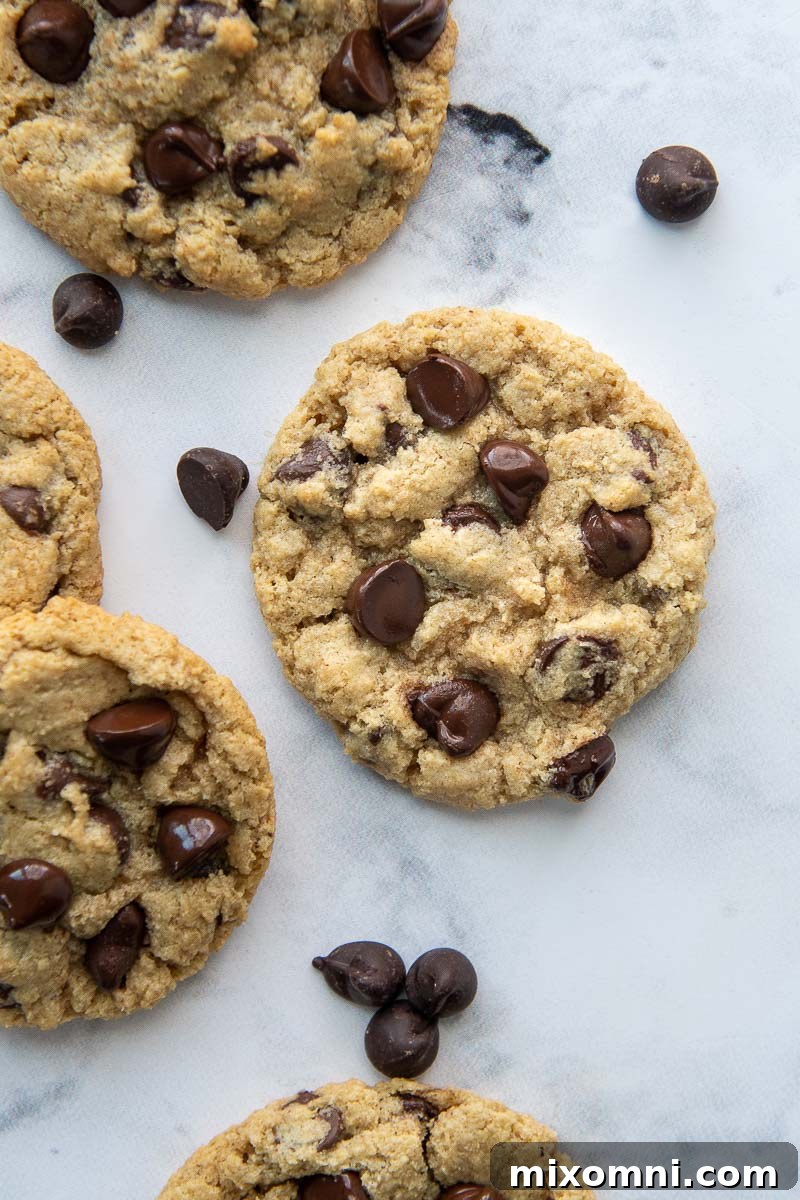
Irresistible Gluten-Free Chocolate Chip Oat Flour Cookies: Your New Favorite Recipe
Prepare for love at first bite with this incredibly easy oat flour chocolate chip cookie recipe. Just like the classic comfort food you remember, these cookies are wonderfully soft, delightfully chewy, and perfectly gooey, loaded with melted chocolate. What makes them even better? They’re entirely flourless, naturally gluten-free, and crafted using homemade oat flour – a simple, affordable alternative made from everyday rolled oats. Get ready to bake a batch that tastes just like the cherished cookies from childhood, but with a wholesome, gluten-free twist!
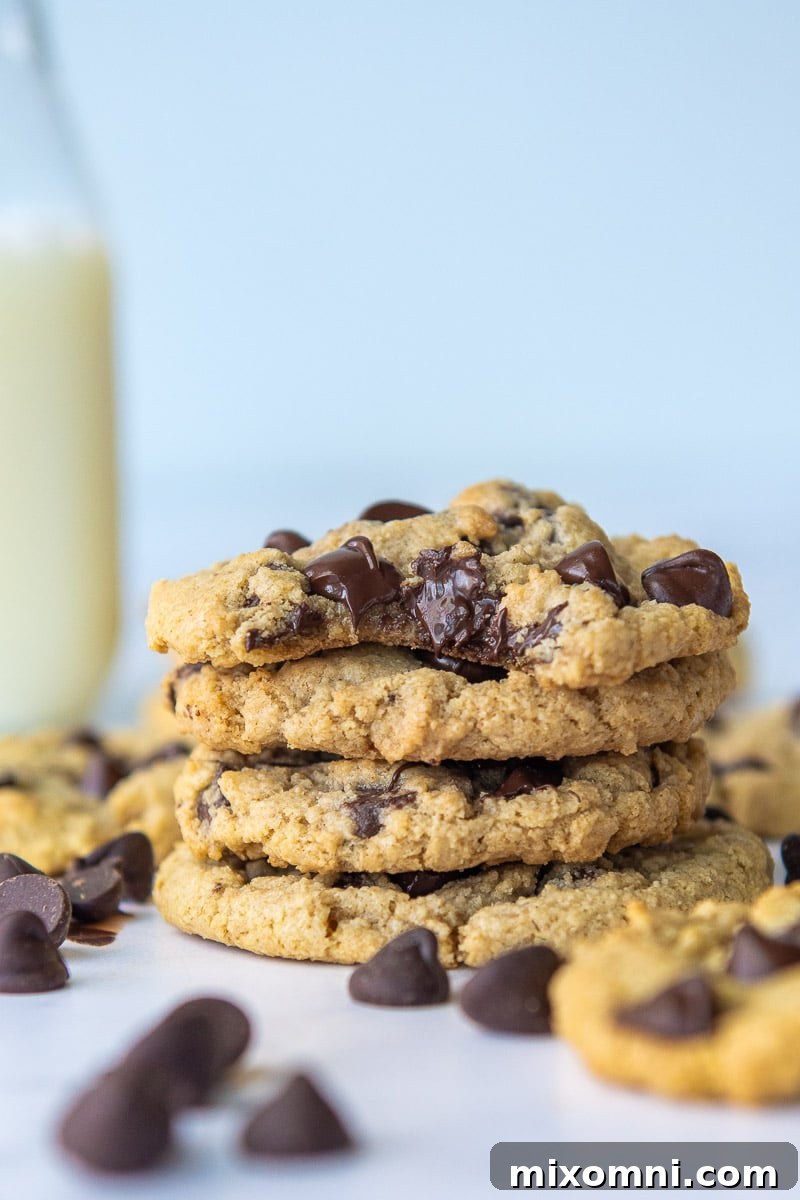
Effortlessly Delicious: The Magic of Homemade Oat Flour Cookies
Having explored numerous gluten-free oat flour recipes, I’ve honed simple baking techniques to transform beloved traditional baked goods into their naturally gluten-free counterparts, using nothing but oats! While I’ve developed new favorites like a rich yet fluffy chocolate oat flour cake or versatile savory oat tortillas perfect for wraps, these homemade chocolate chip oat flour cookies were the original inspiration that sparked my passion for oat-based baking. They consistently deliver that incredible classic cookie texture and flavor without any traditional wheat flour.
Certainly, there are countless ways to bake a delicious homemade cookie, but my preference for using only oats stems from their consistent availability in my pantry. A bag of old-fashioned rolled oats or quick-cooking oats is all you need to create fresh oat flour in mere minutes. This accessibility makes spontaneous baking sessions a breeze, ensuring that a warm batch of cookies is always within reach.
Beyond convenience, oat flour is also remarkably affordable, especially when you make it yourself. Grinding your own oats is significantly more budget-friendly than purchasing pre-made gluten-free flours such as 1-to-1 blends, almond flour, or coconut flour. What truly sets oat flour apart is its neutral flavor profile. It seamlessly blends into recipes without imparting any strong or off-putting aftertaste, allowing the other ingredients, like rich chocolate chips and sweet sugars, to truly shine.
I’m always enthusiastic about any flourless cookie recipe because they consistently yield fantastic results due to the simplicity and predictability of the ingredients. The absence of complex gluten structures often makes them more forgiving and easier to master. If you’re still not convinced of their ease and deliciousness, just wait until you see the straightforward method below – it’s truly a game-changer!
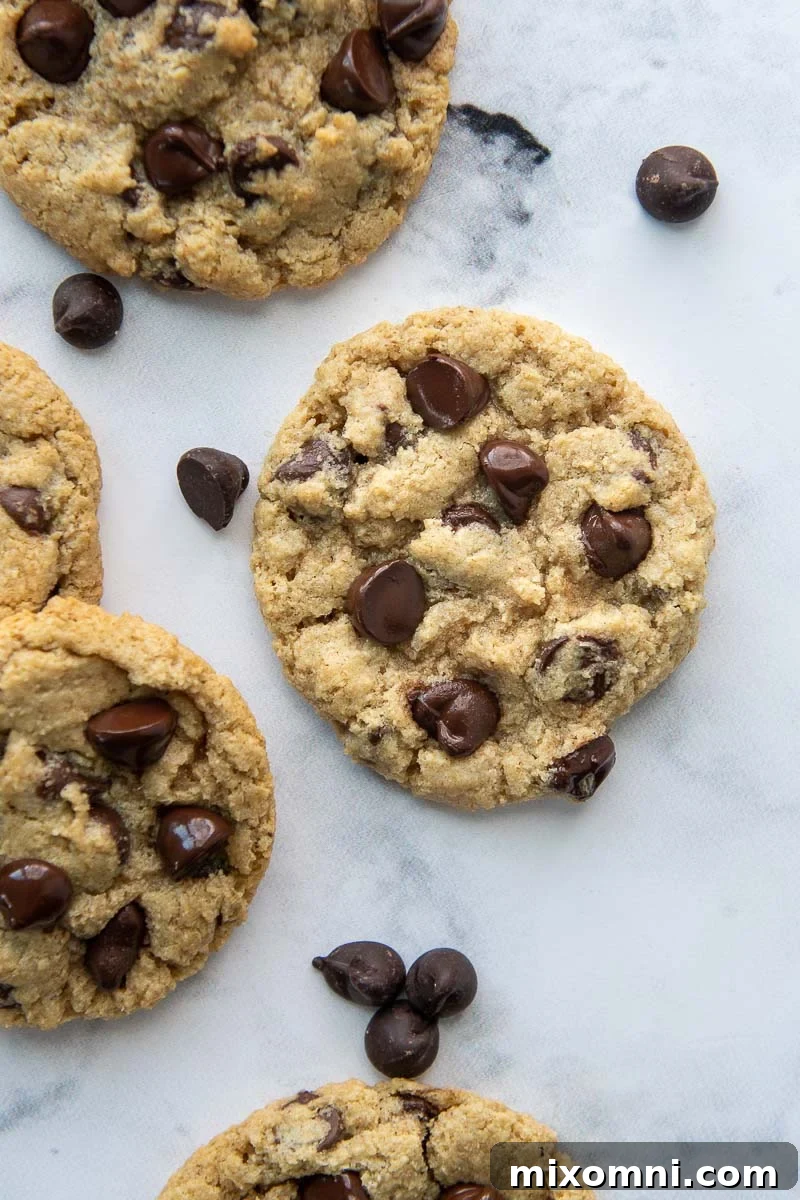
These chocolate chip cookies are absolutely delicious! They possess the perfect crispness and lightness. They baked up beautifully, with no unwanted spreading – simply perfection!
—Sherry
Essential Ingredients for Perfect Oat Flour Cookies
You won’t need any exotic ingredients for these cookies! Chances are, everything you require is already nestled in your kitchen pantry. This recipe champions simplicity and uses readily available staples to create something truly special.
- Oats: The star of our recipe! For the best results, use quick oats or old-fashioned rolled oats to blend into your flour. To ensure your cookies are completely gluten-free, always opt for gluten-free certified oats. This prevents cross-contamination often found in oats processed on shared equipment.
- Unsalted Butter: Softened butter is crucial for creaming properly with the sugars, creating a light and fluffy base. For a dairy-free version, simply substitute an equal amount of your favorite vegan butter stick.
- Sugars: A thoughtful combination of brown sugar and granulated sugar is key. Brown sugar contributes moisture and a delightful chewiness, along with a subtle caramel note, while granulated sugar aids in structure and a slight crispness on the edges. Feel free to adjust the sweetness by reducing the amount of sugar, or swap in coconut sugar for a more unrefined option if desired.
- Egg: Acts as a binder, helping to hold the cookies together and contributing to their tender texture.
- Vanilla Extract: A splash of good quality vanilla extract enhances all the flavors, adding warmth and depth to the chocolate and oats.
- Baking Soda: Our leavening agent! Baking soda reacts with the brown sugar (which is slightly acidic) to create lift and a wonderfully soft texture, preventing the cookies from becoming dense.
- Salt: Essential for balancing the sweetness and enhancing the flavors of the chocolate and oats. Don’t skip it!
- Chocolate Chips: The ultimate indulgence! Use your preference of milk chocolate or dark chocolate chips. For an extra gooey chocolate experience, consider a mix of semi-sweet and mini chips. If chocolate isn’t your preference, feel free to leave them out or substitute with raisins, nuts, or dairy-free baking chips for dietary needs.
Let’s Bake These Together: Step-by-Step Guide
Follow these detailed steps to create perfectly soft and chewy oat flour chocolate chip cookies. (While step-by-step photos are shown below, remember to scroll to the full recipe card at the bottom for precise ingredient amounts and complete instructions.)
1. Whiz Up Your Own Oat Flour
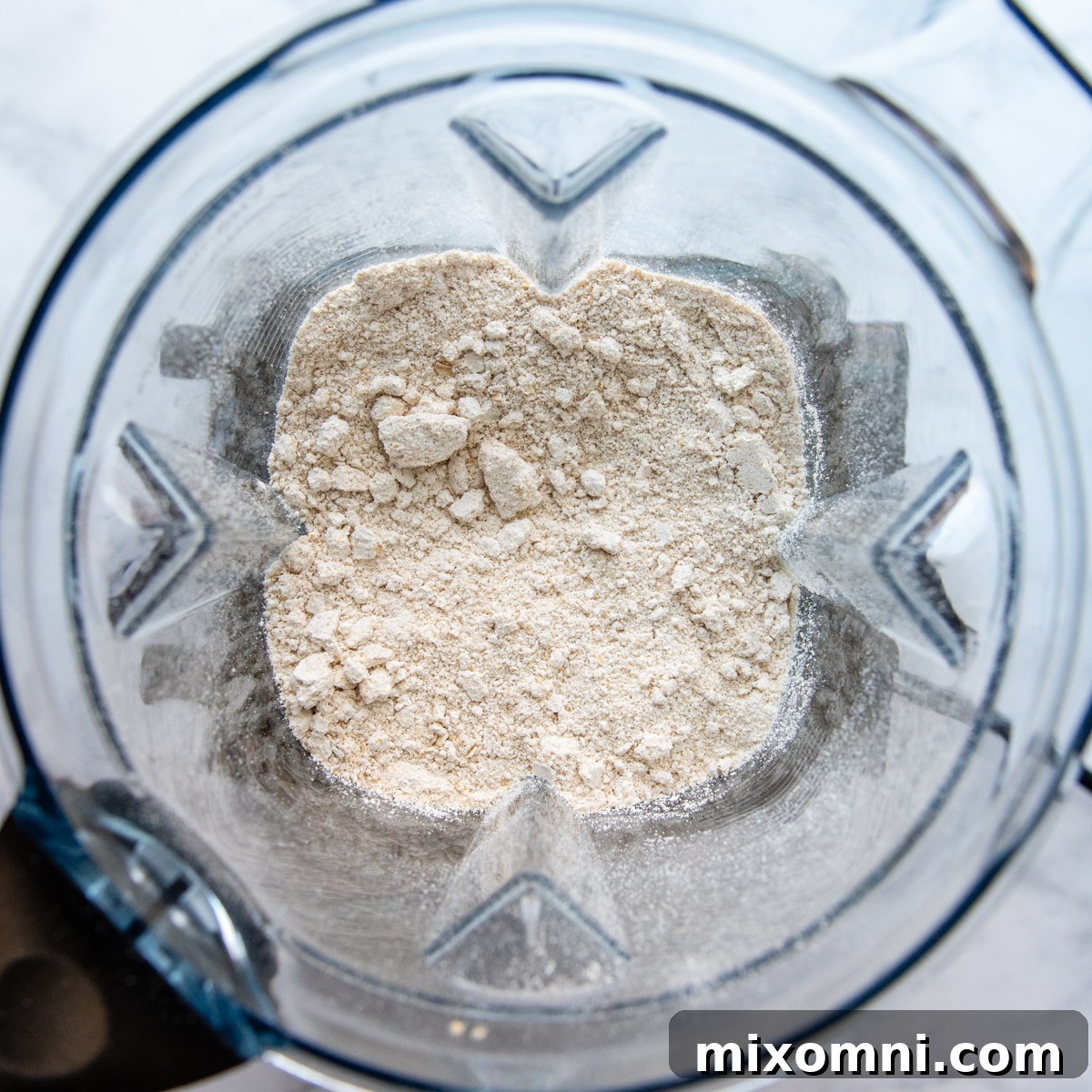
Creating fresh oat flour is the first step to these incredible cookies. I highly recommend using a high-powered blender, such as a Vitamix, to achieve an exceptionally fine, powdery texture. While other blenders or food processors can also be used, a finer grind will result in a smoother, more classic cookie texture. Simply pour your quick or rolled oats into the blender and process until they transform into a soft, powdery flour – this usually takes about 1 minute. While purchased oat flour works, making your own is surprisingly easy and often yields a fresher product!
2. Cream the Butter and Sugars
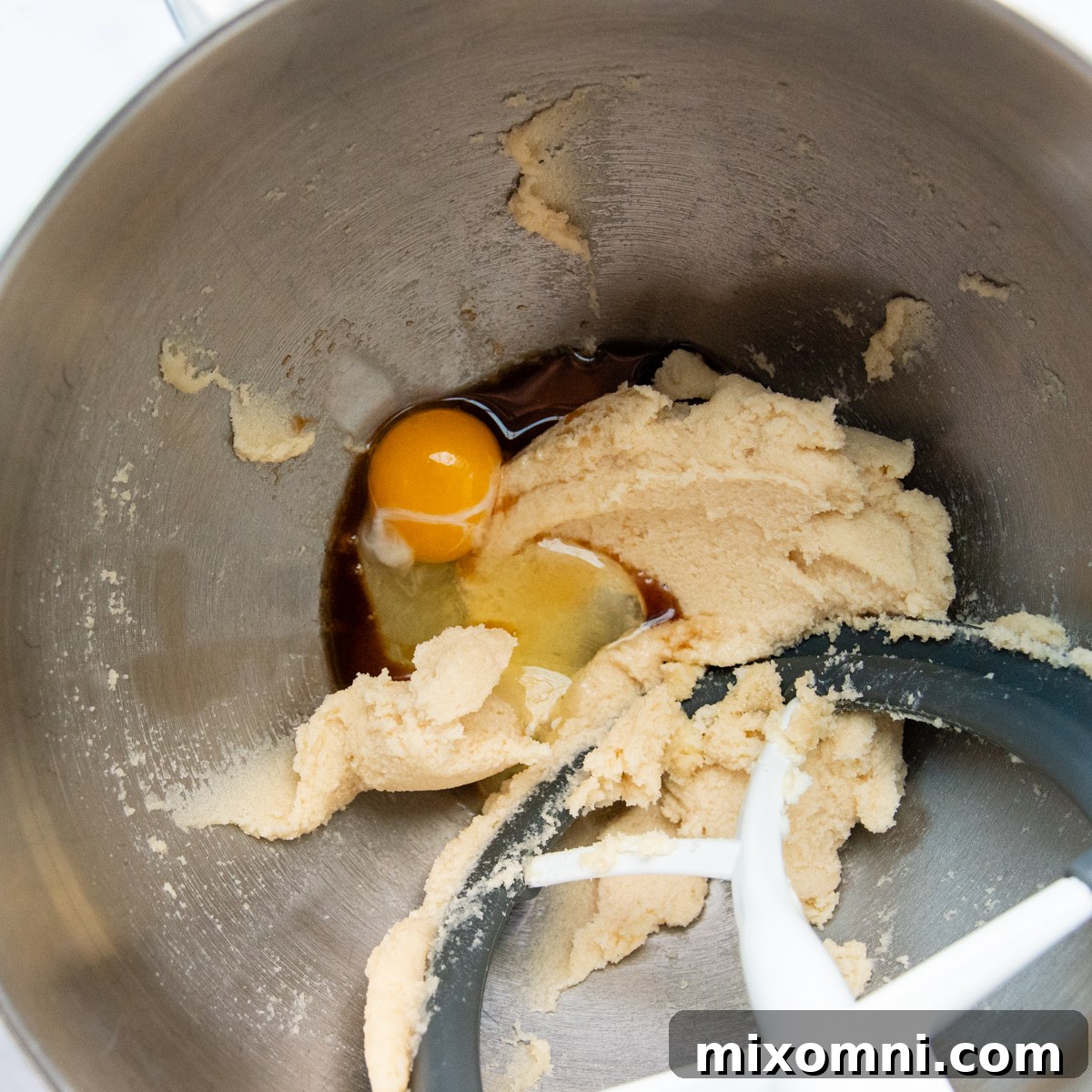
In a large mixing bowl or the bowl of a stand mixer, combine the softened unsalted butter with both the brown sugar and granulated sugar. Beat them together on medium-high speed until the mixture becomes very light, fluffy, and noticeably paler in color. This crucial step typically takes around 2-3 minutes and incorporates air, contributing to the cookies’ soft texture. Once creamed, add the large egg and the vanilla extract, mixing again until everything is thoroughly combined and smooth.
3. Combine Dry Ingredients and Chocolate Chips
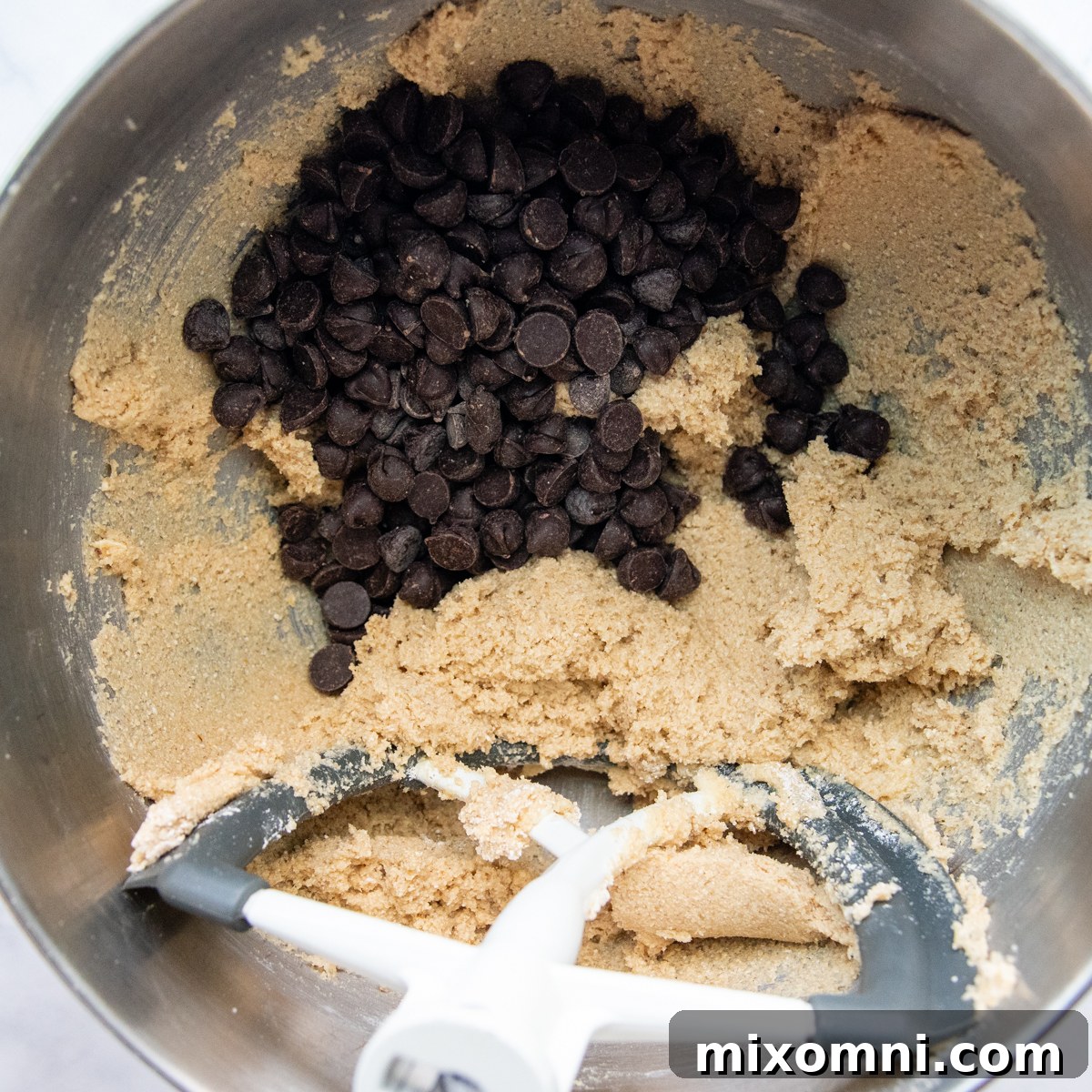
With the wet ingredients perfectly mixed, it’s time to add the dry components. Reduce your mixer speed to low and gradually incorporate the homemade oat flour, baking soda, and salt. Mix just until these dry ingredients are fully combined and no streaks of flour remain in the dough. Overmixing at this stage can lead to tougher cookies. Finally, gently stir in your chosen chocolate chips – a delightful blend of semi-sweet and mini chips can create an amazing, gooey chocolate overload in every bite!
Once the dough is ready, use a medium cookie scoop (my preferred method for consistent portioning!) to divide the dough onto ungreased or parchment-lined cookie sheets, spacing them about 2 inches apart. Bake in a preheated oven at 350°F (175°C) for 9-11 minutes, rotating the pans halfway through for even baking. The edges should be lightly golden, and the centers still slightly soft. Allow them to cool on the baking sheet for a few minutes before transferring to a wire rack to cool completely.
Do I Need to Chill the Cookie Dough?
During testing for this recipe, I experimented with chilling the dough versus baking it immediately. I found no measurable difference in terms of spreading, taste, or final texture between the two methods. Therefore, you can confidently skip the chilling step and save yourself some extra time and effort – these cookies are ready to bake straight away! However, if you prefer to prepare the dough in advance or wish to bake only a portion, you can certainly chill the dough in an airtight container for up to 24 hours before baking. This flexibility makes them perfect for meal prepping or spontaneous cravings.
Bonus Tips, Tricks, and Notes for Flawless Cookies
Achieving the perfect oat flour cookie is simple with these additional insights:
- Preventing Spread: If your cookies spread more than desired, the butter might have been too soft or warm when you started creaming it. To remedy this, you can chill the dough briefly (15-30 minutes) before scooping and baking. This helps solidify the butter, which in turn helps the cookies hold their shape.
- Accurate Flour Measurement: Precision in measuring oat flour is vital. You will need exactly 240 grams or 2 ⅔ cups of measured oat flour. Too little or too much can affect the cookie’s structure and lead to spreading issues. Always spoon and level flour into your measuring cup for accuracy, or better yet, use a kitchen scale for gram measurements.
- Finely Ground Oat Flour is Key: For the most tender and classic cookie texture, ensure your homemade oat flour is very fine and powdery, similar to store-bought all-purpose flour. If the oats are not ground finely enough, the cookies will still taste delicious, but they might be more rounded and less flat, with a slightly coarser texture. Take that extra minute or two in the blender for the best outcome.
- Using Store-Bought Oat Flour: No time to grind your own? No problem! Store-bought oat flour works perfectly. Just make sure to use 2 ⅔ cups (240 grams) to maintain the correct dough consistency.
- Perfecting the Bake: Keep a close eye on your cookies during the last few minutes of baking. Ovens can vary, and overbaking can lead to dry cookies. Look for lightly golden edges and centers that still appear slightly soft – they will continue to set as they cool.
- Cooling Process: Allowing the cookies to cool on the baking sheets for 5 minutes before transferring them to a wire rack is crucial. This helps them firm up and prevents them from breaking apart.
- Temperature of Ingredients: Ensure your egg is at room temperature. This allows it to emulsify better with the creamed butter and sugar, resulting in a smoother, more uniform dough.
Don’t Forget to Pin This Recipe!
Let’s be friends on Pinterest! I’m always sharing fantastic recipes you won’t want to miss!
Storage and Freezing Guidelines
Proper storage is essential to keep your delicious oat flour cookies fresh and enjoyable:
- Storing Baked Cookies: These cookies are at their absolute best within the first day or two of baking. To keep them fresh, allow them to cool completely on a wire rack before transferring them to an airtight container. Store at room temperature for up to 3-4 days. For extended freshness, you can also place a slice of bread in the container; the cookies will absorb moisture from the bread, keeping them soft.
- Freezing Baked Cookies: For longer storage, cooled baked cookies can be frozen for up to 3 months. Arrange them in a single layer on a baking sheet and freeze until solid. Once frozen, transfer them to a freezer-safe airtight container or heavy-duty freezer bag, separating layers with parchment paper to prevent sticking. Thaw at room temperature before serving, or warm slightly in the microwave for a fresh-baked feel.
- Freezing Raw Cookie Dough: Want to have freshly baked cookies on demand? You can easily freeze the raw cookie dough. Scoop individual portions onto a parchment-lined baking sheet and freeze until firm, about 1-2 hours. Once firm, transfer the frozen dough balls to an airtight freezer bag or container. They can be stored in the freezer for up to 3 months. When ready to bake, place the frozen dough balls directly onto ungreased cookie sheets and bake as directed, adding an extra 1-2 minutes to the baking time to account for their frozen state.
Frequently Asked Questions (FAQs)
- Can I use steel-cut oats for this recipe? While technically oats, steel-cut oats have a much coarser texture and will not grind into a fine enough flour to achieve the desired soft, chewy cookie texture. It’s best to stick with quick or old-fashioned rolled oats for homemade oat flour.
- Are these cookies truly gluten-free? Yes, provided you use oats that are certified gluten-free. While oats are naturally gluten-free, they are often processed in facilities that also handle wheat, barley, and rye, leading to cross-contamination. Always check the label for “certified gluten-free” to ensure your cookies are safe for those with celiac disease or gluten sensitivities.
- Can I make these cookies vegan? Absolutely! Simply substitute the unsalted butter with a high-quality vegan butter stick. Ensure it’s a stick form for best baking results, as some vegan butters or margarines can have a higher water content.
- How do I make these cookies chewier? For extra chewiness, ensure you use plenty of brown sugar, which contributes moisture and a soft texture. Baking them for a minute or two less than the suggested time, so the centers are slightly underbaked, can also enhance chewiness as they cool.
- How do I make these cookies crispier? For a crispier cookie, you can increase the amount of granulated sugar slightly and reduce the brown sugar, or bake them for an additional minute or two until the edges are deep golden brown. Baking thinner cookies can also result in a crispier texture.
- Can I add other mix-ins besides chocolate chips? Definitely! Get creative with your additions. Chopped nuts (pecans, walnuts), shredded coconut, dried cranberries, or white chocolate chips would all be delicious. You could also add a pinch of cinnamon or nutmeg for a spiced twist.
Did you whip up a batch of these amazing cookies? I absolutely love hearing from you! Please leave a star rating and comment below the recipe card. Your feedback is invaluable to our community and helps others discover fantastic recipes. I always make sure to respond! -Melissa

Soft Batch Chocolate Chip Oat Flour Cookies

Melissa Erdelac
27
10 mins
12 mins
22 mins
It will be love (and astonishment!) at first bite with this easy peasy oat flour cookies recipe. Just like a classic chocolate chip cookie, they are soft, chewy, and gooey. Better yet, they are flourless, naturally gluten-free, and made with oatmeal blended quickly into flour for an easy, affordable cookie that tastes just like the ones mom made!
Pin
Rate
Remove Ads
Ingredients
-
2 ½ cups
quick or rolled oats (certified GF)
, see recipe notes for using ready-made oat flour -
8 tablespoons
unsalted butter
, softened -
½ cup
packed light brown sugar
-
½ cup
sugar
-
1
large egg
-
1 teaspoon
vanilla extract
-
¾ teaspoon
baking soda
-
½ teaspoon
salt
-
1 ¼ cups
semisweet chocolate chips
Equipment
-
Vitamix
-
Cookie Scoop
-
Stand Mixer
Instructions
-
Preheat your oven to 350°F (175°C). If you don’t have ready-made oat flour, start by making your own. Place 2 ½ cups of old-fashioned or quick-cooking oats into a food processor or high-powered blender. Blend until the oats are transformed into a fine, powdery flour (this should take approximately 1 minute). Set the homemade oat flour aside.
-
In a large mixing bowl or the bowl of a stand mixer fitted with the paddle attachment, combine the softened unsalted butter, packed light brown sugar, and granulated sugar. Beat on medium-high speed for about 2-3 minutes until the mixture is light, fluffy, and pale. Next, add the large egg and vanilla extract, mixing until fully incorporated and smooth.
8 tablespoons unsalted butter,
½ cup packed light brown sugar,
½ cup sugar,
1 large egg,
1 teaspoon vanilla extract -
Reduce the mixer speed to low. Gradually add the prepared oat flour, baking soda, and salt to the wet ingredients. Mix until just combined, being careful not to overmix. Finally, fold in the semisweet chocolate chips by hand or on very low speed until evenly distributed throughout the dough.
¾ teaspoon baking soda,
½ teaspoon salt,
1 ¼ cups semisweet chocolate chips -
Drop rounded spoonfuls of cookie dough onto ungreased or parchment-lined baking sheets. Use a medium cookie scoop or measure out 1 ½ – 2 tablespoons per cookie, spacing them approximately 2 inches apart. Bake for 9-11 minutes, rotating the pans halfway through the baking time to ensure even browning. The cookies should have lightly golden edges and still be slightly soft in the centers. Allow them to cool on the baking sheets for 5 minutes before carefully transferring them to a wire rack to cool completely.
Notes
Substituting store-bought oat flour
If you prefer to use ready-made oat flour rather than grinding your own, you will need 2 ⅔ cups or 240 grams for this recipe. Ensure it’s a fine grind for best results.
Issues with spreading
If your cookies spread too much during baking, it could be due to butter that was too soft or warm when you started creaming it. A quick solution is to chill the dough for 15-30 minutes before scooping and baking. Another common cause of spreading is an incorrect measurement of oat flour; ensure you use precisely 240 grams or 2 ⅔ cups of measured oat flour. Additionally, if your homemade oat flour is not ground finely enough, the cookies may appear more rounded rather than flat, although they will still taste delicious.
Storing / Freezing
These cookies are best enjoyed within one or two days of baking. Store cooled cookies in an airtight container at room temperature. For longer storage, I recommend freezing the cooled cookies for up to 3 months. You can also portion out the raw cookie dough onto a baking sheet, freeze until firm, and then transfer the frozen dough balls to an airtight container or freezer bag, freezing for up to 3 months. When ready to bake, place frozen dough directly on ungreased cookie sheets; you may need to add 1-2 minutes to the baking time.
Recipe adapted from Kitchen Bellecious
Calories: 149kcal
,
Carbohydrates: 21g
,
Protein: 2g
,
Fat: 6g
,
Saturated Fat: 4g
,
Cholesterol: 16mg
,
Sodium: 114mg
,
Potassium: 49mg
,
Fiber: 1g
,
Sugar: 13g
,
Vitamin A: 131IU
,
Vitamin C: 1mg
,
Calcium: 21mg
,
Iron: 1mg
Did you make this recipe?
Please leave a star rating and review below. It helps others when searching for recipes and I LOVE feedback!