
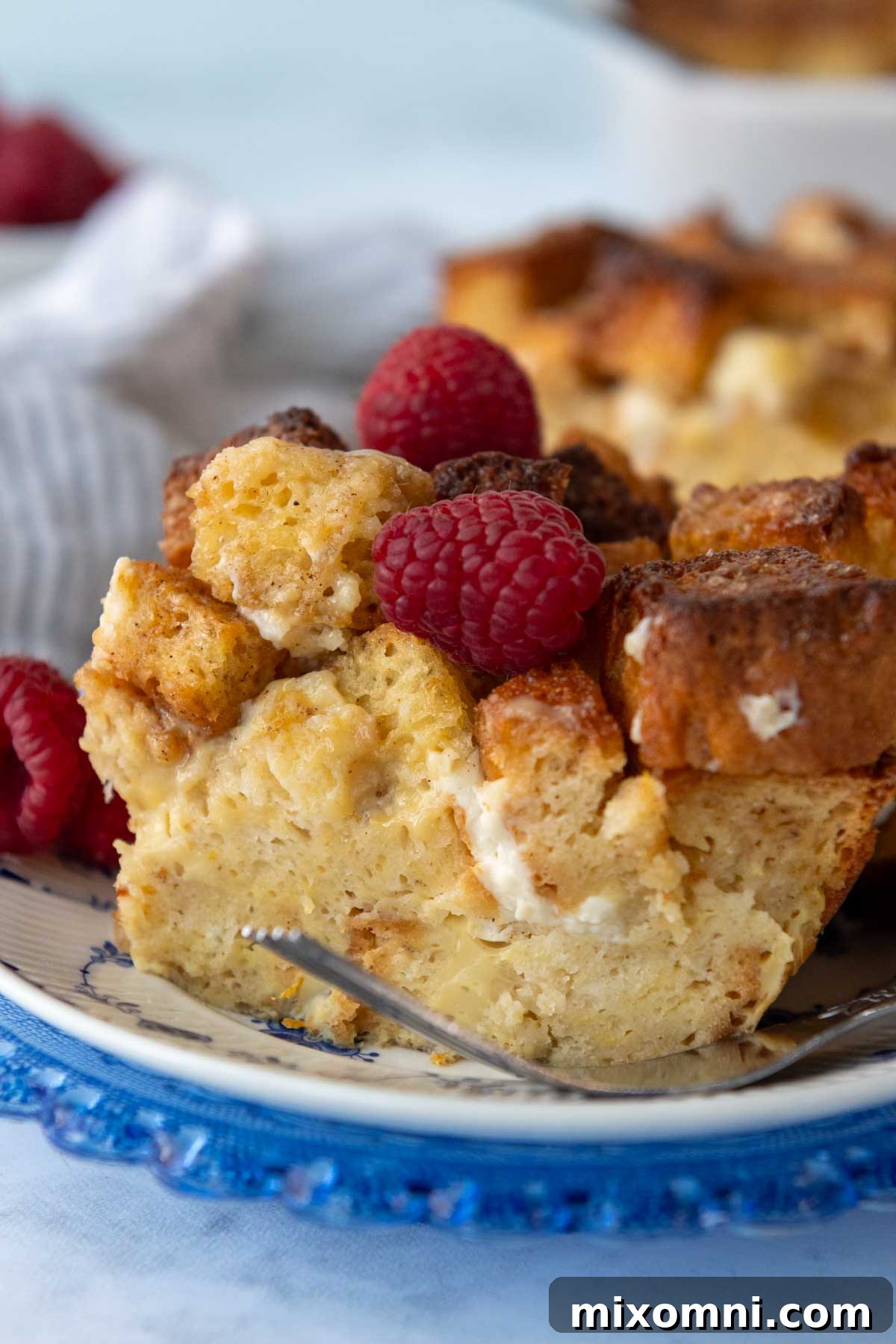
If you’re searching for an incredibly easy yet undeniably delicious gluten-free French toast casserole, your quest ends here! This sweet breakfast bake is a guaranteed crowd-pleaser, delivering a moist, custardy interior with a perfectly golden, crisp crust that will delight everyone at the table, gluten-free or not. Our signature egg custard comes together in mere minutes and is generously poured over your favorite gluten-free bread, with the irresistible option of adding a creamy, tangy cream cheese filling. What makes this recipe truly special is its versatility: it’s a fantastic make-ahead dish that can be refrigerated overnight, frozen for later convenience, or baked fresh on the same day. As an experienced gluten-free baker, I’ve perfected the techniques to ensure the casserole’s interior remains wonderfully moist while achieving that coveted sweet, crunchy top. Let me guide you through the process to create your new favorite breakfast staple!
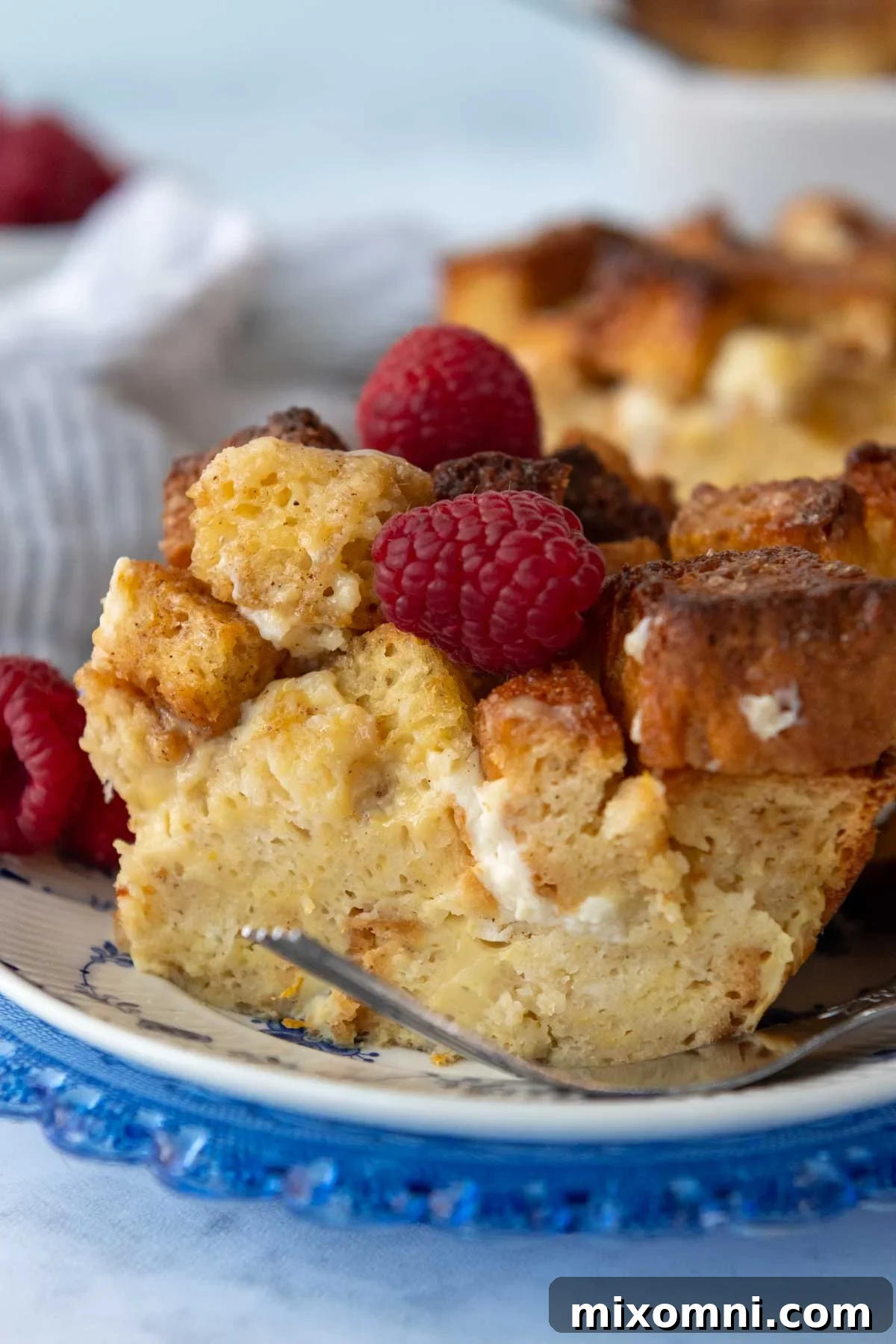
Overnight Gluten-Free French Toast Casserole: Your Ultimate Holiday Brunch Solution
Finding truly delicious and easy gluten-free breakfast ideas can sometimes feel like a challenge, especially when planning for special occasions like Christmas morning, a festive holiday brunch, or simply a convenient make-ahead meal. Fortunately, you’ve stumbled upon the perfect solution! This recipe for gluten-free French toast casserole isn’t just “good for gluten-free”; it’s an exceptionally flavorful and satisfying dish designed to impress even the most discerning palates. We’ve meticulously tested and refined this recipe to achieve the ideal balance of sweetness, a luxuriously moist interior, a rich bread custard, and that irresistible golden-brown, slightly crunchy crust.
One of the greatest triumphs of this recipe is its ability to fool even non-gluten-free guests. Time and again, those unfamiliar with its gluten-free nature have savored every bite, completely unaware it was tailored for specific dietary needs. This universal appeal makes it an ideal choice for gatherings where you want everyone to enjoy the same delicious food without compromise.
The Secret to Perfect Gluten-Free French Toast Casserole
The magic behind this highly-reviewed gluten-free bread pudding recipe, and subsequently this French toast casserole, lies in understanding the unique properties of gluten-free bread. Unlike traditional wheat-based breads, gluten-free varieties don’t absorb moisture as readily or in the same way. This means achieving the perfect custardy texture requires a precise balance of liquid to bread. Too much liquid, and you’ll end up with a soggy, unappetizing casserole; too little, and you’re left with dry, crumbly results. Through extensive experimentation with different egg-to-milk ratios and baking methods, I uncovered several key adjustments that make all the difference:
- Optimized Egg Ratio: I found that using slightly fewer whole eggs but adding an extra egg yolk provides superior binding. This creates a richer custard that holds the bread cubes together beautifully without making the casserole overly dense or eggy.
- Strategic Baking Method: Baking the casserole uncovered at a slightly lower oven temperature allows excess moisture to gently evaporate over a longer period. This slower baking process encourages the moist bread cubes to fuse together, developing a cohesive and tender texture while simultaneously forming a delightfully sweet, crunchy top crust.
- Elevated Flavor Profile: French toast casseroles can often be overly sweet, especially for a breakfast dish. To counteract this, I reduced the amount of brown sugar slightly, then introduced vibrant orange zest, an extra boost of vanilla extract, and warm ground cinnamon. These additions create a complex, satisfying balance of taste that feels sophisticated yet comforting, making it perfectly sweet without being cloying.
Beyond these foundational techniques, this recipe offers delightful flexibility. My family and guests consistently rave about the optional cream cheese filling, which adds a wonderful creamy tang, reminiscent of stuffed French toast. However, for those looking to save on prep time or easily adapt the recipe for a dairy-free diet, it can be omitted without any other adjustments. Additionally, feel free to enhance your casserole with fresh berries, chopped nuts, or chocolate chips. I’ll share more ideas for these delicious additions below!
I served this casserole for the very first time as part of our family Christmas brunch. I used homemade gluten-free sweet bread for my bread cubes. Everyone loved it – – even the picky eaters! This recipe is very easy to prepare, especially because it can be made the day before. I will definitely be making this casserole again. And again. And again… 🙂
—Sue
Essential Ingredient Insights for a Flawless Casserole
This breakfast bake requires only basic, readily available ingredients, making it accessible for any home cook. However, just like my popular savory sausage hash brown breakfast casserole, this recipe is incredibly adaptable, allowing for numerous modifications to suit your taste and dietary needs. Be sure to check the Add Some Bonus Yum! section for more creative variations.
- Gluten-Free Bread: The foundation of any great French toast casserole! I wholeheartedly recommend using either my soft gluten-free bread recipe or gluten-free French bread. These homemade options offer a taste and texture that remarkably mimics traditional wheat breads, ensuring a truly authentic French toast experience. You’ll need approximately 1 ½ pounds of bread, which translates to about 12-13 cups of 1-inch bread cubes. Don’t worry if your bread is slightly dried out or a day or two old; it will be perfectly rehydrated by the rich custard! See the Gluten-Free Bread Options section below for additional choices, including store-bought recommendations.
- Eggs: This recipe calls for 6 large eggs plus one extra yolk. The additional yolk contributes to the custard’s richness and helps bind the bread cubes more effectively, preventing a crumbly texture. If your eggs are not standard large size, you may need to adjust the quantity slightly. Please note, I have not tested an egg-free version of this French toast bake.
- Milk: For the most luxurious and rich flavor, whole milk is highly recommended. Its higher fat content creates a creamier, more indulgent custard. For a dairy-free alternative, coconut milk (full-fat canned) is an excellent choice due to its richness, though it will impart a subtle coconut flavor. Unsweetened almond milk or your preferred non-dairy milk can also be substituted, keeping in mind that the custard may be slightly less rich.
- Orange Zest: A secret weapon for flavor! The zest of one orange introduces a bright, subtle hint of citrus that beautifully complements the sweetness and spices without overpowering them. While highly recommended for an extra layer of flavor complexity, I have successfully made the dish without it when I didn’t have an orange on hand.
- Cream Cheese: This optional filling transforms the casserole into a decadent treat, offering creamy, tangy bites throughout. It’s perfect for those who enjoy a “stuffed” French toast experience. If you prefer a simpler casserole or need to save prep time, the filling can be omitted entirely without any other recipe adjustments.
- Brown Sugar: The ½ cup of packed light brown sugar specified in the recipe provides what I consider the ideal level of sweetness for breakfast. It’s sweet enough to be satisfying without requiring additional maple syrup for serving. However, personal preference varies, so feel free to slightly increase or decrease the amount to suit your taste. Who am I to stand between you and extra sweetness?
Let’s Make This Together! A Step-by-Step Guide to Your Perfect French Toast Casserole
(Below, you’ll find step-by-step photos and detailed instructions. For the complete recipe, including precise ingredient amounts, please scroll down to the dedicated recipe card.)
1. Prepare the Optional Cream Cheese Filling
The cream cheese filling adds a wonderful creamy tanginess, much like a stuffed French toast bake. I’ve tested this recipe both with and without the filling, and while both are delicious, the filling truly elevates the dish for a special touch. However, if you’re short on time or prefer a simpler approach, feel free to omit it – the casserole will still be fantastic! To prepare, simply combine and cream together the softened cream cheese, powdered sugar, and vanilla extract until the mixture is smooth and lump-free. Set this aside while you prepare the other components of the casserole.
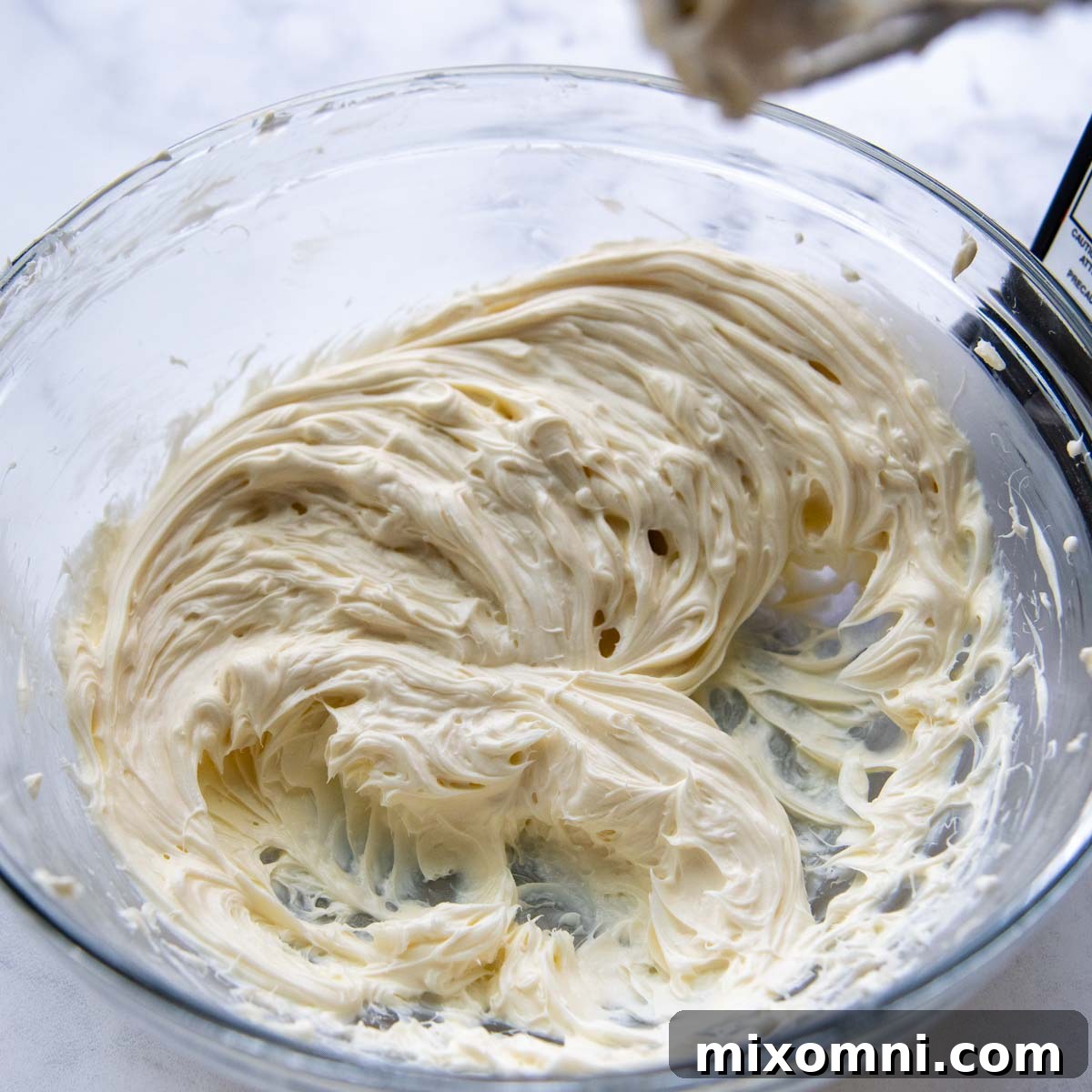
2. Prep the Bread and Combine with Custard
You will need approximately 12-13 cups of cubed gluten-free bread. If you wish to make a smaller casserole, the recipe can be easily halved for fewer servings. Begin by cutting your chosen gluten-free bread into uniform 1-inch cubes. This is an excellent way to use up slightly dried-out or day-old gluten-free bread, as it will readily absorb the custard and be revived during baking. In a large mixing bowl, whisk together the eggs, extra egg yolk, milk, brown sugar, vanilla extract, optional orange zest, ground cinnamon, and salt until well combined and smooth. Then, add the bread cubes to the egg mixture. Stir gently but thoroughly, ensuring that every single bread cube is evenly coated in the rich custard. This hands-on method is crucial to avoid dry pockets and guarantees a consistently moist and flavorful result throughout the casserole, unlike simply pouring the mixture over the top.
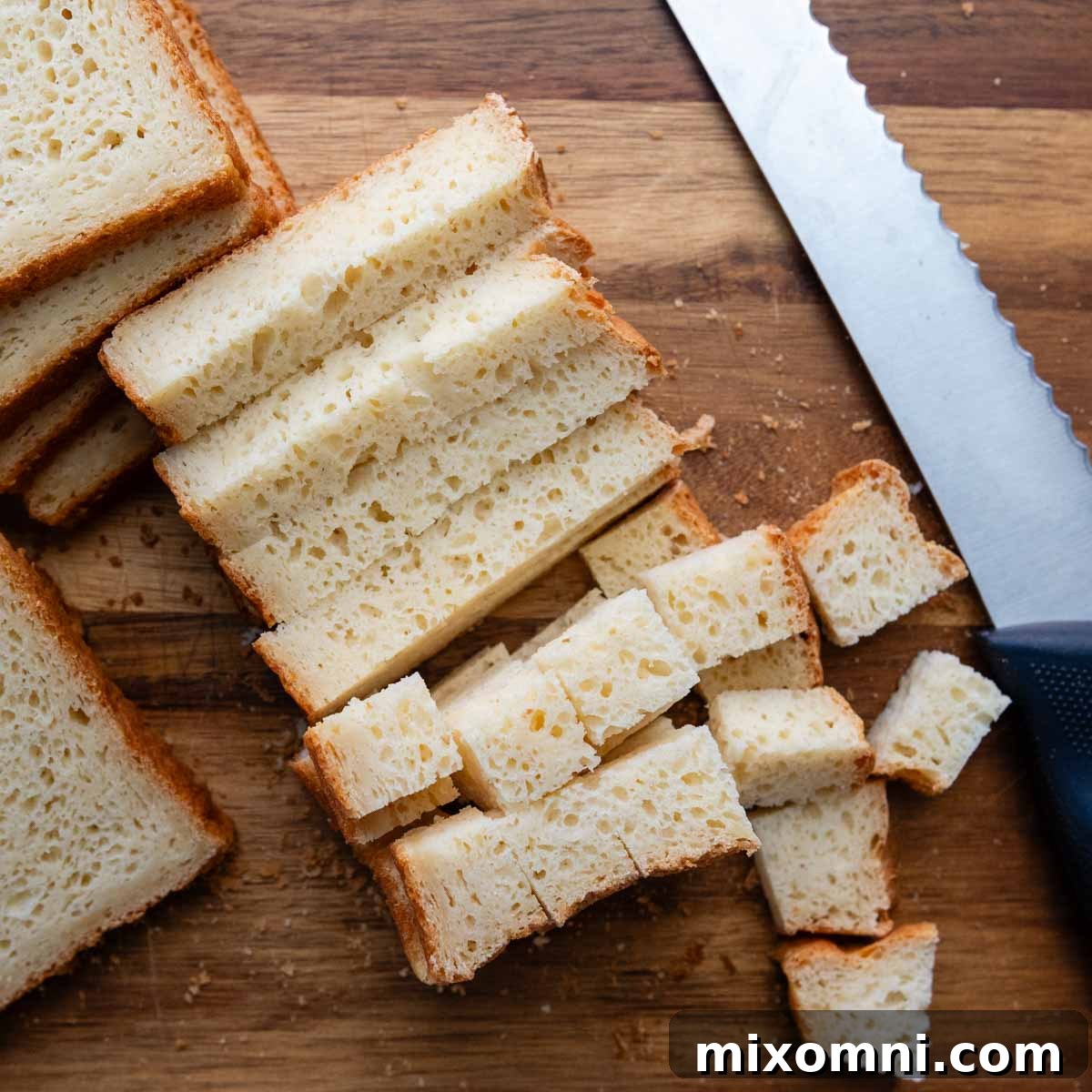
3. Assemble Your Casserole in a Baking Dish
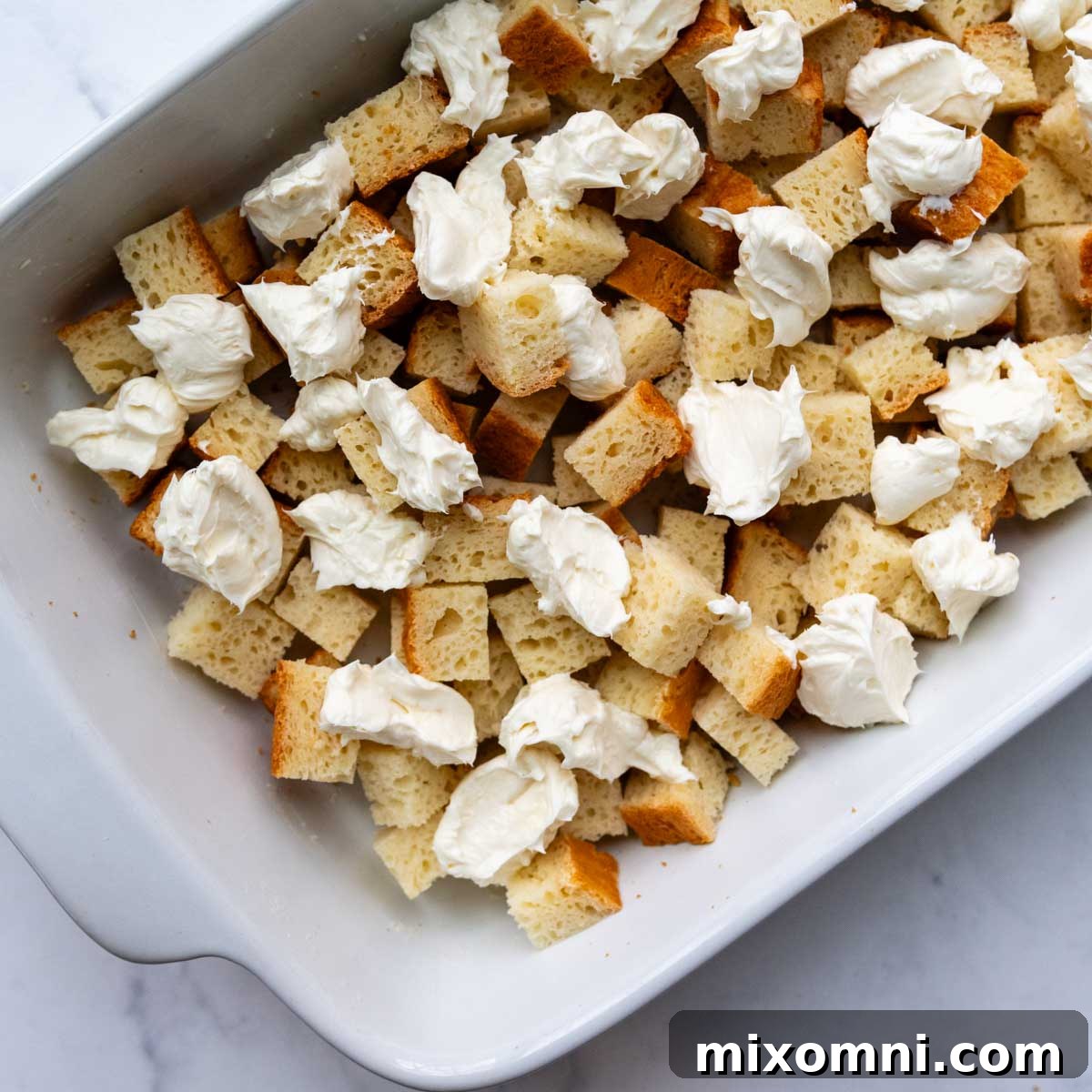
First, liberally grease a 9×13-inch baking dish to prevent sticking and ensure easy serving. If you are incorporating the delicious cream cheese filling, spread half of the custard-coated bread cubes evenly across the bottom of the prepared baking dish. Next, dollop spoonfuls of the entire cream cheese mixture over this layer of bread. Finish by carefully spreading the remaining bread cubes over the cream cheese layer. Don’t worry if some of the cream cheese peeks through; it will melt beautifully into the casserole during baking.
4. Add the Golden Sweet Topping and Prepare for Baking
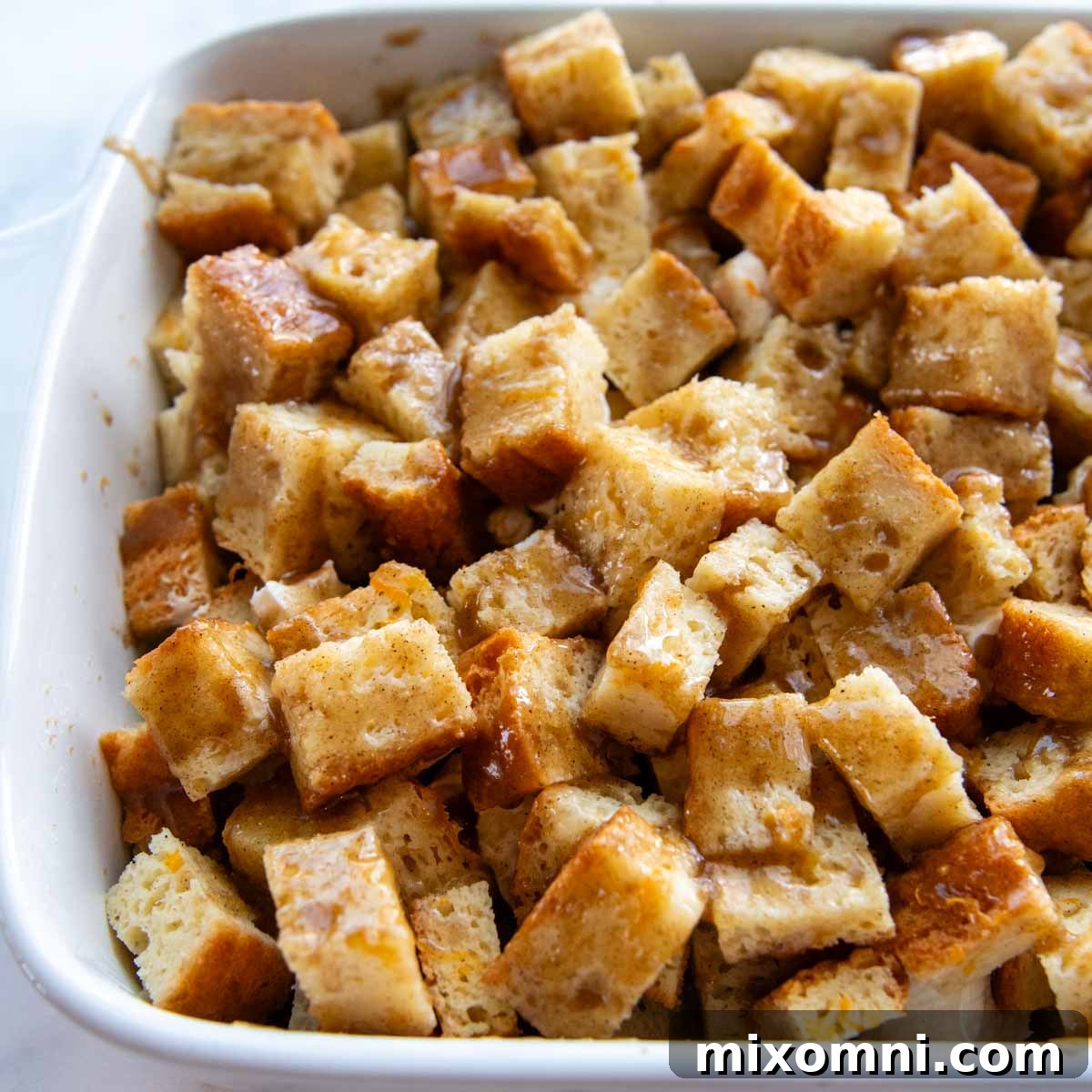
For that irresistible golden and slightly crisp finish, prepare a simple topping. In a small bowl, combine the melted butter, packed light brown sugar, and ground cinnamon. Mix these ingredients thoroughly until well blended. For the best and most even coverage, use a pastry brush to gently spread this sweet mixture over the entire surface of the bread cubes in the casserole dish. If you don’t have a pastry brush, you can carefully drizzle or spoon the topping over the bread, making sure the top cubes are well coated.
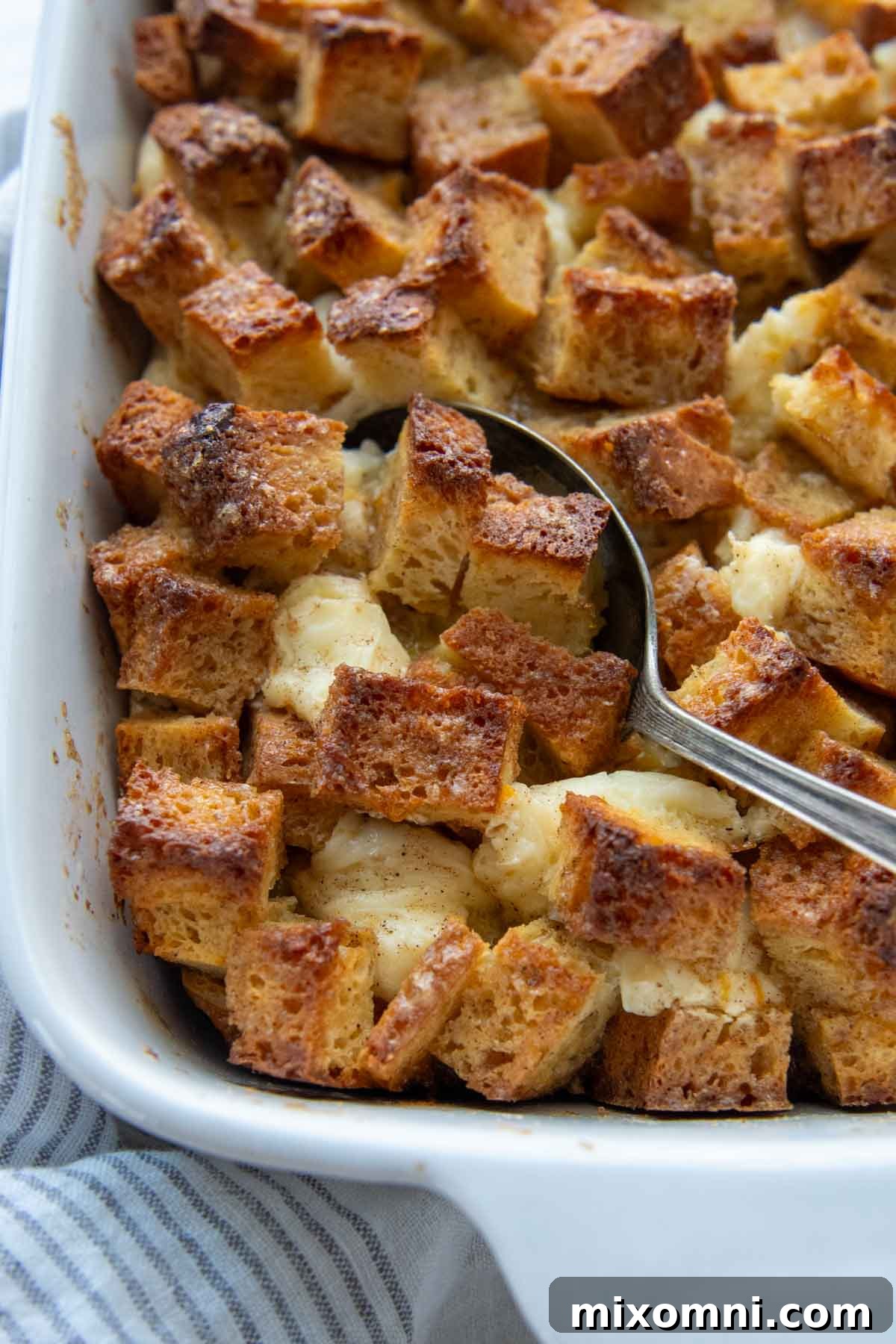
Once assembled, cover the dish securely with plastic wrap. You can then refrigerate it for at least 2 hours, ideally overnight, or for up to 24 hours before baking. This resting period allows the bread to fully absorb the custard, enhancing the flavor and texture. This casserole is also freezer-friendly; it can be frozen unbaked for up to one month. When you’re ready to bake, preheat your oven to 350℉ (175°C). Uncover the dish and bake on the middle rack for 45-55 minutes. The casserole is done when a knife inserted into the center comes out very hot, and you no longer see excessive liquid. A little liquid is acceptable as it will continue to absorb as the casserole cools. Let it cool slightly for about 10 minutes before serving to allow the flavors to set and the casserole to firm up.
Add Some Bonus Yum! Creative Customizations for Your Casserole
While this overnight French toast casserole tastes absolutely heavenly as is, its simple yet robust flavor profile makes it a fantastic canvas for additional creative flavors and textures. Customizing is easy: simply add half the bread to your casserole dish, sprinkle on your desired add-ins, and then top with the remaining bread, ensuring a distribution of flavors throughout.
This delightful brunch recipe can be served on its own as a hearty meal, or alongside traditional breakfast meats and eggs for a more elaborate spread. Consider offering a selection of toppings for guests to choose from, such as freshly whipped cream, a variety of syrups (including this quick homemade blueberry syrup), an assortment of fresh berries, or crunchy chopped nuts. The possibilities are endless to make this dish uniquely yours!
Sweet Add-In Ideas:
- Chocolate Chips: Stir in a cup of semi-sweet, milk, or white chocolate chips for a decadent touch that melts into pockets of gooey deliciousness.
- Dried Fruits: Add ½ to 1 cup of raisins, dried cranberries, or chopped dried cherries for bursts of chewy sweetness and complementary flavors.
- Fruit Preserves: Layer your favorite jam or fruit preserves in the middle of the casserole. This can be done with or without the cream cheese filling for an extra fruity punch.
- Nuts: Incorporate ½ to 1 cup of chopped pecans, walnuts, or almonds for a delightful crunch and nutty flavor. Toasting them lightly beforehand can enhance their aroma and taste.
- Fresh Berries: While frozen berries can add more liquid, fresh berries like raspberries, blueberries, or sliced strawberries are wonderful for a pop of freshness and color. If using frozen, ensure they are thoroughly thawed and drained to minimize excess moisture. I’ve even added fresh raspberries, froze the casserole, and baked it after thawing with great results!
- Coconut: Sprinkle ½ cup of shredded or flaked coconut (sweetened or unsweetened) for a tropical twist and added texture.
Savory French Toast Casserole (A Unique Twist!):
For those who prefer a more savory breakfast or want a versatile dish that can transition from brunch to dinner, consider this exciting variation:
- Omit the brown sugar and cinnamon from the custard recipe entirely.
- Instead, add any combination of savory ingredients such as 1 cup of chopped cooked ham, ½ cup of crumbled cooked bacon, 1 cup of cooked sausage, 1 cup of shredded cheese (like cheddar or Gruyere), or 1 cup of sautéed vegetables such as diced bell peppers and onions. Adjust seasonings with black pepper, garlic powder, and onion powder to taste. This transforms the sweet French toast into a hearty, savory bread pudding perfect for any time of day.
Choosing the Best Gluten-Free Bread for Your Casserole
The success of your gluten-free French toast casserole hinges significantly on the quality and type of bread you use. You’ll need approximately 1 ½ pounds of bread for this recipe. My personal top recommendation is to use one recipe of my homemade soft gluten-free sandwich bread. This bread is specifically formulated to yield a tender crumb and excellent structure, mimicking traditional wheat bread perfectly. The best part? You can bake it a couple of days in advance and store it at room temperature, making your casserole prep even easier.
A fantastic bonus: It truly doesn’t matter if your gluten-free bread is slightly dried out, a day or two old, or even a bit past its prime! In fact, older, slightly stale bread works wonderfully because it absorbs the rich egg and milk custard even better, ensuring a moist and flavorful interior. The soaking process will magically revive it, transforming it into a luxurious component of your casserole.
If you opt for store-bought gluten-free bread, you will likely need two standard loaves to reach the required 12-13 cups of cubed bread. Always measure your bread cubes after cutting to ensure you have the correct amount for the custard. Additionally, for an even richer and sweeter casserole, consider using specialty gluten-free breads like gluten-free challah or brioche. These types of bread will contribute a deeper, more indulgent flavor profile to your finished dish.
Save This Delicious Recipe to Your Pinterest Board!
Let’s be friends on Pinterest! I’m always sharing great recipes!
Did you make this recipe? I love hearing from you! Leave a star rating and comment below the recipe card. Your feedback helps others discover amazing recipes, and I always appreciate hearing from our community. You will always hear back from me! -Melissa
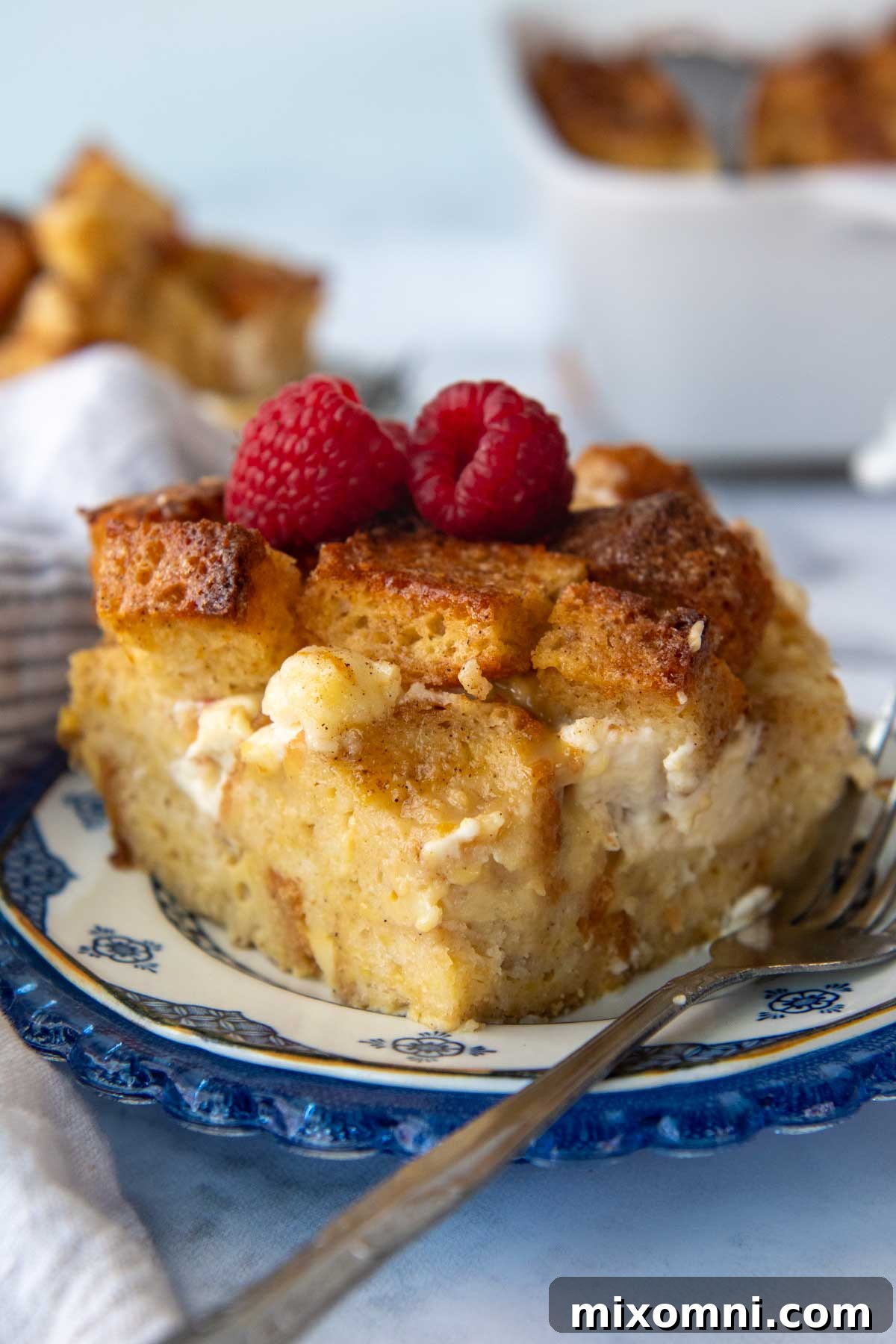
Moist Gluten-Free French Toast Casserole (Make-Ahead)

Melissa Erdelac
12
15 mins
55 mins
3 hrs 10 mins
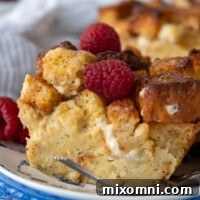
If you are looking for an easy gluten-free french toast casserole, this sweet breakfast bake is guaranteed to please all! A moist egg custard mixes together in minutes and is poured over a variety gluten-free bread options with optional cream cheese filling. This make-ahead dish can be refrigerated overnight, frozen, or baked the same day. I’ve learned the best way to prep breakfast casseroles so the interior stays moist while the sweet crust is perfectly golden and crisp. I’ll show you how!
Pin
Rate
Remove Ads
Ingredients
Cream Cheese Filling (Optional)
- 8 ounces cream cheese, softened to room temperature
- 3 tablespoons powdered sugar
- ½ teaspoon vanilla extract
Casserole
- 6 large eggs + 1 egg yolk
- 2 cups whole milk, see recipe notes for dairy-free
- ½ cup packed light brown sugar
- 2 teaspoons vanilla extract
- zest of 1 orange, optional
- ¾ teaspoon ground cinnamon
- ⅛ teaspoon salt
- 12-13 cups cubed gluten-free bread, 1 ½ pound loaf, soft gluten-free bread recipe recommended
Topping
- 4 tablespoons melted unsalted butter, see recipe notes for dairy-free
- 3 tablespoons packed light brown sugar
- ½ teaspoon ground cinnamon
Equipment
-
9X13 Baking Dish
-
Large Mixing Bowl
-
Bread Knife
Instructions
- Liberally grease a 9X13-inch baking dish and set aside.
- In a medium mixing bowl, beat together the cream cheese, powdered sugar, and vanilla until smooth and creamy. Set aside.
8 ounces cream cheese,
3 tablespoons powdered sugar,
½ teaspoon vanilla extract - In a large mixing bowl, whisk together the eggs, egg yolk, milk, brown sugar, vanilla, optional orange zest, cinnamon, and salt. Add the bread cubes and stir gently to combine, ensuring all the bread is coated in the egg mixture.
6 large eggs + 1 egg yolk,
2 cups whole milk,
½ cup packed light brown sugar,
2 teaspoons vanilla extract,
zest of 1 orange,
¾ teaspoon ground cinnamon,
⅛ teaspoon salt,
12-13 cups cubed gluten-free bread - If using the cream cheese filling, pour half the bread into the prepared baking dish and spread evenly. Dollop all the cream cheese mixture on top of the bread. Top with the remaining bread (it doesn’t matter if the cream cheese is showing through the top).
- In a small bowl, combine the topping ingredients – melted butter, brown sugar, and cinnamon. For best results, use a pastry brush to spread over the top. Otherwise, drizzle or spoon over the bread, making sure the top cubes are covered.
4 tablespoons melted unsalted butter,
3 tablespoons packed light brown sugar,
½ teaspoon ground cinnamon - Cover the baking dish securely with plastic wrap and refrigerate for 2 hours, and up to 24 hours ahead of baking. See recipe notes for freezing directions.
- When ready to bake, preheat the oven to 350℉ (175°C). Uncover and bake on the middle rack for 45-55 minutes. If the top is becoming too brown before the casserole is cooked through, loosely tent foil over the top for the last 10-15 minutes. It’s done when a knife inserted in the middle is very hot and you don’t see excessive liquid. If there is still a little liquid, but it is hot, it will absorb as it sits. Cool slightly, about 10 minutes, before serving.
Notes
Dairy-Free Modification
To make this recipe dairy-free, swap out the whole milk for a non-dairy alternative. For a richer taste, use full-fat canned coconut milk, but be aware it may impart a subtle coconut flavor. Unsweetened almond milk or your preferred non-dairy milk can also be used. Replace the melted butter in the topping with a plant-based butter alternative or melted coconut oil. For the cream cheese filling, either omit it entirely or use a high-quality dairy-free cream cheese alternative.
Make-Ahead and Freezing
This casserole is perfect for meal prepping! You can prepare the entire casserole up to 24 hours ahead of time. Simply wrap the baking dish securely with plastic wrap or aluminum foil and store it in the refrigerator. Remember to uncover it before baking.
For ultimate convenience, this French toast casserole can also be frozen unbaked. Wrap it securely to protect it from freezer burn or ice crystals forming, and it will keep well in the freezer for up to 1 month. When you’re ready to enjoy it, plan ahead for thawing: place the frozen casserole in the refrigerator for at least 24 hours before you intend to bake it. Thawing overnight typically won’t be sufficient time. If the casserole is still partially frozen when you’re ready to bake, set it out at room temperature for an hour or so before placing it in the oven. You will likely need to add an additional 10-15 minutes to the baking time. If the top starts to brown too quickly before the casserole is cooked through, loosely tent foil over the top for the remainder of the baking period.
Storing and Reheating
Store any leftover French toast casserole in an airtight container in the refrigerator for up to 3 days. For longer storage, individual servings can also be wrapped securely and frozen for up to 3 months. Thaw frozen individual servings in the refrigerator or at room temperature before reheating.
The easiest way to reheat individual servings is in the microwave for 30 seconds to 1 minute, until warmed through. To reheat a larger amount, cover the dish securely with aluminum foil and heat in a 350ºF (175°C) oven for 15-20 minutes, or until it’s hot throughout.
Calories:
306
kcal
,
Carbohydrates:
40
g
,
Protein:
10
g
,
Fat:
12
g
,
Saturated Fat:
6
g
,
Polyunsaturated Fat:
2
g
,
Monounsaturated Fat:
3
g
,
Trans Fat:
0.2
g
,
Cholesterol:
107
mg
,
Sodium:
387
mg
,
Potassium:
210
mg
,
Fiber:
1
g
,
Sugar:
19
g
,
Vitamin A:
407
IU
,
Vitamin C:
0.01
mg
,
Calcium:
199
mg
,
Iron:
2
mg
Did you make this recipe?
Please leave a star rating and review below. It helps others when searching for recipes and I LOVE feedback!