
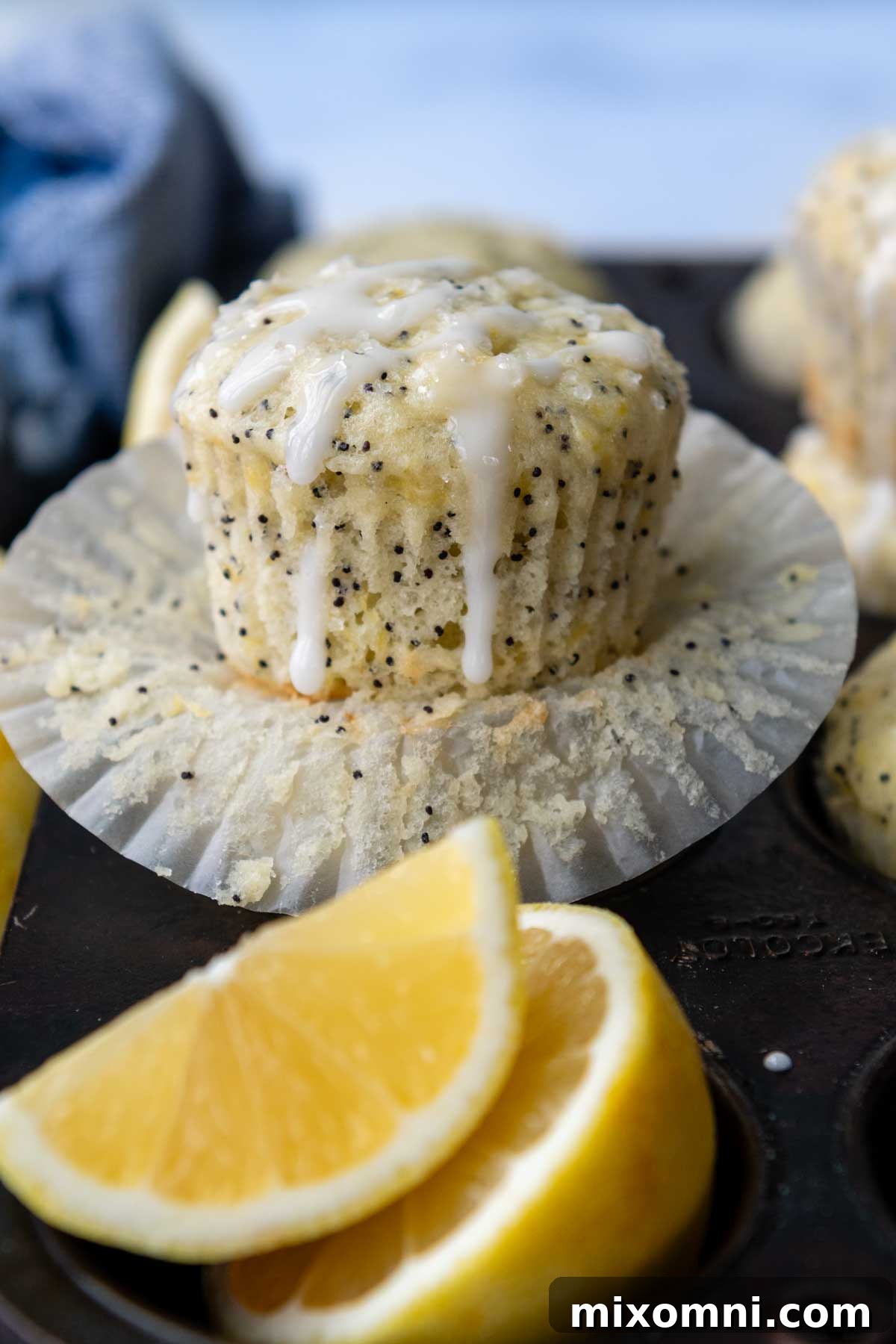
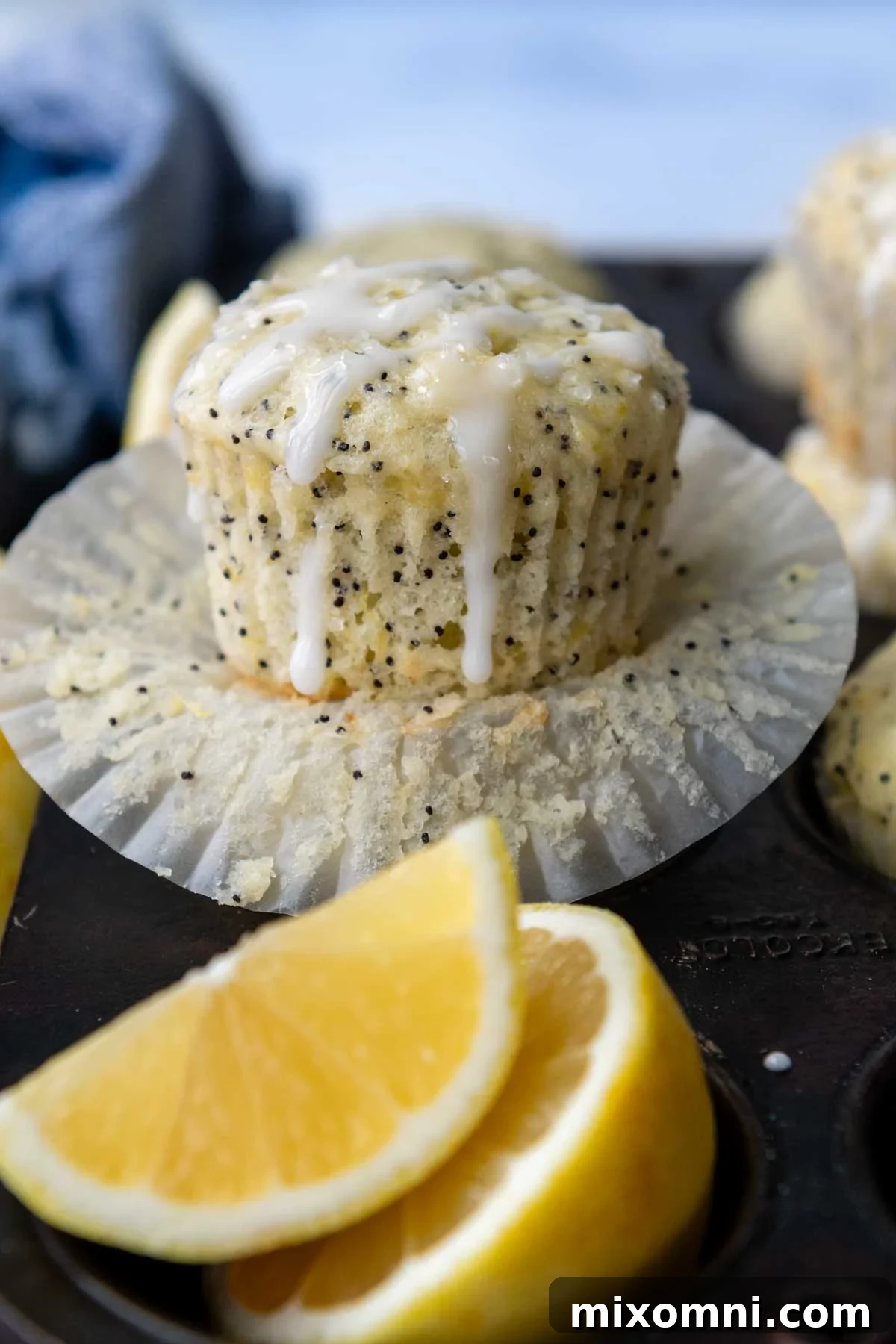
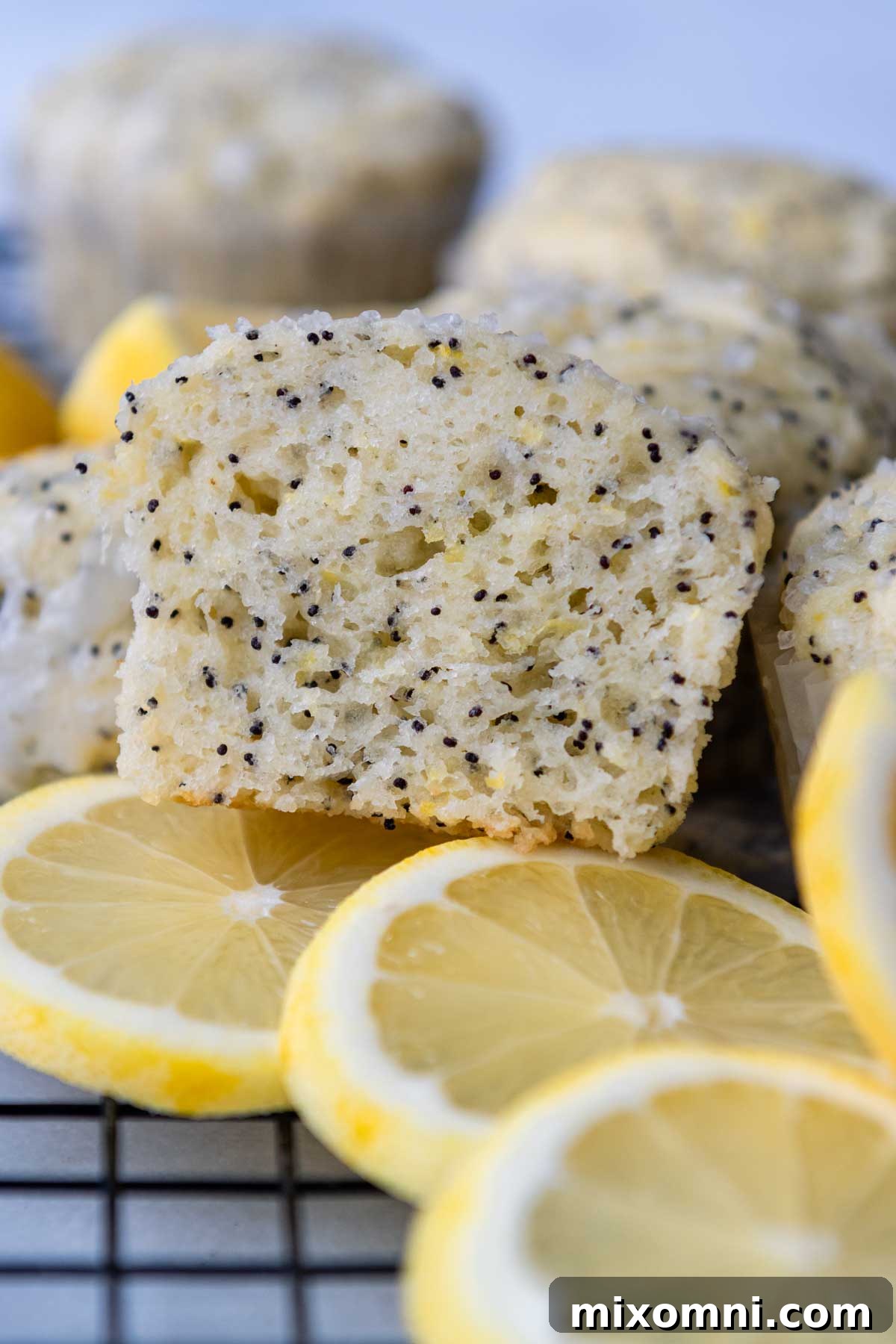
Experience the pure delight of fresh, bakery-style gluten-free lemon and poppy seed muffins, crafted effortlessly in your own kitchen. This recipe leverages the magic of yogurt (or sour cream) to guarantee an irresistibly moist yet perfectly fluffy texture, setting them apart from typical gluten-free baked goods. Each homemade lemon muffin boasts a bright, zesty crumb, beautifully complemented by a shimmering lemon drizzle glaze. Drawing from years of dedicated recipe testing and extensive gluten-free baking experience, we’ll share invaluable tips to help you achieve muffin perfection every time. Get ready to bake a batch that will impress even the most discerning palates!
Crafting the Perfect Gluten-Free Lemon Poppy Seed Muffins: A Recipe Deep Dive
When it comes to developing exceptional homemade gluten-free muffin recipes, the texture of the crumb is always our top priority. For these gluten-free lemon poppy seed muffins, our mission was clear: to strike that delicate balance between profound moisture and an airy, light fluffiness, crowned with that coveted, beautifully domed muffin top. Achieving this distinctive texture in gluten-free baking requires a nuanced approach, particularly concerning the fat content and its interaction with the flour blend.
The secret lies in the strategic combination of fats used in conjunction with high-quality gluten-free flour. Relying solely on butter, for instance, tends to emphasize fluffiness, yielding results similar to our beloved gluten-free apple crumb muffins. Conversely, for muffins where extreme moistness is paramount, like our spiced gluten-free zucchini muffins, an all-oil approach is ideal.
However, lemon poppy seed muffins traditionally boast a unique texture – a perfect equilibrium of moistness married with a soft, tender crumb. To replicate this classic profile in a gluten-free format, we’ve developed a precise methodology: employing an equal ratio of butter and oil, augmented by the invaluable addition of yogurt or sour cream. This thoughtful combination is the cornerstone of their success.
But why this specific combination, you ask? Because this particular recipe calls for a slightly higher quantity of gluten-free flour to provide structure and body, especially since poppy seeds, unlike blueberries, nuts, or chocolate chips, don’t contribute significant bulk to the batter. Instead of merely increasing the fat, which gluten-free flour often struggles to absorb efficiently without becoming greasy, the yogurt or sour cream serves a dual purpose. It injects a burst of moisture and, crucially, coats the gluten-free starches. This protective coating is vital for eliminating any potential grittiness that can arise from excess flour, ensuring every bite is smooth, tender, and utterly delightful.
As you continue reading, you’ll uncover even more expert tips for making the absolute best lemon and poppy seed muffins with glaze. We’ll delve into techniques to amplify that vibrant lemon flavor, explore dairy-free modifications for those with dietary restrictions, recommend the optimal gluten-free flour blends for unparalleled results, and walk you through creating an effortless, yet exquisite lemon drizzle to crown your masterpieces. Prepare to elevate your gluten-free baking game!
Essential Ingredients for Outstanding Gluten-Free Lemon Poppy Seed Muffins
Beyond the foundational fresh lemons and creamy yogurt or sour cream, the ingredients required to craft these delectable muffins from scratch are simple pantry staples. This versatile recipe yields a generous batch of 16 muffins, perfect for sharing or enjoying throughout the week. If a full batch is more than you need, feel free to halve the recipe or simply freeze a portion for later enjoyment.
- Gluten-Free All-Purpose Flour: The very essence of a successful gluten-free muffin hinges on the quality of your flour blend. After extensive testing, we’ve consistently found Cup4Cup gluten-free flour to be exceptionally superior, particularly for achieving the desired structure and delicate crumb in gluten-free breads and muffins. Its carefully balanced blend, often including rice flour, cornstarch, tapioca starch, and usually xanthan gum, mimics the properties of wheat flour remarkably well. While Cup4Cup is our top recommendation for consistent bakery-style results, other high-quality, cup-for-cup gluten-free blends (those specifically designed for 1:1 substitution) can also yield good results. Always ensure your chosen blend contains xanthan gum or add it separately if not included, as it provides elasticity often missing in gluten-free baking. For best accuracy, always weigh your gluten-free flour using a kitchen scale rather than relying on volume measurements.
- Sour Cream or Yogurt: This ingredient is a true game-changer, imparting a subtle tang reminiscent of buttermilk while simultaneously enhancing moisture and tenderness. Its thicker consistency also contributes to a sturdier muffin batter, which is crucial for building a beautiful, domed structure. For those requiring dairy-free muffins, excellent alternatives include full-fat coconut milk yogurt or almond milk yogurt. When selecting a dairy-free option, prioritize varieties with a higher fat content, as this will best replicate the richness and moisturizing properties of traditional sour cream or yogurt. Ensure these ingredients are at room temperature for optimal mixing and emulsification.
- Butter and Oil: This recipe intelligently combines the best of both fats. Melting the butter before incorporating it into the wet ingredients helps to hydrate the starches in the gluten-free flour more effectively than softened butter, leading to a more tender crumb. The oil, on the other hand, contributes to overall moistness and keeps the muffins tender for longer. For dairy-free muffins, simply substitute the butter with vegan butter sticks, which are designed to behave similarly to dairy butter in baking. For the oil component, any neutral-flavored oil such as canola oil, vegetable oil, or melted refined coconut oil will work beautifully without imparting unwanted flavors.
- Fresh Lemons: To achieve that irresistible, bright citrus flavor, you’ll need approximately 4 large, ripe lemons for this recipe. We employ a triple threat of lemon goodness: both the vibrant lemon zest and freshly squeezed lemon juice are incorporated directly into the batter. For an extra layer of intense lemon aroma and taste, a touch of lemon extract is also added. Additionally, more fresh lemon juice is reserved to create the delightful, tangy glaze that crowns these muffins. Maximize your zest by using a microplane, and ensure you extract all the juice by rolling the lemons firmly on a counter before slicing and juicing.
- Poppy Seeds: These tiny seeds are not just for visual appeal; they add a subtle nutty flavor and a delicate crunch that is quintessential to lemon poppy seed muffins. You can typically find poppy seeds in the baking aisle of most grocery stores, often alongside other spices. If you find yourself frequently baking with poppy seeds, it’s often more cost-effective to purchase a larger bottle, as they boast an impressive shelf life of 3-4 years when stored properly in a cool, dark pantry.
- Granulated Sugar: Provides sweetness and helps with browning and tenderizing the muffins.
- Large Eggs: Act as a binder, provide structure, and add richness. Ensure they are at room temperature to help emulsify with other wet ingredients.
- Milk: Contributes to the overall liquid content and moistness of the batter. Any milk (dairy or non-dairy) can be used, ensuring it’s at room temperature.
- Baking Powder & Baking Soda: These leavening agents are crucial for giving the muffins their signature rise and fluffy texture. Baking soda reacts with the acidic components (lemon juice, sour cream/yogurt) to create lift, while baking powder provides additional leavening.
- Salt: A small but mighty ingredient, salt enhances all the other flavors and balances the sweetness, making the lemon notes even brighter.
Bake Together: A Detailed Step-by-Step Guide to Gluten-Free Lemon Poppy Seed Muffins
(Below you’ll find comprehensive step-by-step photos and detailed instructions designed to guide you through every stage of the baking process. For precise ingredient measurements and a printable version, please refer to the complete recipe card further down the page.)
One Bowl Wonder: Starting with a Burst of Lemon!
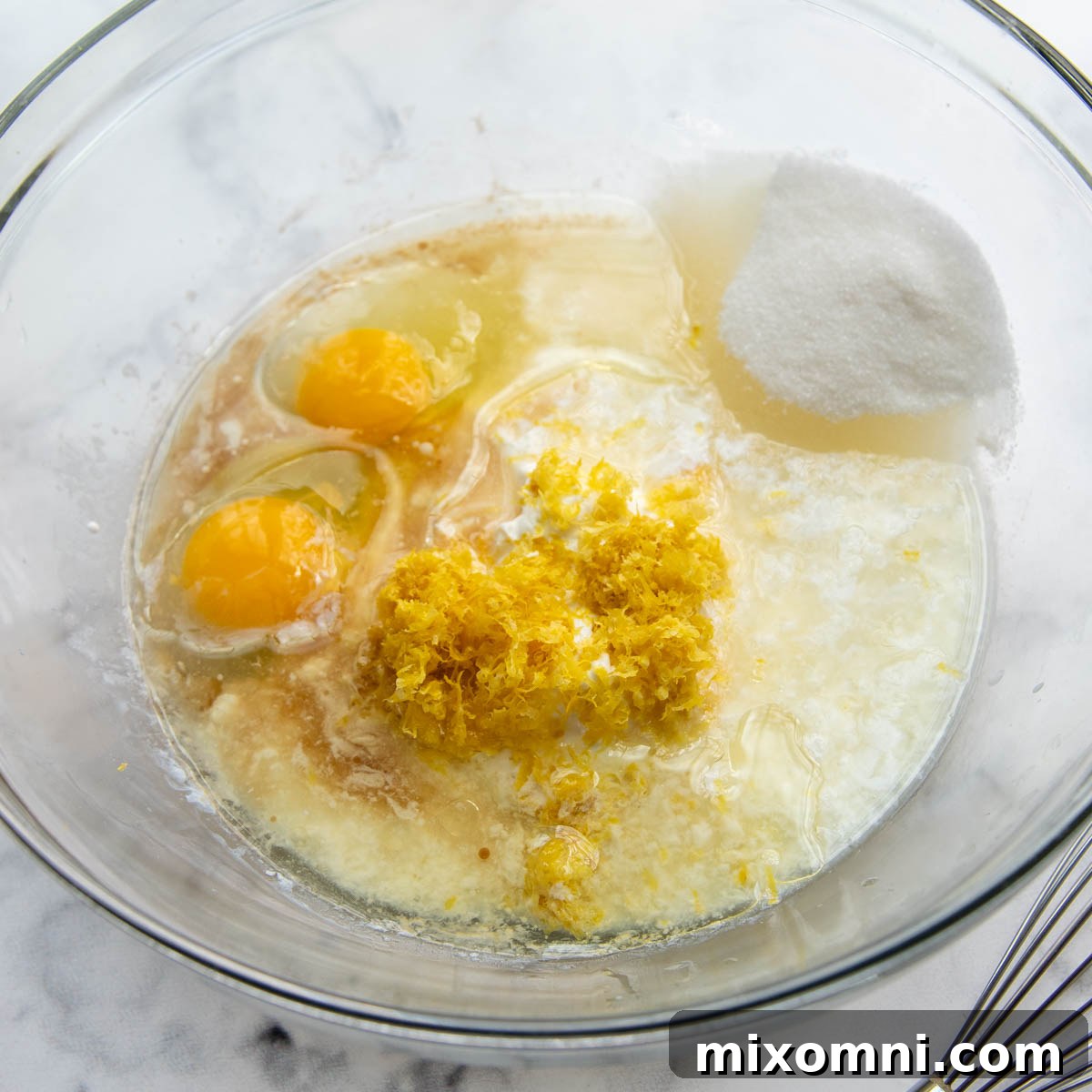
Begin by preparing your wet ingredients, the vibrant foundation of these muffins. In a large mixing bowl, thoroughly whisk together the melted and cooled unsalted butter, neutral oil, granulated sugar, room-temperature sour cream (or yogurt), large eggs, fresh lemon juice, and plenty of lemon zest. Finally, enhance the citrus profile with both lemon and vanilla extract. Notice how we create a powerful trifecta of lemon flavor? Zest provides aromatic oils, juice delivers bright acidity, and extract intensifies the overall lemon essence, ensuring every bite sings with sunshine! Ensure all cold ingredients, especially eggs and dairy, are at room temperature before mixing for a smoother, more emulsified batter.
Gently Combine Dry Ingredients – Almost There!
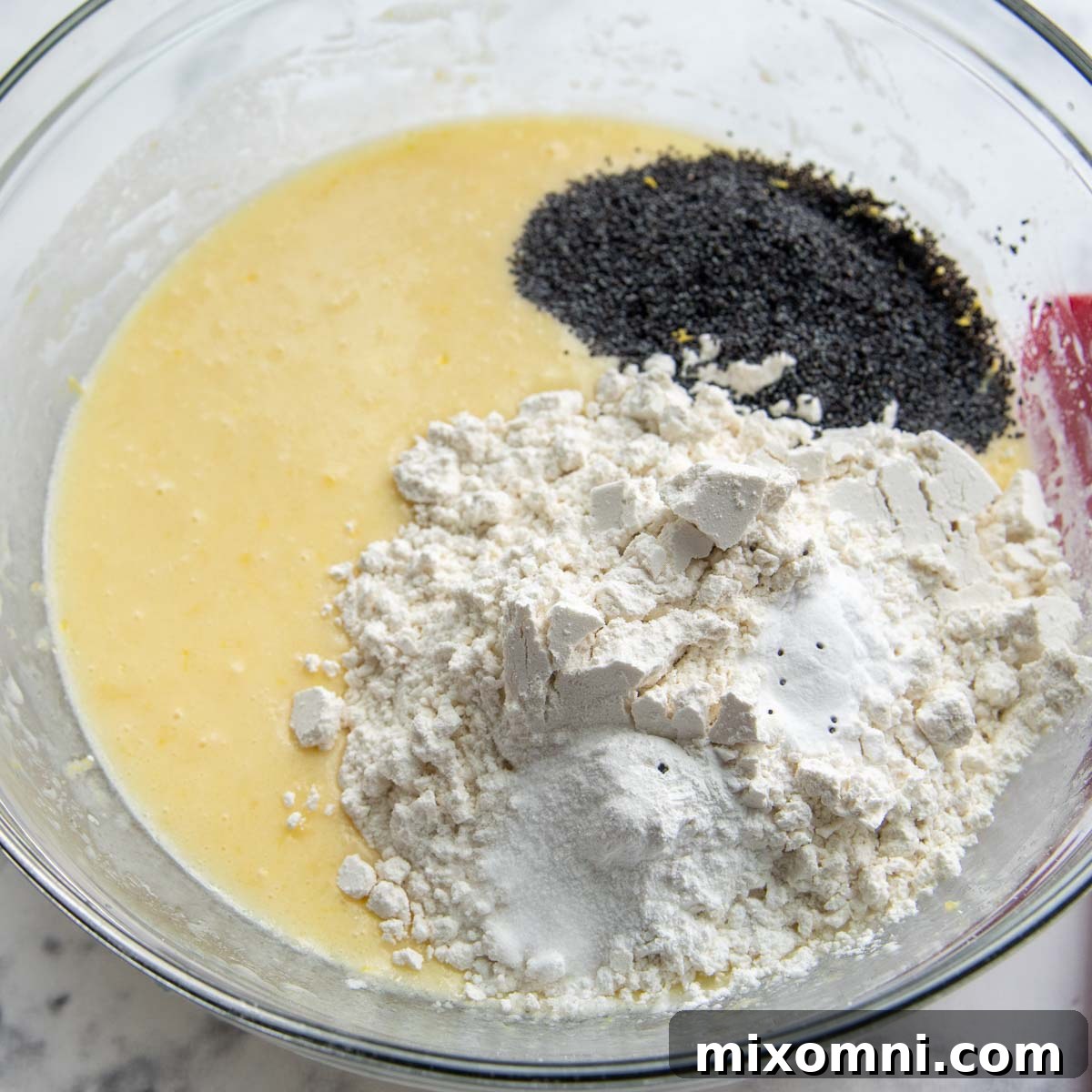
Now, it’s time to introduce the dry components to your lemon-infused wet mixture. Add the gluten-free all-purpose flour, poppy seeds, baking powder, baking soda, and salt directly into the bowl. Using a spatula or wooden spoon, gently stir until just combined. The key here is not to overmix; overmixing gluten-free batter can lead to a tougher texture and prevent those desirable domed tops. A few streaks of flour are perfectly acceptable. This careful mixing ensures the leavening agents are evenly distributed without overworking the starches.
The Magic Touch: Filling, Resting, and Achieving Perfect Domes
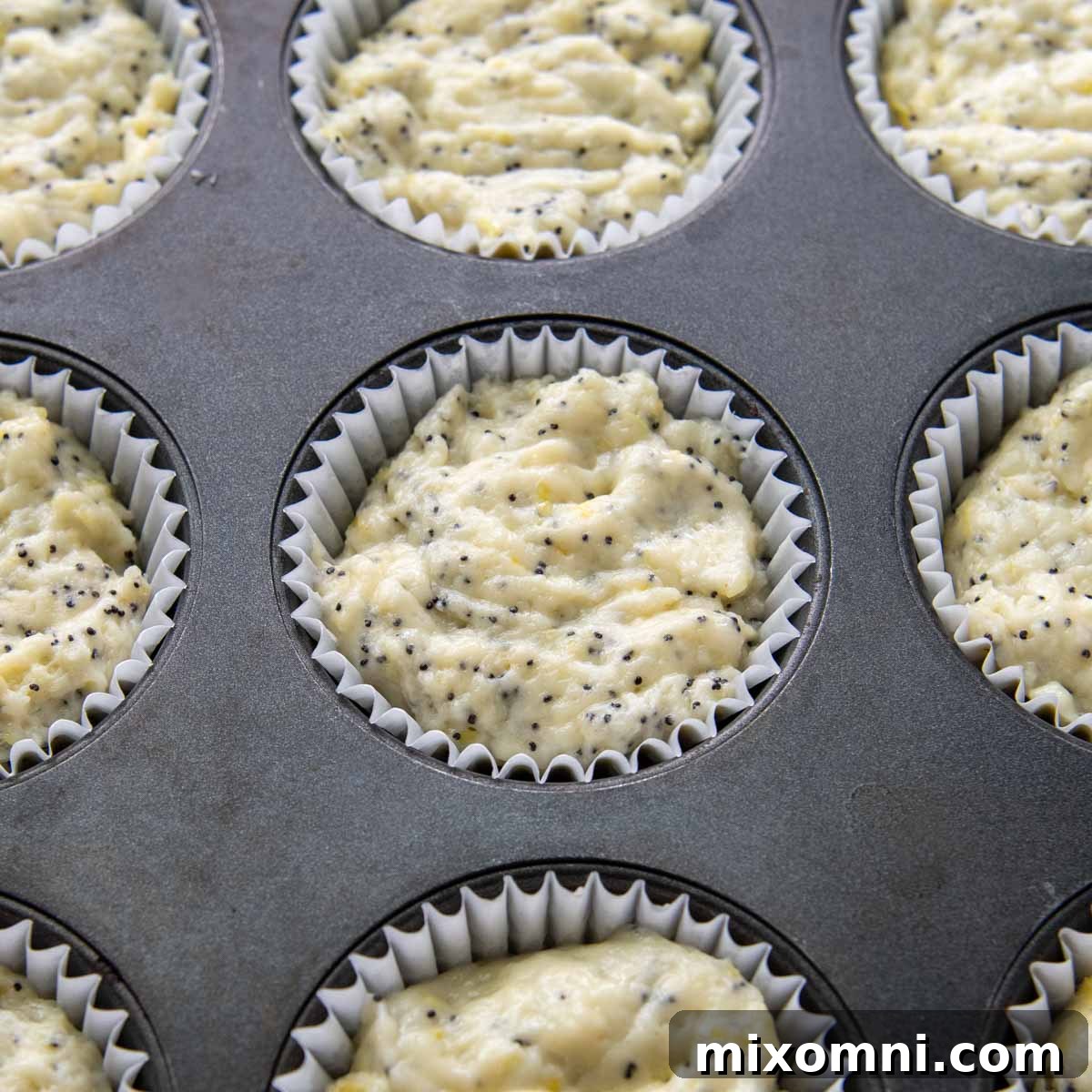
While your oven begins to preheat, prepare your muffin tin. Use a large trigger scoop (a crucial tool for consistent muffin sizes) to evenly divide the batter among the prepared cupcake liners. Fill each liner almost completely to the top, as illustrated in the accompanying picture. This generous filling is essential for achieving those coveted, high-domed bakery-style muffin tops. If you desire a perfectly smooth finish, you can use a silicone spoon or slightly dampened fingertips to gently smooth the tops of the batter before baking.
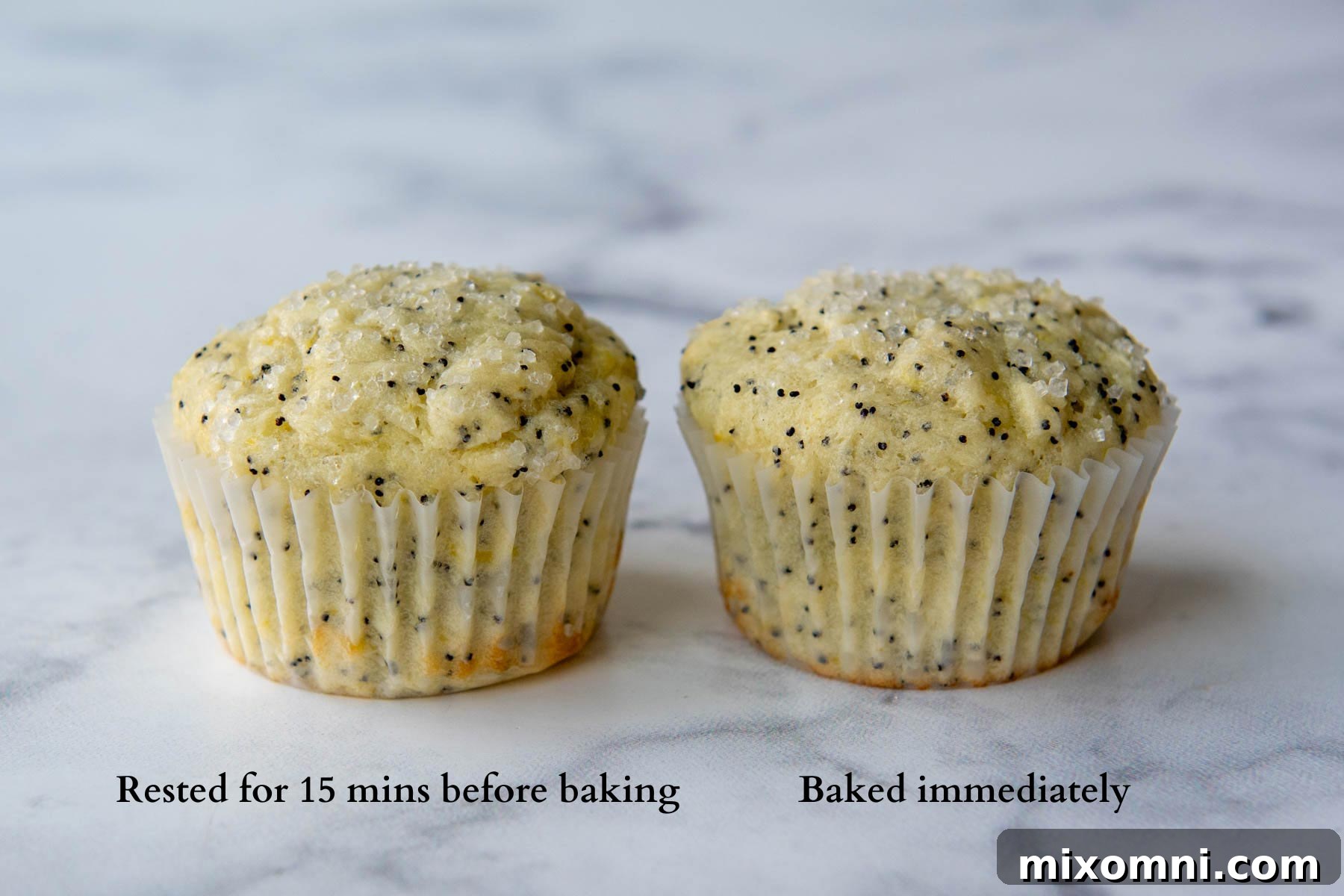
Now for the secret ingredient: time. Set your filled muffin tin aside for a crucial 15-minute resting period while the oven continues to preheat. This resting phase is particularly vital in gluten-free baking. During this time, the starches in the gluten-free flour have an opportunity to fully hydrate and absorb moisture from the wet ingredients. This leads to a significantly softer, more tender crumb and helps prevent a dry or crumbly texture. However, balance is key; avoid letting the batter sit for too long, as excessive moisture absorption can paradoxically result in dry muffins once baked. If you are short on time and cannot allow the batter to rest, you may bake the muffins immediately, but be aware that they might have slightly flatter tops. The rest truly contributes to that professional, domed appearance.
Save this Recipe to Your Pinterest Board!
Let’s be friends on Pinterest! I’m always sharing great recipes!
Did you make this recipe? I love hearing from you! Leave a star rating and comment below the recipe card. It helps others when searching for recipes and I appreciate feedback from our community. You will always hear back from me! -Melissa

Fluffy, Moist Gluten-Free Lemon Poppy Seed Muffins

Melissa Erdelac
16
5 minutes
16 minutes
36 minutes
Pin
Rate
Remove Ads
Ingredients
-
4 tablespoons
(57 g)
unsalted butter, melted and cooled -
¼ cup
(55 g)
oil, any preferred -
¾ cup
(150 g)
granulated sugar -
¾ cup
(184 g)
sour cream or yogurt, room temperature -
¼ cup
(61 g)
milk -
2
large eggs, room temperature -
3 tablespoons
(18 g)
lemon zest, (about 4 lemons) -
4 tablespoons
(43 g)
fresh lemon juice -
1 teaspoon
lemon extract -
1 teaspoon
vanilla extract -
2 cups
(292 g)
gluten free all purpose flour -
2 tablespoons
(18 g)
poppy seeds -
1 ½ teaspoon
baking powder -
1 teaspoon
baking soda -
½ teaspoon
salt
Lemon Glaze
-
1 cup
(120 g)
powdered sugar -
1 ½ tablespoon
fresh lemon juice
Equipment
-
Citrus Juicer
-
Large Cookie Scoop
-
Zester
Instructions
-
Line 16 muffin tins with paper liners. Set aside. The oven will preheat later while the batter rests, contributing to better muffin rise and texture.
-
In a large mixing bowl, whisk together the melted and cooled butter, oil, sugar, sour cream, milk, eggs, lemon juice and zest, lemon and vanilla extract until well combined and smooth.4 tablespoons unsalted butter,
¼ cup oil,
¾ cup granulated sugar,
¾ cup sour cream or yogurt,
¼ cup milk,
2 large eggs,
3 tablespoons lemon zest,
4 tablespoons fresh lemon juice,
1 teaspoon lemon extract,
1 teaspoon vanilla extract -
To the bowl, add the gluten-free flour, poppy seeds, baking powder, baking soda, and salt. Stir gently with a spatula or wooden spoon until just combined. Be careful not to overmix the batter; a few streaks of flour are fine.2 cups gluten-free all-purpose flour,
2 tablespoons poppy seeds,
1 ½ teaspoon baking powder,
1 teaspoon baking soda,
½ teaspoon salt -
Preheat the oven to 350ºF (175ºC). Use a large trigger scoop to divide the batter evenly between the 16 cupcake liners. The batter should fill each liner almost to the top (refer to the picture in the post for visual guidance). For a smoother finish, gently smooth the tops of the batter with a silicone spoon or slightly wet fingers before baking. Crucially, set the filled muffin tin aside to rest for 15 minutes while the oven completes its preheating cycle. This resting period allows the gluten-free starches to fully hydrate, leading to a more tender and cohesive crumb. If time is short, you can bake immediately, but the muffin tops may not be as high or perfectly domed.
-
Bake the muffins for 16-18 minutes. For even baking, rotate and turn the pans halfway through the baking time. The muffins are done when their tops appear fully set and a wooden toothpick inserted into the center comes out clean or with only a few moist crumbs attached. With gluten-free baking, it’s often better to slightly err on the side of overbaking, as they can sometimes look “done” on the outside before being fully set through the center.
-
Allow the muffins to cool in the pan for 5 minutes before carefully transferring them to a wire rack to cool completely. For the lemon glaze, whisk together the powdered sugar and fresh lemon juice in a small bowl until smooth and of drizzling consistency. Place a large piece of wax paper or a baking sheet underneath the cooling rack to catch any drips. Once the muffins are cool, generously pour or drizzle the prepared glaze over the tops using a small spoon. Let the glaze set before serving.1 cup powdered sugar,
1 ½ tablespoon fresh lemon juice
Notes
Storing and Freezing Tips for Gluten-Free Muffins
To maintain their optimal freshness and delightful texture, once your gluten-free lemon poppy seed muffins have completely cooled and the glaze has fully set, store them in an airtight container at room temperature for up to 2 days. It’s crucial to avoid storing them in the refrigerator, as the cold air can quickly dry out gluten-free baked goods, making them dense and crumbly. Additionally, covering the muffins tightly with plastic wrap can trap moisture, potentially making the tops slightly sticky or wet. A better approach is to loosely cover them with aluminum foil if you prefer to keep them directly on the counter for a short period, allowing some air circulation.
For prolonged freshness and to truly enjoy them at their best, we highly recommend freezing your gluten-free muffins immediately after they have cooled and the glaze has set. Gluten-free baked goods tend to dry out more quickly than their wheat-based counterparts because moisture evaporates faster from gluten-free starches. To freeze, individually wrap each cooled muffin tightly in plastic wrap, then place them in a freezer-safe airtight container or a heavy-duty freezer bag. They can be stored in the freezer for up to 3 months. When you’re ready to enjoy one, simply unwrap it and let it thaw at room temperature for about 30-60 minutes, or gently warm it in the microwave for 15-30 seconds for that freshly-baked experience. This method ensures you always have a delicious, moist muffin on hand, preserving their quality for weeks.
Calories:
211
kcal
,
Carbohydrates:
29
g
,
Protein:
3
g
,
Fat:
10
g
,
Saturated Fat:
3
g
,
Polyunsaturated Fat:
2
g
,
Monounsaturated Fat:
4
g
,
Trans Fat:
0.1
g
,
Cholesterol:
35
mg
,
Sodium:
177
mg
,
Potassium:
81
mg
,
Fiber:
2
g
,
Sugar:
18
g
,
Vitamin A:
191
IU
,
Vitamin C:
4
mg
,
Calcium:
64
mg
,
Iron:
1
mg
Did you make this recipe?
Please leave a star rating and review below. It helps others when searching for recipes and I LOVE feedback!