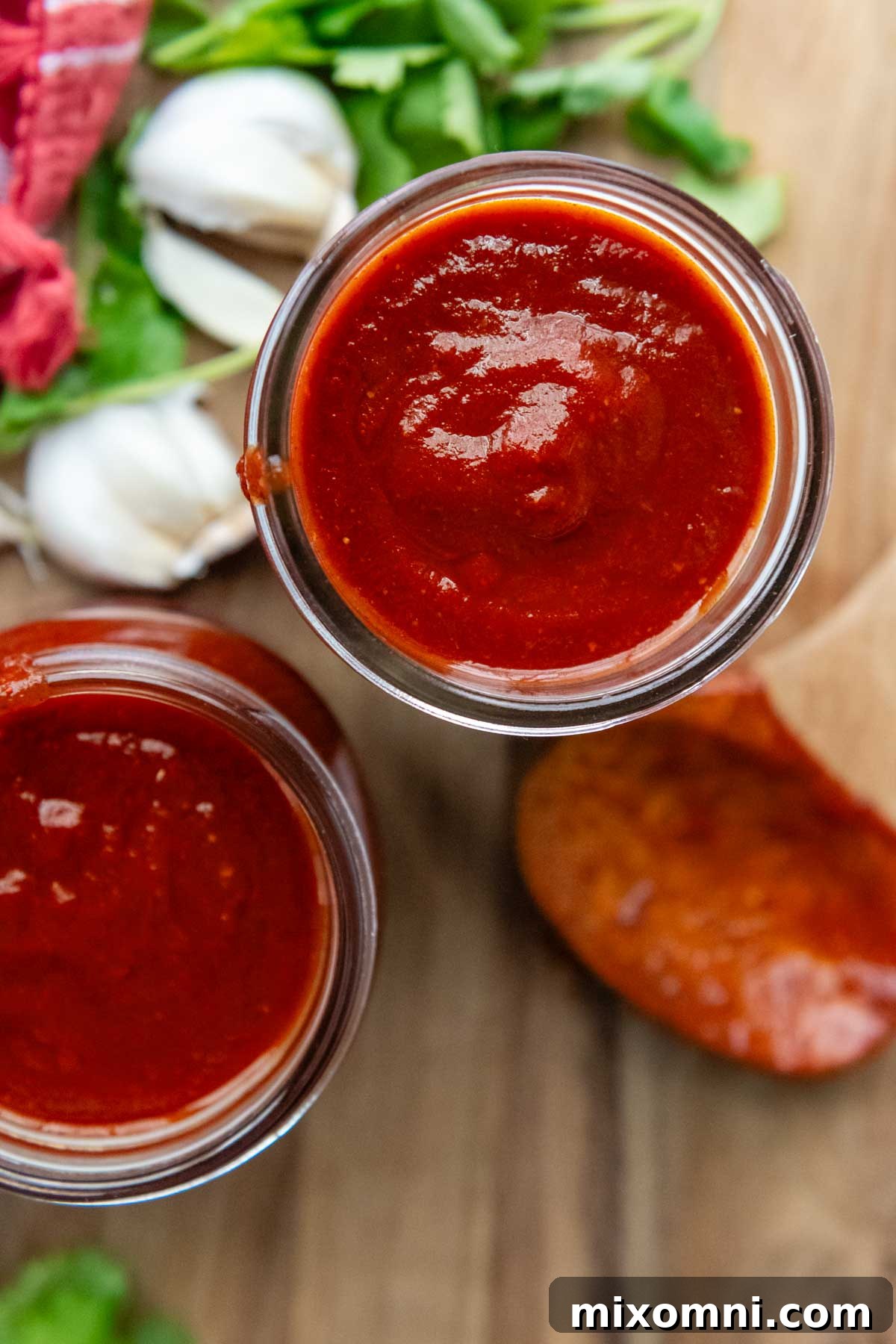
When you’re craving the rich, comforting flavors of Mexican cuisine – be it savory enchiladas, hearty soups, or cheesy casseroles – a flavorful enchilada sauce is the ultimate foundation. However, navigating the world of store-bought sauces can be a challenge, especially for those adhering to a gluten-free diet. Many commercial brands unfortunately contain flour as a thickener, making them unsuitable. This article introduces a simple, quick, and incredibly delicious solution: a homemade, flourless enchilada sauce that comes together in just 5 minutes using common pantry staples. Not only is this recipe more affordable than specialty gluten-free options, but it also delivers an authentic, robust flavor that will elevate any Mexican-inspired dish.
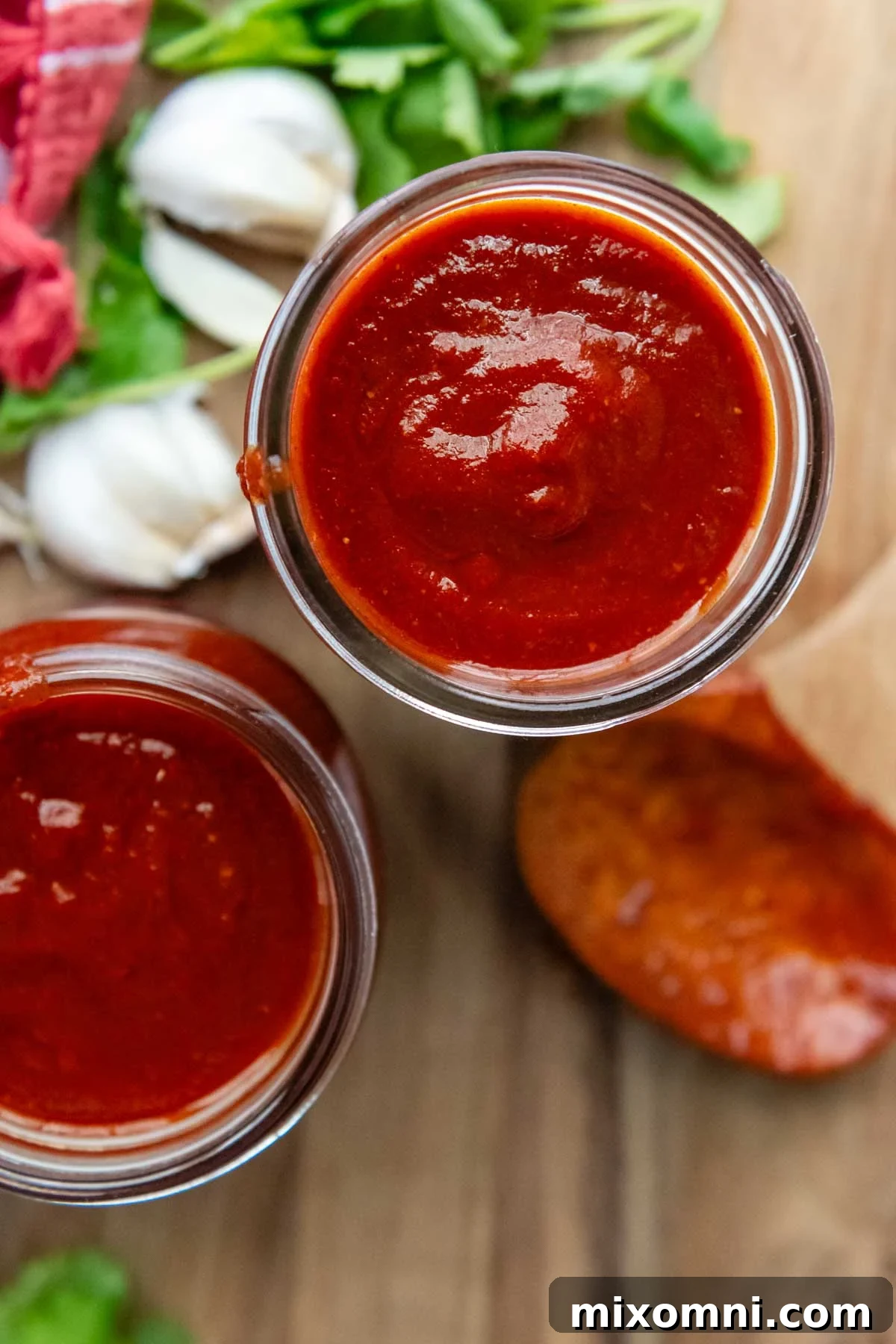
Effortless Homemade Gluten-Free Enchilada Sauce
While many traditional Mexican recipes are naturally gluten-free, certain prepared ingredients require careful scrutiny. Enchilada sauce is a prime example, as a significant number of canned varieties include flour or wheat starch for thickening. This can be frustrating when you’re preparing beloved dishes like homemade gluten-free enchilada casseroles, hearty beef tamale pie, or even simply looking for a quick topping. Reading ingredient labels becomes an essential, albeit time-consuming, task.
If you’ve ever struggled to find a reliable gluten-free enchilada sauce, felt overwhelmed by confusing labels, or simply prefer a version free from flour and wheat starch, this recipe offers a perfect solution! The quest for genuinely gluten-free pantry staples is a familiar one, which is why I’m also a huge advocate for making quick homemade gluten-free taco seasoning. This flourless enchilada sauce is crafted from readily available ingredients such as canned tomato sauce, aromatic garlic, robust chili powder, earthy cumin, and other essential seasonings, delivering a rich, complex flavor that tastes truly authentic.
Dive in to learn everything about crafting this no-flour enchilada sauce. We’ll explore safe gluten-free brands, innovative ways to incorporate this versatile sauce into various gluten-free Mexican dishes, and a plethora of other helpful tips and tricks to make your cooking experience seamless and delicious.
Essential Ingredients: A Detailed Breakdown
Creating this flavorful gluten-free enchilada sauce relies on a few key ingredients. Understanding the role of each component not only helps in making the sauce but also empowers you to customize it to your preference.
Tomato Sauce: The heart of our red enchilada sauce. A 15-ounce can is ideal, providing the perfect base. If you only have smaller cans on hand, two 8-ounce cans will work just as well. Opt for a plain, unsalted tomato sauce to best control the overall seasoning.
Garlic: Freshly minced garlic, sautéed in a touch of butter or oil, unlocks a deeper, more aromatic flavor that is essential for an authentic taste. For those busy days when time is of the essence, a shortcut is to use prepared garlic paste or simply add 1 teaspoon of garlic powder along with the other dry spices.
Butter: This ingredient adds a delightful richness and depth to the sauce, enhancing its mouthfeel and overall flavor profile. For a dairy-free or vegan gluten-free recipe, effortlessly substitute butter with an equal amount of olive oil or any other preferred cooking oil.
Apple Cider Vinegar: A small amount of apple cider vinegar is a secret weapon in this recipe. It introduces a subtle tang and bright acidity that balances the sweetness of the tomato and the warmth of the spices, creating a more complex and well-rounded flavor profile.
Spices: The magic behind any great enchilada sauce lies in its spice blend. This recipe calls for a harmonious combination of chili powder, cumin, onion powder, dried oregano, and a touch of cayenne pepper. These spices collectively build the signature authentic Mexican flavor. Feel free to adjust the amount of cayenne pepper to tailor the spice level to your liking – add more for a fiery kick, or less for a milder taste.
Broth: Even without flour, this sauce naturally achieves a pleasant thickness. However, for the perfect consistency, especially when serving over enchiladas, you’ll want to thin it out slightly. Gluten-free chicken broth is my go-to for adding savory depth. Alternatively, vegetable broth can be used for a vegetarian or vegan version, or simply water if you don’t have broth on hand. Just remember to check broth labels for hidden gluten ingredients.
Let’s Create This Flavorful Sauce Together!
While the convenience of store-bought canned sauces is undeniable, it often comes with a higher price tag and less control over ingredients. This led me to experiment with creating a flourless enchilada sauce from scratch, primarily using canned tomatoes, which are always stocked in my pantry.
An added bonus of making homemade gluten-free enchilada sauce is the ability to customize its consistency. For instance, when I plan to drizzle it generously over my famous gluten-free taco salad, I prefer a thicker consistency. However, for classic enchiladas, where the sauce needs to coat and soak into tortillas, a slightly thinner sauce works best. This recipe allows you to easily adjust it to suit your specific dish.
(The following provides step-by-step guidance. For the complete recipe, including precise ingredient amounts and nutritional information, please scroll down to the recipe card below.)
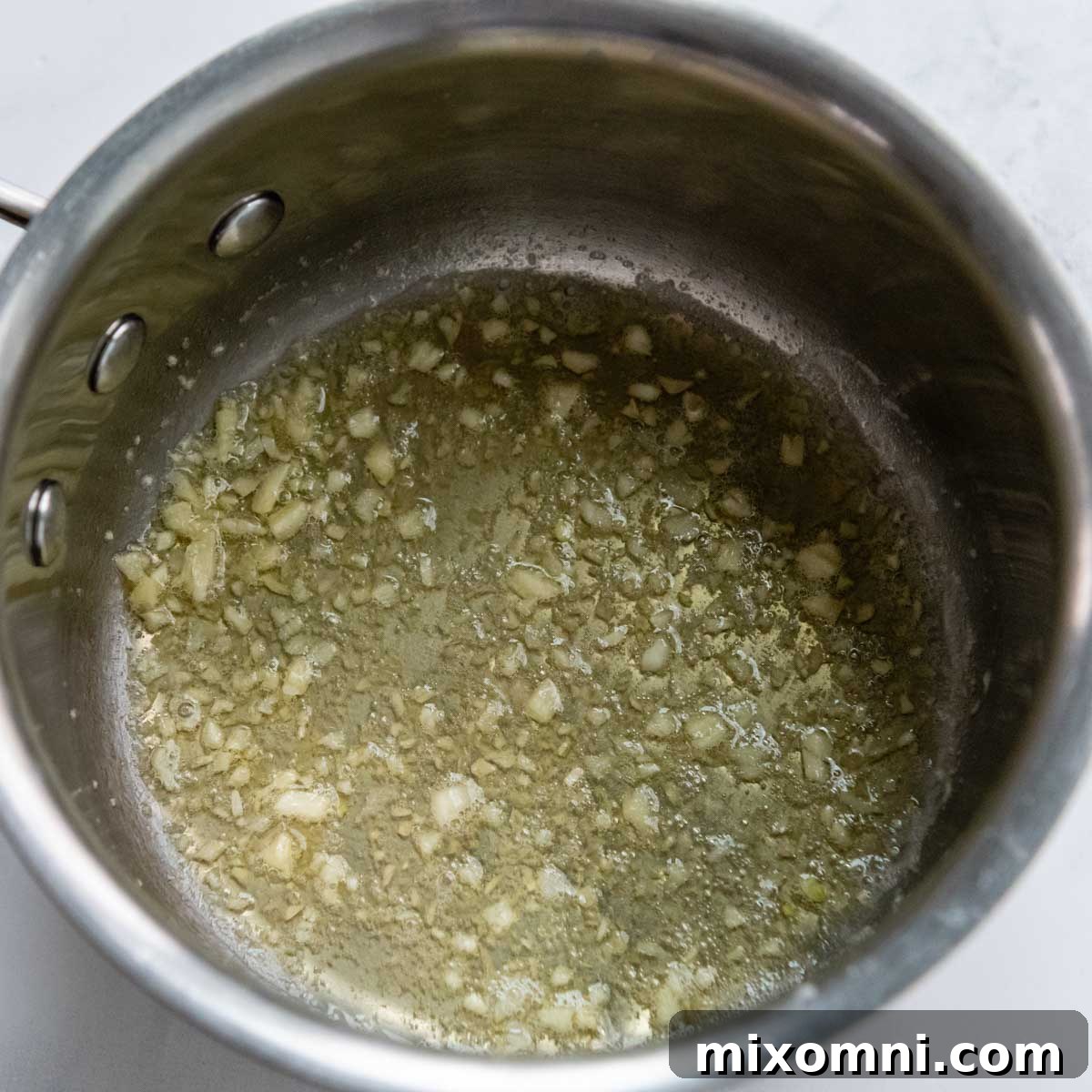
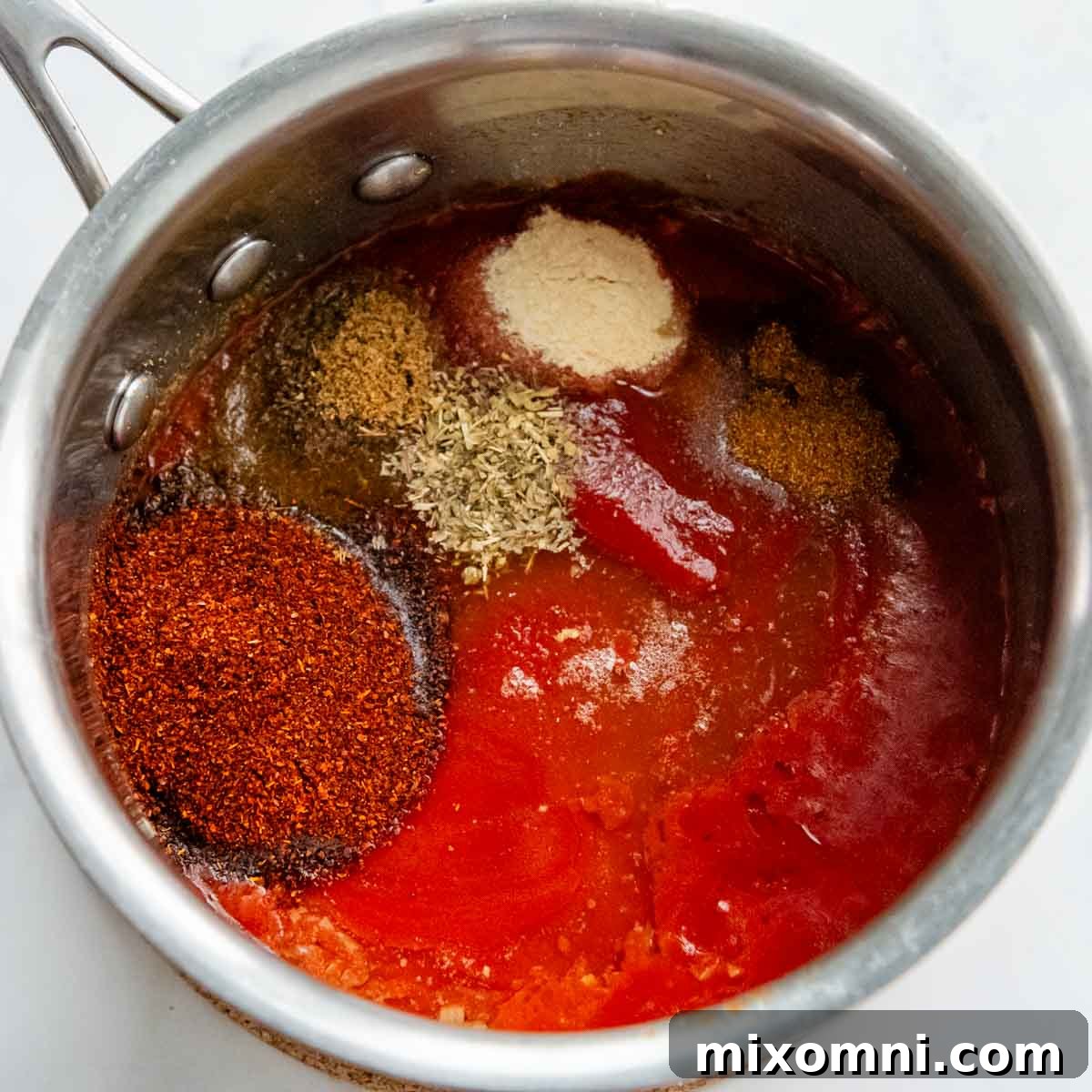
- To begin, select a medium-sized saucepan. Tomato sauces have a tendency to splash as they simmer, so choosing a pan with sufficient room will help prevent splatters and make cleanup easier.
- Melt the butter over medium-low heat. If you’re opting for a dairy-free recipe, heat an equal amount of oil instead. Add the minced garlic and sauté it gently for approximately 1 minute, until it becomes fragrant but not browned. This step releases the garlic’s essential oils, infusing the sauce with a foundational aroma.
- Carefully pour in the canned tomato sauce. To minimize splashing, I often remove the pan from the heat briefly before adding the liquid. Next, stir in the apple cider vinegar and all the dry spices. Bring the mixture to a gentle simmer, then reduce the heat and cook for about 3 minutes. This brief simmering period is crucial for allowing all the flavors to deepen and meld beautifully. Keep a close eye on the pot, as tomato sauce can bubble up and over the edges quite quickly. If you’re truly pressed for time, this simmering step can be shortened or even skipped, though a few minutes of simmering truly enhances the flavor.
- Remove the saucepan from the heat. Gradually stir in the gluten-free chicken broth (or vegetable broth/water) until the sauce reaches your desired consistency. I typically add between ⅓ to ½ cup. If you’re preparing gluten-free enchiladas and plan to dip corn tortillas in the sauce before rolling, you might prefer to add a little more broth to achieve a thinner consistency that coats the tortillas easily. This recipe yields approximately 2 cups of delicious, ready-to-use enchilada sauce.
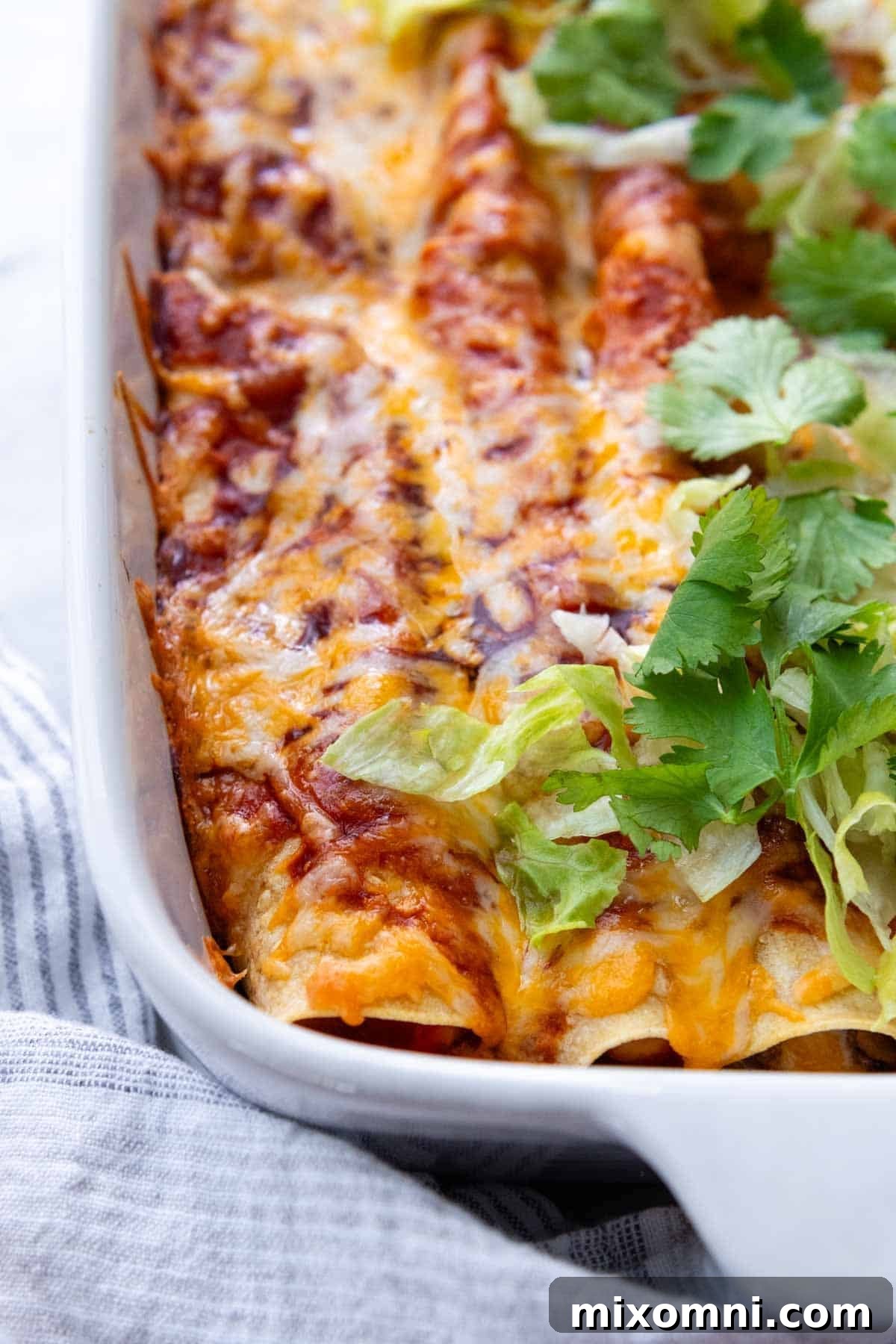
Versatile Uses for Your Homemade Enchilada Sauce
This red enchilada sauce is incredibly versatile and can be used in countless ways, often as a flavorful substitute for salsa in various recipes. Its quick preparation and reliance on pantry staples mean you’ll always have a fresh, vibrant base ready for your Mexican culinary adventures.
- Classic Enchiladas: The primary use, of course! Drench gluten-free chicken enchiladas or beef enchiladas in this rich sauce for an authentic and satisfying meal. Its homemade touch truly elevates the dish.
- Boost Beans: Stir a few tablespoons of this sauce into refried beans or mashed black beans for an instant flavor upgrade. It adds a depth that transforms a simple side dish into something special.
- Flavorful Ground Meat: Use it to season ground beef, turkey, or plant-based crumbles for tacos, burritos, or an easy weeknight walking taco casserole recipe. The sauce provides moisture and a burst of Tex-Mex flavor.
- Tender Shredded Chicken: Simmer chicken breasts or thighs in a mixture of enchilada sauce and a little water or broth until tender. Shred the chicken for use in quesadillas, Mexican chicken casserole, nachos, or tacos. It’s an excellent way to prepare flavorful, moist protein.
- Breakfast & Brunch Enhancer: Drizzle generously over huevos rancheros or chilaquiles for a spicy, tangy kick that brightens up any breakfast or brunch spread.
- Soups & Stews: Incorporate into Mexican-inspired soups or chili recipes for added body and a distinctive flavor profile.
- Marinade: Use as a quick marinade for chicken or pork before grilling or baking to infuse it with rich Mexican spices.
- Dipping Sauce: Serve warm as a dipping sauce with corn chips, taquitos, or even as a base for layered dips.
Customizing Your Homemade Sauce
One of the greatest advantages of making your own gluten-free enchilada sauce is the complete control you have over its flavor and texture. This recipe was designed with simplicity and versatility in mind, knowing it would serve as a delicious component in other dishes. However, there are numerous ways to modify it to perfectly suit your palate and dietary needs.
Adjusting Spice Levels: The cayenne pepper is your go-to for controlling the heat. For a milder sauce, reduce or omit the cayenne. If you love a fiery kick, feel free to increase it. You can also experiment with other chili powders like ancho or chipotle for different smoky notes.
Adding Fresh Vegetables: For an even richer, more complex sauce, consider sautéing finely chopped onions, bell peppers, or even mild green chiles along with the garlic in the first step. This adds fresh flavor, texture, and nutritional value. Ensure they are softened before adding the tomato sauce.
Making it Vegetarian or Vegan: To create a delicious vegetarian or vegan sauce that is entirely flour-free, simply replace the chicken broth with an equal amount of good quality vegetable broth. For the fat component, swap out butter for olive oil, avocado oil, or any other plant-based oil. When choosing vegetable broth, always remember to read the ingredient labels carefully, as some brands may surprisingly contain wheat starch or other gluten-containing ingredients. Look for certified gluten-free vegetable broth brands for complete peace of mind.
Achieving Desired Consistency:
- For a Thicker Sauce: If you prefer a very thick sauce, you can simply reduce the amount of broth added, or even omit it entirely. For an extra rich and robustly thick consistency, stir in a couple of tablespoons of tomato paste along with the tomato sauce and spices. This also intensifies the tomato flavor.
- For a Thinner Sauce: If you’re aiming to replicate the consistency of a typical canned enchilada sauce, or need it thinner for dipping tortillas, you’ll want to thin it out slightly more. Gradually add additional gluten-free chicken broth (or water) beyond the suggested ⅓-½ cup until it reaches your preferred flow.
Broth Alternatives: While gluten-free chicken broth provides excellent savory depth, if you don’t have it on hand, water is a perfectly acceptable substitute. Just be aware that using water may dilute the overall flavor slightly, so you might need to taste and adjust the seasonings, adding a little extra salt, black pepper, or even a pinch more of chili powder to maintain the robust taste.
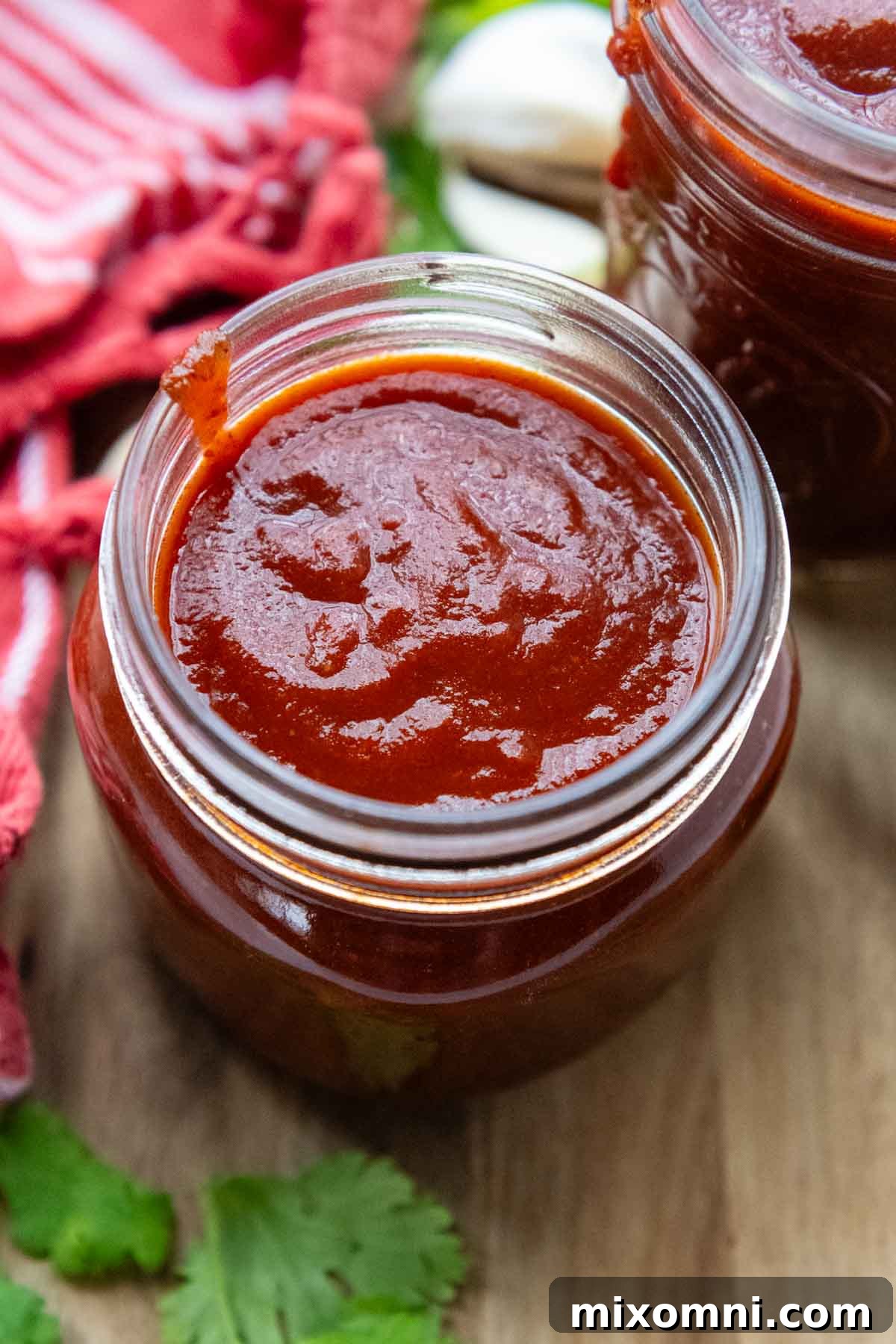
Save This Flavorful Recipe to Your Pinterest Board!
Let’s connect on Pinterest! I’m always sharing wonderful, easy-to-follow recipes!
Did you whip up this fantastic recipe? Your feedback means the world to me! Please leave a star rating and comment below the recipe card. Your reviews help others in our community discover and enjoy these recipes. I genuinely appreciate hearing from you and always respond! -Melissa
5-Minute Gluten-Free Enchilada Sauce

Melissa Erdelac
8
5 minutes
5 minutes
Pin
Rate
Remove Ads
Ingredients
-
2
tablespoons
butter
,
(or oil) -
2
garlic cloves
,
minced -
15
ounce
canned tomato sauce
-
1
teaspoon
apple cider vinegar
-
2
tablespoons
chili powder
-
2
teaspoons
ground cumin
-
1
teaspoon
onion powder
-
½
teaspoon
dried oregano
-
½
teaspoon
salt
-
¼
teaspoon
cayenne pepper
,
or adjust to taste -
⅓-½
cup
gluten-free chicken broth
Instructions
-
Heat a medium saucepan over medium-low heat. Melt the butter or heat the oil. Add the garlic and saute for 1 minute until fragrant.2 tablespoons butter,
2 garlic cloves -
Carefully pour in the canned tomato sauce (I usually remove the pan from the heat briefly to prevent splatters) and then add the vinegar with all the spices. Bring the mixture to a low simmer and cook for 3 minutes to allow the flavors to infuse and deepen. Keep a close eye on the pot during simmering, as tomato sauce can quickly bubble over.15 ounce canned tomato sauce,
2 tablespoons chili powder,
2 teaspoons ground cumin,
1 teaspoon onion powder,
½ teaspoon dried oregano,
½ teaspoon salt,
¼ teaspoon cayenne pepper,
1 teaspoon apple cider vinegar -
Remove the saucepan from the heat. Stir in the gluten-free chicken broth until the sauce reaches your desired consistency. I typically add about ⅓-½ cup. If you are making gluten-free enchiladas and plan to dip corn tortillas, you may want to add a little more broth for a thinner coating consistency. This recipe yields approximately 2 cups of finished sauce.⅓-½ cup gluten-free chicken broth
Notes
Storing and Freezing
Once the homemade enchilada sauce has cooled completely, transfer it to an airtight container or a glass jar.
Store the sauce in the refrigerator for up to 7 days. For longer-term storage, this versatile sauce freezes beautifully for up to 3 months. When you’re ready to use it, simply thaw it overnight in the refrigerator, let it come to room temperature on the counter, or gently defrost it in a microwave-safe container. Stir well before using.
Calories:
48
kcal
,
Carbohydrates:
5
g
,
Protein:
1
g
,
Fat:
3
g
,
Saturated Fat:
2
g
,
Polyunsaturated Fat:
0.4
g
,
Monounsaturated Fat:
1
g
,
Trans Fat:
0.1
g
,
Cholesterol:
8
mg
,
Sodium:
490
mg
,
Potassium:
217
mg
,
Fiber:
2
g
,
Sugar:
2
g
,
Vitamin A:
945
IU
,
Vitamin C:
4
mg
,
Calcium:
24
mg
,
Iron:
1
mg
Did you make this recipe?
Please leave a star rating and review below. It helps others when searching for recipes and I LOVE feedback!