
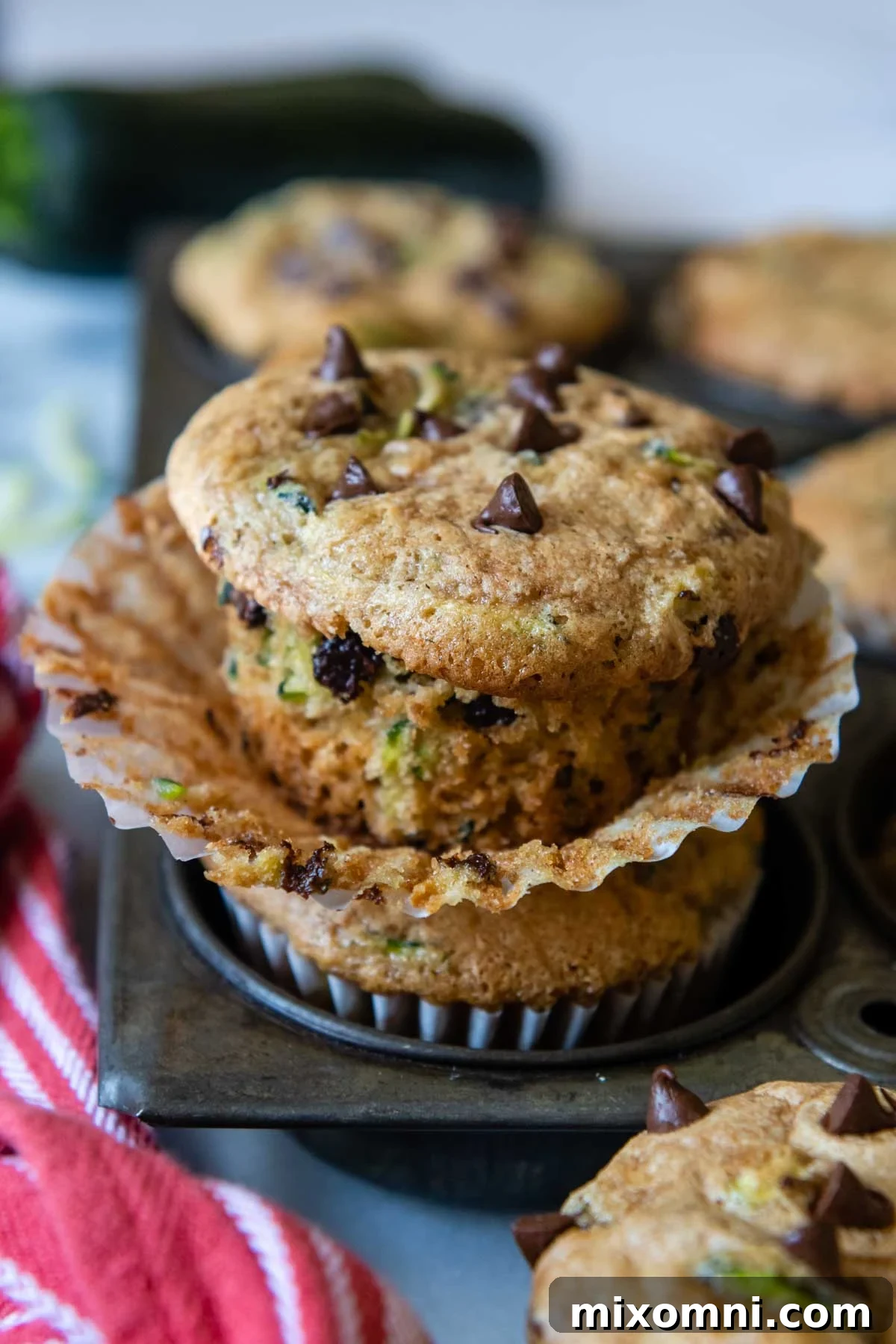
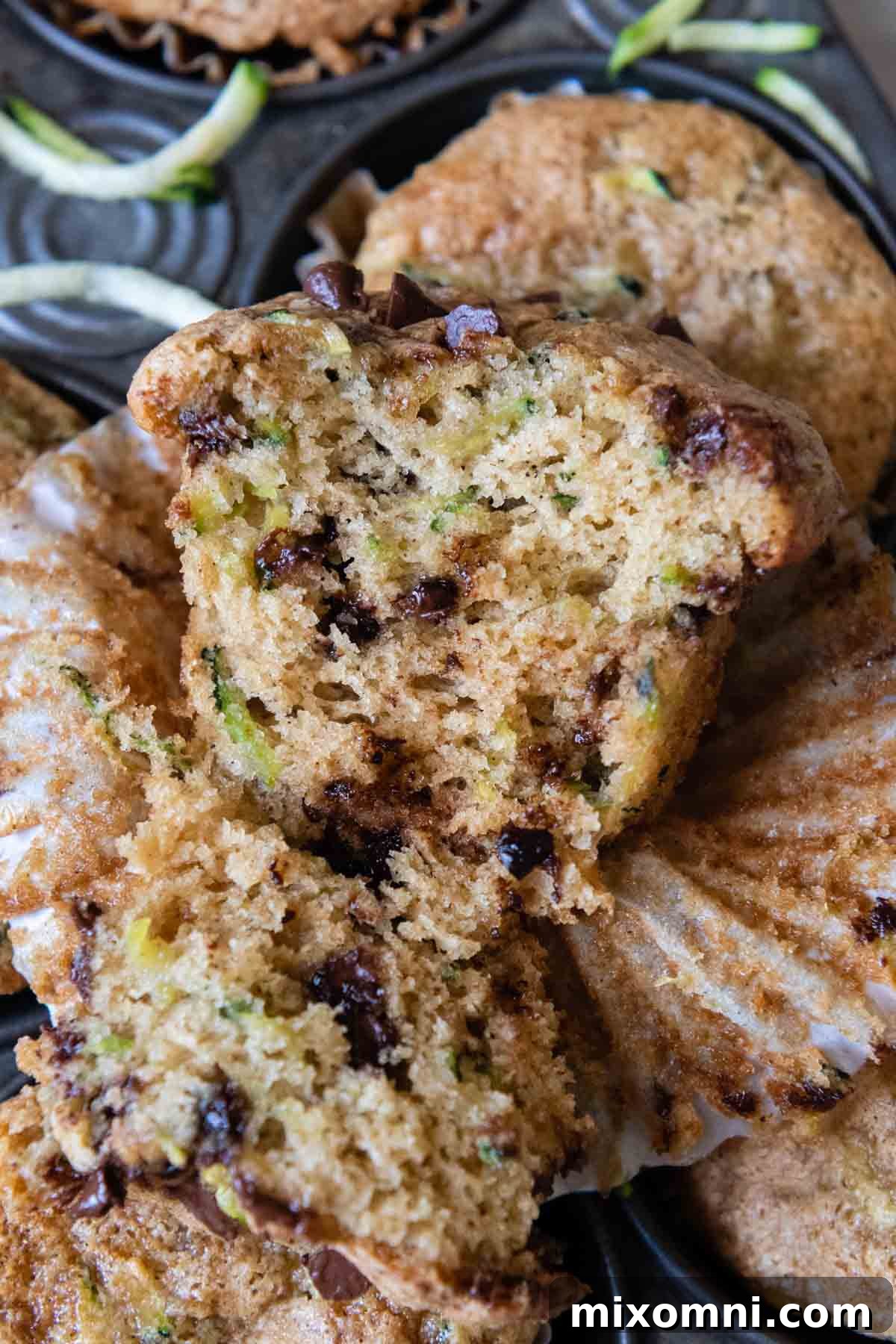
Unlock the secrets to baking the most exquisite gluten-free zucchini muffins, effortlessly achieving perfectly moist, light, and fluffy results every time! This comprehensive guide is designed to transform your baking experience, ensuring that even novice bakers can create delectable gluten-free zucchini muffins that rival their traditional counterparts. Forget dense, gummy, or flat muffins – with these proven tips, you’re on your way to becoming a gluten-free muffin expert.
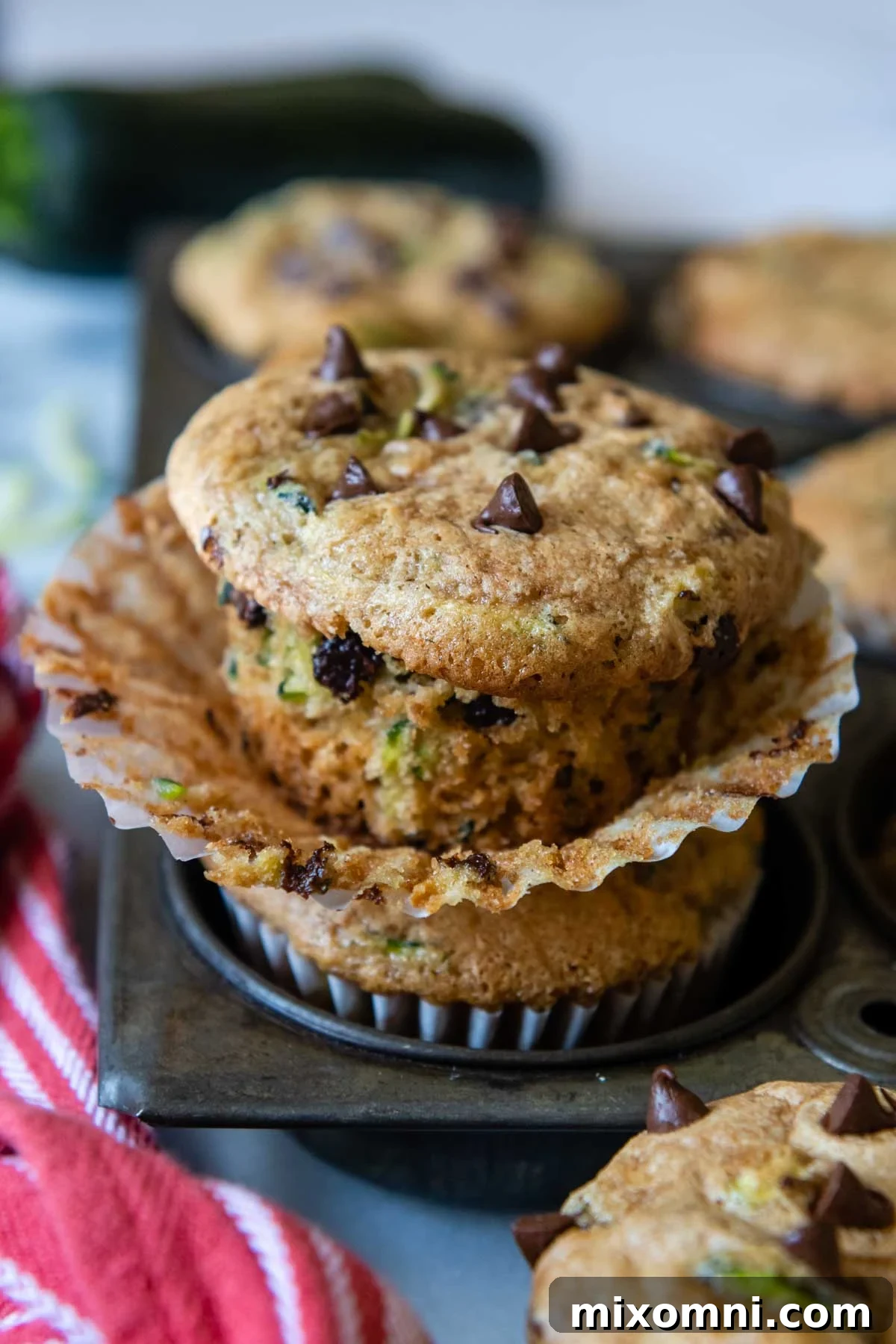
Achieve Perfectly Moist & Fluffy Gluten-Free Zucchini Muffins
Despite a plethora of gluten-free muffin recipes available, these particular gluten-free zucchini muffins consistently emerge as a crowd favorite, offering an unparalleled moistness and fluffiness. What sets this recipe apart from the rest? While many zucchini muffin recipes are quick and simple, they often overlook a critical factor: the significant extra moisture contributed by fresh zucchini. This oversight can dramatically throw off the delicate balance of ingredients, especially when working with gluten-free flours.
Gluten-free baking presents its own unique set of challenges. Without gluten, which provides structure and elasticity, baked goods can easily become crumbly, dry, or, conversely, too wet and heavy. Zucchini, being over 90% water, amplifies this challenge. To counteract the inherent moisture issues and achieve a light, airy texture identical to traditional muffins, this recipe employs specific, time-tested gluten-free baking techniques. Simple yet powerful tricks, such as gently blotting excess moisture from the grated zucchini, allowing the batter to rest before baking, and baking at a slightly lower temperature, are key to transforming good muffins into truly exceptional ones. These techniques are not only effective for muffins but also work wonders for other baked goods like almond flour zucchini bread.
Below, we delve deeper into the science behind why these methods are so effective, providing a comprehensive understanding of gluten-free baking principles. You’ll also find a wealth of additional tips on preparation, ingredient modifications, proper storage, and freezing. Whether you’re aiming for a classic treat or exploring creative variations, this guide has everything you need to master the art of the best gluten-free zucchini muffins.
“These are absolutely wonderful! As someone who is gluten-free due to celiac disease, these were a healthy dream come true! I incorporated some frozen blueberries and pecans, and the blueberries remained perfectly juicy. I’m already planning to make them again, and it’s only been a week!”
—Elizabeth
Essential Ingredient Insights for Perfect Zucchini Muffins
While the ingredients themselves are straightforward, the success of these moist, fluffy gluten-free zucchini muffins lies in understanding their roles and implementing precise techniques. Here’s a detailed breakdown of each key component, including workable substitutions and how they contribute to the recipe’s success. Selecting high-quality ingredients is the first step towards achieving an unparalleled texture and flavor in your gluten-free zucchini muffins.
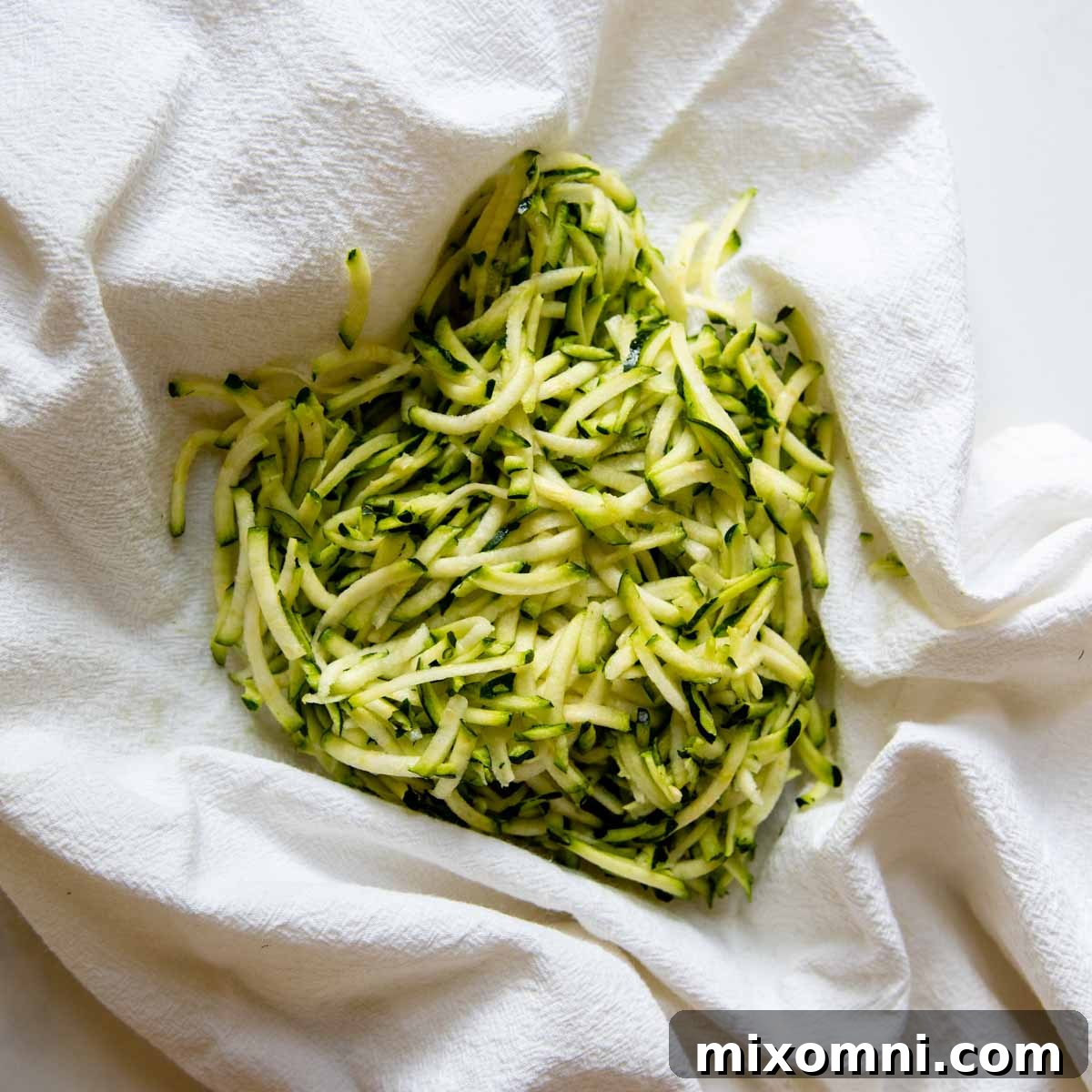
- Zucchini: Always grate fresh zucchini with the skin on, using either a box grater or a food processor with a grater disc. The skin adds both nutrients and a subtle texture without being noticeable once baked. The most crucial step is to remove excess moisture by gently blotting the grated zucchini dry with several layers of paper towels or a clean, lint-free dish towel before incorporating it into the batter. This technique is vital for preventing soggy muffins and is equally effective when making chewy, homemade gluten-free zucchini cookies. Without proper moisture removal, your muffins could end up dense and gummy.
- Egg: A large egg provides essential structure and binding to the muffins. For those seeking a vegan alternative, a flax egg (1 tablespoon ground flaxseed meal mixed with 3 tablespoons water, allowed to sit for 5-10 minutes until gelled) is an excellent egg replacer that works beautifully in this recipe, ensuring dairy-free and vegan zucchini muffins.
- Brown Sugar & Granulated Sugar: This recipe utilizes a combination of both brown and granulated sugars. Brown sugar is particularly important as it contributes a lovely caramel flavor profile and imparts a desirable chewiness to the muffins. The molasses in brown sugar also adds moisture. Granulated sugar provides foundational sweetness and helps with browning. You may slightly reduce the total sugar content for a less sweet muffin or substitute brown sugar with coconut sugar for a refined sugar-free option, keeping in mind that the texture might be slightly altered.
- Oil: The use of oil instead of butter makes these muffins naturally dairy-free. You can use any neutral-flavored oil you prefer, such as vegetable oil, melted coconut oil, canola oil, or avocado oil. Each offers a slightly different nuance, but all will contribute to the moist crumb. Coconut oil adds a subtle tropical hint, while vegetable or canola oil maintains a more classic flavor profile.
- Gluten-Free All-Purpose Flour: The choice of gluten-free flour blend is paramount to the success of these muffins. For consistently superior results, we highly recommend Cup4Cup gluten-free flour. This particular blend is known for its excellent performance in gluten-free baking, closely mimicking the texture of wheat flour. However, many readers have found success with other high-quality all-purpose gluten-free blends. It’s important to use a blend that contains xanthan gum or to add it separately if your chosen blend does not include it, as xanthan gum helps provide structure in gluten-free baking.
- Vanilla Extract: Pure vanilla extract enhances all the other flavors in the muffins, adding warmth and depth. Don’t skip this ingredient, as it elevates the overall taste.
- Baking Powder & Baking Soda: These leavening agents are crucial for achieving the light and fluffy texture. Baking soda reacts with acidic ingredients (like brown sugar or even the zucchini itself) to produce carbon dioxide, creating lift. Baking powder is a double-acting leavener, providing lift both when wet and when heated in the oven. The balance of these two is key to the perfect rise and crumb.
- Ground Cinnamon: Cinnamon adds a classic, warm spice note that beautifully complements the zucchini and sugar. You can adjust the amount to your preference or even add a pinch of nutmeg for more complexity.
- Mini Chocolate Chips (Optional): If you’re making chocolate chip zucchini muffins, mini chocolate chips are highly recommended. Their smaller size ensures they disperse evenly throughout the batter, providing a delightful chocolatey bite in every mouthful. Regular baking chips tend to sink to the bottoms of the muffins due to their weight, leading to an uneven distribution. For dairy-free versions, ensure you use dairy-free mini chocolate chips, such as Enjoy Life brand.
Tip #1: The Power of Blotting Zucchini for Gluten-Free Muffins
One of the most critical steps, often overlooked in standard muffin recipes but absolutely essential for gluten-free versions, is blotting the grated zucchini. Instead of grating the zucchini and immediately adding it to your batter, take a few extra minutes to gently squeeze out excess moisture using paper towels or a clean, lint-free dish towel. Why is this step so crucial, especially when making gluten-free muffins?
Gluten-free flours, by their very nature, struggle with moisture absorption. Unlike wheat flour, which contains gluten proteins that form a strong, elastic network capable of holding moisture and gas, gluten-free starches tend to absorb liquids differently and can become gummy or dense when oversaturated. Zucchini, composed primarily of water, introduces a significant amount of additional moisture. If this excess water isn’t removed, it can overwhelm the gluten-free flour, leading to a host of problems: a heavy, dense, and gummy crumb, and even the dreaded sunken middles that indicate structural collapse.
By removing some of the zucchini’s natural moisture, you create a more balanced batter. This allows the gluten-free flours to hydrate properly without becoming waterlogged, resulting in a lighter, more tender, and perfectly moist crumb. This simple act of blotting ensures that your muffins rise beautifully and maintain their structure, delivering that coveted bakery-style texture.
Tip #2: The Essential Batter Rest for Gluten-Free Muffins
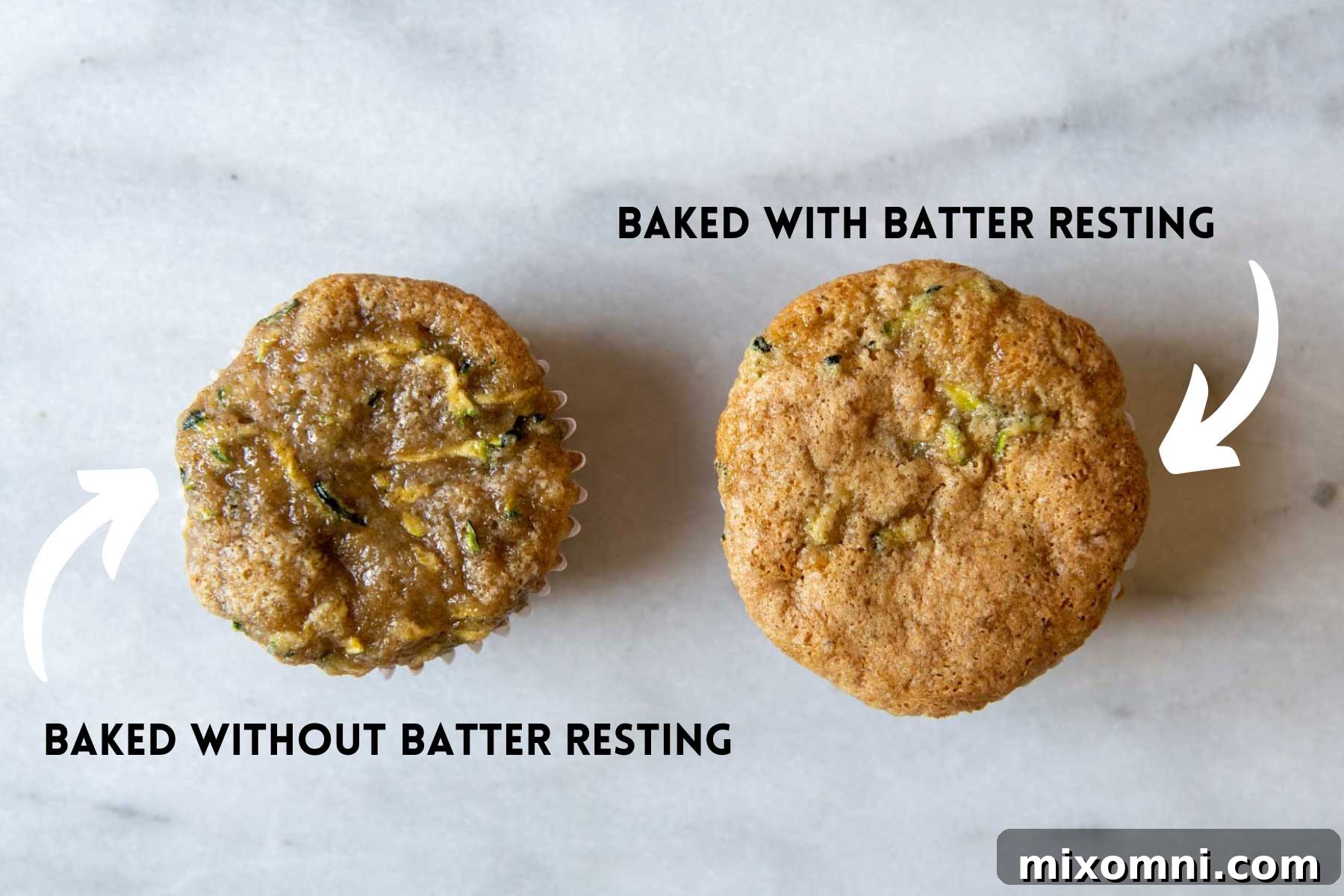
When initially adapting my beloved homemade gluten-free zucchini bread recipe into muffins, I meticulously followed the same batter preparation and portioned it into muffin tins. To my dismay, after baking, the muffin tops appeared shriveled and had an unappealing overly wet consistency. This outcome was puzzling, especially since the zucchini bread version consistently turned out perfect.
The answer lies in the baking time difference between bread and muffins. Zucchini bread, baked in a loaf pan, has a significantly longer cooking duration. This extended time in the oven allows the starches in gluten-free flour ample opportunity to fully hydrate, soften, and absorb all the liquids present in the batter. Muffins, however, have a much shorter bake time. This shorter window simply isn’t enough for the gluten-free starches to adequately hydrate, leading to the undesirable textures I initially encountered.
This is where the second crucial tip comes in: allowing the muffin batter to rest *before* baking. After preparing your batter and distributing it into the muffin pan, let it sit at room temperature for 15-20 minutes while your oven preheats. This resting period provides a vital head start for the gluten-free starches to absorb the liquids, softening and hydrating them outside of the oven. This pre-hydration phase mimics some of the structural development that gluten provides in traditional baking. As a result, your muffins will bake up beautifully round, fluffy, and with a tender crumb, rather than being wet or shriveled. It’s a simple, passive step that makes a profound difference in the final texture of your gluten-free zucchini muffins. However, be mindful not to let them rest for too much longer than recommended, as over-resting can sometimes lead to muffins that are too dry or that don’t rise as well. This easy trick also worked wonders for my bakery-style gluten-free yellow layer cake!
Tip #3: Optimize Baking with a Lower Oven Temperature for Gluten-Free Muffins
Conventional muffin recipes often call for higher oven temperatures, typically ranging from 375ºF to 400ºF (190ºC to 200ºC). This high heat is designed to initiate a rapid rise, creating those coveted domed tops and quickly setting the crust. However, when this approach is applied to gluten-free muffins, the results can be deceptive. While they might look visually impressive in the oven, rising beautifully, they frequently deflate quickly upon being removed, leaving you with disappointing, sunken muffins.
The absence of gluten means that gluten-free batters lack the strong elastic network that can support a rapid rise and maintain structure under high heat. A quick, aggressive bake can cause the leavening gases to expand too rapidly before the gluten-free starches and proteins have had enough time to set and solidify. This leads to a weak internal structure that simply cannot hold its shape once cooled.
Our third essential tip addresses this challenge: bake your gluten-free zucchini muffins at a lower oven temperature, specifically 350ºF (175ºC). While a slightly lower temperature might not produce as dramatically domed a top as a higher heat, it facilitates a longer, gentler bake time. This extended, more moderate heat allows the muffin’s structure to solidify gradually and thoroughly. It provides ample time for the gluten-free flour and other ingredients to properly emulsify with the liquids, ensuring that the starches fully cook and set without collapsing. The result is a beautifully stable muffin that retains its soft, fluffy crumb and appealing shape once pulled from the oven, proving that patience truly pays off in gluten-free baking. This gentle approach ensures that your gluten-free zucchini muffins are perfectly cooked through and structurally sound.
Creative Add-In Ideas for Your Zucchini Muffins
While classic chocolate chip zucchini muffins are always a hit, these versatile gluten-free zucchini muffins serve as a perfect canvas for a variety of delicious mix-ins. Elevate your baking by experimenting with different flavors and textures. Simply stir these additions into the batter after you’ve incorporated the dry ingredients. Don’t hesitate to get creative and share your favorite combinations in the comments below!
- Chopped Pecans or Walnuts: Add ½ cup of finely chopped pecans or walnuts for a delightful crunch and nutty flavor. Toasting the nuts lightly before adding them can enhance their aroma and taste.
- Fresh or Frozen Blueberries: Stir in 1 cup of fresh or frozen blueberries for a burst of juicy sweetness. If using frozen blueberries, there’s no need to thaw them; simply toss them with a tablespoon of gluten-free flour before adding to prevent them from sinking and turning the batter purple.
- Lemon or Orange Zest: For a bright, citrusy twist, incorporate 2 teaspoons of finely grated lemon or orange zest. The zest adds a vibrant aroma and cuts through the sweetness beautifully.
- Raisins or Dried Cranberries: For a chewy, naturally sweet element, add ½ cup of raisins or dried cranberries. Plump them in warm water for a few minutes before adding for an even softer texture.
- Sweetened Shredded Coconut: Introduce a tropical flair with ⅔ cup of sweetened shredded coconut. The coconut adds both moisture and a delightful chewiness.
- Spices: Beyond cinnamon, consider adding a pinch of ground nutmeg, ginger, or cardamom for a more complex spice profile. A touch of allspice can also complement the zucchini well.
- Cream Cheese Swirl: For an extra decadent treat, prepare a simple cream cheese mixture (softened cream cheese, a little sugar, and vanilla) and dollop it into the muffin cups before baking, swirling gently with a toothpick.
Save This Delicious Recipe to Your Pinterest Board!
Let’s connect on Pinterest! I’m always sharing great recipes and baking inspiration!
Did you make this recipe? We love hearing from you and seeing your wonderful creations! Please leave a star rating and comment below the recipe card. Your feedback helps other bakers in our community discover and enjoy these recipes, and I always look forward to hearing from you! -Melissa

Moist Gluten-Free Zucchini Muffins with Oil
 Melissa Erdelac
Pin
Rate
Remove Ads
Ingredients
- 2 cups (340 g) grated zucchini, about 1 medium
- 1 large egg
- ½ cup (100 g) granulated sugar
- ½ cup (117 g) packed brown sugar
- ¼ cup (55 g) oil, any preferred (vegetable, melted coconut, canola, avocado)
- 2 teaspoons vanilla extract
- 1 ½ cup (214 g) all purpose gluten free flour, Cup4Cup brand is highly recommended for best results
- 1 teaspoon baking powder
- ½ teaspoon baking soda
- 1 ½ teaspoon ground cinnamon
- ½ cup (optional) miniature semi-sweet chocolate chips
Equipment
-
Cheese Grater
-
Mixing Bowl Set
-
Muffin Tins
Instructions
-
Line standard-size muffin cups with paper liners or grease generously with nonstick cooking spray. The oven preheating step will occur later, providing crucial resting time for the muffin batter. This strategic delay allows the gluten-free starches ample opportunity to soften and fully hydrate with the liquids in the batter, which is key for a tender crumb.
-
Grate your zucchini using a box grater or a food processor. Once grated, spread the zucchini in a double layer of paper towels or a clean, absorbent dish towel. Gently but firmly squeeze the zucchini to soak up as much excess water as possible. This step is vital for preventing dense, gummy muffins and ensuring a light, fluffy texture. Set the blotted zucchini aside.2 cups grated zucchini
-
In a large mixing bowl, whisk together the large egg, granulated sugar, packed brown sugar, oil, and vanilla extract until well combined and smooth. The sugars should be mostly dissolved. Gently fold in the slightly dried zucchini.1 large egg, ½ cup granulated sugar, ½ cup packed brown sugar, ¼ cup oil, 2 teaspoons vanilla extract
-
Add the gluten-free all-purpose flour, baking powder, baking soda, and ground cinnamon to the wet ingredients. Stir vigorously until all ingredients are very well combined and no pockets of dry flour remain. Ensure the batter is smooth and uniform. If you are including optional chocolate chips or other add-ins, stir them in now until evenly distributed throughout the batter.1 ½ cup all purpose gluten free flour, 1 teaspoon baking powder, ½ teaspoon baking soda, 1 ½ teaspoon ground cinnamon, ½ cup (optional) miniature semi-sweet chocolate chips
-
Evenly distribute the batter among the prepared muffin cups, filling each approximately two-thirds full. A large trigger scoop works wonderfully for consistent sizing. Once filled, allow the muffins to sit and rest for 15-20 minutes at room temperature. During this time, preheat your oven to 350°F (175°C). The resting period is crucial for the gluten-free flour to fully hydrate before baking, contributing to a superior texture.
-
Bake the muffins for 23-25 minutes, or until the tops are beautifully set, lightly golden, and spring back gently when lightly touched. An inserted toothpick should come out with moist crumbs, not wet batter. Avoid overbaking to maintain moisture. Once baked, remove the pan from the oven and allow the muffins to cool in the pan for 5 minutes before carefully transferring them to a wire rack to cool completely.
Notes
Dairy-Free Note
To ensure your gluten-free zucchini chocolate chip muffins are truly dairy-free, remember to use dairy-free chocolate chips, such as Enjoy Life mini chocolate chips. Additionally, always carefully read the ingredient labels on your chosen gluten-free flour blend, as some brands may contain milk powder as an ingredient.
Storing and Freezing for Freshness
Once your muffins have completely cooled to room temperature, store them in an airtight container. They will remain fresh and delicious for up to 2 days at room temperature. It is important to avoid storing them in the refrigerator, as the cold air can quickly dry out gluten-free baked goods, making them stale.
For optimal freshness and to extend their shelf life, we highly recommend freezing any leftover gluten-free muffins immediately after they have cooled. Gluten-free baked goods tend to dry out faster than their gluten-containing counterparts. To freeze, individually wrap each muffin tightly in plastic wrap, then place them in a freezer-safe container or a heavy-duty freezer bag. They can be stored in the freezer for up to 3 months. To enjoy, simply thaw them at room temperature or gently reheat them in the microwave for a few seconds until warm and soft.
Carbohydrates: 29g,
Protein: 2g,
Fat: 5g,
Saturated Fat: 4g,
Cholesterol: 14mg,
Sodium: 55mg,
Potassium: 105mg,
Fiber: 2g,
Sugar: 18g,
Vitamin A: 61IU,
Vitamin C: 4mg,
Calcium: 40mg,
Iron: 1mg
Did you make this recipe?Please leave a star rating and review below. Your feedback helps others discover and love these recipes!