
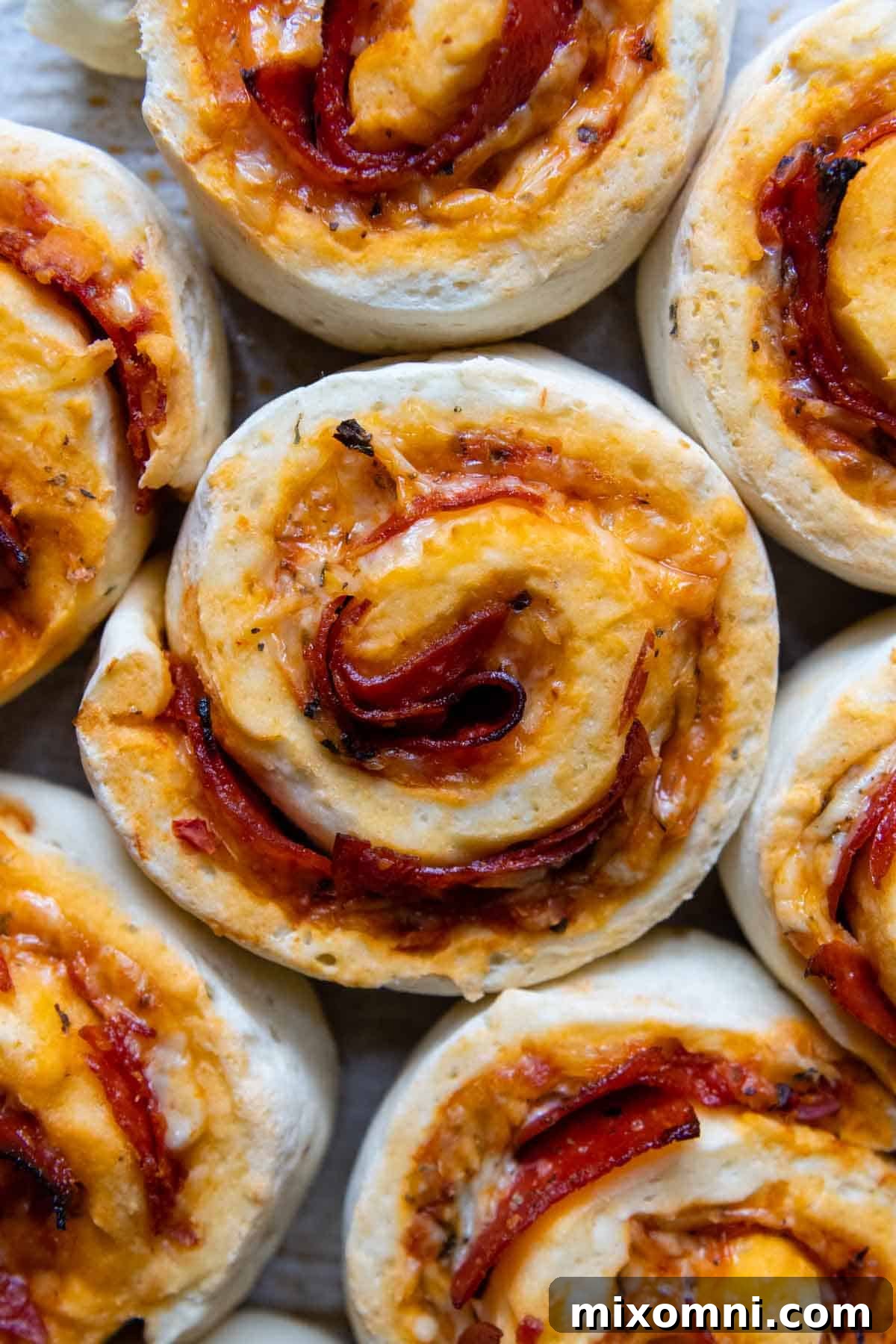
Get ready to delight your taste buds with our incredibly easy and utterly delicious recipe for homemade gluten-free pizza rolls! Imagine biting into a soft, tender, and perfectly doughy roll, bursting with a savory blend of cheesy goodness and zesty pepperoni. This foolproof recipe, designed to be ready in about one hour, makes it simpler than ever to enjoy a classic comfort food, even on a gluten-free diet.
Whether you’re planning a fun pizza night, need a satisfying after-school snack, or are looking for a quick grab-and-go lunch, these gluten-free pizza rolls are a perfect choice. We’ll guide you through using simple, accessible ingredients to create a dough that’s not only a joy to work with but also bakes up fluffy, tender, and irresistibly delicious. Say goodbye to store-bought imitations and hello to the best homemade gluten-free pizza rolls you’ve ever tasted!
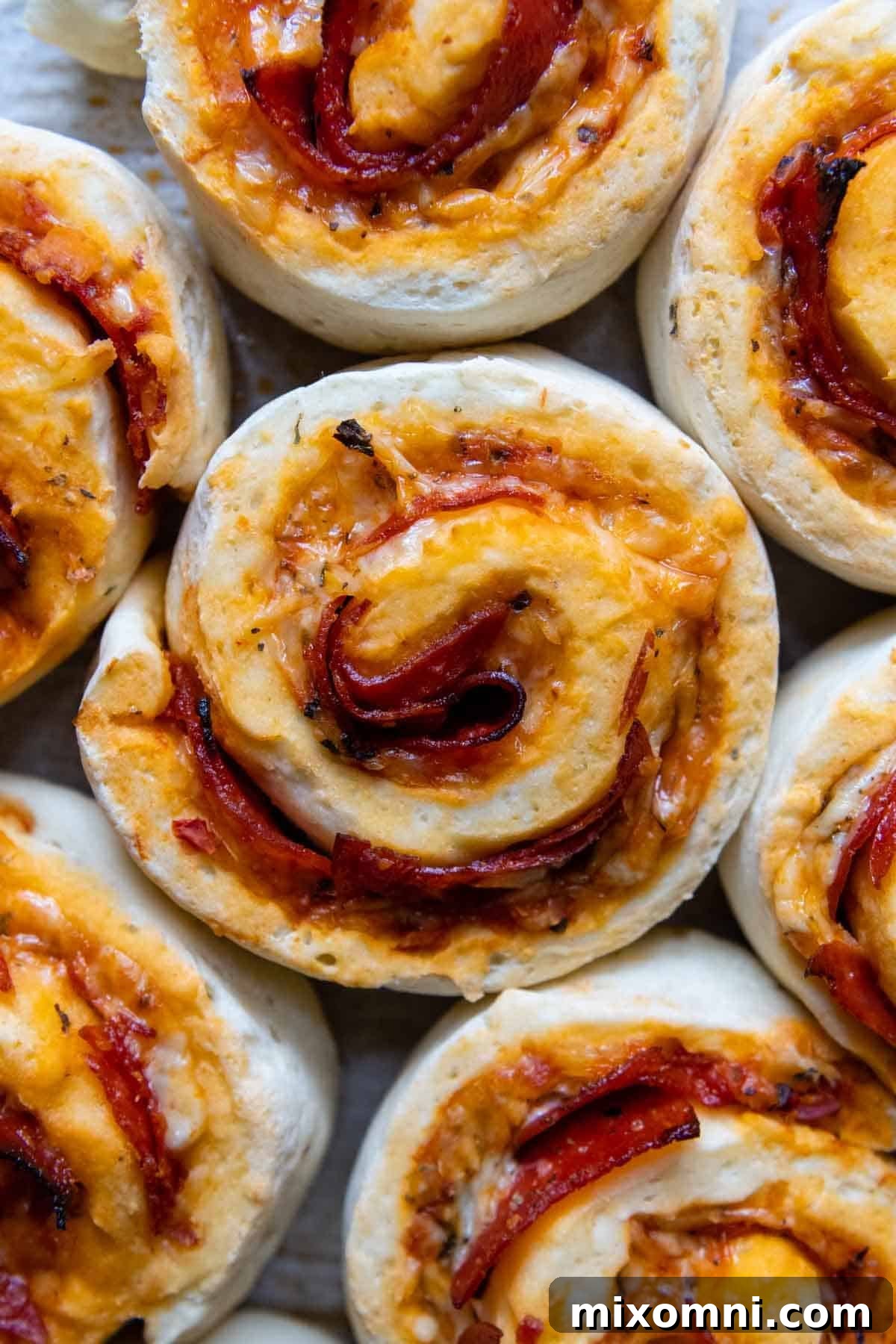
Gluten-Free Pizza Rolls with Pepperoni: A Game-Changer
If you’ve ever found yourself missing classic comfort foods like pepperoni bread, pizza bites, or even the nostalgic Totino’s pizza rolls after adopting a gluten-free diet, prepare to be amazed! This recipe brings back those cherished flavors in a homemade, easy-to-make package. Our gluten-free pizza rolls are so simple, even a novice baker can achieve perfectly soft, doughy results that rival their gluten-containing counterparts.
These rolls aren’t just a snack; they’re versatile enough to be a light dinner served alongside a fresh salad, a much-anticipated after-school treat for the kids, or a convenient lunch option. The beauty of this recipe lies in its simplicity. The dough comes together in minutes and doesn’t demand complicated techniques like extensive kneading or precise rolling with a pin. Instead, you’ll simply pat it out into a large rectangle, spread on your favorite sauce, sprinkle with an abundance of cheese and pepperoni, then roll it up and slice. It’s a truly accessible way to enjoy a gluten-free version of a beloved classic.
The secret to achieving an extra soft, yet perfectly rollable gluten-free dough, lies in two key ingredients: potato starch and psyllium husk powder. Potato starch, when incorporated with the dry ingredients, provides essential structure to the dough without making it dry or crumbly. This results in a remarkably fluffy and tender crumb after baking. Furthermore, the addition of psyllium husk powder is a game-changer for gluten-free baking. It acts as a natural binder, absorbing moisture and mimicking the elasticity that gluten typically provides. This ‘magical ingredient’ is a staple in many of our well-tested gluten-free bread recipes, ensuring the dough remains pliable and easy to shape without becoming sticky or stiff.
Continue reading to discover all the ins and outs of making these irresistible gluten-free pizza rolls. We’ll share expert tips for effortlessly rolling and slicing the dough, explore exciting alternative variations beyond pepperoni, and provide the best methods for freezing and reheating your delicious leftovers so you can enjoy them anytime.
Essential Ingredients for Perfect Gluten-Free Pizza Rolls
Crafting exceptional gluten-free baked goods starts with understanding the role of each ingredient. Here’s a detailed look at what makes our pizza rolls so incredibly delicious and easy to prepare:
- Gluten-Free All-Purpose Flour: The quality of your gluten-free flour blend is paramount. For this recipe, we highly recommend Cup4Cup gluten-free flour. It consistently delivers superior results, contributing to a soft, squishy crumb and a flavor profile that doesn’t taste “gluten-free.” While Cup4Cup is our top choice and what this recipe was meticulously tested with, we also offer guidance on alternatives in the Recommended Gluten-Free Flour section.
- Potato Starch (not potato flour): This is a secret weapon for achieving soft and fluffy gluten-free breads, much like our highly-reviewed gluten-free dinner rolls. Instead of solely relying on a blend of flours, potato starch provides crucial structure and tenderness without making the dough dry. It helps create that delightful, airy texture you crave in a good roll. If potato starch is unavailable, tapioca starch can be substituted, though results may vary slightly.
- Psyllium Husk Powder: This remarkable ingredient is indispensable in gluten-free baking. It plays a vital role in moisture absorption, preventing the rapid drying often associated with GF baked goods, and greatly enhances the dough’s pliability. In gluten-free breads, psyllium husk powder mimics the elasticity of gluten, making the dough easy to shape without the need for excessive additional flour, ensuring a wonderfully soft and tender finished product.
- Baking Powder: We pair baking powder with yeast in this recipe to give our rolls an extra lift. This combination is particularly effective in gluten-free baking, where achieving a light and airy texture can be more challenging. Baking powder provides a quick burst of leavening, supporting the slower action of the yeast for optimal rise.
- Instant (Rapid Rise) Yeast: For convenience and efficiency, instant yeast is our choice. It doesn’t require proofing in warm liquids beforehand and can be mixed directly with the dry ingredients, saving you time. For best results and cost-effectiveness, consider buying it in bulk and storing it in your refrigerator. If substituting active dry yeast, simply activate it by dissolving it in the warm water for about 5 minutes until foamy before adding it to the dry ingredients.
- Oil (e.g., Olive Oil): Oil is crucial for coating the gluten-free starches, which helps to prevent a gritty or dry texture. It contributes to the overall tenderness and richness of the dough, ensuring your pizza rolls are moist and flavorful.
- Warm Water: Essential for activating the yeast. Ensure it’s around 110°F (43°C) – warm to the touch but not too hot, which could kill the yeast.
- Large Egg (room temperature): Eggs add richness, structure, and moisture to the dough. Using a room temperature egg helps it incorporate more smoothly into the mixture.
- Granulated Sugar: A small amount of sugar provides food for the yeast, helping it activate and produce a robust rise, while also contributing to the dough’s flavor and browning.
- Salt: Balances the flavors and controls yeast activity, preventing the dough from rising too quickly.
- Marinara or Pizza Sauce: The heart of your pizza rolls! Use your favorite quality sauce. Don’t forget extra for dipping!
- Freshly Grated Mozzarella: Freshly grated cheese melts more smoothly and offers a superior texture compared to pre-shredded varieties, which often contain anti-caking agents. Feel free to use a blend of cheeses if you prefer.
- Italian Seasoning: Adds authentic pizza flavor and aroma to your rolls.
- Pepperoni Slices: The classic filling for a reason! Choose your favorite brand for that irresistible savory kick.
How to Make Irresistible Gluten-Free Pizza Rolls: Step-by-Step
Making homemade gluten-free pizza rolls is simpler than you think! Follow these detailed steps to achieve perfectly soft and flavorful rolls every time. (Below, you’ll find step-by-step photos and detailed instructions. For precise ingredient amounts, please scroll down to the full recipe card.)
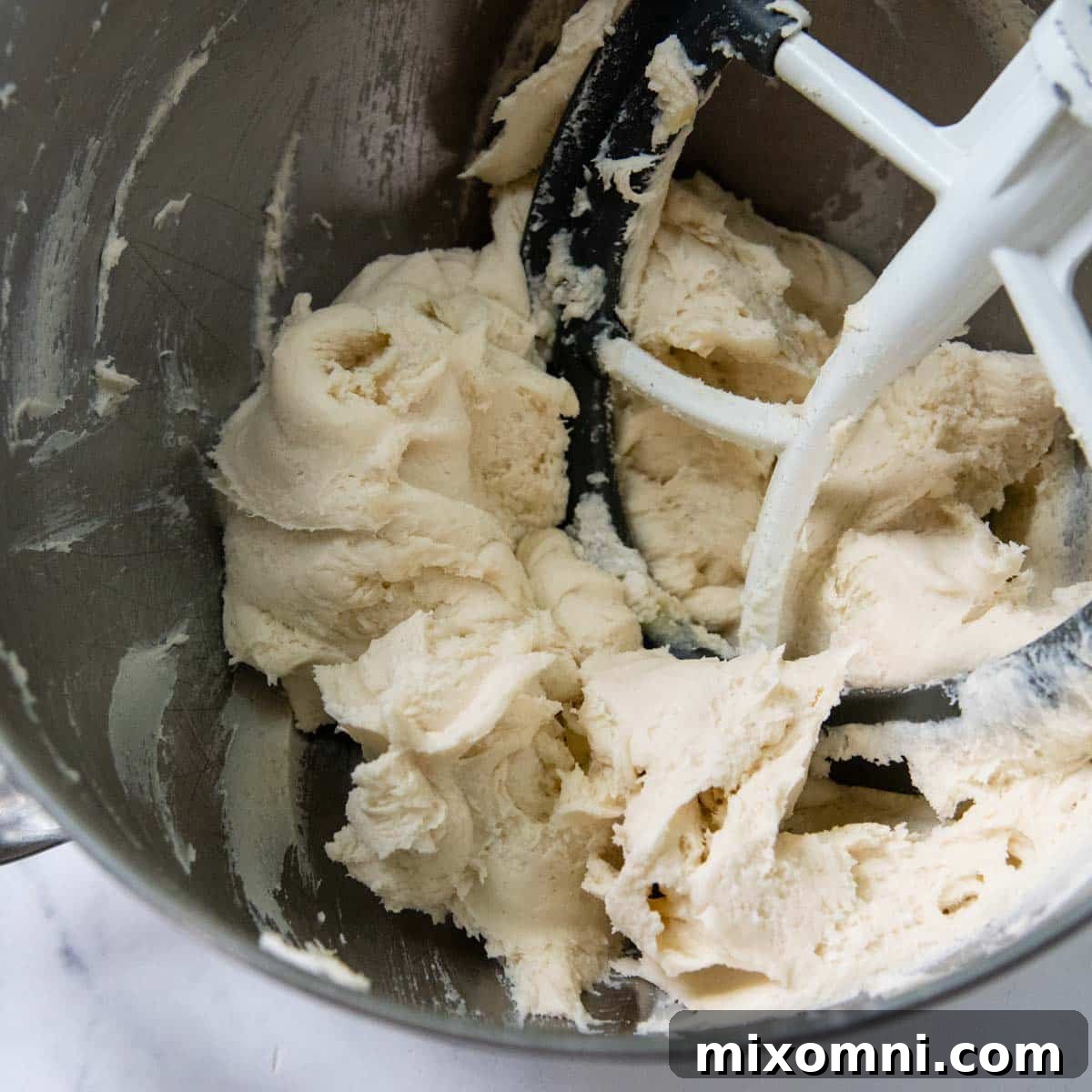
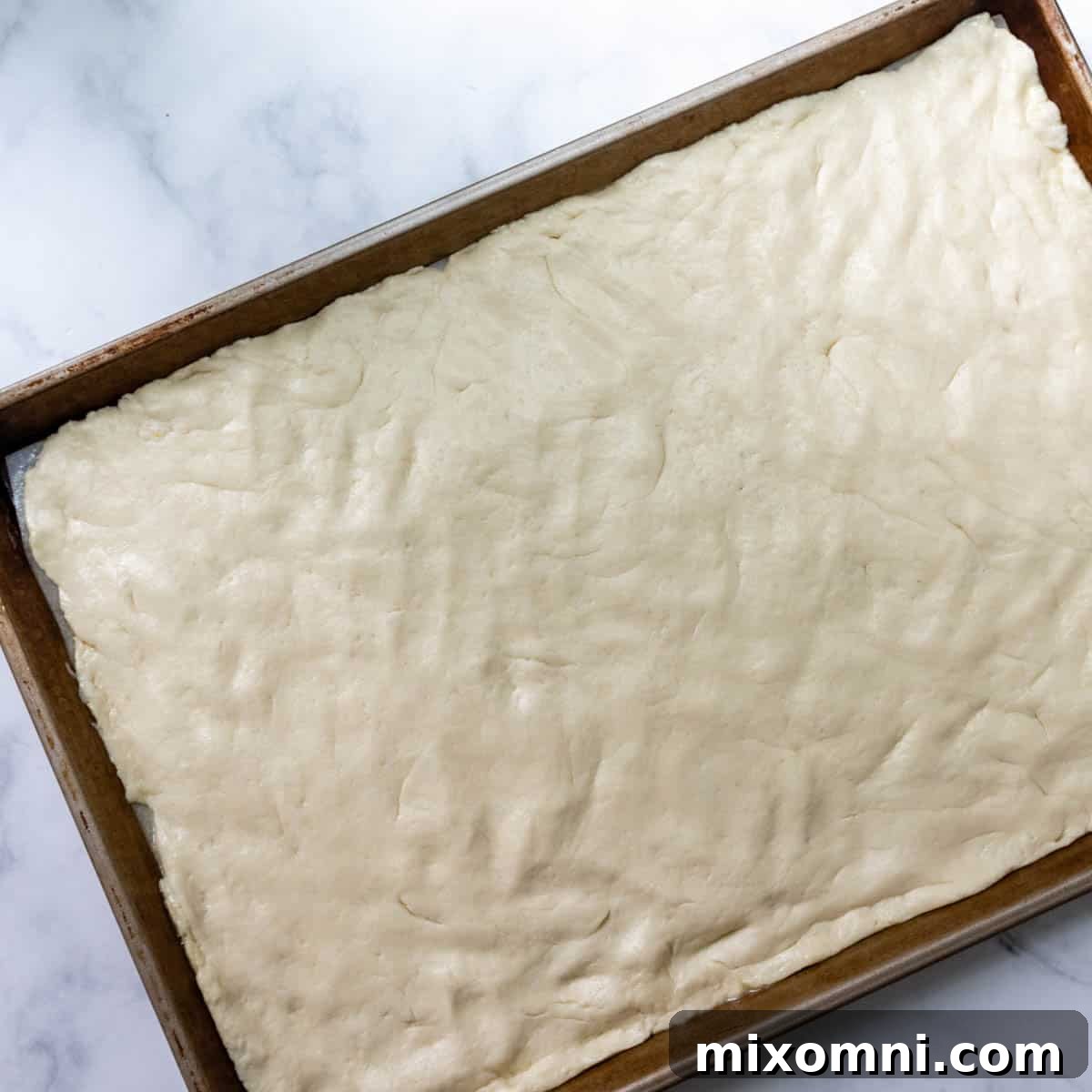
- Prepare Your Workspace and Preheat Oven for Initial Rise: Begin by preheating your oven to 200ºF (93°C). Once it reaches temperature, turn it off. This creates a perfectly warm, draft-free environment for your dough to initially rise. Next, lightly grease a 9×13-inch baking pan with nonstick cooking spray and set it aside. Line an 18×13-inch baking sheet with parchment paper and grease the parchment paper generously with cooking spray. This crucial step prevents sticking and aids in the rolling process.
- Combine Dry Ingredients: In the large bowl of a stand mixer fitted with a paddle attachment, combine the gluten-free flour, potato starch, granulated sugar, psyllium husk powder, instant yeast, baking powder, and salt. Mix on low speed for about 30 seconds to ensure all dry ingredients are thoroughly incorporated. Using a stand mixer is highly recommended for gluten-free doughs, as they can be quite stiff.
- Add Wet Ingredients and Mix Dough: Pour in the warm water (ensure it’s around 110°F or 43°C), the room temperature large egg, and the olive oil. Mix on low speed until all ingredients are just blended and a dough starts to form. Increase the speed to medium-low and beat the dough for a full 5 minutes. Periodically stop and scrape down the sides and bottom of the bowl with a spatula to ensure everything is evenly mixed. At the end of this step, the dough will be quite stiff, but don’t worry—this is normal for gluten-free yeast doughs.
- Pat Out the Dough: Use your spatula to scrape the stiff dough out onto the prepared 18×13-inch baking sheet lined with greased parchment paper. Lightly spray your hands with nonstick cooking spray or rub them with a little olive oil to prevent sticking. Evenly pat and spread the dough across the entire sheet pan, forming a large rectangle. Aim for a consistent thickness across the whole surface for even baking.
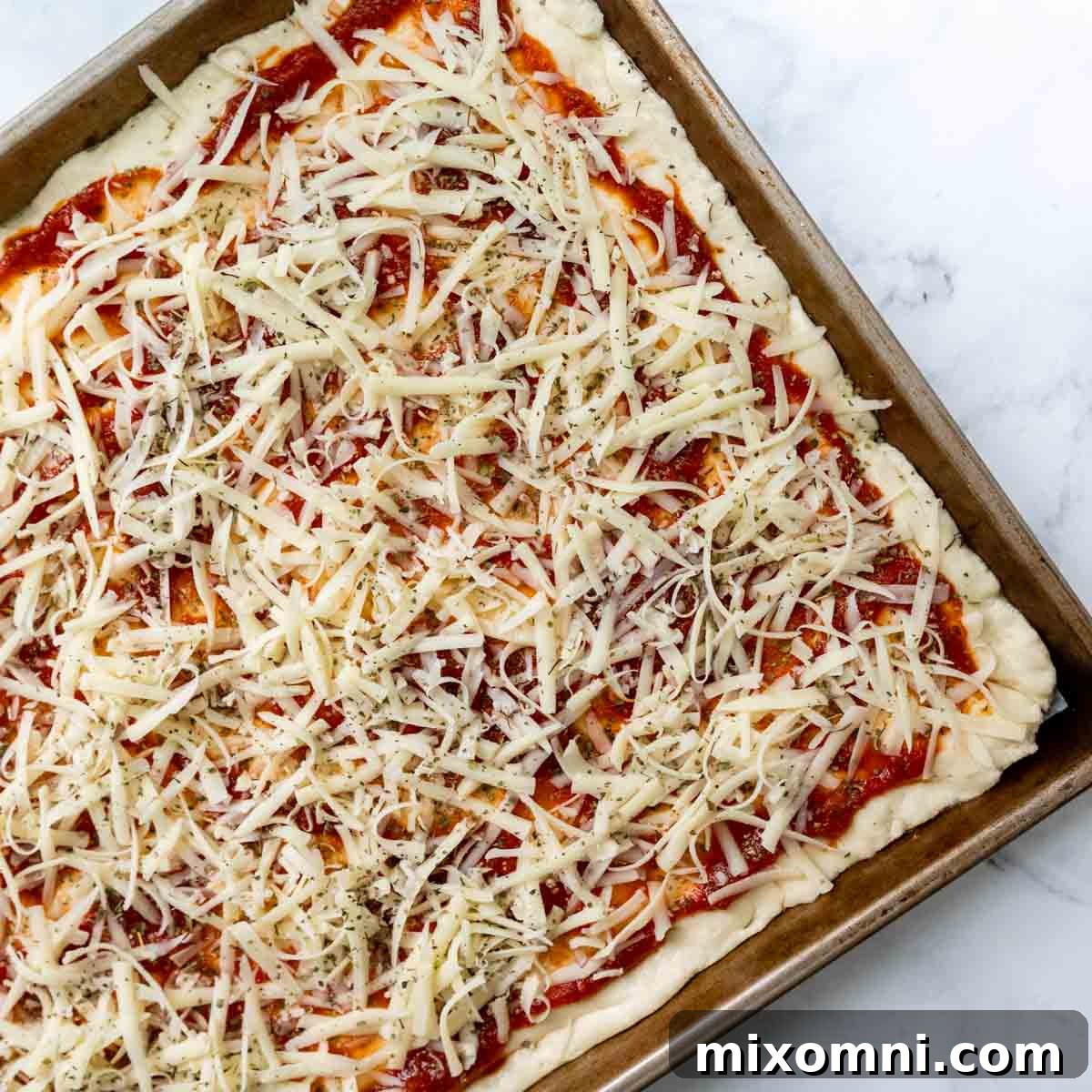
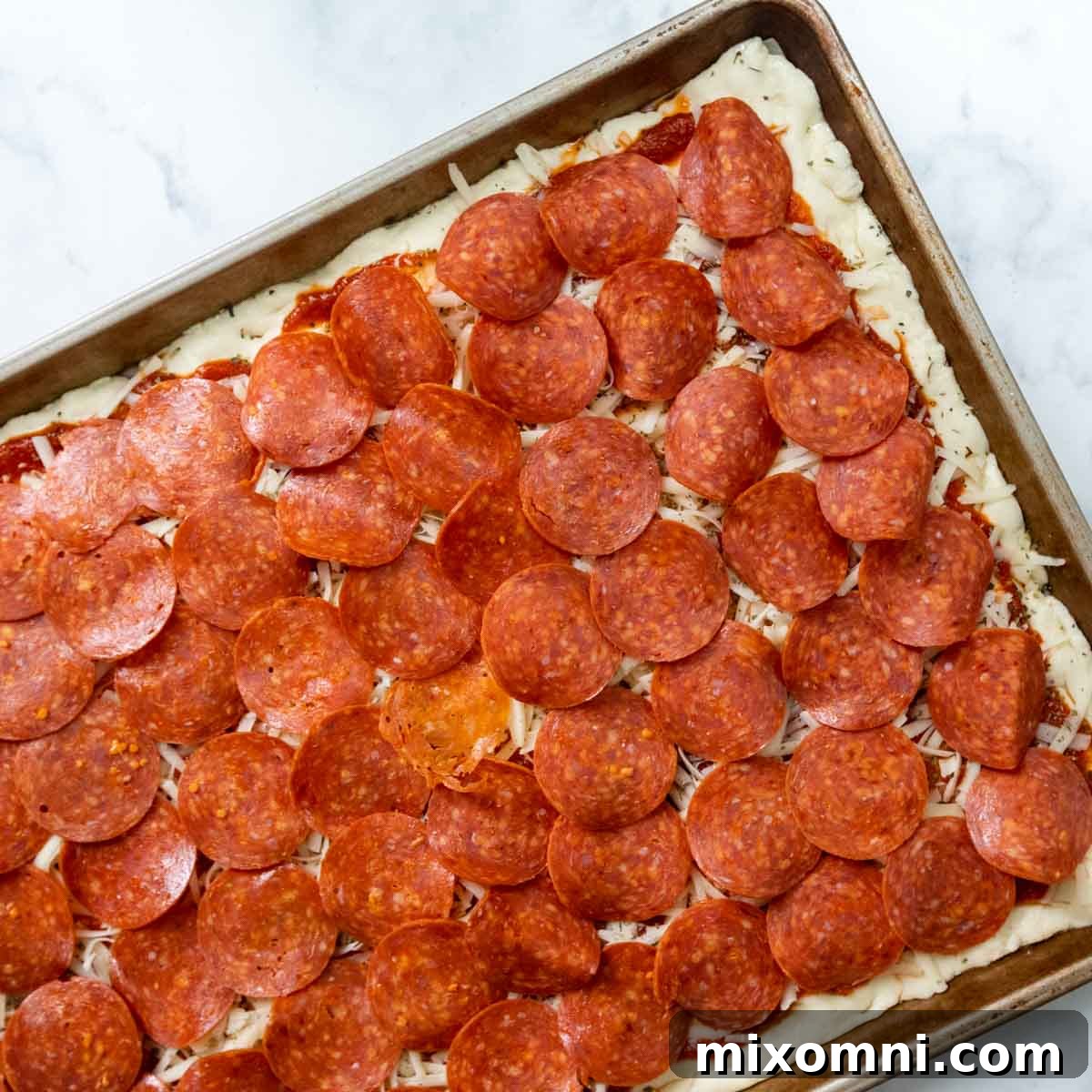
- Layer the Fillings: Spread the marinara or pizza sauce evenly over the patted-out dough, leaving about a ½-inch border around all edges. This border will help seal the rolls. Next, generously sprinkle the freshly grated mozzarella cheese over the sauce. Follow this with a light dusting of Italian seasoning, then cover the cheese layer completely with your pepperoni slices. Arrange the pepperoni so it’s relatively even.
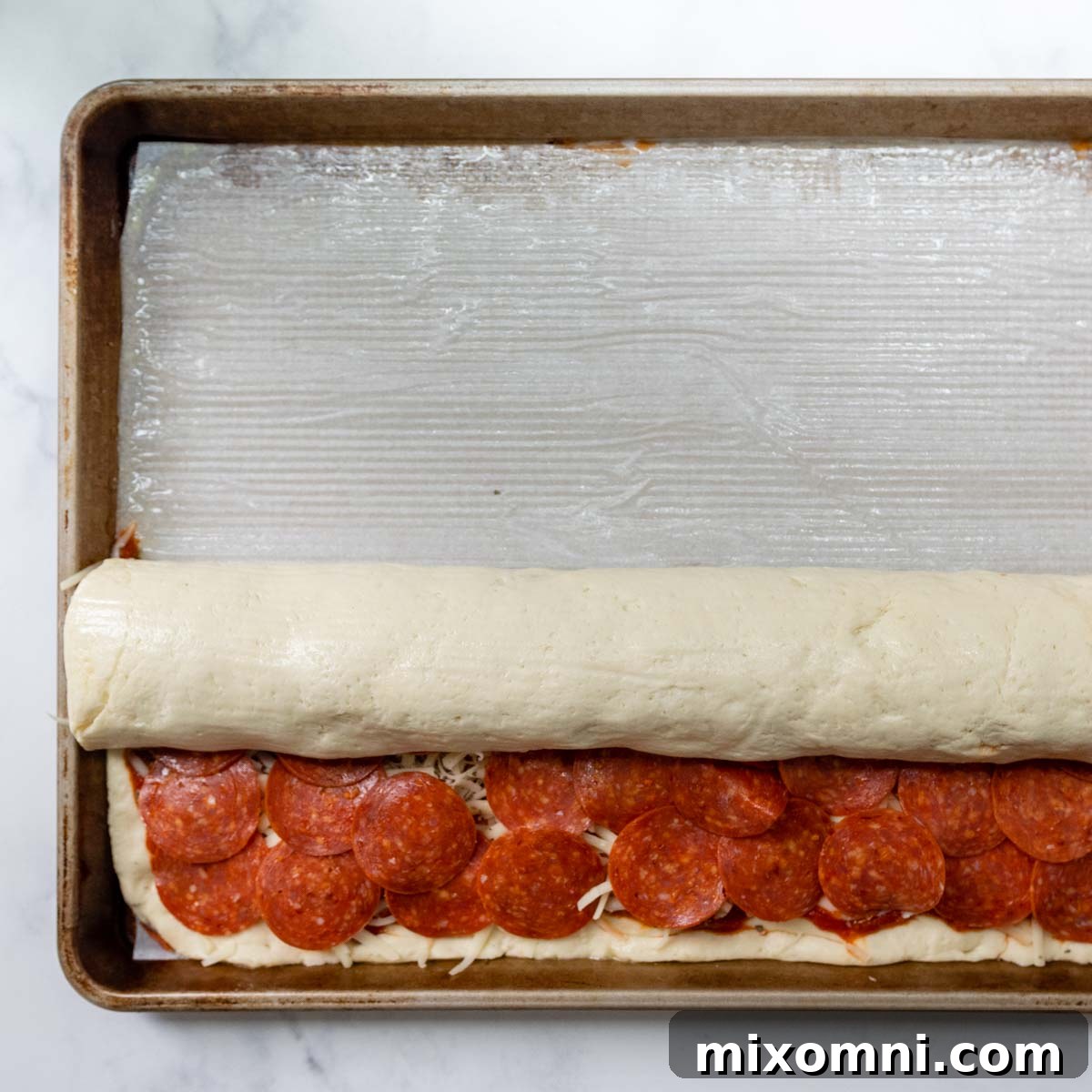
- Roll the Dough Log: To begin rolling, start at the long edge farthest from you. Gently lift the parchment paper underneath the dough and use it to help you roll the dough tightly towards you. This technique helps guide the dough and prevents it from sticking to your hands or the counter. Continue rolling until you have about 3-4 inches of dough remaining closest to you. Now, take the parchment paper closest to you and lift it up to meet the partially rolled log. Continue to roll the entire log, using the parchment paper to flip it away from you, so that the seam side is now pressed against the baking sheet. Carefully peel away the parchment paper from the finished log.
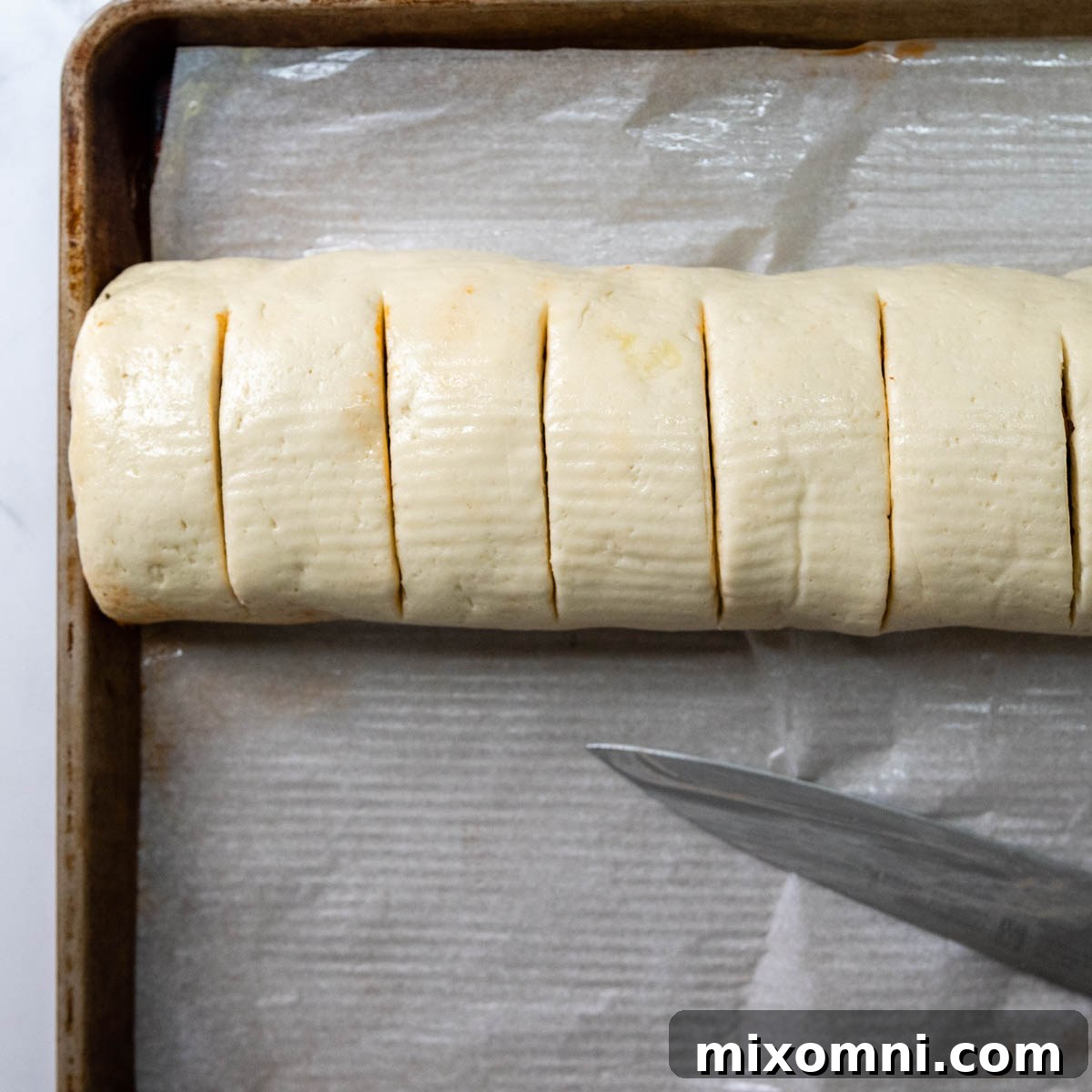
- Slice the Rolls: Using a long, sharp knife, gently score the dough log into 12 even slices. Once you have your guide marks, go back and carefully slice all the way through each score using a gentle sawing motion to avoid tearing the dough or squeezing out the filling. As each slice is cut, carefully transfer it to the greased 9×13-inch baking pan, arranging the rolls in a neat 3×4 grid.
- First Rise and Oven Preheat: Once all the rolls are in the pan, cover the pan loosely with plastic wrap. Place the pan into your turned-off, preheated-to-200°F oven. Let the rolls rise in this warm environment for 15 minutes. After 15 minutes, remove the pan from the oven and set it aside in a draft-free spot. Immediately preheat your oven to 375°F (190°C) for baking.
- Bake and Serve: Once the oven is preheated, remove the plastic wrap from the pan of pizza rolls. Bake for 20-25 minutes, or until the rolls are golden brown and the internal temperature of the bread reaches 190°F (88°C). We highly recommend using an instant-read thermometer for gluten-free breads, as they can be tricky to judge for doneness visually. Allow the pizza rolls to cool in the pan for about 5 minutes before serving. Serve warm with extra pizza sauce for dipping.
Click here to see thestep-by-step web story instructions for this recipe!
Expert Tips for Rolling and Handling Gluten-Free Dough
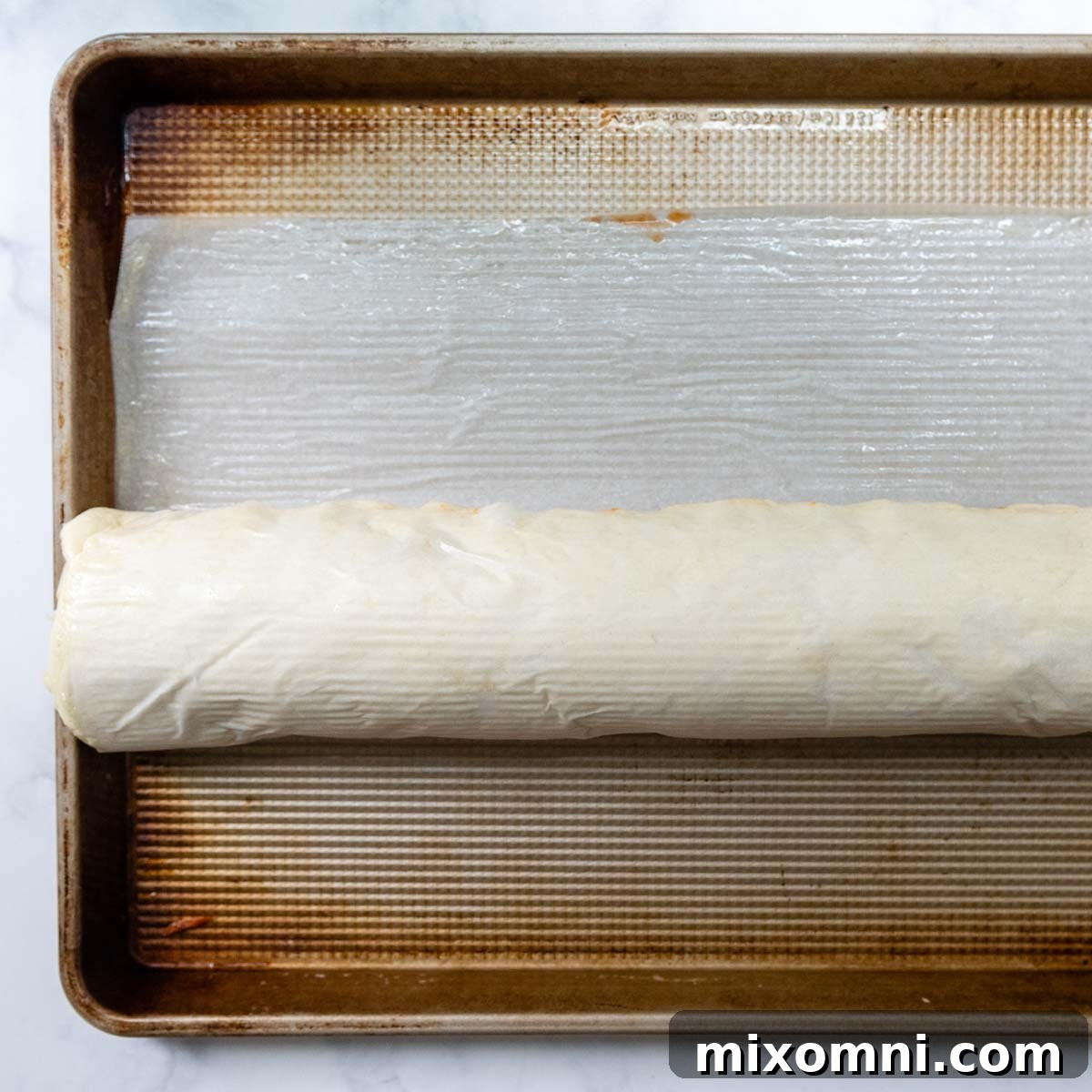
Working with gluten-free dough can sometimes present unique challenges, but with a few expert tips, you can achieve beautifully shaped and tender pizza rolls every time. The key is finding the perfect balance: enough flour to make the dough manageable, but not so much that it results in a dry or crumbly texture. Our recipe leans towards a softer dough to ensure a very tender final product, relying on smart techniques to assist with shaping.
For these pizza rolls, greased parchment paper is your best friend. It provides a non-stick surface that makes the rolling process significantly easier. To begin, gently lift the farthest long edge of the parchment paper, using it to initiate the roll. As you roll the dough towards you, the parchment helps to keep everything contained and prevents sticking. Continue this motion, peeling off the parchment as the dough rolls onto itself. Stop when you have about 3-4 inches of dough left closest to you. This unrolled section is crucial for achieving a neat seam.
Once you reach this point, take the parchment paper that’s still closest to you and lift it up, bringing it to meet the rolled portion of the dough. This allows you to effectively “tuck” the remaining dough under the log. Then, roll the entire log (with the parchment still assisting) away from you so that the seam is now faced down against the baking sheet. Finally, carefully peel away the parchment paper from the finished log, and you’re ready to slice your perfectly formed pizza rolls.
Additional Dough Handling Tips:
- Don’t Over-Flour: While it might be tempting to add more flour if the dough feels sticky, resist the urge. Excess flour can lead to dry, dense rolls. Rely on greased hands or cooking spray for patting and shaping.
- Gentle Touch: Gluten-free dough can be more delicate than traditional doughs. Handle it with a gentle touch during patting, rolling, and slicing to maintain its structure.
- Even Thickness: Ensure the dough is patted out to an even thickness across the entire baking sheet. This ensures consistent baking and prevents some parts from being undercooked or overcooked.
- Sharp Knife for Slicing: A very sharp knife is essential for clean slices. If your knife is dull, it can drag the dough and pull out the fillings. A gentle sawing motion is more effective than pressing straight down.
- Warm Environment for Rising: Gluten-free dough benefits significantly from a warm, draft-free environment for rising. The turned-off oven method described in the instructions is ideal. Avoid cold drafts, which can inhibit yeast activity.
Recommended Gluten-Free Flour Guide
Choosing the right gluten-free flour blend is often the most critical factor in the success of any GF baked good. Having rigorously tested numerous blends while developing our perfected gluten-free bread recipe, we consistently return to one favorite for its superior performance and flavor: Cup4Cup.
Why Cup4Cup Reigns Supreme:
- Unmatched Taste: In blind taste tests, Cup4Cup consistently emerged as the clear winner. Its flavor profile is so neutral and refined that you truly can’t tell it’s gluten-free, eliminating any “off” flavors that sometimes plague GF products.
- Exceptional Texture: The proprietary blend of starches, including cornstarch, and the addition of milk powder in Cup4Cup contribute to an incredibly soft, squishy, and tender crumb. This is the texture often desired in classic baked goods, and Cup4Cup delivers it beautifully. It creates a dough that’s pliable and bakes up wonderfully airy.
While Cup4Cup is our gold standard, we understand that it can sometimes be a pricier option or harder to find in certain regions. For those instances, King Arthur Measure-for-Measure Gluten-Free Flour is an excellent runner-up. It’s widely available and generally performs very well in many gluten-free recipes.
Considerations for King Arthur Measure-for-Measure:
I must be honest, I tested this pizza roll recipe so extensively with Cup4Cup that I ran out of time to perform a full test with King Arthur Measure-for-Measure specifically for these rolls. However, based on my extensive experience with both flours, I find that King Arthur’s blend doesn’t always absorb moisture quite as efficiently as Cup4Cup. This means if you are using King Arthur, you might need to add an extra couple of tablespoons of flour to achieve a similar dough consistency. Start with the recipe’s recommended amount and adjust slightly if the dough feels too wet. Remember, gluten-free baking often requires a bit of intuition and minor adjustments based on your specific flour blend and environment.
Using Other Gluten-Free Flour Blends:
If you choose to use a different brand of gluten-free all-purpose flour blend (e.g., Bob’s Red Mill 1-to-1, Pamela’s Products, etc.), keep in mind that results can vary significantly due to differing ingredient ratios (rice flour, tapioca starch, potato starch, xanthan gum, etc.).
- Check for Xanthan Gum: Most good all-purpose GF blends already contain xanthan gum. If your chosen blend does not, you will need to add about 1 teaspoon per cup of flour to provide essential binding and elasticity.
- Observe Dough Consistency: Pay close attention to the dough’s texture during mixing. If it feels too wet, add a tablespoon of flour at a time until it reaches the described stiff, yet workable consistency. If it feels too dry, you might need to add a touch more warm water or oil.
Your feedback is invaluable! If you try this recipe with a different gluten-free flour blend, please leave a note in the comments section to share your experience and help other bakers in our community!
Versatile Variations: Beyond the Classic Pizza Roll
This incredibly adaptable gluten-free dough isn’t just for pizza rolls! Its excellent texture and workability make it perfect for a range of delicious baked goods. In fact, this recipe was originally inspired by a reader’s nostalgic longing for an old-school gluten-free pepperoni bread. Beyond that, the dough is so versatile, I also use it to make easy gluten-free calzones!
Gluten-Free Pepperoni Bread
Transform your pizza roll dough into a savory loaf of gluten-free pepperoni bread, perfect for slicing and sharing:
- Prepare and Roll the Dough: Follow steps 1-5 of the gluten-free pizza rolls recipe to prepare the dough, pat it out, add the sauce, cheese, Italian seasoning, and pepperoni. Then, carefully roll the dough into a log as described in step 6.
- Shape and Position: Instead of slicing the log into individual rolls, simply slice the log in half, creating two shorter logs. Position these two logs on your prepared baking sheet (greased parchment) about 6 inches apart to allow for proper expansion during rising and baking.
- Rise and Egg Wash: Cover the logs loosely with plastic wrap and let them rise as directed in step 8 (15 minutes in the turned-off oven, then a draft-free spot while the oven preheats). Just before baking, gently brush the tops of both dough logs with an egg wash (one large egg beaten with 1 tablespoon of water). This will give them a beautiful golden crust.
- Bake and Serve: Bake as directed in step 9, ensuring the internal temperature reaches 190°F (88°C) using an instant-read thermometer. Allow the pepperoni bread to cool for at least 10 minutes on a wire rack before slicing and serving. It’s delicious warm!
More Delicious Pizza Roll Variations
Just like traditional pizza, the topping possibilities for these gluten-free pizza rolls are virtually endless! Use the base recipe and get creative with your favorite flavor combinations. Here are some ideas:
- Vegetable Lover’s Rolls: Spread on your tomato sauce, then sprinkle with mozzarella or your preferred cheese. Add a colorful mix of finely diced bell peppers, sliced black olives, and sautéed mushrooms. Since the bake time is relatively short, it’s recommended to precook any high-moisture vegetables like mushrooms or onions to prevent the rolls from becoming soggy.
- Meat Lover’s Delight: In addition to, or as a replacement for, pepperoni, consider adding crumbled cooked sausage, diced ham or Canadian bacon, or even crispy bacon bits. Ensure any meat toppings are pre-cooked and drained of excess fat.
- Hawaiian Pizza Rolls: A sweet and savory classic! Combine cooked, diced ham with small pieces of drained pineapple over the sauce and cheese.
- BBQ Chicken Pizza Rolls: Use BBQ sauce instead of marinara, then top with shredded cooked chicken, red onion, and mozzarella cheese.
- Spinach and Feta Rolls: Mix sautéed spinach (ensure it’s well-drained) with crumbled feta cheese before spreading over the sauce. A touch of garlic powder would enhance this flavor profile.
- Custom Cheese Blends: Don’t limit yourself to just mozzarella! Experiment with provolone, cheddar, Monterey Jack, or a sprinkle of Parmesan or Asiago for extra depth of flavor.
Remember to keep your fillings relatively thin and evenly distributed to ensure the rolls bake through properly and the dough can be rolled without difficulty.
Storage, Freezing, and Reheating Gluten-Free Pizza Rolls
Gluten-free baked goods, including these delicious pizza rolls, tend to dry out and lose moisture more quickly than their gluten-containing counterparts. For the absolute best taste and texture, homemade pizza rolls with pepperoni are ideally enjoyed on the same day they are made. However, with proper storage and reheating techniques, you can still savor them later!
Storing Leftovers: If you have any leftover pizza rolls you plan to eat within 1-2 days, allow them to cool completely to room temperature. Then, store them in an airtight container at room temperature. For slightly longer storage up to 3-4 days, you can refrigerate them, but be aware that they may dry out a bit more.
Freezing for Long-Term Enjoyment: Freezing is the best method for preserving the quality and freshness of your gluten-free pizza rolls for an extended period. To freeze:
- Cool Completely: It’s crucial that the rolls are entirely cool before freezing. Freezing warm items can lead to condensation and ice crystals, which will degrade the texture upon thawing.
- Individual Wrapping: Wrap each cooled pizza roll individually in plastic wrap. This prevents freezer burn and makes it easy to grab just one or two at a time.
- Freezer Bag Transfer: Place the individually wrapped rolls into a large, heavy-duty freezer-safe ziplock bag or an airtight container. Label the bag with the date.
- Freeze: Store in the freezer for up to 2 months.
Rewarming Frozen and Refrigerated Rolls:
- Microwave (for a quick reheat): If reheating from frozen, thaw the rolls at room temperature for about 1 hour first. For both thawed or refrigerated rolls, wrap an individual roll in a slightly damp paper towel. Microwave on 50% power for 30-60 seconds, or until heated through. The damp paper towel helps to reintroduce some moisture, preventing them from becoming dry.
- Oven (for best texture): For the best results, especially if reheating multiple rolls or if you prefer a crispier exterior, use your oven or a toaster oven. Preheat the oven to 350°F (175°C). Place frozen rolls directly on a baking sheet (no need to thaw first if using the oven). Bake for 10-15 minutes, or until thoroughly heated and the cheese is bubbly. If reheating refrigerated rolls, bake for 5-8 minutes.
By following these storage and reheating tips, you can enjoy the comforting taste of homemade gluten-free pizza rolls long after they’re first baked!
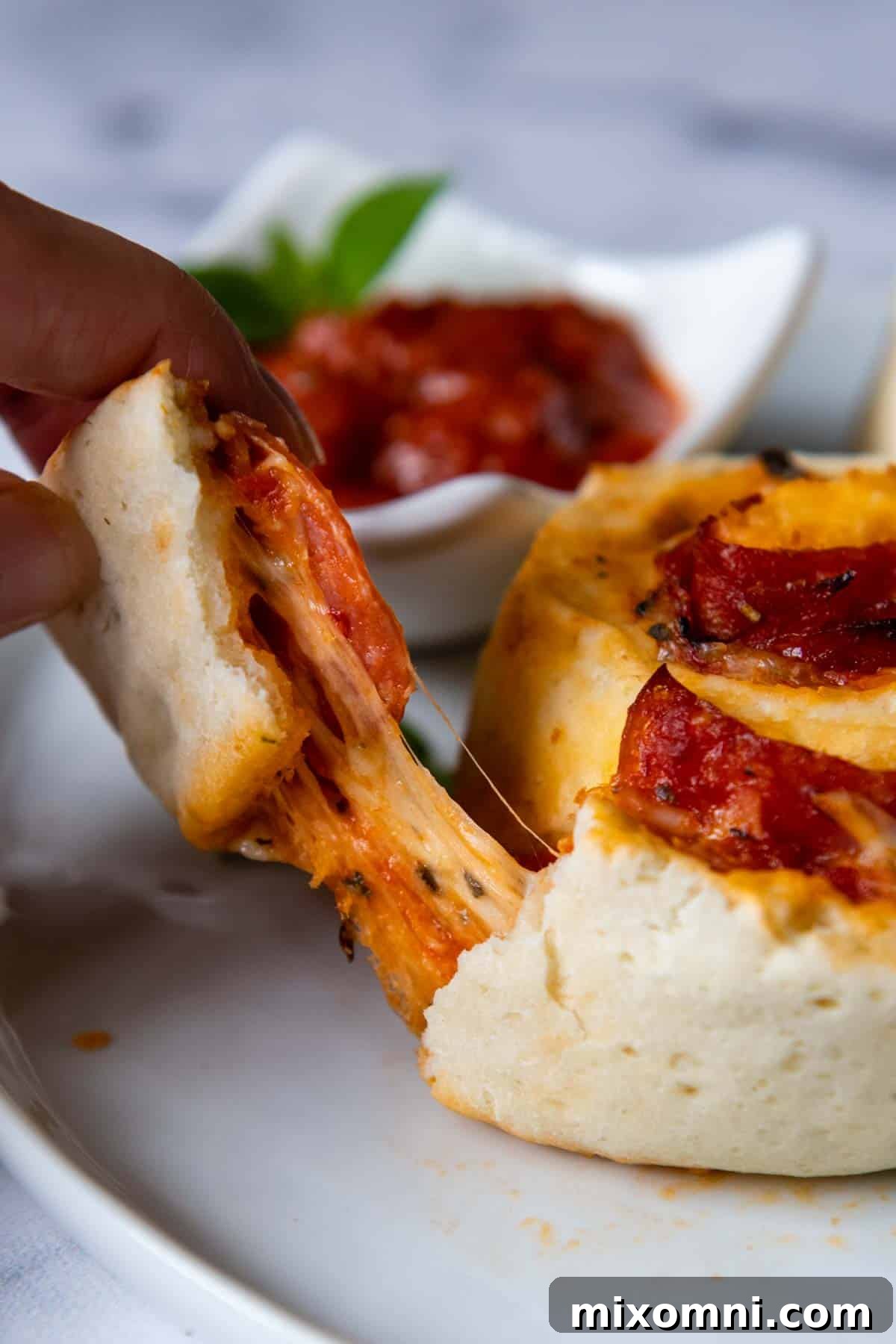
Save this recipe for gluten-free pizza rolls to your Pinterest board!
Let’s be friends on Pinterest! I’m always sharing great recipes!

Soft, Doughy Gluten-Free Pizza Rolls (Extra Easy)
 Melissa Erdelac
9
20 minutes
20 minutes
1 hour
10 minutes
Pin
Rate
Remove Ads
Ingredients
- 3 ½ cups (516 g) gluten free all purpose flour, Cup4Cup GF flour highly recommended
- ½ cup (88 g) potato starch, not potato flour
- 2 tablespoons (26 g) granulated sugar
- 1 (9 g) packet (2 ¼ tsp) instant rapid rise yeast
- 1 ½ tablespoons (17 g) psyllium husk powder, What is psyllium husk?
- 1 teaspoon baking powder
- 1 teaspoon salt
- 1 ½ cups (360 g) warm water (110°F)
- 1 large egg, room temperature
- 3 tablespoons (40 g) olive oil
- ⅔ cup (151 g) marinara or pizza sauce, plus more for dipping
- 2 cups (450 g) freshly grated mozzarella
- Italian seasoning
- 54-60 slices pepperoni
Equipment
-
Stand Mixer
-
Cup 4 Cup Gluten Free Flour
-
Cheese Grater
Instructions
-
Before you begin making the dough, turn the oven to 200ºF (93°C). Start to make the dough, but turn the oven off once it reaches temperature. This will serve as an extra warm place for the pizza rolls to initially rise. Grease a 9X13-inch baking pan with nonstick cooking spray. Line a 18X13 half sheet pan with parchment paper and grease with cooking spray. Set aside.
-
In a large mixing bowl of a stand mixer using a paddle attachment, combine the GF flour, potato starch, sugar, psyllium, yeast, baking powder and salt on low speed.3 ½ cups gluten free all purpose flour, ½ cup potato starch, 2 tablespoons granulated sugar, 1 packet (2 ¼ tsp) instant rapid rise yeast, 1 ½ tablespoons psyllium husk powder, 1 teaspoon baking powder, 1 teaspoon salt
-
Add the warm water, egg, and oil. Combine on low speed until blended. Increase to medium low speed and beat for 5 minutes, stopping to scrape down the bowl once or twice. The dough will be very stiff.1 ½ cups warm water (110°F), 1 large egg, 3 tablespoons olive oil
-
Use a spatula to scrape the dough onto the prepared baking sheet with greased parchment. Spray your hands with nonstick cooking spray (or rub with a little olive oil) and evenly pat down the dough to fill the entire sheet pan. Try to get the dough as evenly dispersed as possible.
-
Spread with the marinara sauce, leaving about ½-inch gap around the edges. Distribute the cheese over the marinara and then sprinkle with the Italian seasoning. Cover the cheese with pepperoni slices.⅔ cup marinara or pizza sauce, 2 cups freshly grated mozzarella, Italian seasoning, 54-60 slices pepperoni
-
To roll, start with farthest long edge and roll towards you. To start off, lift the parchment with the dough and start to roll. Once the entire length of dough is rolled toward you, peel off the parchment and continue to roll the dough. Stop when you have about 3-4 inches of dough left closest to you. (See photos in post.)
-
Take the parchment closest to you and lift it up to meet the roll. Roll the whole log, with the parchment, away so the seam is now against the baking sheet. Peel away the parchment.
-
Use a long sharp knife to score the log into 12 even slices. Then, go back and slice through the scores, using a gently sawing motion. Once a slice has been cut through, move it to the 9X13-inch pan positioned in 3 X 4 rows.
-
Cover the pan with plastic wrap and place it in the turned off oven. Let rise for 15 minutes. Remove the pan from the oven and set in a draft-free place to continue to rise while the oven preheats to 375℉ (190°C).
-
Remove the plastic wrap and bake for 20-25 minutes, or until the internal temperature of the bread reaches 190℉ (88°C). I use an instant read thermometer to check, which is perfect for GF breads because they can be tricky to know when they are done. Cool about 5 minutes before serving with additional pizza sauce for dipping.
-
DID YOU MAKE THIS RECIPE?? DON’T FORGET TO LEAVE FEEDBACK AND RATE BELOW!
Notes
Storing, Freezing, and Rewarming
Since gluten-free baked goods have a tendency to dry out and lose moisture quickly, homemade pizza rolls with pepperoni are best enjoyed the day they are made. I recommend freezing and rewarming as directed below.
Freezing: Cool completely before storing. Wrap the cooled rolls individually in plastic wrap and transfer to a ziplock freezer bag. Freeze up to 2 months.
Rewarming: Thaw at room temperature for 1 hour if reheating in the microwave. Wrap in a slightly damp paper towel and warm for 30-60 seconds at 50% power.