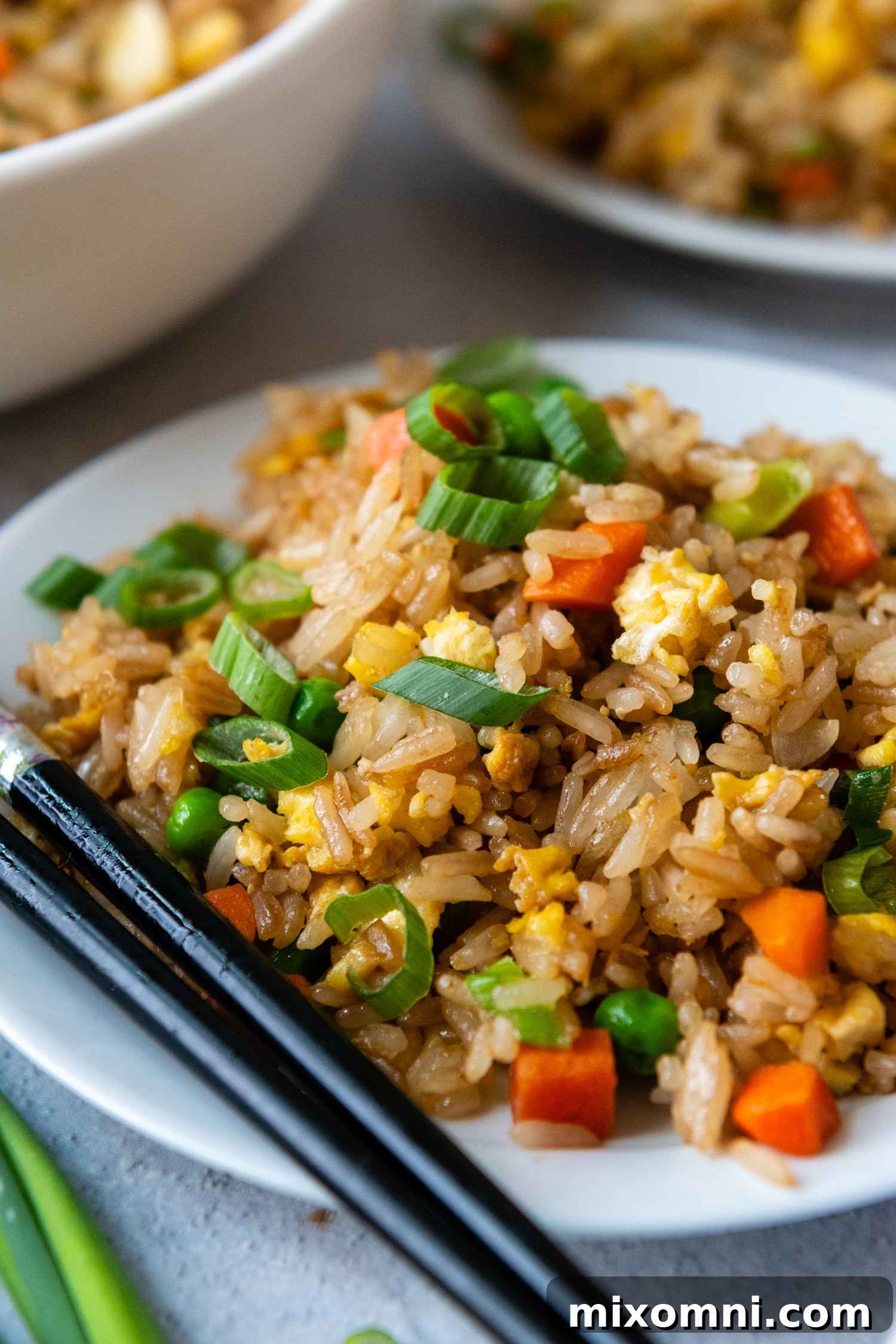
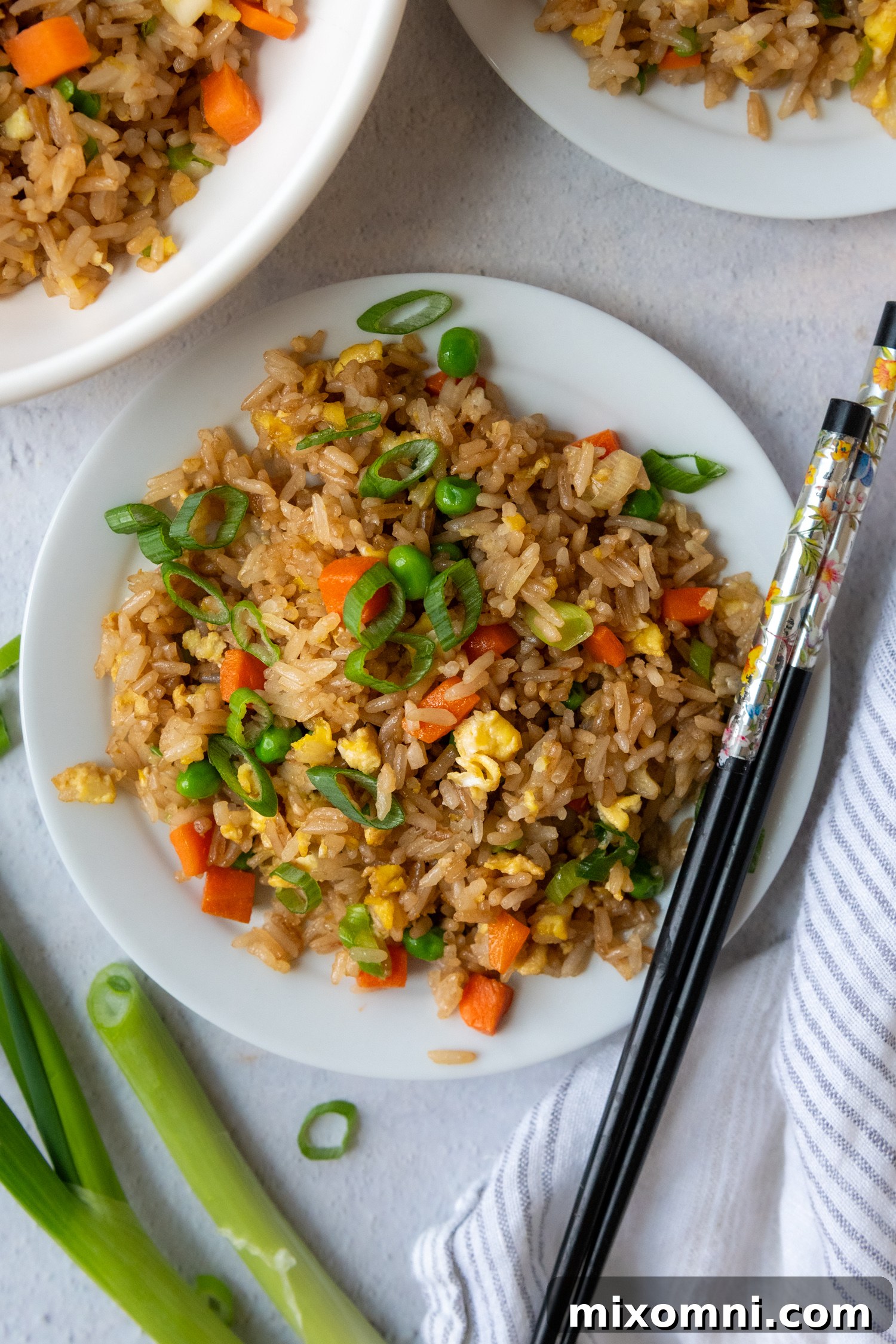
Welcome to the ultimate guide for crafting the most delicious gluten-free fried rice you’ve ever tasted! Forget soggy, bland, or clumpy disappointments. This recipe is meticulously designed to deliver perfectly separated grains, bursting with savory flavor, and a texture that rivals your favorite take-out. We’re talking about a culinary revelation that will empower you to create a restaurant-quality side dish (or even a main course!) right in your own kitchen, completely free from gluten.
Many home cooks struggle with achieving that ideal fried rice texture – often resulting in a sticky, unappetizing mess. The secret, however, lies in understanding a few fundamental principles: selecting the right type of rice, mastering essential preparation techniques, and balancing the flavors with premium, gluten-free ingredients. This comprehensive guide will walk you through each crucial step, ensuring your homemade gluten-free fried rice is not just good, but absolutely spectacular.
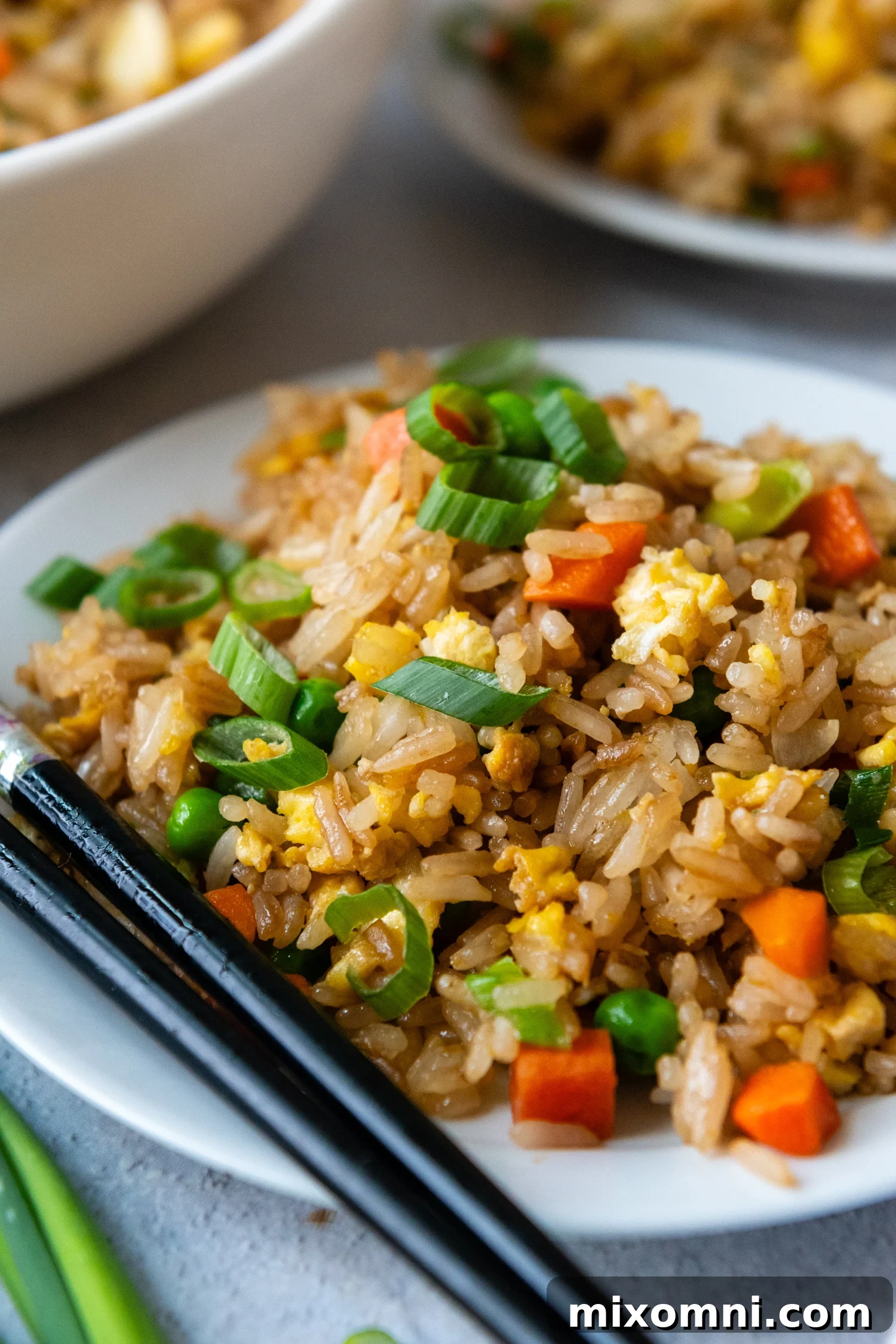
Unlocking the Secrets to Fluffy, Flavorful Gluten-Free Fried Rice
Making fried rice gluten-free is actually quite straightforward. The primary adjustment involves swapping traditional soy sauce for a certified gluten-free alternative like gluten-free tamari, liquid aminos, or coconut aminos. These substitutes offer the same umami depth without the gluten, making it accessible for everyone with dietary sensitivities.
However, the real magic of this recipe extends beyond just being gluten-free. We address several common pitfalls that often lead to disappointing fried rice experiences. Have you ever wondered why your homemade version never quite matches the light, distinct grains of your favorite restaurant dish? It often comes down to two critical factors: rice preparation and cooking technique.
Many recipes overlook the vital steps of preparing the rice, which is arguably the most important element for achieving that coveted fluffy, non-clumpy texture. If you’ve been plagued by mushy or sticky results, this guide will revolutionize your approach to cooking and cooling rice, guaranteeing impeccable results every single time.
Moreover, we believe that an “easy” recipe should live up to its name. Our philosophy is centered on using readily available ingredients that are quick to prepare, streamlining the cooking process so you can whip up this delightful dish in minutes. Utilizing convenient shortcuts, such as pre-frozen and thawed peas and carrots, significantly cuts down on prep time without sacrificing flavor or nutrition.
Finally, let’s talk about the taste. This recipe strikes the perfect balance of salty, savory umami goodness. It’s so rich and satisfying that it can easily stand alone as a light meal, or you can mix in your favorite cooked proteins like chicken, shrimp, or pork for a more substantial dish. If you plan to serve it alongside other flavorful mains, such as unstuffed egg roll bowls or gluten-free sweet and sour chicken, you might slightly reduce the amount of soy sauce to ensure a harmonious blend of flavors.
Mastering the Rice: The Foundation of Fantastic Fried Rice
The journey to perfected gluten-free fried rice that remains fluffy and distinct begins with the rice itself. If you’ve ever pondered why your homemade fried rice lacks the finesse of your favorite take-out, the answer often lies in these three crucial steps:
- **Choose the Right Grain:** For fried rice, not all rice is created equal. We highly recommend using long-grain varieties like jasmine or basmati rice. These grains have a lower starch content compared to short-grain or medium-grain varieties, which makes them less prone to clumping and easier to separate into individual, tender grains when fried. The distinct texture of these rice types is essential for the authentic fried rice experience.
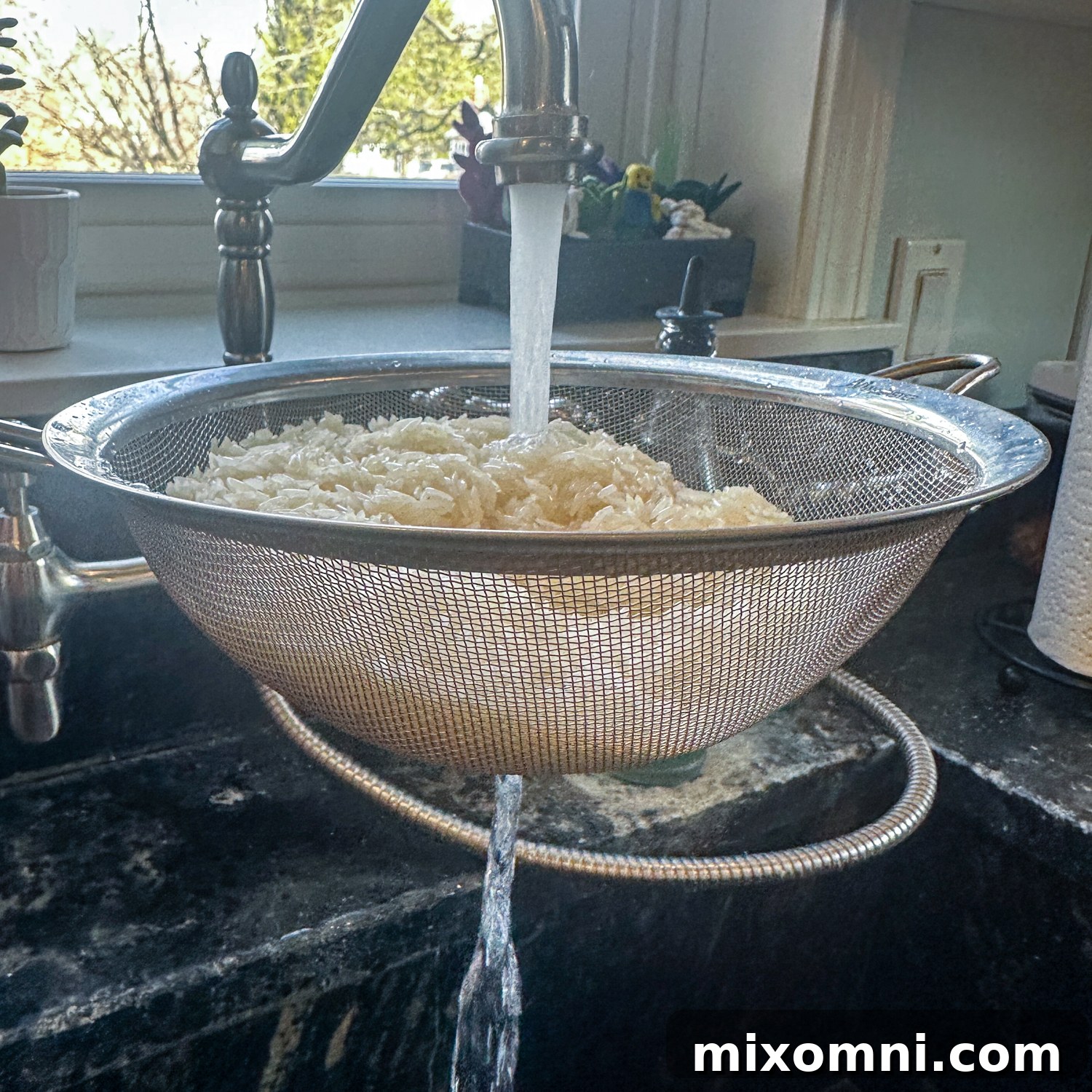
- **Rinse, Rinse, and Rinse Again:** This step is non-negotiable! Before cooking, measure your rice and place it in a fine-mesh sieve. Run cold water over the rice, stirring it gently with your hand, until the water draining from the bottom is completely clear. This obsessive rinsing removes excess surface starch, which is the primary culprit behind mushy and sticky fried rice. Dedicate at least a full minute to this crucial process.
- **Cool Your Cooked Rice Completely:** After cooking your rinsed rice, immediately spread it out in a thin, even layer on a large baking sheet. This maximizes the surface area, allowing steam to escape quickly and efficiently. The goal is to dry out the rice as much as possible, preventing it from steaming in the pan later. Once spread, pop the baking sheet into the refrigerator for at least 30 minutes, or ideally, overnight. Cold, day-old rice is firmer, less sticky, and holds its shape beautifully when stir-fried, resulting in those coveted individual grains.
By following these fundamental rice preparation techniques, you’ll lay the groundwork for a fried rice dish that is consistently light, fluffy, and full of texture, setting it apart from any mushy experience of the past.
Let’s Cook Together: A Step-by-Step Guide to Gluten-Free Fried Rice
This section provides detailed instructions and accompanying photos to guide you through each stage of making perfect gluten-free fried rice. For specific ingredient amounts, please refer to the complete recipe card below.
1. Prepare Your Rice the Right Way
As discussed, meticulous rice preparation is paramount. Begin by obsessively rinsing your uncooked jasmine rice in a fine-mesh sieve under cold running water. Continue rinsing for at least a minute, using your hand to agitate the grains, until the water draining below is perfectly clear. This step diligently removes excess starch, preventing your fried rice from becoming clumpy or mushy. Jasmine rice is particularly well-suited for fried rice due to its ideal water-to-rice ratio during cooking, yielding drier grains that separate beautifully. After cooking, spread the rice thinly on a baking sheet and chill it thoroughly in the refrigerator for at least 30 minutes, or ideally, overnight. This chilling process further dehydrates the grains, ensuring they fry crisp and distinct.
2. Select the Right Pan and Don’t Skimp on Oil
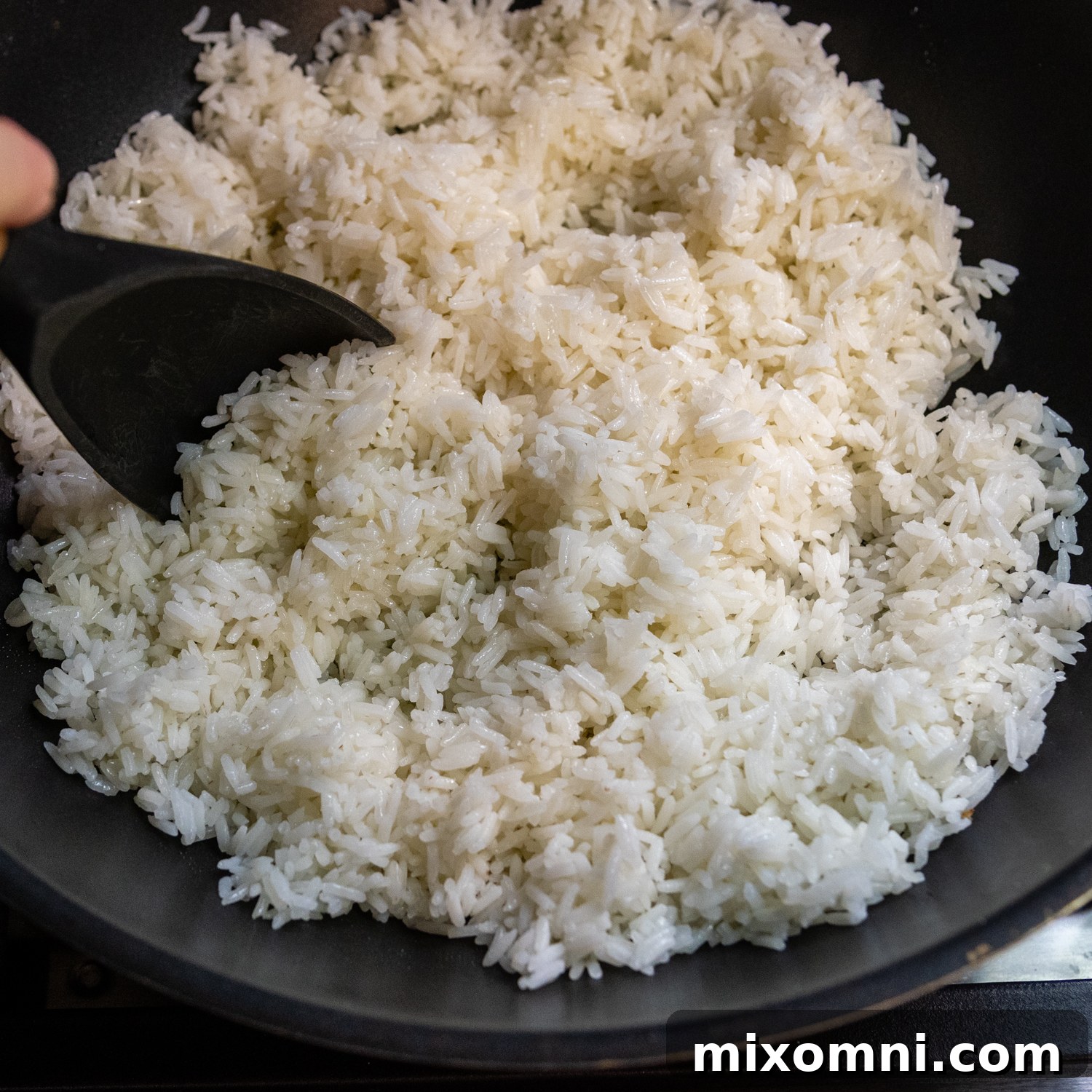
For truly exceptional fried rice, the cooking vessel makes a difference. A wok is ideal because its sloped sides allow for easy tossing and even heat distribution, ensuring every grain gets perfectly toasted. However, a large, deep skillet with high sides will also work effectively. The key is to use a pan spacious enough to allow you to move the rice freely, preventing overcrowding which can lead to steaming rather than frying. Generously coat the pan with oil; this not only prevents sticking but also helps the rice grains toast beautifully and maintain their individual integrity. High heat is essential here to achieve that characteristic fried texture and slightly crispy exterior.
3. Introduce the Eggs
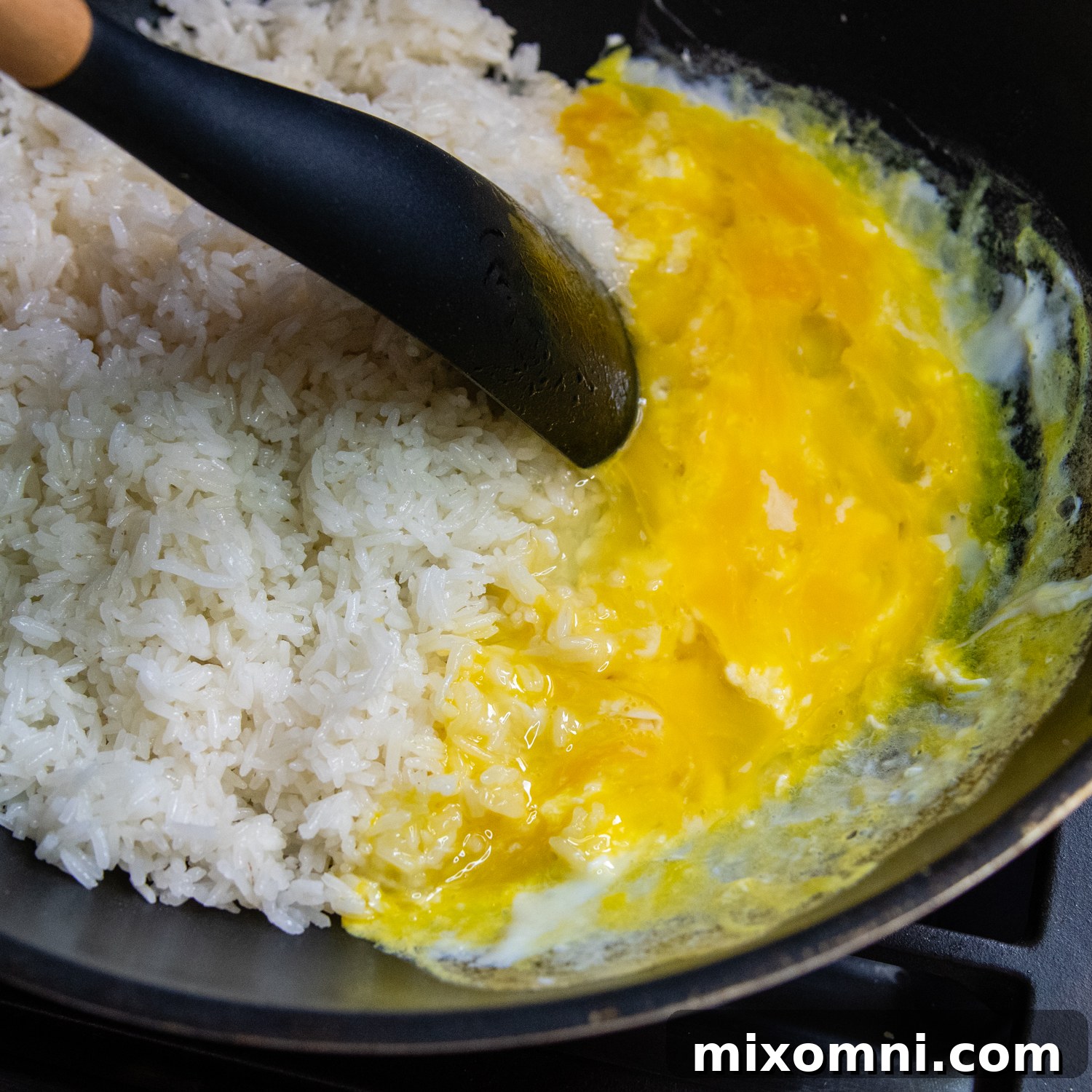
Once your rice has fried for a few minutes and started to toast, create a cleared space by pushing the rice to one side of the pan. Crack your eggs directly into the empty space. There’s no need to pre-whisk them; simply scramble them right there in the pan. As the eggs cook and solidify, begin to gently break them apart and, just before they are fully cooked through, start incorporating them into the rice. This method ensures the eggs cook quickly and become beautifully integrated throughout the dish, adding richness and a lovely texture.
4. The Flavor Finish
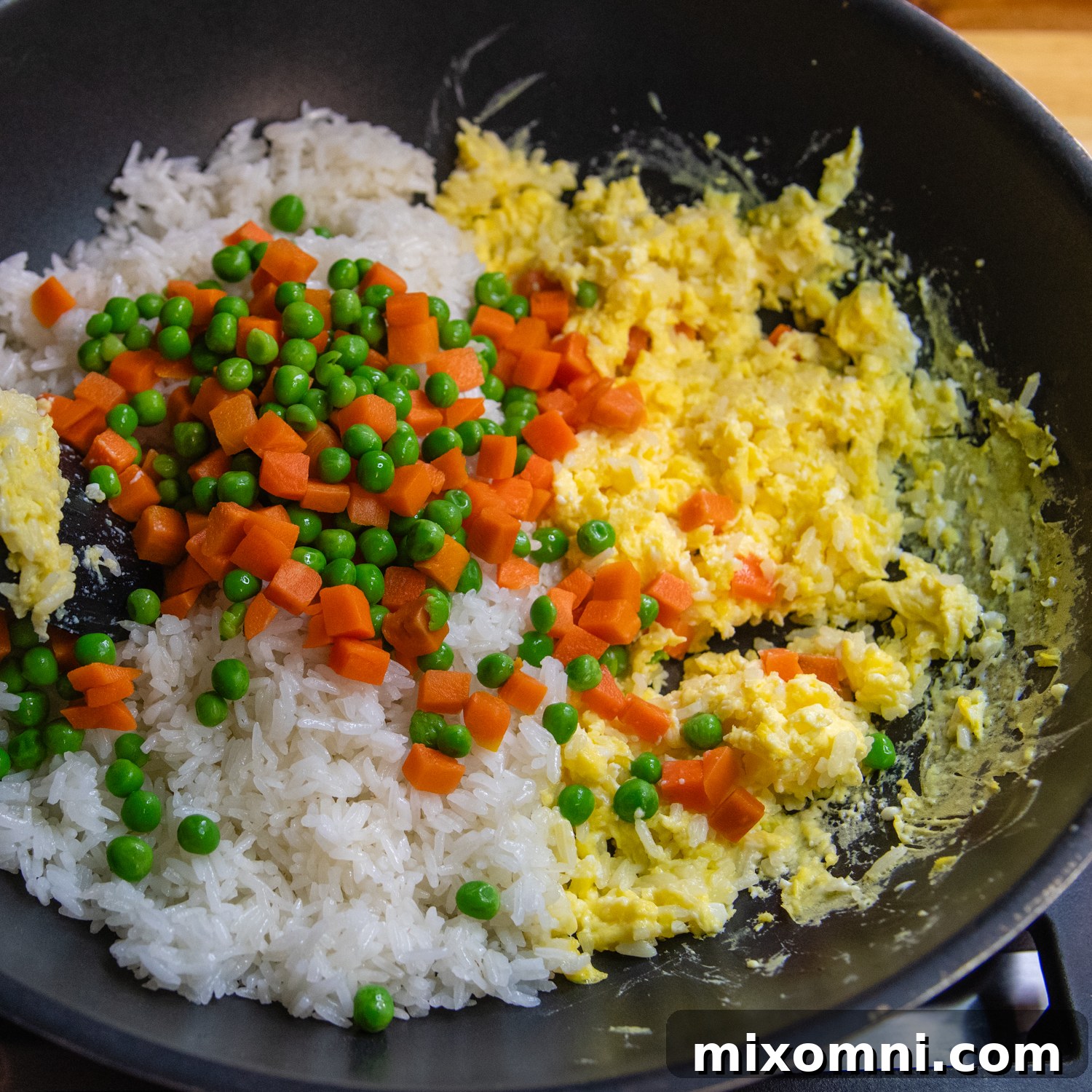
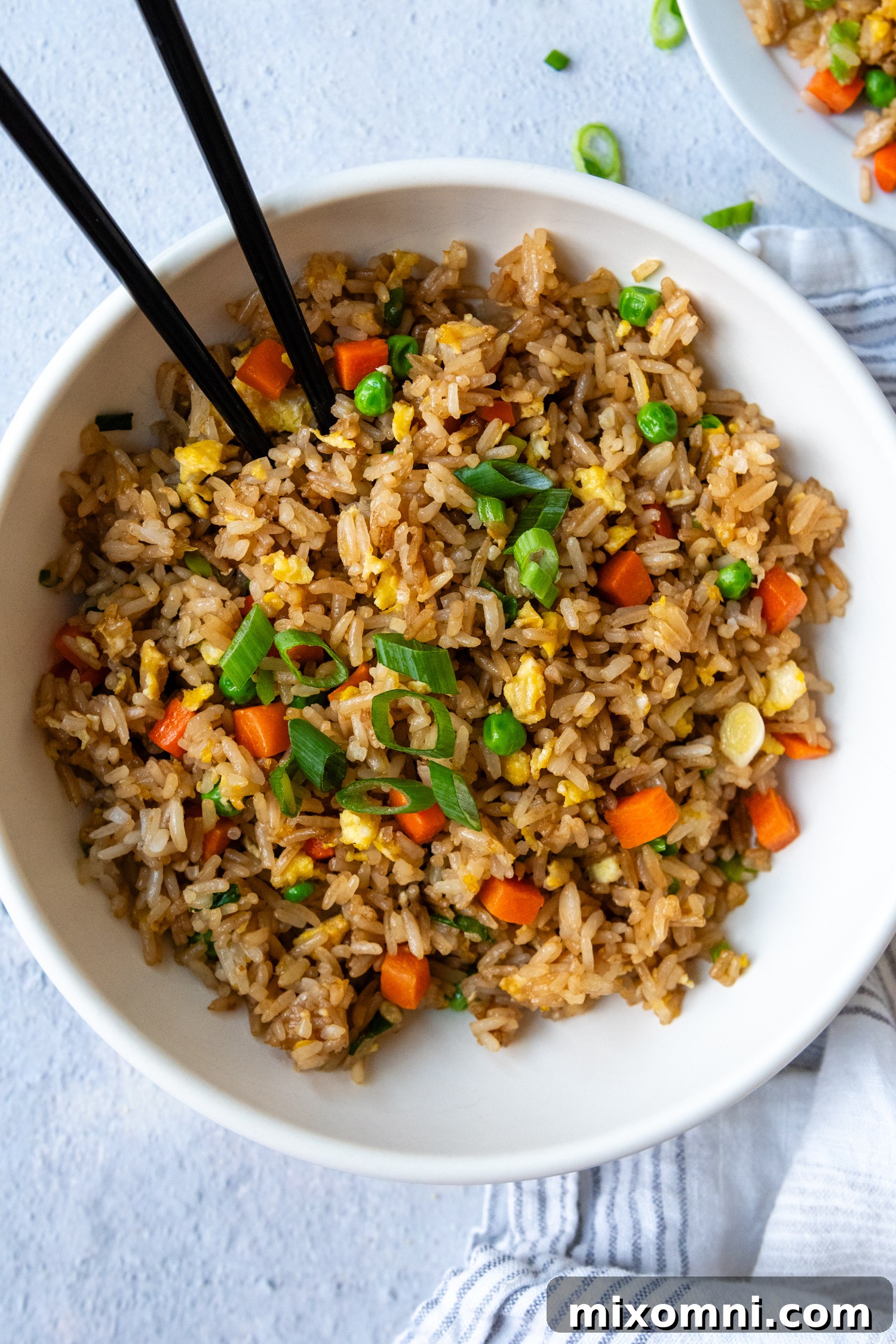
With the rice and eggs perfectly combined, it’s time to infuse the dish with its signature fried rice flavor. Stir in your thawed peas and carrots – a convenient and colorful addition. Next, add the vibrant sliced green onions and a generous amount of gluten-free soy sauce (or your chosen alternative). For an extra layer of authentic, nutty aroma, a splash of toasted sesame oil is highly recommended. Continue to stir-fry everything together until all ingredients are well combined and heated through. Serve immediately, savoring the incredible aroma and taste of your homemade, perfectly textured, and incredibly flavorful gluten-free fried rice!
Navigating gluten-free options for condiments can be tricky. When seeking a gluten-free soy sauce swap, look for brands explicitly certified as GF. Popular choices include La Choy Gluten-Free Soy Sauce or Kikkoman Gluten-Free Tamari (always check for the clear “Gluten-Free” label, as Kikkoman also produces traditional soy sauce). Other excellent gluten-free alternatives that provide similar savory depth include pure tamari, liquid aminos, or coconut aminos. Each offers a slightly different flavor profile, so feel free to experiment to find your personal favorite!
Elevate Your Dish: Yummy Flavor Additions and Variations
While our basic gluten-free fried rice recipe is fantastic on its own, it also serves as a versatile canvas for culinary creativity. If you’re looking to enhance the flavors or customize your dish, consider these tasty complementary additions:
- **Aromatics:** Boost the depth of flavor by adding finely minced fresh garlic or ginger at the beginning of the frying process, just before the rice.
- **Proteins:** Transform this side dish into a complete meal by mixing in cooked and diced ham, chicken, shrimp, pork, or even thinly sliced beef. Tofu or tempeh can also be added for a plant-based protein boost.
- **Additional Vegetables:** Expand the nutritional profile and visual appeal with more vegetables. Consider adding chopped broccoli florets, sliced mushrooms, colorful bell peppers, tender bok choy, crisp snap peas, or diced onions.
- **Sweet & Tangy Notes:** A handful of fresh pineapple chunks can add a wonderful touch of sweetness and acidity, balancing the savory flavors beautifully.
- **Umami Boosters:** For an even deeper umami punch, a dash of fish sauce (ensure it’s a gluten-free brand by checking the label) can be a game-changer.
- **Toasted Sesame Oil:** While optional in the main recipe, a drizzle of toasted sesame oil at the very end adds an authentic, nutty aroma that truly elevates the dish.
- **Spice It Up:** For those who enjoy a little heat, a pinch of red pepper flakes or a swirl of chili garlic sauce can add a delightful kick.
Don’t be afraid to experiment with these additions to tailor your gluten-free fried rice to your personal taste preferences and what you have on hand!
Save This Recipe to Your Pinterest Board!
Let’s be friends on Pinterest! I’m always sharing great recipes!
Did you make this recipe? I love hearing from you! Leave a star rating and comment below the recipe card. It helps others when searching for recipes and I appreciate feedback from our community. You will always hear back from me! -Melissa
Simple Weeknight Fried Rice (Gluten Free)

Melissa Erdelac
6
1 hr
15 mins
1 hr 15 mins
Just because this easy gluten-free side dish is uncomplicated, doesn’t mean it lacks flavor or the perfect texture. If you have been disappointed by fried rice that is mushy or bland, then this is the recipe for you. It’s all about using the right grain of rice, ideal ingredient ratios (all GF, of course), and an easy cooking technique that will make you ditch take-out forever!
Pin
Rate
Ingredients
- 3 tablespoons vegetable oil
- 5 cups (packed) cold cooked jasmine rice, see recipe notes for cooking and cooling technique
- 3 large eggs
- 1 cup frozen peas and carrots, thawed, optional
- 3 green onions, sliced
- 3 tablespoons gluten-free soy sauce
- 1 teaspoon sesame oil, optional
Equipment
-
Wok
-
Strainer
Instructions
-
Heat a wok or large deep skillet over medium-high heat. Add the vegetable oil, then add the cold cooked rice. Stir well to coat the rice in oil and break up any clumps. Fry for approximately 3-4 minutes, allowing the rice to toast slightly.
3 tablespoons vegetable oil, 5 cups (packed) cold cooked jasmine rice
-
Slightly reduce the heat and push the rice to one side of the pan, creating an empty space. Crack the eggs into this empty side. Cook and stir the eggs to scramble them until they are almost cooked through.
3 large eggs
-
Combine the scrambled eggs with the rice. Stir in the thawed peas and carrots (if using), sliced green onions, gluten-free soy sauce, and the optional sesame oil. Continue to stir and cook until all ingredients are thoroughly heated through and well combined. Serve immediately and enjoy!
1 cup frozen peas and carrots, thawed, 3 green onions, sliced, 3 tablespoons gluten-free soy sauce, 1 teaspoon sesame oil
Notes
Recommended Cooking and Cooling Rice Technique for Fried Rice:
- Place 2 cups of jasmine rice in a fine-mesh sieve and rinse thoroughly under cold running water until the water draining underneath is completely clear.
- Transfer the rinsed rice to a medium saucepan and add 2 ¼ cups of water. Heat the saucepan, uncovered, over medium-high heat until the water begins to boil.
- Once boiling, reduce the heat to medium-low and continue to cook until the rice grains just start to rise above the water level. Cover the saucepan slightly (leaving a small gap for steam to escape) and let it cook for 5 minutes.
- After 5 minutes, turn off the heat completely, fully cover the saucepan, and leave it on the turned-off burner for an additional 10 minutes to steam.
- Fluff the cooked rice with a fork and immediately transfer it to a large baking sheet, spreading it out into a thin, even layer. Separate the grains as much as possible. Place the baking sheet with the rice into the refrigerator for at least 30 minutes, or ideally, overnight, to allow the rice to cool and dry out completely. Cold, day-old rice yields the best results for fried rice.
Nutrition Information
Calories: 283kcal, Carbohydrates: 40g, Protein: 7g, Fat: 10g, Saturated Fat: 2g, Polyunsaturated Fat: 5g, Monounsaturated Fat: 3g, Trans Fat: 0.1g, Cholesterol: 82mg, Sodium: 80mg, Potassium: 139mg, Fiber: 1g, Sugar: 0.3g, Vitamin A: 2395IU, Vitamin C: 4mg, Calcium: 36mg, Iron: 1mg
Did you make this recipe? Please leave a star rating and review below. It helps others when searching for recipes and I LOVE feedback!